
 Dwi Wanna
 Nana Wu
 Muslim
 Reynand Wu
 Ammar Sabilarrohman
 Asep Darmawan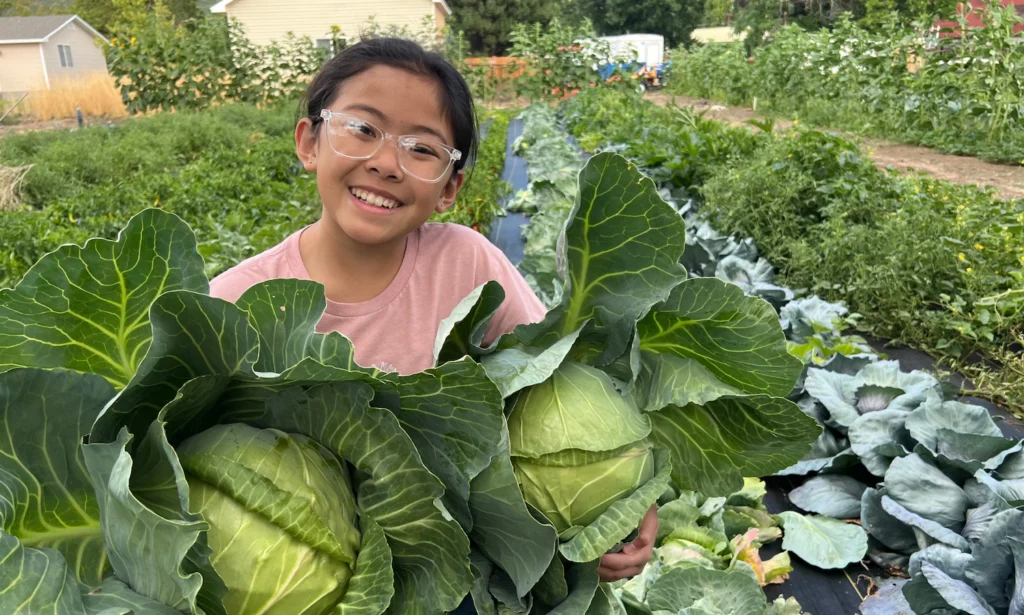
In the heart of Layton, Utah, an agricultural oasis thrives against the backdrop of an increasingly urbanized landscape. Zoe’s Garden, a sprawling testament to biodiversity, is home to more than 600 distinct varieties of fruits, vegetables, and herbs. However, to its founder, David Chen, the farm is more than a commercial enterprise or a collection of crops; it is a living classroom where the philosophy of "sustainability" is practiced in its most literal, human sense. For Chen, sustainability is not merely an environmental buzzword—it is the bedrock of survival and the foundation of a resilient community.
The Genesis of a Philosophy: From Survival to Stewardship
The story of Zoe’s Garden is inextricably linked to the personal narrative of David Chen. His journey began in 1982, when his family immigrated to the United States from China. Arriving in Utah with limited financial resources, no local support network, and a language barrier, the Chen family faced the immediate, visceral challenge of establishing a new life.
"We came together as a family and talked," Chen recalls. "How can we sustain ourselves?"
This foundational question became the guiding principle for his life. Following a period of transition in which his family relocated to California, a young Chen chose to remain in Utah. He sought independence early, working in the restaurant industry while living with an American host family. The depth of his early maturity was tested when his younger brother struggled to adapt, prompting Chen to take on the role of guardian while still in his teens.
"I did not get a college education," Chen reflects. "I got my education from how to survive, how to sustain myself." This period of intense personal responsibility served as his formative apprenticeship, instilling in him a pragmatic approach to problem-solving that would eventually define his approach to agriculture.
Chronology: A Transition Toward Conscious Cultivation
Chen’s path into professional farming was not a straight line. Before the greenhouse rows of Zoe’s Garden, he operated a landscaping and nursery business. His early venture focused on poinsettias—tropical shrubs that are notoriously susceptible to pests. To protect his crop, Chen relied heavily on synthetic pesticides.
The turning point came as he and his wife began planning for a family. The health toll of the chemicals he was handling—constant illness and physical fatigue—became impossible to ignore. His wife’s ultimatum was clear and life-altering: "Are we going to start a family? Well, only if you stop killing yourself."
Heeding this warning, Chen pivoted. He abandoned the chemical-heavy practices of traditional commercial nurseries and transitioned into the cultivation of food crops within greenhouses. When his first daughter, Zoe, was born, he named the operation after her—a name that in Greek signifies "abundant life." This shift marked the beginning of his role as a pioneering figure in Utah’s burgeoning local food movement.
Supporting Data: The Impact of Small-Scale Agriculture
Zoe’s Garden stands as a significant case study in the efficacy of Community Supported Agriculture (CSA). By bypassing traditional long-chain distribution models, the farm serves as a direct bridge between the soil and the local dinner table.
- Biodiversity: By cultivating over 600 varieties of produce, Chen promotes genetic diversity, which is essential for soil health and long-term food security.
- Economic Resilience: Through the CSA model, consumers pay upfront for a portion of the harvest. This provides farmers like Chen with predictable income and reduces the financial volatility inherent in wholesale agriculture.
- Social Capital: Beyond the produce, the farm functions as a community hub. The "Farm Day" events and direct market interactions serve to bridge the gap between urban consumers and the realities of food production.
The economic model of Zoe’s Garden is representative of a larger shift in the U.S. agricultural sector. According to data from the USDA, the rise of direct-to-consumer food sales—including farmers’ markets and CSA programs—has been instrumental in keeping small-scale family farms viable. These farms, while smaller in acreage, often produce a higher density of nutrient-rich food per square foot compared to industrial monoculture operations.
The Next Generation: Lessons from the Field
One of the most compelling aspects of Zoe’s Garden is the active involvement of Chen’s daughters. They are not merely observers of the farm’s success; they are integral to its operations. From planting seeds to managing market transactions, the daughters are gaining a form of literacy that transcends traditional classroom learning.
A telling incident occurred at a farmers’ market when a customer attempted to negotiate the price of a $4 cantaloupe down to $0.50. Chen’s six-year-old daughter handled the negotiation with grace and clarity, explaining the labor and early-morning hours required to bring the fruit to market. She offered the cantaloupe as a gift if the customer truly could not afford it, but stood firm on the value of the labor involved.
"I didn’t teach her that," Chen notes with pride. This interaction highlights the core objective of his parenting and farming philosophy: the transmission of values related to respect, labor, and the true cost of food.
Official Responses and Industry Context
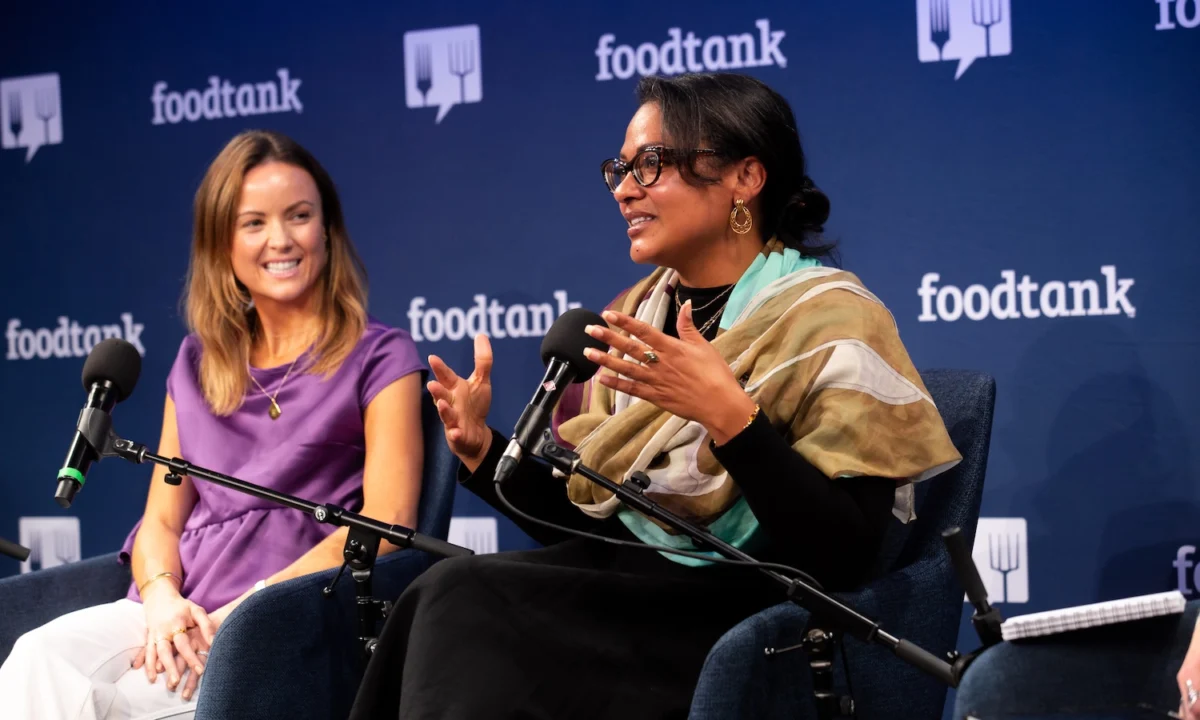
The work done at Zoe’s Garden aligns with the broader mission of organizations like Niman Ranch and Food Tank, which emphasize the importance of independent, small-scale family farmers in building a more equitable food system.
In discussions regarding the state of American agriculture, experts often point to the "vanishing middle"—the loss of small-to-mid-sized farms to industrial consolidation. The model presented by Chen serves as a counter-narrative. By focusing on quality over quantity and community engagement over commodity volume, Chen proves that a farm can be both a business and a social pillar.
"Part of our concept is how to maximize our ability to sustain ourselves," says Chen. "We, as Zoe’s Garden, try to share this idea with the local community in every way that we can." This philosophy has turned the farm into a regional model for sustainable development, where the health of the consumer and the health of the land are treated as one and the same.
Implications: The Future of Localized Food Systems
The implications of the Zoe’s Garden model are profound for the future of urban and peri-urban agriculture. As climate change poses increasing risks to globalized supply chains, the ability of local communities to "sustain themselves" becomes a matter of national security as much as personal health.
- Soil Health and Climate Adaptation: By moving away from synthetic chemicals, Chen’s practices restore the soil microbiome, which in turn makes crops more resilient to drought and pests.
- Community Interconnectedness: The interaction between an elderly visitor with a walker picking flowers and the young, industrious daughters of the farmer represents the kind of social glue that is increasingly rare in modern society.
- The Redefinition of "Farmer": Chen’s story shifts the image of the farmer from a laborer to a knowledge-worker, a community leader, and a steward of biological diversity.
In conclusion, David Chen’s work at Zoe’s Garden serves as a blueprint for those seeking a more grounded approach to life and work. By prioritizing human relationships, personal health, and the literal sustainability of the land, he has created an ecosystem that yields more than just vegetables. He is cultivating a blueprint for resilience that invites us all to consider the question that changed his life: "How can we sustain ourselves?"
As the food system continues to grapple with the pressures of the 21st century, the path forward may look remarkably like the rows at Zoe’s Garden—diverse, locally rooted, and built upon the fundamental understanding that the strength of a community is only as deep as the soil that sustains it.
For those interested in learning more about the intersection of sustainable farming and community advocacy, Food Tank continues to document the stories of independent farmers through its Farmer Friday series. These narratives highlight the diverse approaches being taken across the United States to preserve rural agricultural communities and foster a more equitable, healthy, and sustainable food system.

 Sagoh
Sagoh