 Dwi Wanna
 Nana Wu
 Muslim
 Reynand Wu
 Ammar Sabilarrohman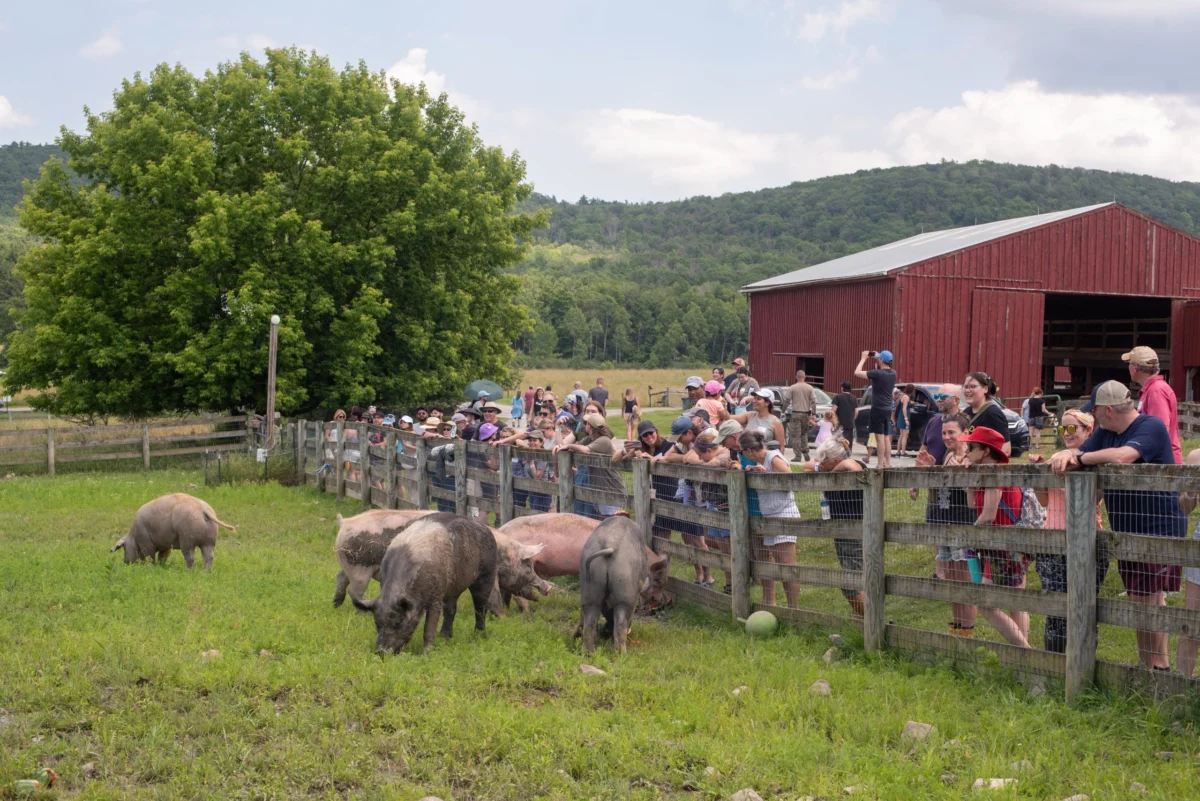
WATKINS GLEN, N.Y. — On July 4, 2026, as the United States marked its Independence Day, a different kind of freedom was celebrated amidst the rolling hills of the Finger Lakes region. Nearly 200 attendees gathered at Farm Sanctuary’s Watkins Glen headquarters for "Pignic 2026," a signature annual event that blends summer leisure with a serious, long-term commitment to ending the abuses of factory farming.
For four decades, Farm Sanctuary has stood as a beacon for animal welfare, and this year’s event served as both a festive celebration and a milestone reflection on a movement that has fundamentally shifted the national conversation regarding how society views, treats, and consumes farm animals.
The Main Facts: A Sell-Out Success
The event, which saw tickets sell out well in advance, transformed the sanctuary into a vibrant hub of community and activism. Attendees were treated to a quintessential American summer experience—complete with barbecue, live music, and outdoor activities—but with a radical, compassionate twist: the entire affair was strictly vegan.
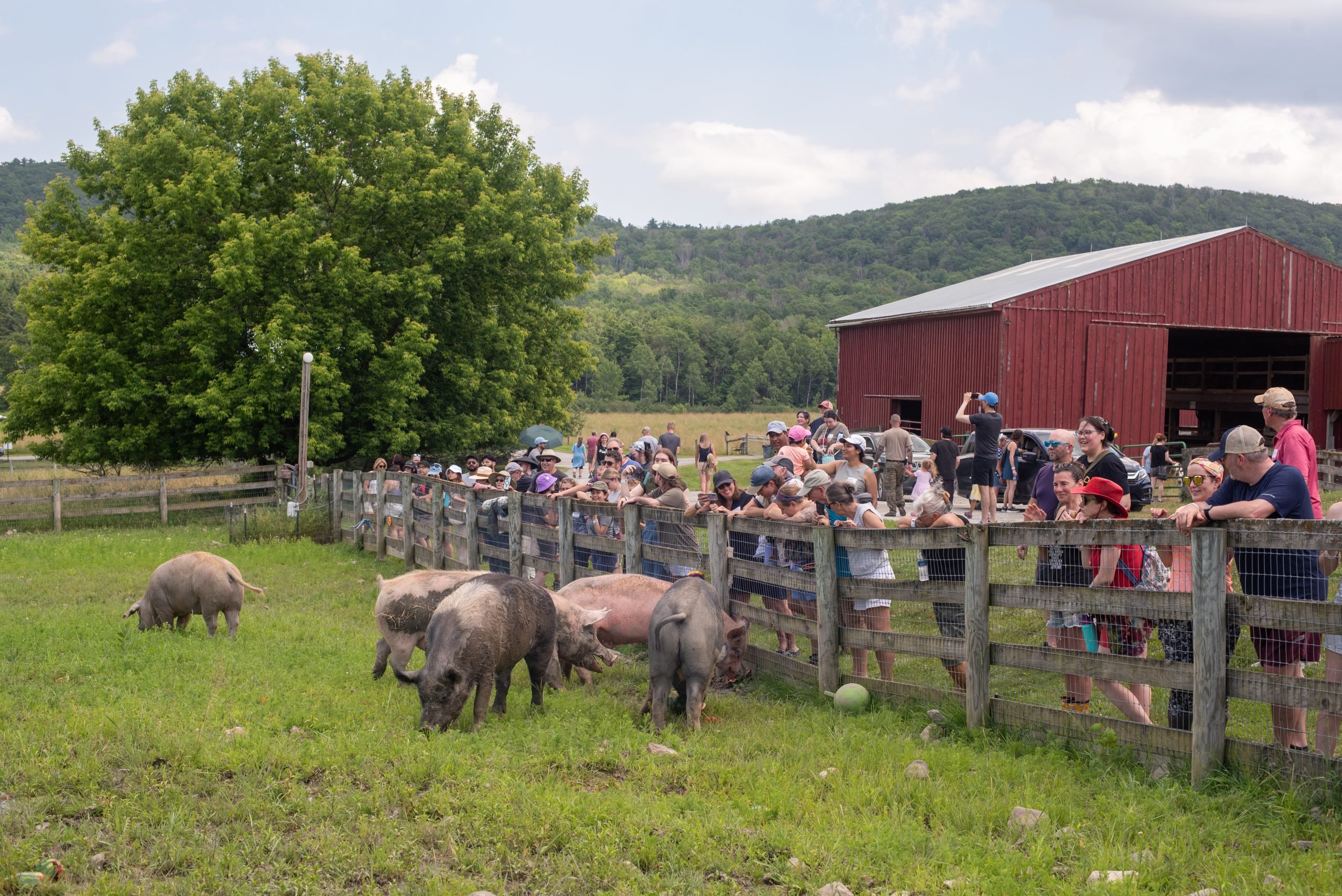
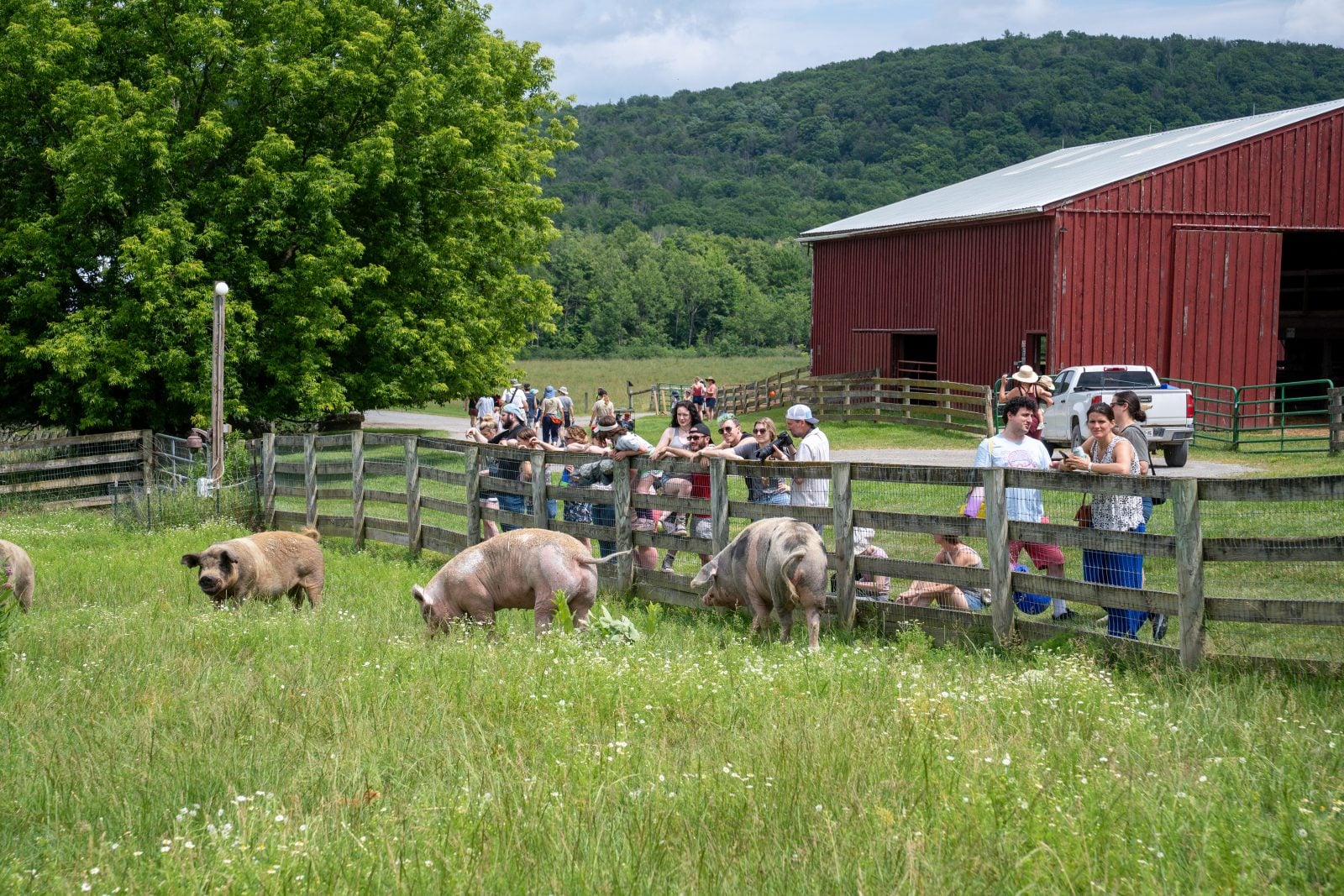
By centering the event on the "pig"—an animal often subjected to the most intense confinement in industrial agriculture—Farm Sanctuary aimed to humanize those whom society typically categorizes as commodities. The sight of guests watching rescued pigs grazing on watermelon in the pastures provided a stark, heartwarming contrast to the imagery of industrial gestation crates.
A Chronological Journey Through Pignic 2026
The day unfolded as a tapestry of education, entertainment, and community-building:
- Morning Marketplace: The event opened with a curated artisan market. Local vendors, including Ithaca Breadworks, Aurora Bath & Beauty, and SPS Pottery Studio, showcased goods that emphasized sustainability and ethical consumerism.
- The Power of Partnership: Attendees heard from Ethan Brown, founder of Beyond, who discussed the evolution of plant-based protein and its role in disrupting the traditional meat industry.
- Historical Reflection: A centerpiece of the day was the tribute to the sanctuary’s roots. A vintage Volkswagen van, famously used by co-founder Gene Baur in the 1980s to sell vegan hot dogs outside Grateful Dead concerts, served as a symbolic reminder of the movement’s grassroots origins.
- Culinary Showcase: The lunch service featured a full plant-based barbecue provided by Beyond. The menu—macaroni and cheese, baked beans, potato salad, coleslaw, and various sausages and steaks—challenged the notion that traditional American summer food requires animal products.
- Interactive Education: In a new initiative for 2026, the sanctuary introduced a kids’ read-aloud session featuring "Gwen the Rescue Hen," led by award-winning educator Mercy Mize.
- Hands-On Stewardship: Guests were invited to participate in the "Enrichment Workshop," where they crafted veggie kebabs and treat dispensers for the sanctuary’s rescued birds, offering a tangible look at the daily labor of animal care.
Supporting Data: The Evolution of the Movement
When Gene Baur began his work in 1986, the concept of "farm animal sanctuary" was virtually nonexistent. Today, Farm Sanctuary is at the forefront of a global shift in food systems.
The economic and cultural data regarding plant-based alternatives supports the sanctuary’s mission. In 2026, the plant-based meat market is no longer a niche industry; it is a multi-billion-dollar sector that has forced a conversation about supply chain sustainability. By hosting events like Pignic, Farm Sanctuary bridges the gap between high-level food policy and personal, empathetic connection.
The event’s reliance on local vendors also highlights the importance of regional food economies. By supporting artisans like One Love and Montour Falls Tea Company, the sanctuary demonstrates that sustainable living is not just a global goal, but a local, actionable practice.
Official Responses: 40 Years of Advocacy
President and Co-founder Gene Baur utilized the Pignic platform to look backward at the movement’s progress and forward to the work remaining.
"When we started 40 years ago, we were trying to shed light on a system that operated in the dark," Baur noted during his address. "Today, we aren’t just revealing the abuses; we are building the blueprint for a new, sustainable food system. Every person here today is part of the architecture of that future."
Baur’s reflections were bolstered by the presence of Ethan Brown, whose company has become synonymous with the modern push toward replacing animal-derived proteins. Brown emphasized that the transition away from factory farming is not just an ethical imperative but a logistical one, citing the efficiency of plant-based systems in a world grappling with climate change and resource scarcity.
The Implications: Moving Beyond the Pignic
The success of Pignic 2026 carries significant implications for the future of animal rights advocacy. By focusing on "compassionate community," Farm Sanctuary is successfully moving away from the "guilt-based" messaging that characterized early animal rights activism and toward a "values-based" invitation to participate in a kinder world.
The Educational Shift
The inclusion of professional humane education—exemplified by Mercy Mize’s work—marks a shift toward generational change. By engaging children through literature and tactile animal care, the sanctuary is fostering a demographic that will view farm animals as sentient beings rather than food items.
Impact of Enrichment Activities
The "Enrichment Workshop" was more than a fun activity; it was a lesson in biological needs. By teaching guests how to create treat dispensers for birds or veggie kebabs for pigs, the sanctuary educates the public on the complex psychological and physical needs of farm animals—needs that are systematically denied in factory farming environments.
What Lies Ahead: The Road to Hoedown
The momentum from Pignic will be carried forward into the upcoming "Hoedown: 40 Years," scheduled for August 15-16, 2026. If Pignic was the intimate summer gathering, Hoedown is intended to be the movement’s grand summit.
The event promises to be a comprehensive gathering of movement leaders, storytellers, and musicians. It will offer a deeper, behind-the-scenes look at the sanctuary’s operations, providing a rare opportunity for the public to understand the logistical realities of housing, feeding, and rehabilitating hundreds of rescued animals.
A Call to Action
As the sun set on the Watkins Glen pastures, the message was clear: the fight against factory farming is a marathon, not a sprint. The 200 attendees who gathered on July 4th represent a growing cohort of citizens who are choosing to vote with their values.
The question for the next 40 years, according to the sanctuary’s leadership, is not whether the food system will change, but how quickly that change can be implemented to prevent further suffering. Through events like Pignic, Farm Sanctuary is ensuring that the answer is "as quickly as possible," one guest, one meal, and one rescued animal at a time.
For those inspired by the Pignic experience, the invitation to join the "Hoedown" is not merely an invitation to a party; it is an invitation to join a historic transition in human culture. As the sanctuary enters its fifth decade, the focus remains constant: a world where "farm animals" are recognized not by their utility to humans, but by their inherent right to live free from the shadow of the factory farm.
For more information on upcoming events and to register for the 40th Anniversary Hoedown, visit the official Farm Sanctuary website.

 Sagoh
Sagoh