

 Dwi Wanna
 Nana Wu
 Muslim
 Reynand Wu
 Ammar Sabilarrohman
 Laily UPN
As the calendar turns to May, the agricultural landscape across North America undergoes a profound transformation. For farmers and market gardeners, this month represents a critical window of opportunity. Whether managing a large-scale operation in a climate with scorching summers or working a shorter, cooler season in the north, May is the time to finalize crop selection and establish the foundation for a productive harvest.
The success of a May planting schedule depends on a delicate balance between environmental conditions, local climate history, and economic objectives. While weather remains the primary driver of planting dates, modern agricultural techniques—such as row covers, high tunnels, and strategic mulching—provide the flexibility needed to push boundaries. By aligning crop choices with both the specific needs of the farm and the demands of the local market, growers can optimize their output and profitability.
The Strategic Importance of May Planting
May is often viewed as the "pivot point" of the agricultural year. It is the month where the transition from spring preparation to full-scale summer production is cemented. For the professional grower, this period is not merely about burying seeds; it is about strategic planning.
Economic and Operational Considerations
When planning what to plant, farmers must prioritize the farm’s specific needs. If the goal is to maximize revenue at the market stand, the focus should remain on crops with a proven track record of success in the region. However, there is inherent value in calculated experimentation. Dedicating a small portion of acreage to an "atypical" crop can yield significant long-term benefits. Beyond the potential for a new revenue stream, experimenting with new varieties fosters resilience, enhances soil management knowledge, and offers a competitive edge in the local marketplace.
Chronology of the Planting Window
The timing of May planting is rarely uniform. Instead, it follows a logical progression based on soil temperature and day length.
Early May: Setting the Foundation
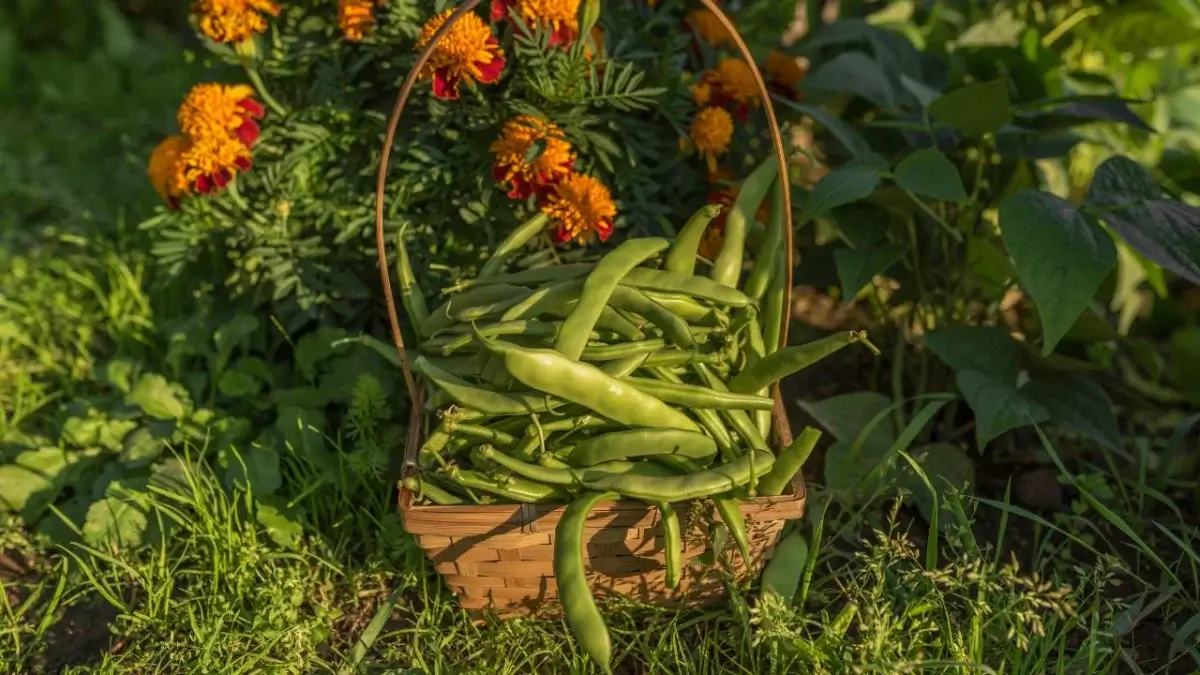
In the early weeks of the month, the primary focus is on crops that require a long growing season or are hardy enough to withstand lingering cool nights. This is the ideal time to transplant solanaceous crops like eggplants and to begin the direct sowing of hardier grains and certain legumes.
Mid-May: The Heat-Lovers
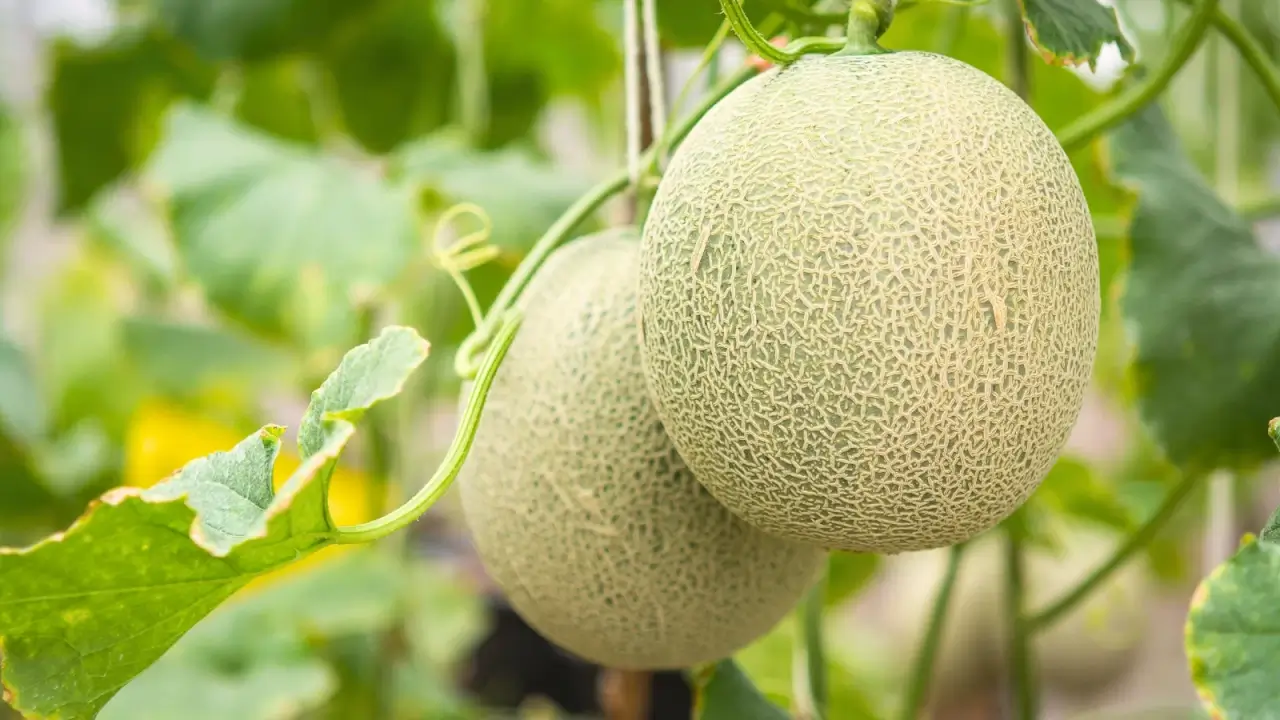
As the soil warms, the window opens for the "heavy hitters" of summer production. Melons, okra, and heat-loving beans should be established during this period. The objective here is to ensure these plants are well-rooted before the intensity of the summer solstice.
Late May: Succession and Long-Season Crops
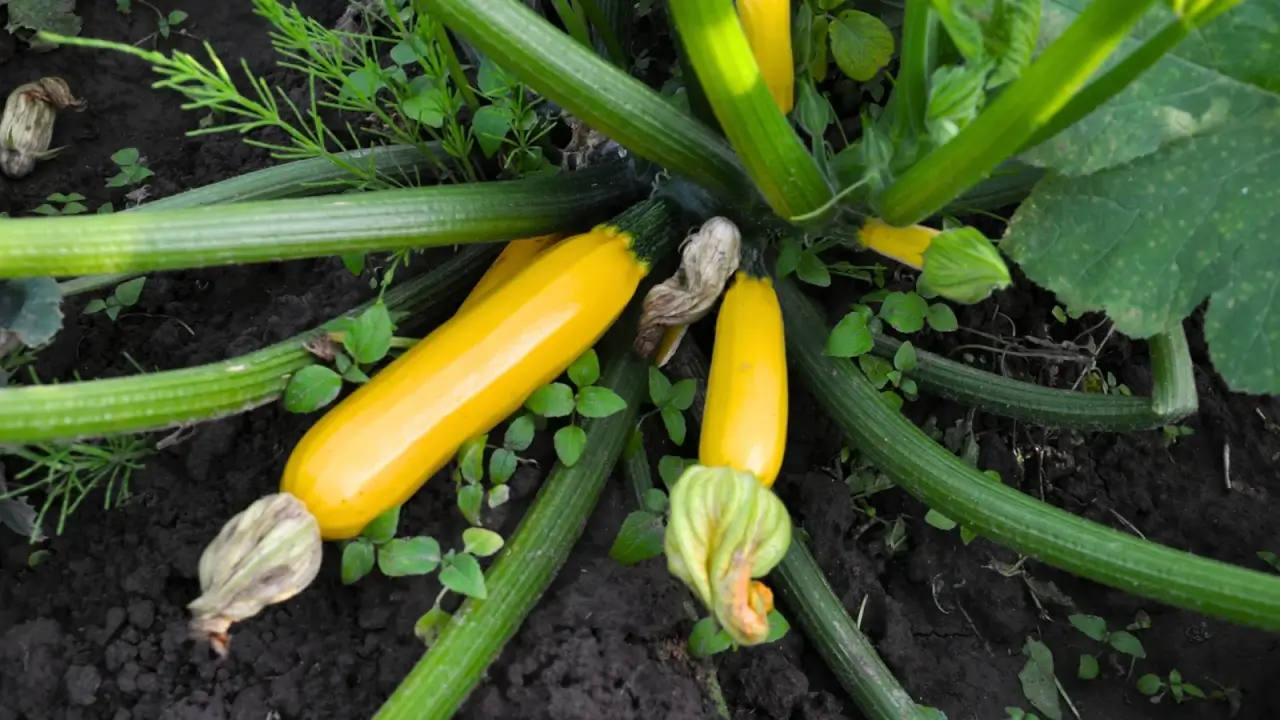
By the end of the month, farmers in cooler climates are finalizing their winter squash and corn plantings, while those in southern regions are looking toward successional sowings of summer squash to ensure a continuous harvest.
Essential Crops for the May Landscape
1. Melons: The Sun-Seekers
Cantaloupe, watermelon, and honeydew are quintessential May crops. These vines thrive when allowed to sprawl or climb. To maximize yields, they require consistent moisture and a steady supply of nutrients; a diluted, balanced fertilizer applied weekly can trigger explosive growth.
- Regional Strategy: Coastal farms often find success with watermelons, as the sandy, well-draining soils and wind tolerance are ideal for their development. In contrast, rich, loamy soils are better suited for musk melons.
2. Eggplant: The Case for Transplants
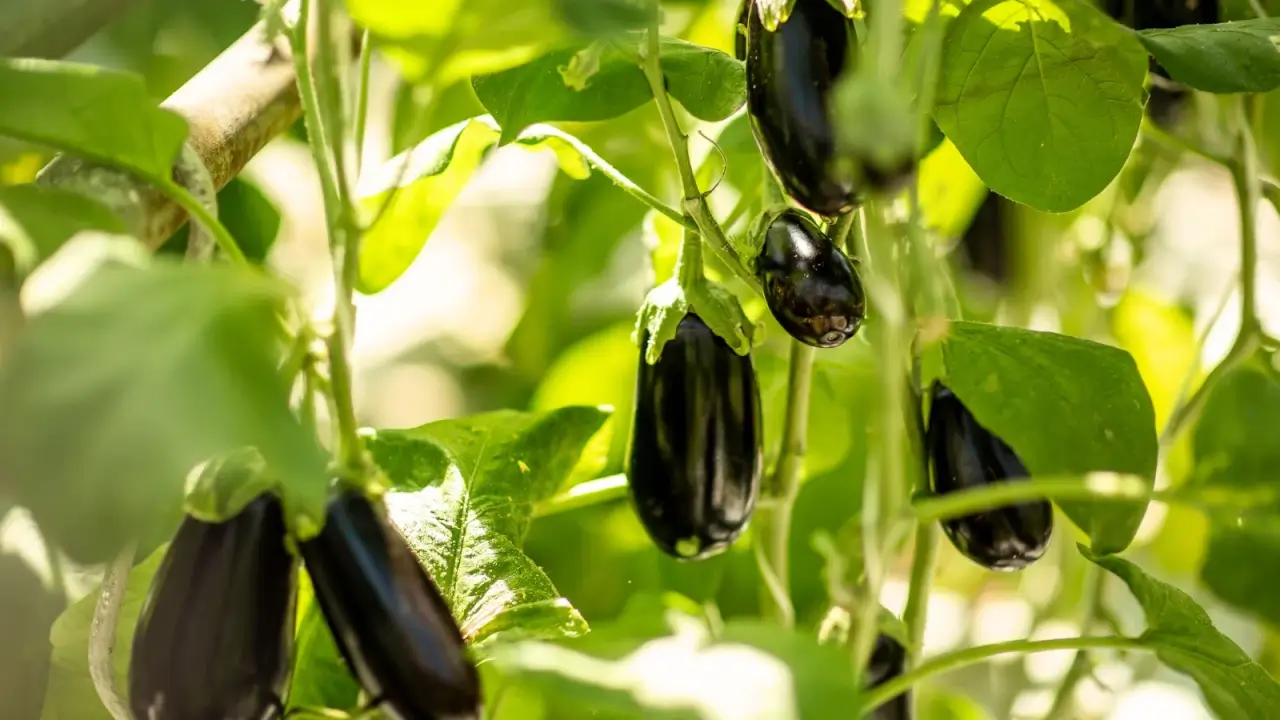
Unlike many crops that thrive on direct seeding, eggplants almost always require transplanting for professional-grade yields. With a maturity window of at least ten weeks, getting a head start is essential. Varieties such as ‘Epic’ are prized for heavy production in heat, while ‘Orient Express’ is a reliable performer in regions where summer temperatures may fluctuate and struggle to hit the optimal 75–85°F range.
3. Okra: The Heat-Resilient Powerhouse
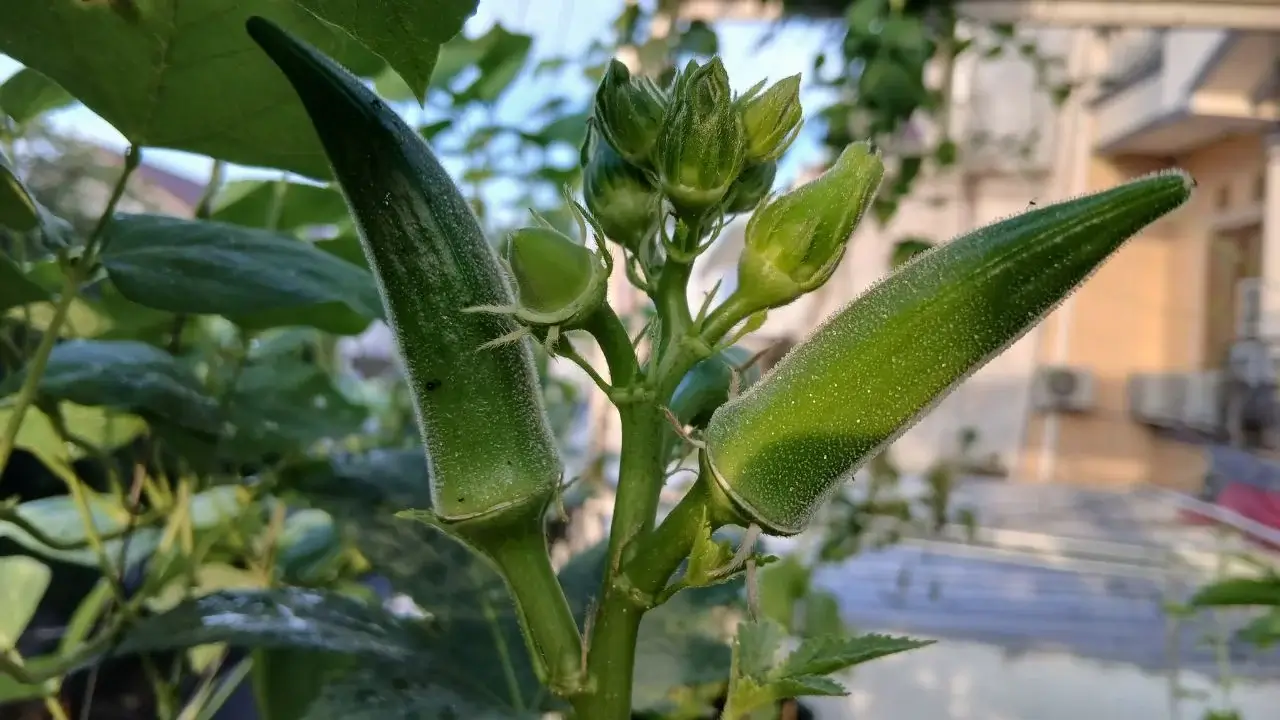
Okra is synonymous with summer heat. In regions where temperatures remain high, okra is an exceptionally reliable producer. The primary challenge for many growers is the harvest; choosing spineless varieties like ‘Clemson Spineless 80’ significantly reduces labor time and irritation during the harvest process.
4. Corn: A Staple with Requirements
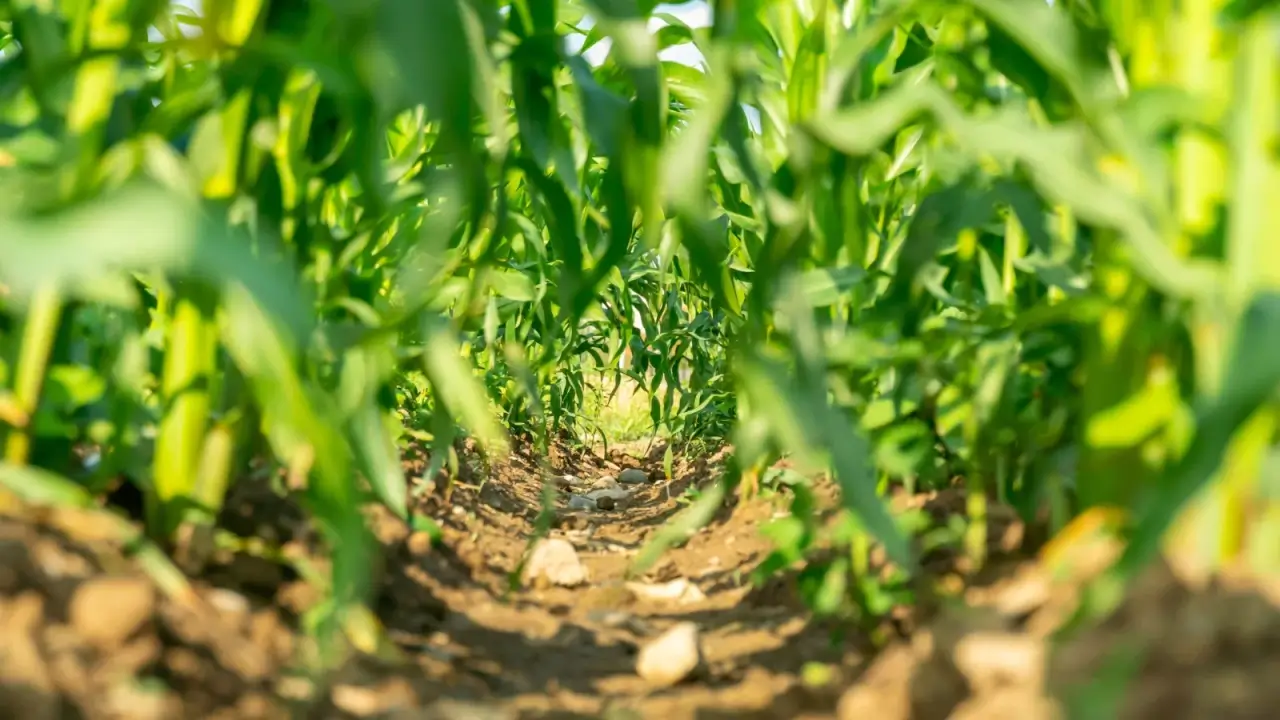
Growing corn—whether sweet, dent, or popcorn—requires significant space and a commitment to a minimum two-and-a-half-month growing season. Modern farmers are increasingly turning back to heirloom, open-pollinated varieties to preserve agricultural heritage. These grains are not just for consumption; they are historical assets that offer unique flavors and textures that commercial hybrids often lack.
5. Beans: Versatility in Variety
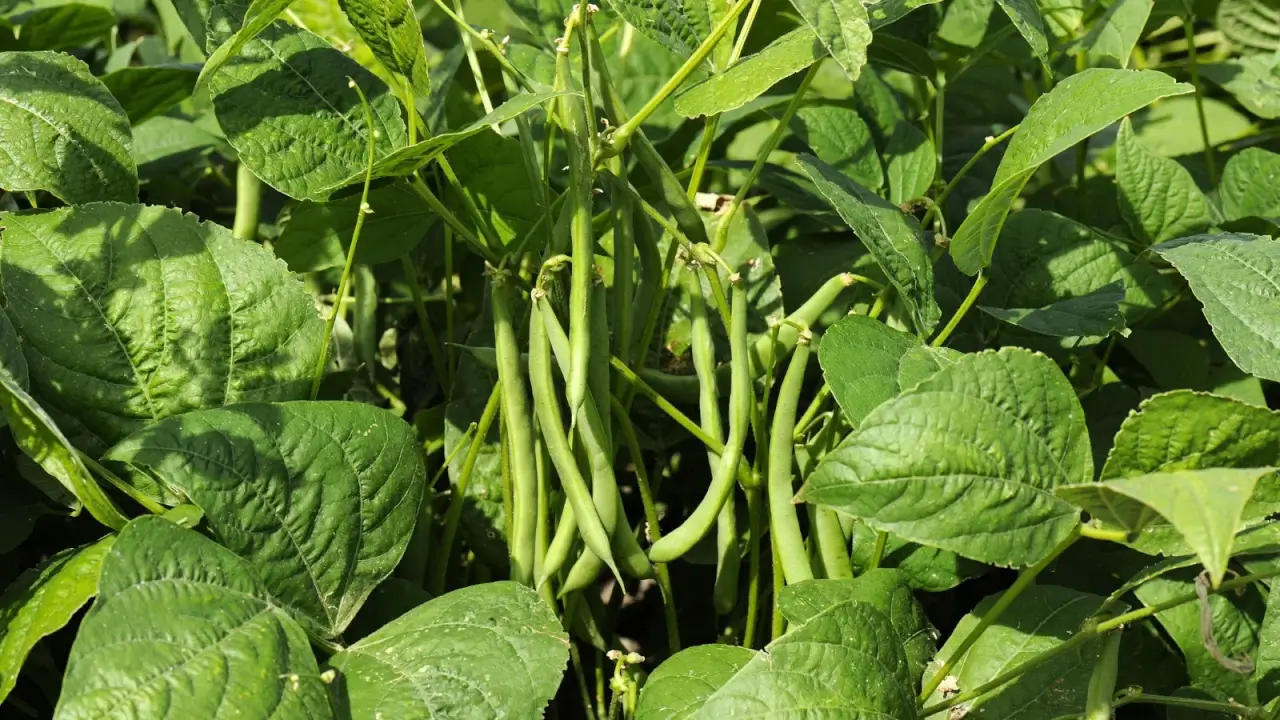
Beans are perhaps the most versatile crop in the May arsenal.
- Cool-Climate: Fava beans provide a robust harvest in regions with shorter, milder summers.
- Hot-Climate: Cowpeas and butter beans thrive in the intense heat.
- Arid-Climate: The Southwest has long celebrated tepary beans, a crop uniquely adapted to low-moisture environments and extreme diurnal temperature swings.
Supporting Data: Optimizing Growth Through Diversity
A farm is an ecosystem, not a factory. Integrating flowers into the vegetable production cycle is one of the most effective ways to manage pests and boost yield.
- Pollinator Support: Sunflowers, zinnias, and cosmos serve as magnets for beneficial insects. These pollinators are essential for high-yield fruit production in orchards and market gardens.
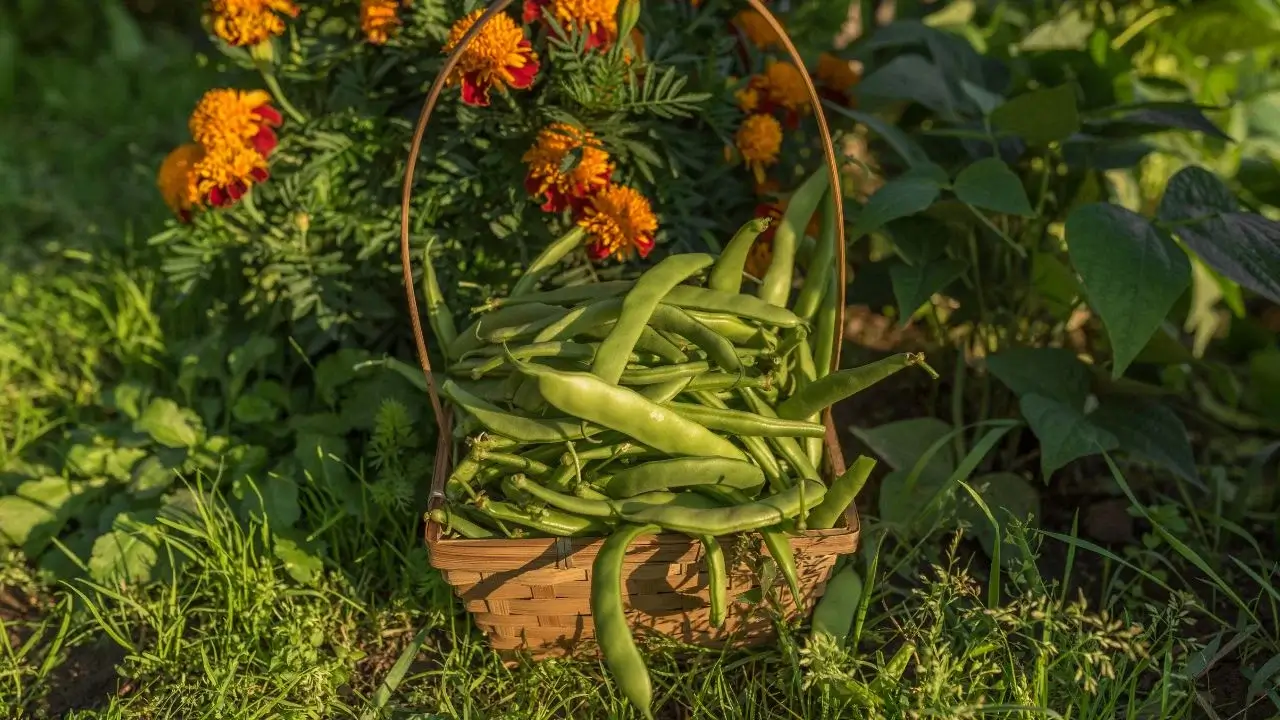
- Pest Control: Mixing marigolds and borage into the landscape acts as a natural deterrent for many common agricultural pests, reducing the need for chemical interventions.
- Dahlia Management: For farms in temperate zones, May is the deadline for planting dahlia tubers. Ensuring these are in the ground as soon as the soil is workable is the difference between a mid-summer display and a late-season gamble.
Implications for a Resilient Food System
The transition into May marks a moment of reflection for the modern agricultural sector. As climate patterns become more erratic, the "tried and true" methods of the past are being augmented by data-driven decisions and a return to indigenous agricultural wisdom.
Sustainability and Innovation
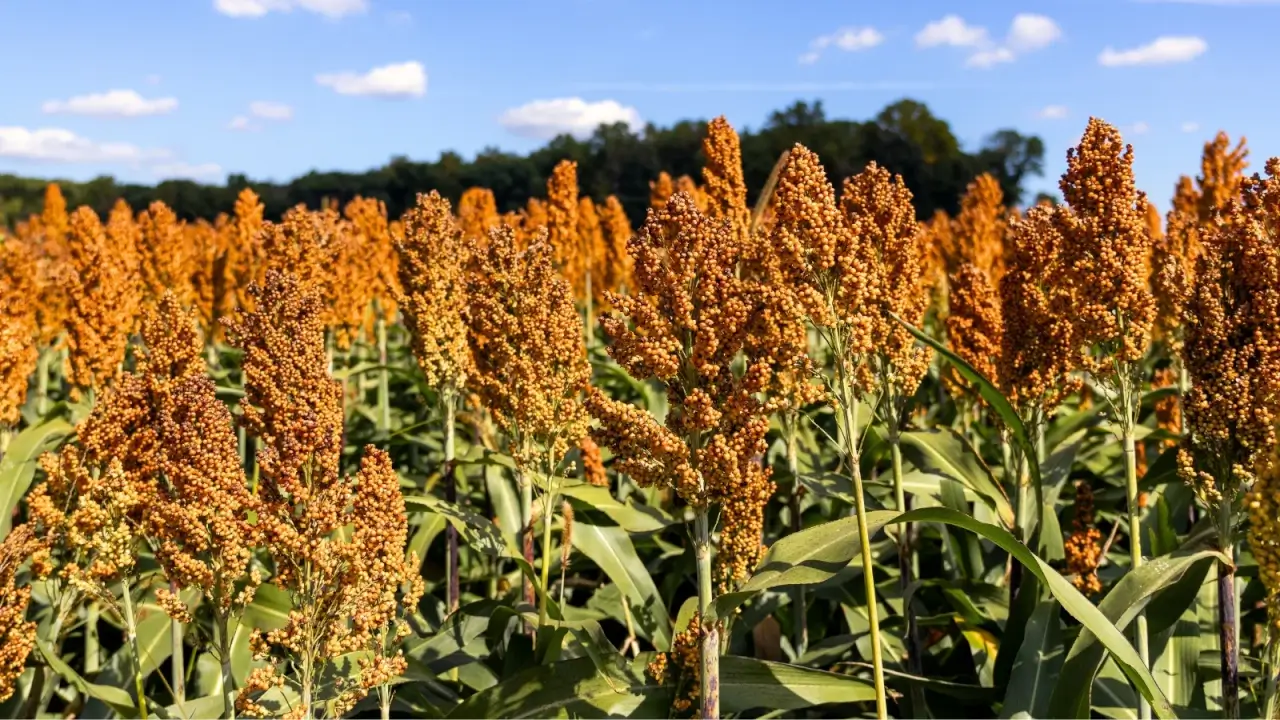
The move toward growing orphan crops or niche varieties—such as specific grains like sorghum or amaranth—reflects a broader shift toward food system resilience. Sorghum and millet, in particular, are becoming focal points for dryland farming, as their ability to sequester carbon while thriving in arid conditions makes them an ideal crop for a changing climate.
Actionable Solutions for the Farmer
For those looking to lower costs while increasing output, the focus must shift from "what can I grow" to "what is the most efficient use of my specific microclimate." By using the following framework, farmers can ensure a more productive season:
- Assess Soil Health: Ensure nitrogen levels are appropriate for the high-demand crops like corn and melons.
- Monitor Maturity Windows: Cross-reference seed packet data with the anticipated date of the first fall frost.
- Prioritize Diversity: Avoid monocropping. The inclusion of flowers, legumes, and grains creates a biological buffer that protects the farm from total crop failure.
Conclusion: The Path Forward
May is a month of immense labor, but it is also a month of profound potential. By selecting the right varieties, preparing the soil with intention, and embracing the diversity of crops that thrive in the heat, growers set the trajectory for their entire year. Whether you are managing a small-scale operation focused on local farmers’ markets or a larger, diversified farm, the decisions made this month will define the resilience of your harvest.
As the industry continues to evolve, the integration of traditional knowledge—such as the cultivation of heirloom corn or indigenous bean varieties—with modern, science-based soil management will be the hallmark of the successful 21st-century farm. Keep your focus on the soil, your eyes on the weather, and your plans flexible. The bounty of the late summer begins with the work you do today.


 Sagoh
Sagoh