

 Raul Delapena Setiawan

 Ammar Sabilarrohman
 Lina Irawan
 Suro Senen
 Jia Lissa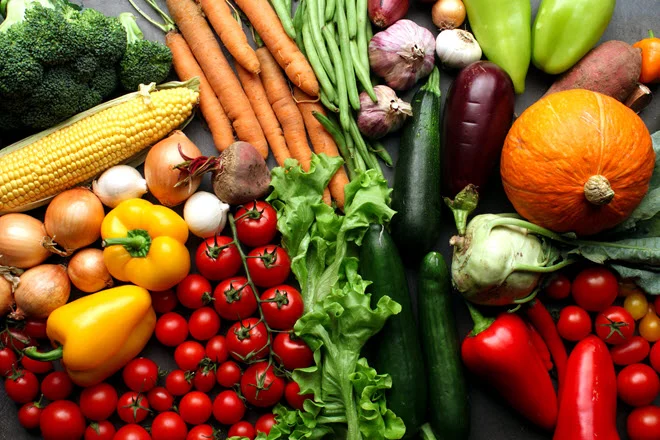
Despite being one of the most prosperous nations in the world, the United States grapples with a persistent, often invisible challenge: widespread food insecurity. While grocery store shelves are overflowing and agricultural output remains at an all-time high, millions of Americans struggle to secure consistent access to nutritious meals. This systemic issue is not a failure of supply, but a direct consequence of poverty, income inequality, and the rising cost of living.
To address this, citizens are increasingly turning to grassroots advocacy, food drives, and community-based intervention programs. This guide explores the dimensions of American hunger and provides a roadmap for individuals and organizations looking to make a tangible difference.
Understanding the Landscape: The Reality of Food Insecurity
The United States Department of Agriculture (USDA) defines "food insecurity" as a household-level economic and social condition of limited or uncertain access to adequate food. It is crucial to distinguish this from the occasional hunger one might feel between meals. Food insecurity is a chronic state of anxiety regarding when the next meal will arrive or whether that meal will be nutritionally sufficient.
The Scope of the Problem
Data from recent years paints a sobering picture. Millions of households—comprising both working adults and vulnerable children—regularly face the reality of empty cupboards. The correlation between poverty and food insecurity is absolute; as economic volatility rises, so does the demand on local food banks.
Children are the most heartbreaking demographic in this equation. When a child experiences food insecurity, it affects their cognitive development, academic performance, and long-term health. The mission to eradicate this, therefore, is not merely an act of charity—it is a vital investment in the nation’s future workforce and social stability.
Chronology of Action: How to Mobilize Your Community
Organizing a successful food drive or community event requires a structured approach. It is not enough to simply place a box in a hallway; effective advocacy requires planning, outreach, and consistent follow-through.
Phase 1: Strategic Planning (Weeks 1-2)
Begin by identifying your goals. Are you looking to hold a small, high-impact drive at your office, or a large-scale community-wide event?
- Define the scope: Evaluate the communication channels available to you. If you have access to a company-wide email list or a neighborhood social media group, leverage it.
- Form a committee: Do not work in isolation. Recruit a core team of volunteers, assigning specific roles such as "Advertising Lead," "Logistics Coordinator," and "Donation Sorter."
- Contact the beneficiary: Before collecting a single item, call your local food bank or pantry. Ask them specifically what they need. Often, they are overflowing with canned green beans but severely lacking in protein sources like peanut butter or shelf-stable milk.
Phase 2: Execution and Promotion (Weeks 3-6)
Once the framework is set, the focus shifts to awareness and collection.
- The Power of Branding: A catchy slogan and a visually appealing poster campaign can significantly boost participation. Consider a poster contest to engage local schools or community centers.
- Diversify Methods: Move beyond the standard cardboard box. Try "Fill-the-Truck" challenges, where the goal is to pack a local delivery vehicle to the brim, or "$5 Parties," where attendees are encouraged to spend a small, set amount on specific high-need items.
- Leverage Digital Tools: Utilize social media to post daily updates. Showing progress toward a numerical goal (e.g., "We are 40% of the way to our 1,000-pound goal!") creates momentum and accountability.
Phase 3: The Event and Follow-up (Week 7+)
The conclusion of your drive should be celebrated. Publicly thank your volunteers and donors, and share the final results with the community. Providing transparency—showing exactly how many families were helped—encourages those same people to participate in your next event.
Supporting Data: What Moves the Needle?
When organizing a drive, understanding the "nutrition-to-cost" ratio is essential. While donors are often encouraged to give "whatever they have," targeted donations yield higher utility for the recipient.
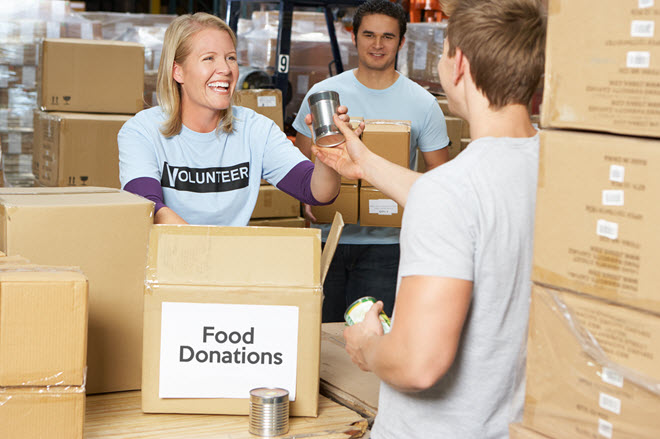
- The Protein Gap: Protein is the most expensive item for food banks to purchase. Donations of canned tuna, chicken, salmon, peanut butter, and dried beans are gold standards.
- Shelf-Stable Essentials: Macaroni and cheese, rice, pasta, and canned soups (specifically beef stew or chili) provide the caloric density necessary for families in crisis.
- The "Hidden" Needs: Don’t forget non-food items. Personal hygiene products, diapers, and even pet food are frequently requested but rarely donated in sufficient quantities.
Official Perspectives: The Role of Advocacy
Major hunger-relief organizations, such as Feeding America and local regional food banks, emphasize that food drives are a "bridge" solution. While they provide immediate relief, the official stance of these organizations is that systemic policy change is the ultimate goal.
Advocates argue that local food drives also serve as educational platforms. By participating in a food drive, individuals are often exposed to the reality of their neighbors’ situations for the first time. This awareness often leads to greater support for broader anti-hunger legislation, such as the expansion of the Supplemental Nutrition Assistance Program (SNAP) and the Strengthening of school lunch programs.
Beyond the Can: Creative Alternatives
If a traditional food drive feels too conventional, there are numerous "outside the box" methods to combat hunger:
- Community Kitchens: Instead of collecting food, donate your time. Serving a meal at a soup kitchen allows you to see the direct impact of your efforts.
- The "Birthday Pledge": Request that guests at your birthday or anniversary party bring a bag of groceries to donate in lieu of traditional gifts.
- Skill-Based Volunteering: If you are a chef, offer a cooking class where the "fee" is a donation of non-perishables. If you are a social media expert, offer to manage the Facebook page for a local pantry.
- Community Gardens: For those with a green thumb, growing fresh produce to donate to a local shelter is one of the most effective ways to provide high-quality nutrition to those who need it most.
Implications and Long-Term Impact
The impact of a single food drive extends far beyond the immediate delivery of goods. It fosters a culture of empathy and social responsibility. When a community realizes that hunger is not a distant, abstract problem but a local reality, the social fabric strengthens.
The Ripple Effect
When you hold a successful event, you are not just filling a shelf; you are creating a network of informed citizens. These individuals are more likely to vote for policies that support food security, more likely to donate money during off-peak times, and more likely to advocate for their neighbors in need.

Conclusion: Taking the First Step
The challenge of hunger in America is massive, but it is not insurmountable. It is a problem comprised of millions of individual gaps that can be closed by millions of individual actions. Whether you are organizing a neighborhood food drive, volunteering at a local pantry, or simply becoming more intentional about the items you donate, your contribution matters.
Start small if you must, but start today. The most effective hunger advocate is not the one with the biggest budget, but the one who remains consistent, compassionate, and committed to the belief that in a country of plenty, no one should go to bed hungry.
Recommended Resources for Further Advocacy
- Feeding America: The nation’s largest domestic hunger-relief organization. Visit their website to find a local food bank in your area.
- USDA Food and Nutrition Service: Access official data, research, and policy updates regarding national food insecurity levels.
- Local Community Foundations: Often act as a hub for connecting volunteers with non-profits in specific geographic regions.
- The Culinary Schools Network: Explore resources on nutrition, food preparation, and how to maximize the value of donated goods.

 Evan Lee Salim