Raul Delapena Setiawan

 Ammar Sabilarrohman
 Lina Irawan
 Suro Senen
 Siti Muinah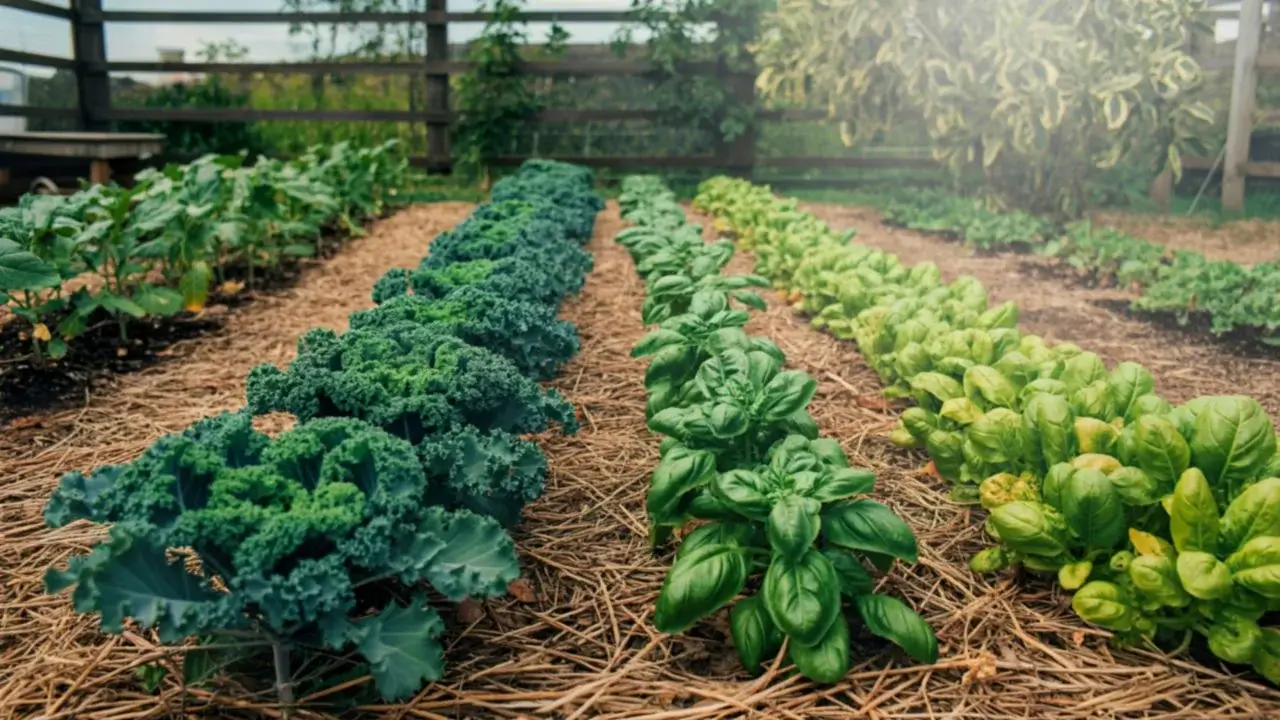
For the modern small-scale farmer, the growing season is not a singular event but a series of overlapping cycles. To move beyond the traditional "plant-and-harvest" model is to unlock the true potential of one’s land. Succession sowing—the practice of continuously seeding and replanting throughout the season—has evolved from a simple gardening trick into a sophisticated pillar of regenerative agriculture and financial stability. By staggering plantings, farmers can ensure a constant supply of produce, maximize limited square footage, and significantly bolster their bottom line.
The Fundamentals of Succession Sowing
At its core, succession sowing is an exercise in time management and biological logistics. It requires the grower to view the season as a fluid timeline rather than a static block of time. When executed with precision, this method transforms a farm from a "one-and-done" operation into a perpetual production engine.
The primary benefit for the commercial grower is the smoothing of revenue peaks and valleys. Instead of flooding the local market with a singular, massive harvest of lettuce that risks spoilage, the succession-sowing farmer provides a steady, reliable flow of inventory. This consistency builds customer loyalty, stabilizes cash flow, and reduces the immense physical labor spikes associated with massive, singular harvests.
Chronology: The Seasonal Roadmap
Successful succession sowing is predicated on a deep understanding of "days to maturity" (DTM) and the specific climatic windows of a farm’s geography.
Early Season: The Rapid Starters
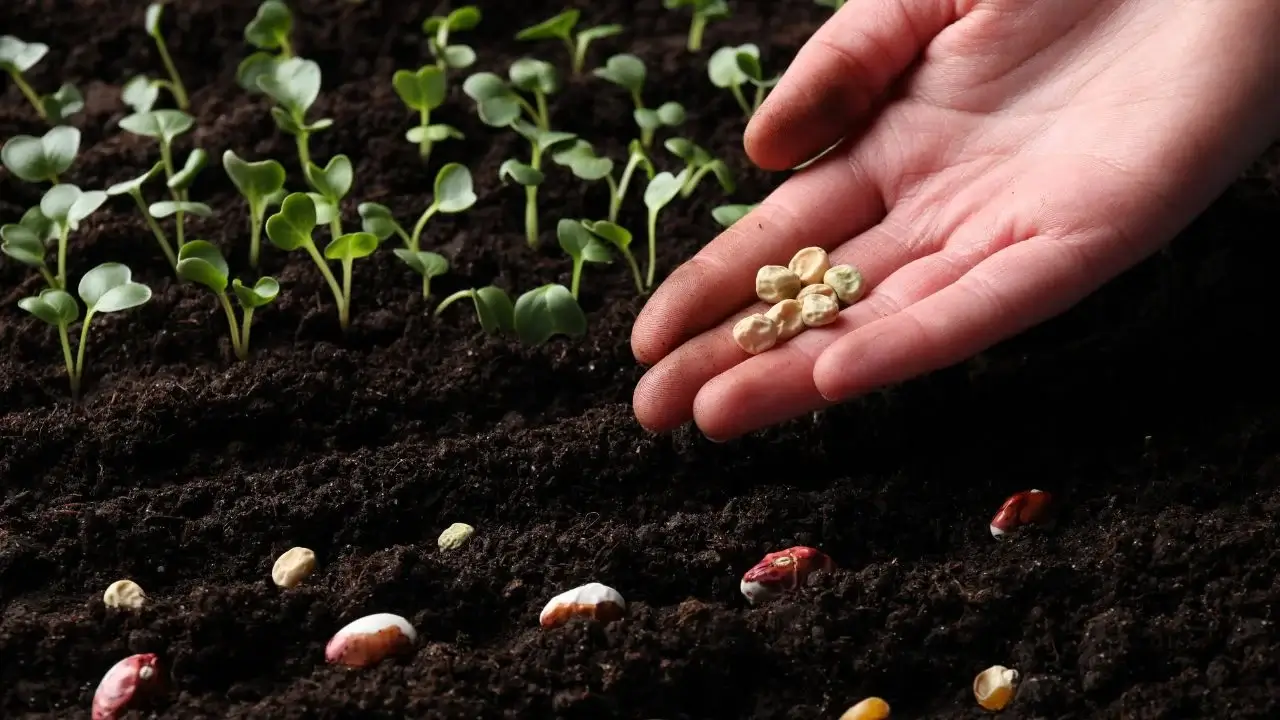
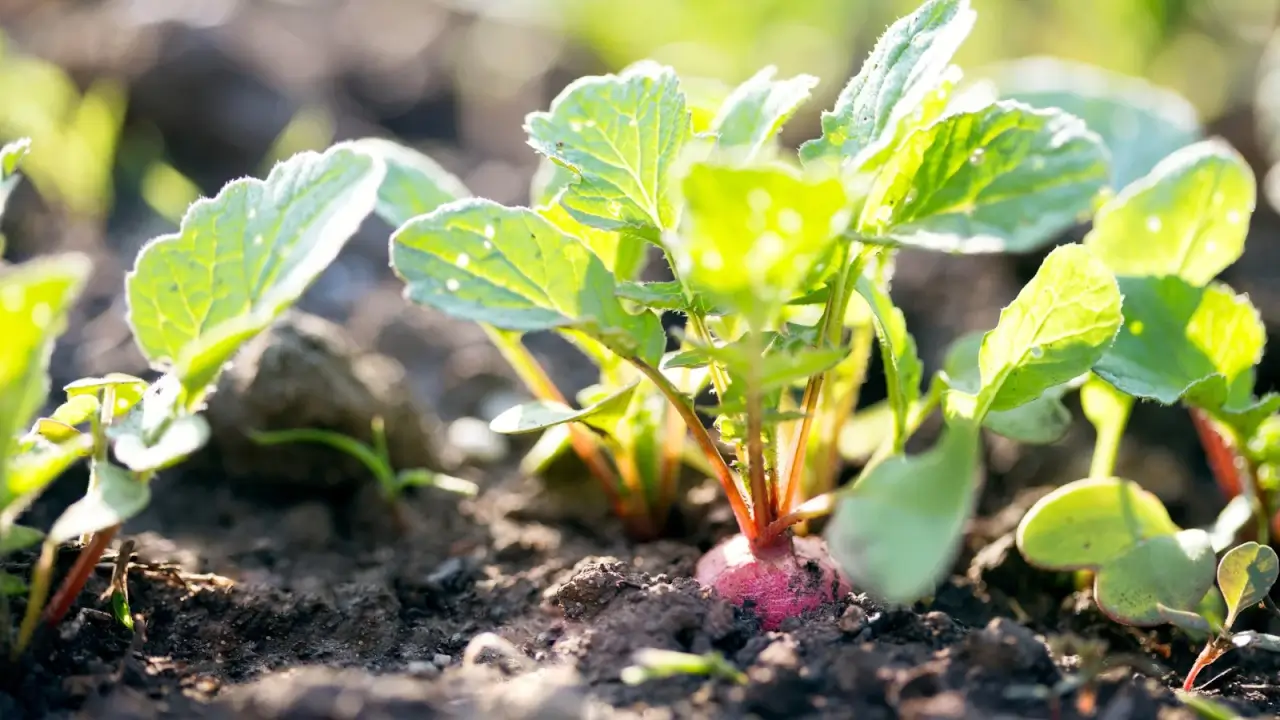
The season typically begins with cool-weather crops. Radishes, baby spinach, and salad greens are the "entry-level" crops for succession farmers. Because these crops mature in as little as 25 to 45 days, they can be rotated through the same bed three or four times before the summer heat arrives. The goal here is to establish a rhythm: as soon as one row is harvested, the next is prepped, amended, and seeded.
Mid-Season: The Bridge Builders
As temperatures rise, the focus shifts to heat-tolerant varieties. Beans, summer squash, and certain cultivars of kale serve as bridge crops. By planting these in three-week intervals, a farmer ensures that while the first planting may begin to decline due to pest pressure or exhaustion, the second and third plantings are entering their peak production phase.
Late Season: The Closing Act
As the light wanes and soil temperatures drop, the final cycle begins. Hardy greens, root vegetables like carrots and parsnips, and late-season brassicas take the stage. Using season extension tools—such as cold frames, low tunnels, and frost blankets—farmers can often push their harvest deep into the winter months, capturing premium prices for "off-season" produce.
Supporting Data: Maximizing Yields and Soil Health
Data from intensive market gardens suggest that succession sowing can increase total seasonal yield per square foot by 30 to 50 percent compared to single-crop methods. However, this productivity comes with a caveat: the soil must be treated as a finite resource that requires constant replenishment.
- Nutrient Cycling: Continuous cropping depletes nitrogen, phosphorus, and potassium at an accelerated rate. Farmers must employ a strict crop rotation schedule. For example, following a heavy-feeding crop like brassicas with a legume (like beans or peas) allows the soil to recover nitrogen, effectively turning the "gap" between harvests into a biological recharge station.
- Compost Integration: Each time a succession is planted, the previous crop’s residues are incorporated back into the soil or moved to the compost pile. This maintains the organic matter content, which is essential for water retention—a critical factor when you are constantly germinating new seeds in potentially dry mid-summer soil.
Methodological Approaches to Succession
There is no "one size fits all" approach to succession. Depending on the size of the operation and the market demands, farmers generally utilize one of four distinct strategies.
1. The Interval Sowing Method
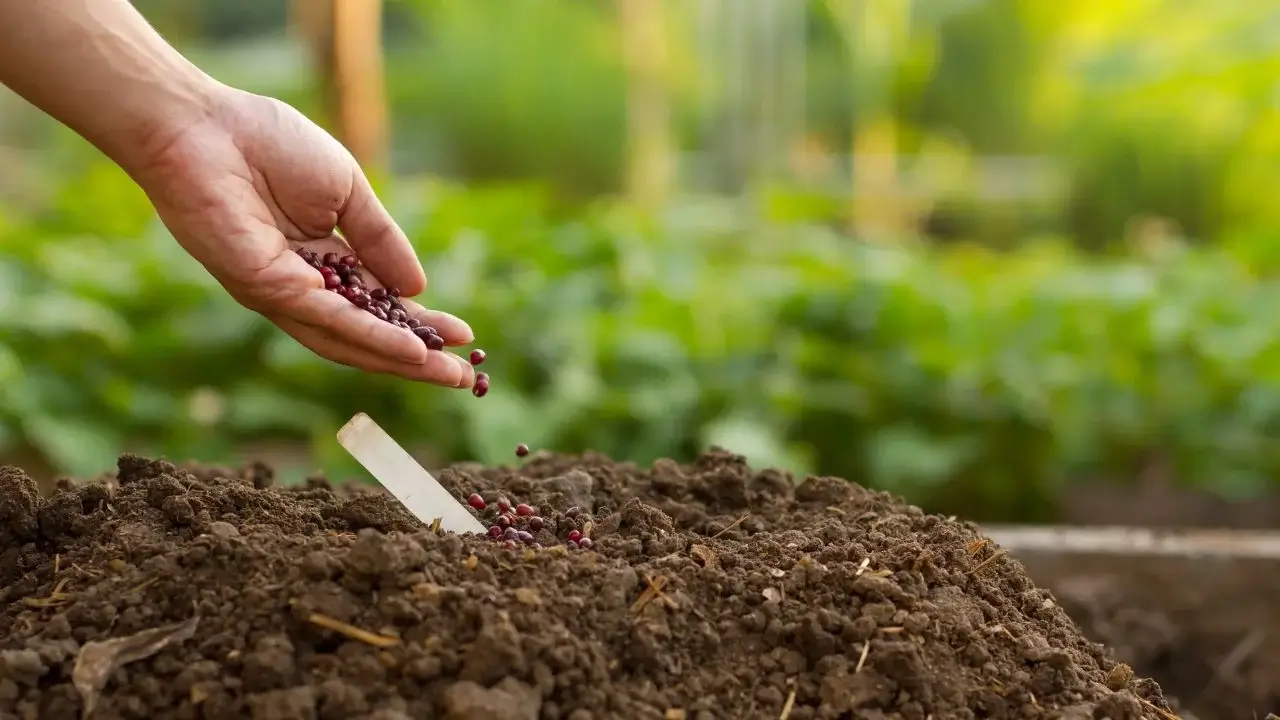
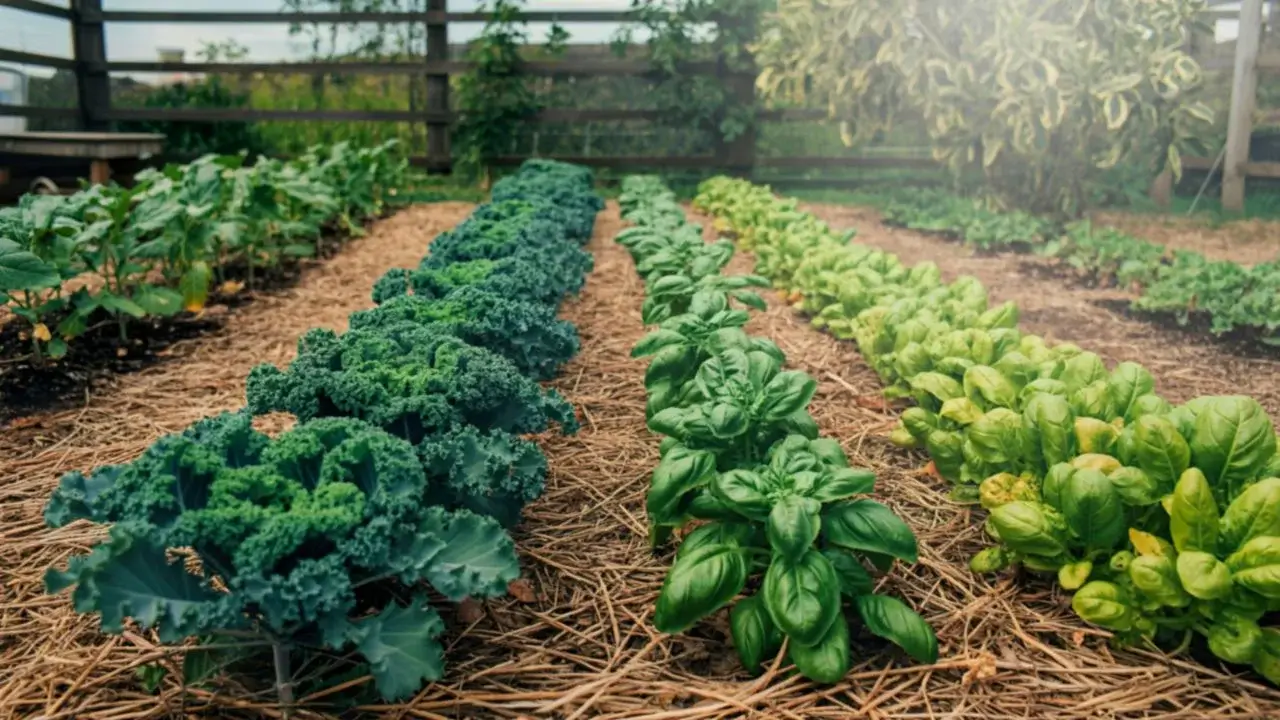
This is the most straightforward approach: sowing the same crop at specific intervals (e.g., every 14 days). This is best applied to crops with short harvest windows, such as cilantro, head lettuce, or bush beans. The key is to never sow the entire crop at once. By breaking a large order into four smaller, staggered sowings, you guarantee a continuous supply rather than a temporary glut.
2. The Space-Sharing Method (Successive Crops)
This method involves replacing an exhausted crop with a different species. For instance, after early-season peas are finished, the trellis is cleared and immediately replanted with fall cucumbers or snap beans. This ensures that the soil is never "fallow" and that the farmer is constantly generating value from the same footprint.
3. Intercropping and Timing
Intercropping—growing two or more crops in the same space—is a highly efficient form of succession. By planting a slow-growing, long-season crop (like tomatoes) alongside a fast-growing, short-season crop (like radishes or arugula), the farmer harvests the short-season crop long before the tomatoes need the full space. This "stair-step" planting approach optimizes sunlight and water usage.
4. Varietal Succession
For crops that require a long growing season—such as potatoes, onions, or tomatoes—interval planting is not always possible. In these cases, farmers use varietal succession. By selecting early-maturing, mid-season, and late-maturing varieties of the same crop, a farmer can harvest the same vegetable over a span of three to four months. This allows for a consistent presence at the market without sacrificing the quality or storage life of the harvest.
Implications for the Modern Farm
The implementation of these strategies carries significant implications for the farm business model.
Reducing Food Waste
One of the most persistent problems in small-scale farming is the "feast or famine" cycle. When a whole field of crops ripens simultaneously, labor availability and market capacity often cannot keep up, leading to significant food waste. Succession sowing acts as a natural buffer, allowing for smaller, more manageable harvests that align with local demand.
Pest and Disease Management
Continuous cropping can, if mismanaged, lead to a buildup of soil-borne pathogens. However, the intentionality required for succession sowing forces farmers to be more observant. By constantly inspecting the beds during the replanting process, growers are more likely to catch pest outbreaks or nutrient deficiencies early. Furthermore, the rapid turnover of crops often disrupts the life cycles of specific pests that require a stable host to thrive.
Economic Resilience
For the small farmer, diversity is the best insurance policy. A farm that relies on a single crop—or a single harvest window—is highly vulnerable to weather events, market fluctuations, and pests. Succession sowing builds a diverse, resilient operation that can weather a "bad" planting window because there is always another one coming right behind it.
Expert Perspectives and Future Outlook
Agricultural extensions and innovative farmers increasingly advocate for "systems-thinking" in production. The goal is to move from a reactive posture—where the farmer waits to see what happens—to a proactive, design-based approach.

"The most successful farms I visit are those that have stopped looking at the calendar and started looking at the soil," says one agricultural consultant. "When you know your soil temperatures and your specific microclimate, you can sequence your life and your labor to match the biological rhythm of your plants. That is where the profit lies."
As the demand for localized, high-quality, and sustainably grown produce continues to rise, the ability to supply that produce consistently throughout the year will be the defining trait of the successful small-scale farmer. Whether through the simple interval method or the complex, multi-varietal intercropping systems, succession sowing remains the most effective tool in the grower’s kit to ensure that the farm is not just productive, but sustainable for generations to come.
By refining these techniques, today’s growers are not only feeding their communities more efficiently—they are building a model for a more resilient, flavor-focused, and profitable future in agriculture.


 Azzam Bilal Chamdy