

 Azzam Bilal Chamdy
 Neng Nana
 Nana Muazin
 Dwi Wanna
 Raul Delapena Setiawan
 Siti Muinah
For many, the word "permaculture" conjures images of vast, sprawling rural estates or experimental off-grid communes. However, the movement is undergoing a significant shift as it moves from the fringe to the backyard. Brandy Hall, a leading permaculturalist and the founder of Shades of Green Permaculture, is at the forefront of this evolution, proving that the principles of regenerative land management are not only applicable but vital within the constraints of urban and suburban environments.
The Philosophy of Regenerative Land Stewardship
At its core, permaculture is a design philosophy that seeks to mirror the patterns and relationships found in nature. Rather than imposing a rigid structure upon the land—often requiring heavy chemical inputs, intensive tillage, and constant irrigation—permaculture invites the practitioner to act as an observer.
"Permaculture is about relationships," Hall explains. "It’s about understanding how water, soil, plants, animals, and people interact, and then designing systems that support those relationships rather than work against them."

This systemic approach views a property as an ecosystem rather than a factory. By focusing on capturing water, regenerating soil biology, and integrating diverse plant species, practitioners can transform small, neglected plots into high-functioning landscapes that sequester carbon, reduce erosion, and provide tangible yields for the homeowner.
Chronology of a Movement: From Industrial Dependency to Ecological Harmony
The rise of home permaculture is, in many ways, a reaction to the environmental and health costs of the mid-20th-century industrial agricultural model. Hall’s own journey into this field was prompted by a harrowing personal experience. In the introduction to her book, The Complete Guide to Home Permaculture, she details the negative health effects her family suffered due to exposure to herbicides. This incident served as a catalyst, shifting her perspective from conventional landscaping—which often treats the yard as an ornamental, chemical-dependent void—to a model that prioritizes human and ecological health.
Over the past decade, the interest in regenerative landscaping has surged. As climate instability has become a daily reality, homeowners are increasingly looking for ways to make their land more resilient. What began as a niche interest for organic hobbyists has blossomed into a professional discipline, with companies like Shades of Green leading the way in professionalizing the practice for residential clients.

The Pillars of Practical Permaculture
For those looking to transition their own gardens or small farms toward a permaculture model, the process need not be an immediate, wholesale overhaul. Hall emphasizes that permaculture is often most successful when implemented through gradual, iterative changes.
1. Water Management as the Primary Driver
One of the most common mistakes in landscaping is treating water as a nuisance to be directed away from the property via drains and gutters. In a permaculture design, water is a precious resource. "People tend to treat water as a nuisance, sending it away, but then using city water and wells during periods of drought," Hall notes. "Instead, if we can observe and understand how water is moving across a site, we can make decisions about how to slow it down, spread it, and sink it into the ground."
2. Protecting the Soil
"Bare soil is incredibly vulnerable," Hall warns. Whether through the application of organic mulch, the planting of cover crops, or the use of living ground covers, the goal is to keep the soil covered at all times. This practice prevents erosion, discourages weeds, and fosters the development of the "sponge layer"—the organic matter that allows soil to retain moisture during heatwaves and filter nutrients during heavy rains.

3. Transitioning to Polycultures
Modern farming has long favored monocultures—growing a single crop over a large area. This approach is inherently fragile, relying on chemical fertilizers and pesticides to manage the lack of biological diversity. Permaculture replaces this with "guilds," or groups of plants that support one another. By planting species that provide nitrogen fixation, ground cover, and pest confusion in close proximity, growers can create a self-sustaining system that requires fewer external inputs.
Addressing External Pressures: The "Buffer" Strategy
A major point of concern for small-scale growers is the influence of neighboring, large-scale industrial operations, particularly regarding chemical drift and water contamination. Hall suggests that while one cannot control the neighbor’s property, one can design for defense.
"Buffering is a big one," she says. "Hedgerows, windbreaks, and densely planted edges can help reduce chemical drift, provide habitat for beneficial insects, and create a physical and ecological boundary."
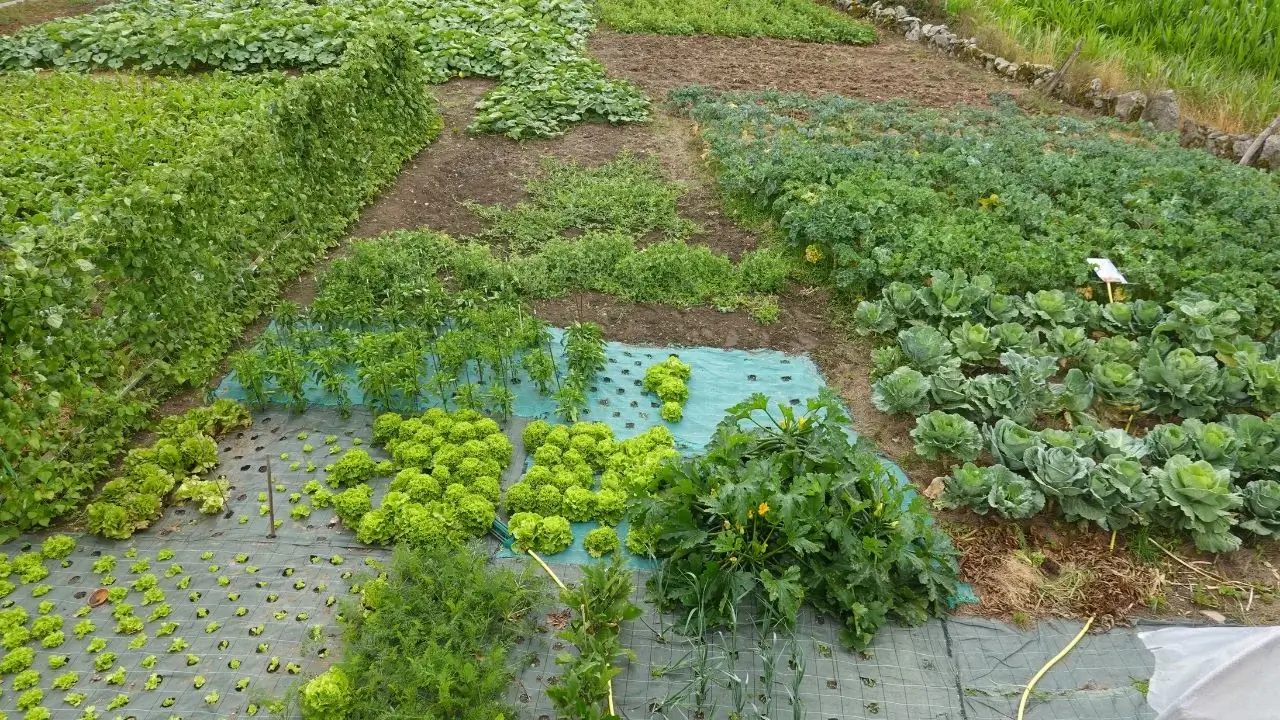
Beyond physical barriers, Hall advocates for building soil health as a form of biological insurance. A soil profile that is biologically active and rich in humus is naturally more capable of buffering against chemical contaminants than a depleted, sterile soil.
The Cultural Implications: Leading by Example
Perhaps the most profound impact of home permaculture is its ability to shift community norms. When a homeowner converts a traditional, resource-intensive lawn into a productive, lush, and resilient landscape, they act as a beacon of change.
"There’s also something less tangible but equally important: modeling," Hall says. "When neighbors begin to see land that is productive, resilient, and not reliant on heavy chemical inputs, it can shift perspectives over time. Lead by example."
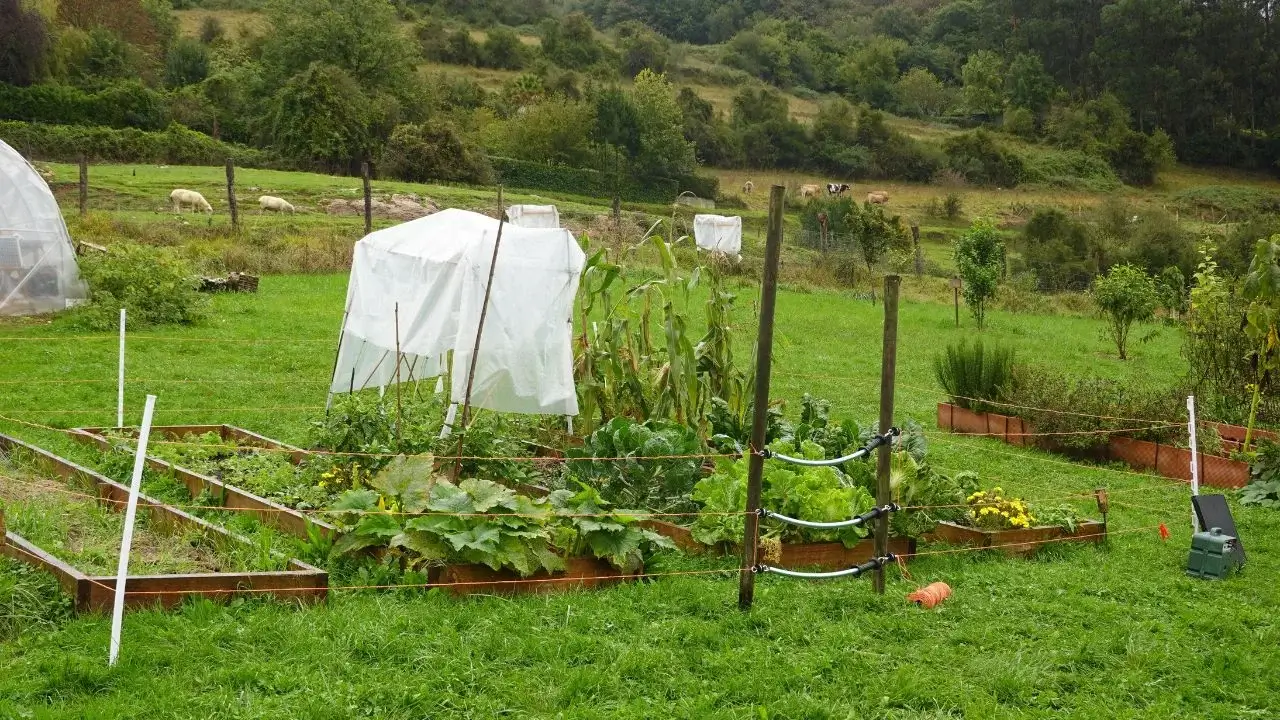
This cultural shift is essential for the future of land management. As we face an era defined by extreme weather events and ecological degradation, the ability to transform a backyard into a micro-refuge is a powerful tool. It transforms the role of the homeowner from a passive consumer of landscaping services into an active participant in environmental restoration.
Educating the Next Generation
As we look toward the future, the integration of these practices into the upbringing of the next generation is paramount. Hall stresses that the most vital lesson for children is not just how to grow food, but how to observe and respond to the natural world.
"We’ve inherited a model that often prioritizes short-term yield over long-term health," Hall observes. "Regenerative work asks us to take a longer view. It asks us to understand that we are part of a living system, not separate from it."
Teaching children to notice the subtle changes in soil, the way water pools after a rainstorm, and the interaction between insects and plants provides them with a framework for critical thinking. It fosters a sense of stewardship and humility that is missing from industrial models of land management. By teaching the next generation to work with natural patterns, we are not only ensuring the survival of the land but also fostering a culture that values collaboration over extraction.
Conclusion: A Shift in Perspective
The conversation with Brandy Hall reveals a central truth: permaculture is not just a set of techniques for gardening; it is a fundamental shift in how we relate to the ground beneath our feet. Whether on a suburban quarter-acre or a rural homestead, the principles of observation, water conservation, and soil building offer a path forward in an increasingly uncertain world.
By slowing down, looking at the patterns of our own landscapes, and making small, incremental changes, we can stop the cycle of extraction and begin the work of regeneration. It is a slow, patient process, but as Hall notes, it is one that builds resilience—season by season, and garden by garden.


 Iffa Jayyana
