

 Ammar Sabilarrohman
 Ali Ikhwan
 Dwi Wanna
 Neng Nana
 Siti Muinah
Despite the United States being one of the world’s most prosperous nations, it grapples with a persistent and often invisible crisis: food insecurity. While the grocery aisles are stocked and agriculture is a cornerstone of the national economy, millions of Americans struggle to secure consistent access to nutritious meals. Addressing this issue requires more than just passive concern; it demands a strategic, community-driven response. This guide explores the dimensions of the crisis and provides a blueprint for individuals and organizations to effect meaningful change through advocacy and action.
The Reality of Hunger: Main Facts and Definitions
Food insecurity is defined by the United States Department of Agriculture (USDA) as a lack of consistent access to enough food for an active, healthy life for all household members. It is critical to understand that this is rarely a problem of food supply; rather, it is a symptom of systemic poverty, wage stagnation, and the rising cost of living.
For families living on the margins, a single unexpected expense—a car repair, a medical bill, or a rent increase—can be the catalyst that forces a choice between paying for shelter and buying groceries. This "hunger gap" affects diverse demographics, from urban centers to rural heartlands, cutting across lines of race, age, and employment status. The misconception that hunger only affects the unemployed is countered by the reality of the "working poor," who, despite full-time employment, cannot keep pace with the cost of basic nutrition.
Chronology of a Crisis: From Awareness to Action
The journey toward effective advocacy begins with understanding the timeline of a successful intervention. Whether you are an individual wanting to host a neighborhood pantry drive or a corporate leader looking to engage employees, the process follows a predictable, necessary progression.
Phase 1: Conceptualization and Goal Setting
Before the first can of beans is collected, you must determine your capacity. Are you aiming for a localized effort or a large-scale community drive? Assess your environment: does your workplace have an existing communication infrastructure? Does your school have the bandwidth to support a student-led initiative? Aligning your goals with your resources prevents the most common cause of failure: burnout.
Phase 2: Structural Planning
Once the vision is clear, form a committee. Assign specific leadership roles, such as a Logistics Coordinator, a Marketing/Outreach Lead, and a Sourcing Liaison. Establishing a clear timeline—avoiding periods of school vacations or major holidays where your target demographic may be absent—is paramount.
Phase 3: The Execution Lifecycle
After defining your collection methods—whether they be "fill-the-truck" challenges, themed donation parties, or digital "virtual" drives—begin the outreach phase. Partnering with local businesses or religious institutions can provide high-traffic collection sites. During the execution phase, consistency is key. Provide updates to your community on the progress of your goals to maintain momentum.
Phase 4: Assessment and Sustainability
After the event, conduct a post-mortem meeting. What worked? Where were the bottlenecks? Establishing a relationship with a local food bank is not just for the duration of one event; it is the beginning of a long-term partnership.
Supporting Data: The Magnitude of the Challenge
The scale of the crisis is immense. Historical data, such as the 2014 report indicating that 48.1 million Americans lived in food-insecure households, paints a sobering picture. Within that group were 15.3 million children. These figures are not merely statistics; they represent a fundamental failure to provide the most basic human necessity to the next generation.
When children experience food insecurity, the implications are lifelong. Nutritional deficiencies during developmental years lead to lower academic achievement, weakened immune systems, and higher rates of chronic illness. Furthermore, the psychological toll of food uncertainty creates a cycle of stress that can hinder a child’s social and emotional growth. By analyzing these data points, advocates can better target their efforts, focusing on school-based food programs and summer feeding initiatives that specifically support vulnerable youth.
Official Responses and Systemic Perspectives
Governmental and non-profit entities have long recognized that private charity alone cannot solve hunger. The USDA’s Supplemental Nutrition Assistance Program (SNAP) and the National School Lunch Program represent the frontline of defense. However, these programs often face funding volatility and administrative hurdles.
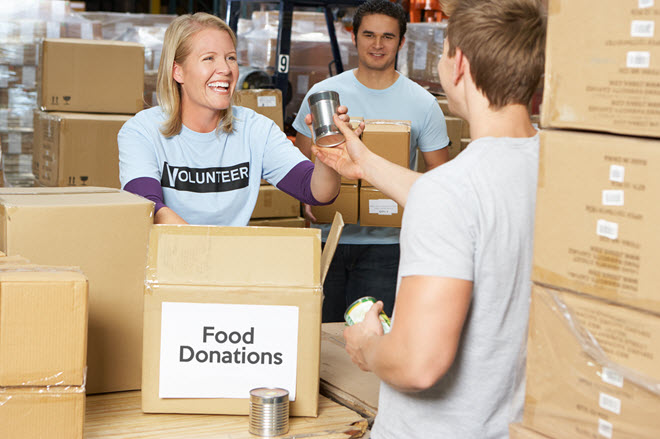
Advocacy experts suggest that the most effective local initiatives are those that work in tandem with, rather than in isolation from, these formal systems. By organizing a food drive, you are not replacing government aid; you are providing a necessary buffer. Official organizations, such as Feeding America, emphasize that "food drives" are most effective when they focus on high-need items that government programs often overlook, such as protein-rich canned goods, hygiene products, and baby formula.
Creative Alternatives: Thinking Outside the Pantry
Traditional food drives are effective, but they are not the only way to contribute. Modern advocacy has evolved to include more creative, high-impact strategies:
- The "Currency" Model: Host an event where the price of entry is a specific number of non-perishable food items. This turns social gatherings into conduits for charity.
- Skill-Based Volunteering: If you cannot collect food, donate your professional time. Can you build a website for a local pantry? Can you offer accounting services? Can you organize a pro-bono marketing campaign for a local soup kitchen?
- Community Meals: Rather than collecting cans, host a "community kitchen" night. Partnering with a local venue to provide a hot, nutritious meal can serve as a powerful way to build community trust and dignity for those experiencing food insecurity.
- The "Swear Jar" Approach: Implement micro-donations in the workplace. Whether it’s a late-to-the-meeting fine or a "swear jar," these small, consistent contributions aggregate into significant donations over time.
Strategic Nutrition: The "Shop Smart" Philosophy
When organizing a drive, it is tempting to clear out the back of your pantry. However, experts urge donors to "shop with intent." A donation is most valuable when it is shelf-stable, nutrient-dense, and ready-to-eat.
The Gold Standard for Donations:
- Proteins: Tuna, salmon, chicken, peanut butter, and legumes.
- Whole Grains: Brown rice, oats, and whole-grain pasta.
- Low-Sodium/No-Sugar Added: Always check labels on canned fruits and vegetables.
- Specialty Needs: Baby formula, diapers, and shelf-stable milk.
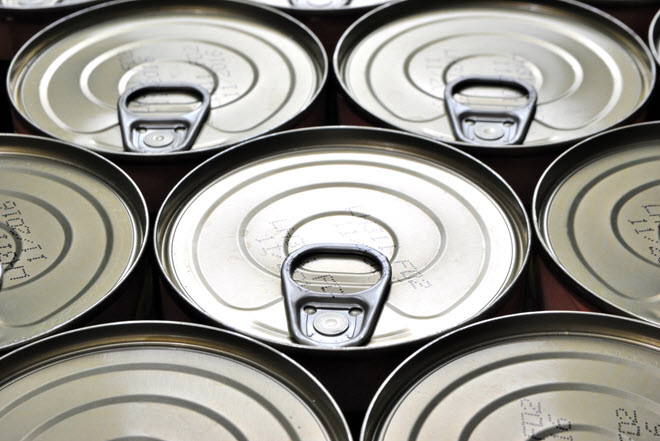
Avoid items in glass containers, as they are heavy and prone to breakage. Prioritize pop-top lids, as many people experiencing homelessness or living in temporary housing do not have immediate access to a manual can opener.

The Implications of Advocacy: Creating a Culture of Care
The decision to become a hunger advocate has implications that reach far beyond the immediate delivery of food. When you organize an event, you are initiating a conversation. You are forcing your neighbors, colleagues, and friends to acknowledge that hunger is not a distant, abstract concept, but a reality existing in their own backyard.
This cultural shift is essential. When the community is informed, they become more likely to support policy changes, volunteer their time, and advocate for systemic improvements in their local school districts and city councils. The act of organizing a food drive is a physical manifestation of empathy.
Conclusion: A Call to Sustained Action
The fight against hunger is not a sprint; it is a marathon that requires constant vigilance and adaptation. Whether you are a student, a professional, or a retiree, your involvement matters. By applying the strategies outlined in this guide—meticulous planning, strategic sourcing, and creative engagement—you can ensure that your contribution is not just a gesture, but a lifeline.
The next time you find yourself at the grocery store, consider the impact of adding a few extra items to your cart. Consider the power of organizing your office to support a local mission. Hunger is a solvable problem, but it requires the collective willpower of the community to turn the tide. Start today, start small, and remember: every single meal provided is a victory in the fight for a more equitable society.
Quick Reference: Checklist for Success
- Define your scope: Is this a neighborhood, school, or corporate drive?
- Identify your partner: Reach out to a local food bank to ask what they actually need.
- Assemble your team: Delegate tasks to ensure sustainability.
- Advertise: Use social media, newsletters, and local media to spread the word.
- Track Progress: Keep your community updated to maintain enthusiasm.
- Shop Smart: Focus on high-protein, low-sodium, and shelf-stable goods.
- Follow Up: Thank your donors and share the results of the drive.


 Evan Lee Salim
 Azzam Bilal Chamdy
