

 Azzam Bilal Chamdy
 Neng Nana
 Nana Muazin
 Dwi Wanna
 Raul Delapena Setiawan
 Laily UPN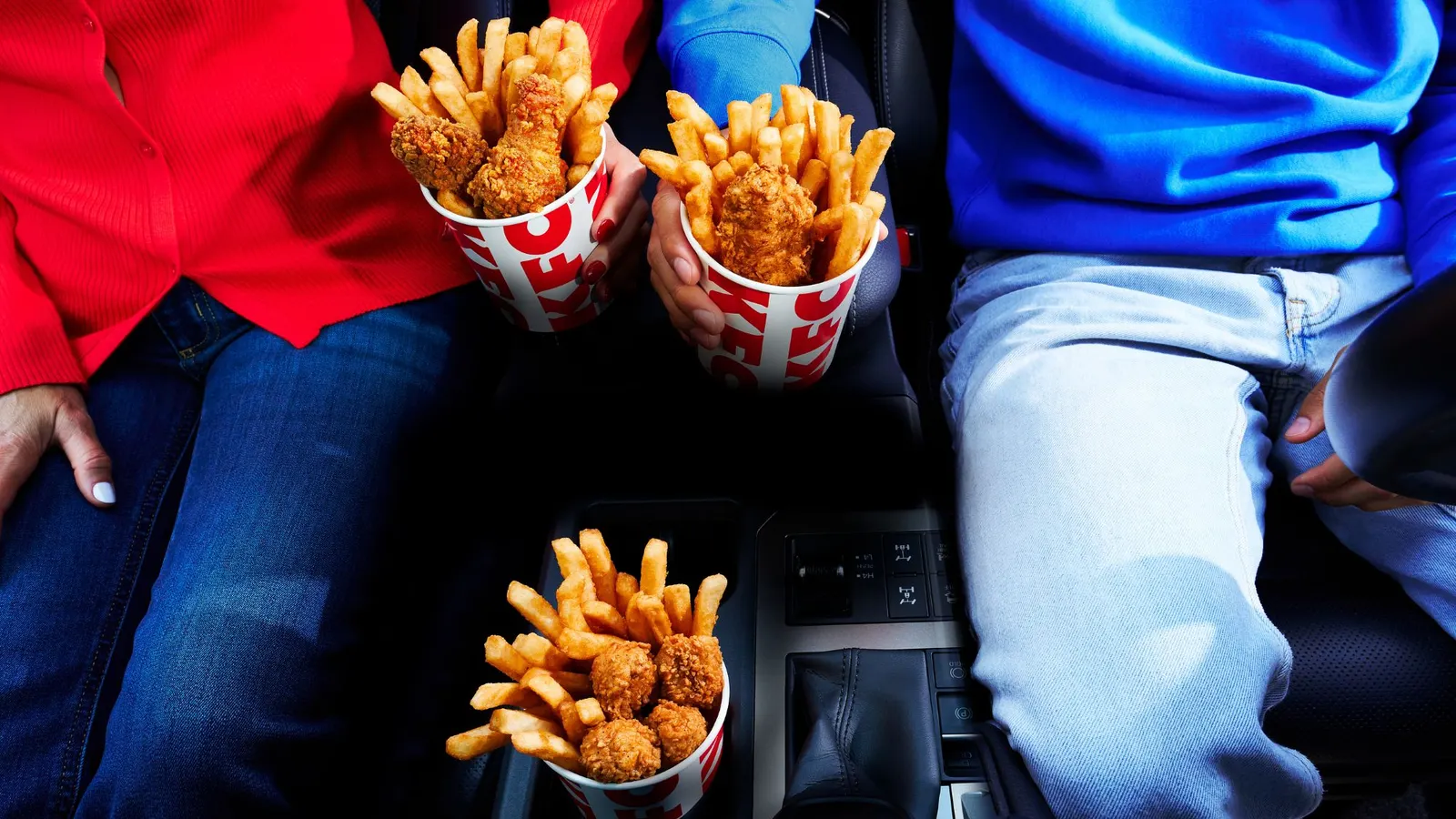
In a rapidly shifting quick-service restaurant (QSR) landscape, Kentucky Fried Chicken (KFC) is undertaking a comprehensive strategic overhaul aimed at reclaiming its position as a dominant force in the global dining market. By aggressively pivoting toward high-value offerings and enhancing consumer convenience, the Yum! Brands subsidiary is seeking to arrest recent trends in flagging sales and foot traffic. Central to this turnaround is a multi-pronged approach that includes the introduction of the "Go Buckets," the expansion of affordable menu tiers, and experimental service models designed to cater to the modern, time-pressed consumer.
Main Facts: The Core of the Turnaround
The cornerstone of KFC’s recent tactical shifts is the realization that today’s diner is driven by two primary motivators: price sensitivity and the need for flexible, portable eating experiences. With inflation continuing to weigh on household budgets, KFC’s introduction of the $3.49 "Go Buckets" serves as a strategic entry point for cost-conscious customers.
Beyond price, these offerings are engineered to address the growing demand for protein-dense snacks. Each Go Bucket provides between 16 and 18 grams of protein, aligning the brand with health-conscious consumer segments that prioritize nutrient-dense options even within the fast-food category. Furthermore, the initiative is a deliberate attempt to capture the lucrative "afternoon slump" or mid-day snacking market—a daypart that has become a critical battleground for major QSR chains. By positioning itself as a destination for quick, affordable, and substantial snacks, KFC is attempting to break the tether to traditional lunch and dinner hours.
Chronology: A Roadmap of Strategic Evolution
KFC’s transformation did not happen overnight; it is the culmination of a deliberate, phased rollout of new strategies aimed at modernization.
- March 2024: KFC introduced its "Value Feasts," a tiered pricing structure offering meals at $7, $9, and $11. This move was widely interpreted as an attempt to mimic the successful value-menu architecture of its sister company, Taco Bell, which has historically utilized aggressive pricing to drive consistent transaction growth.
- May 2024: Building on the momentum of the Value Feasts, the company expanded its "$10 weekday bucket deals." This move was designed to normalize the brand as an everyday dining solution rather than an occasional treat, aiming to increase the frequency of visits from loyal customers.
- Summer 2024: The company launched a global brand transformation. This initiative included a massive overhaul of its flavor profiles through an expanded sauce line and the enhancement of its "Kwench" beverage platform, ensuring that the brand’s menu remained competitive with fast-casual rivals.
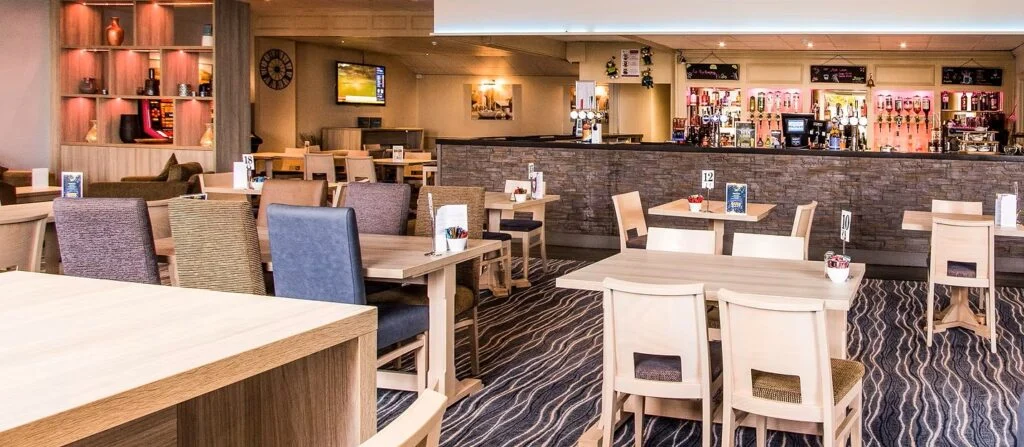
- Mid-2024 to Present: The debut of the "Open House" restaurant concept. Acting as a live laboratory, this facility allows KFC to test operational shifts, such as dedicated table service and, crucially, an expanded breakfast daypart. The Open House represents a departure from the traditional drive-thru-centric model, focusing instead on the customer experience and interior service efficiency.
Supporting Data: Why Snacking and Value Matter
Data from industry research firms, including Datassential, underscores the wisdom of KFC’s current direction. Recent consumer surveys indicate a seismic shift in eating habits: the majority of modern consumers are no longer tethered to the "three meals a day" paradigm. Instead, snacking has become a primary behavior, with individuals seeking out high-protein, portable options between traditional mealtimes.
When analyzing the success of the $10 bucket deals and the Value Feasts, the correlation between price transparency and sales volume is clear. By creating a predictable pricing structure, KFC is reducing the "cognitive load" on the consumer—making it easier for them to choose KFC over competitors when deciding where to allocate their discretionary income.
Furthermore, the nutritional profile of the new menu items—specifically the Go Buckets—is a response to the "protein-first" movement. As consumers become more literate regarding macronutrients, providing clear protein counts in snack-sized portions allows KFC to compete not just with other fried chicken outlets, but with convenience stores and health-focused fast-casual chains that have previously dominated the mid-afternoon daypart.
Official Responses and Corporate Philosophy
KFC leadership has maintained that this transformation is not merely about discounting but about "re-imaging" the brand for a new generation. In various investor communications and press releases throughout the year, KFC representatives have emphasized that the "Open House" concept is the blueprint for the future.
"We are meeting the consumer where they are," a spokesperson noted during the summer launch. "Whether that means a $3.49 snack for a student on the go or a $7 value meal for a family navigating a busy weeknight, our objective is to provide value without compromising the heritage of our Original Recipe."
The strategy is heavily influenced by the internal ecosystem of Yum! Brands. By leveraging the logistical and operational successes of Taco Bell—specifically its ability to manage high-volume, low-cost orders through its mobile app and in-store kiosks—KFC is digitizing its value proposition. The goal is to ensure that when a customer seeks a "deal," the process of ordering, paying, and receiving that deal is frictionless.
Implications: The Future of the QSR Landscape
KFC’s pivot carries significant implications for the broader restaurant industry.
The Battle for the Afternoon
By targeting the afternoon daypart, KFC is entering into a direct, high-stakes competition with coffee chains and convenience stores. If successful, this will force other QSRs to reassess their afternoon staffing and menu offerings. The industry is currently witnessing a "daypart expansion" where chains are trying to capture revenue from 2:00 PM to 5:00 PM, a window that was previously dead air for many traditional chicken restaurants.
The Value-Quality Paradox
The biggest risk for KFC is the potential degradation of brand perception. When a brand moves toward value-based pricing, it often struggles to maintain its reputation for quality. KFC is attempting to sidestep this by tying its value offers to "global transformations," such as new, sophisticated sauce profiles. The logic is sound: if the food is elevated and the flavors are modern, the lower price point is viewed as a "deal" rather than a signal of inferior ingredients.
Operational Agility
The "Open House" test facility is perhaps the most critical component for the long term. By testing table service and breakfast, KFC is acknowledging that the traditional "bucket-to-go" model is no longer enough to satisfy modern expectations. If the brand can successfully integrate a breakfast menu and a sit-down service model, it will fundamentally transform its real estate footprint from a simple quick-service outlet to a versatile community dining hub.
Conclusion: A Calculated Risk
KFC is betting that by prioritizing the consumer’s wallet and their changing schedule, it can regain the market share lost to more agile competitors. The combination of the Go Buckets’ portability, the weekday bucket deals’ affordability, and the Open House’s experimental approach creates a robust, multi-layered defense against current economic headwinds.
While the path to a full-scale turnaround remains long, the preliminary data from the summer rollout suggests that the consumer is responding favorably to these changes. As KFC continues to iterate on its menu and service models, the industry will be watching closely to see if the "King of Fried Chicken" can indeed translate these tactical wins into a sustainable, long-term competitive advantage. The brand is no longer just selling fried chicken; it is selling an accessible, modern, and highly convenient dining experience that recognizes the realities of the 2024 consumer.

 Rifan Muazin
 Ali Ikhwan
