

 Azzam Bilal Chamdy
 Neng Nana
 Nana Muazin
 Dwi Wanna
 Raul Delapena Setiawan
 Suro Senen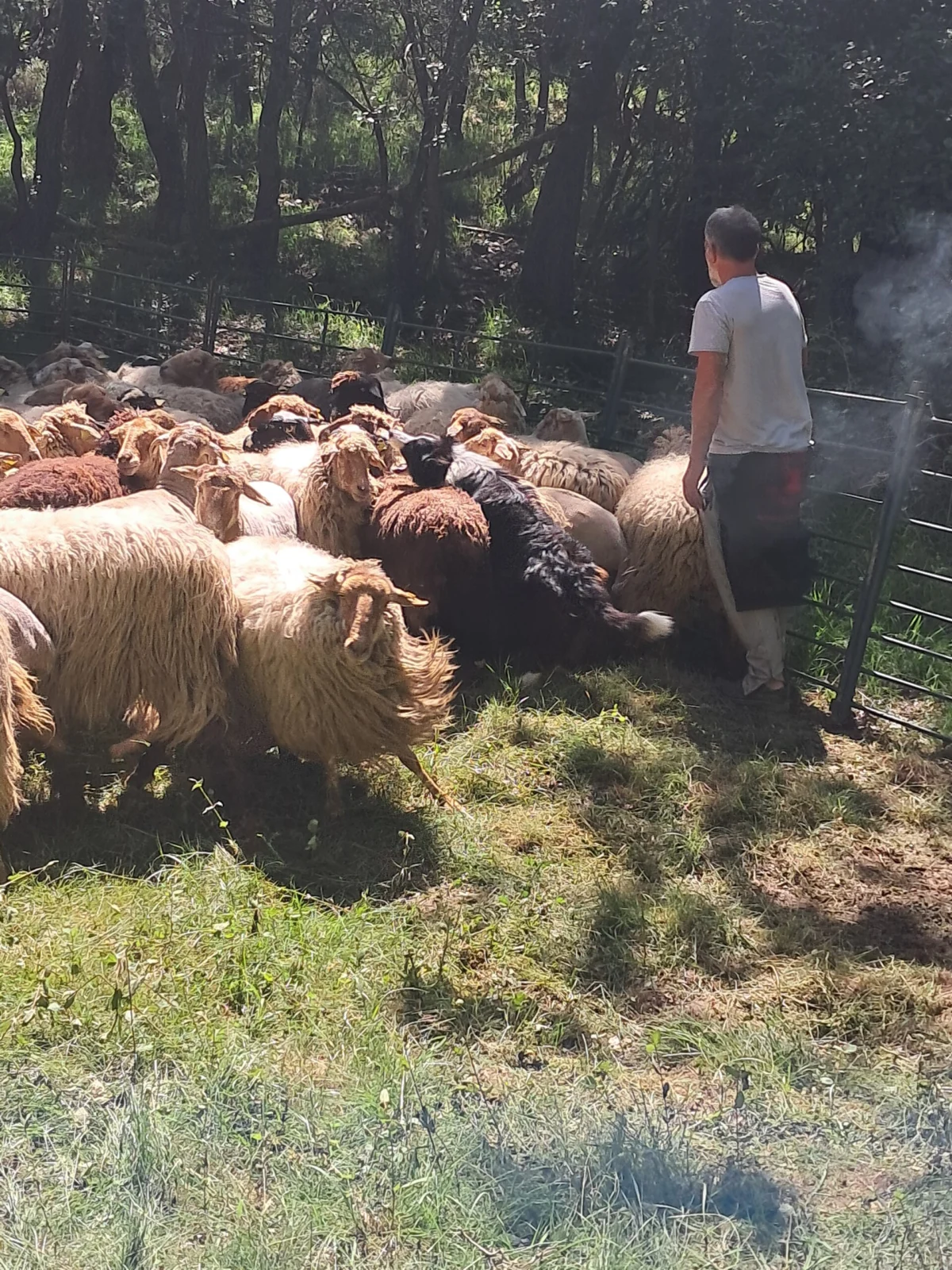
In an era where global food security is increasingly threatened by the triple pressures of climate change, biodiversity loss, and rural depopulation, the solutions to our most pressing agricultural crises may lie not in high-tech laboratories, but in the dust-covered tracks of history.
Reporting from Spain’s ancient droving routes, farmer and agricultural advocate Julie Baber examines the practice of transhumance—the seasonal movement of livestock—as a blueprint for a more resilient future. Far from being a relic of a bygone age, this age-old system of pastoralism, shaped by the rhythms of the land and ecological limits, offers a sophisticated strategy for fire prevention, habitat management, and sustainable food production.
The Eternal Migration: A Global Connection
The story of transhumance begins with a simple, visceral connection to the land. While en route to Spain to observe the Los Apisquillos Collective’s annual shearing festival, Baber encountered a Somali taxi driver who spoke of his 90-year-old grandmother. She remains a pastoralist, managing a herd of 2,000 camels, goats, sheep, and cows, traversing 45 kilometers of rugged terrain to find fresh grazing.
This anecdote highlights a universal truth: across continents and cultures, the nomadic lifestyle is defined by an intimate knowledge of geography and seasonal shifts. Whether in the Horn of Africa or the Sierra del Rincón in northeastern Madrid, the philosophy remains identical—the livestock follows the grass, and the land is managed through the constant, low-impact presence of grazing animals.
Chronology of a Tradition
The history of Spanish transhumance is as deep as the soil itself. The practice reached a zenith of institutional power in 1273, when King Alfonso X, known as "The Wise," granted official recognition to the droving routes—the cañadas.
Key Historical Milestones:
- 1273 AD: The formal establishment of the "Royal and Honoured Council of the Mesta" by King Alfonso X. This powerful association of transhumant farmers gained immense influence, protecting the rights of shepherds to move their flocks across the Iberian Peninsula.
- The 20th Century: The industrialization of agriculture led to the "trucking" of livestock. While ostensibly more efficient, this shift severed the ecological link between the animals and the landscape.
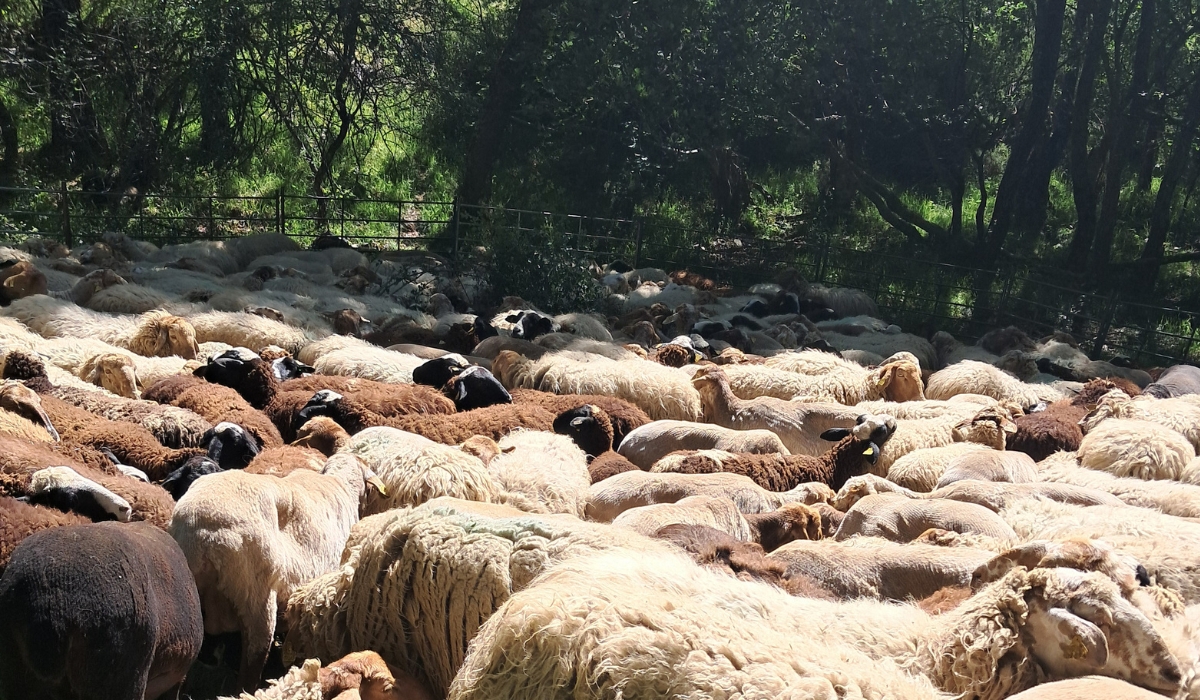
- 1998–Present: The formation of the Los Apisquillos Collective in the mountain village of Puebla de la Sierra. For 26 years, this group has worked to revitalize traditional practices, managing a flock of 500 rare-breed sheep (Rubia de El Molar and Negra Castellana) to maintain the mountain pastures and forests.
The Mechanics of Sustainable Management
The Los Apisquillos Collective does not merely raise livestock for profit; they are environmental stewards. Every autumn, the shepherds and their dogs depart Puebla de la Sierra, embarking on a 240-kilometer journey to the Casa de Campo—the largest public park in Madrid.
This movement is essential for two reasons:
- Ecological Resting: It allows the mountain pastures to recover during the harsh winter months.
- Urban Grazing: The sheep act as "living lawnmowers" for the park, managing vegetation in a way that machinery cannot replicate.
When the spring comes, the cycle resets. The flock returns to the mountains to lamb, followed by the annual shearing festival—a joyous, community-driven event that reinforces the social fabric of rural life. Participants learn traditional skills, such as using French carding machines and crafting improvised spindles, ensuring that the knowledge of wool production and animal husbandry is passed to the next generation.
Official Responses and Ecological Implications
The primary argument against traditional transhumance is economic: it is undeniably cheaper and faster to transport livestock via lorries. However, advocates argue that this "efficiency" is a false economy that ignores the environmental externalities.
The Wildfire Crisis
Manuel Bahíllo, secretary for Trashumancia y Naturaleza, provides a stark warning: "Transhumance controls the overgrowth of scrubland. If it ceases, all that biomass that the livestock neither eat nor trample remains in the landscape."
This accumulation of dry, flammable material creates a "fuel ladder." In the increasingly hot and arid climate of the Mediterranean, these unmanaged paths become corridors for uncontrollable wildfires. Javier, a farmer from Sanabria, notes that "fires can be stopped, that’s been proved time and again. The fire attacked, more or less, depending on the amount of forest fuel it encountered." By keeping the cañadas open and grazed, the livestock effectively create natural firebreaks, protecting both human settlements and biodiversity.
A Cultural Right
Lawrence Sudlow, an environmental consultant and advisor for Trashumancia y Naturaleza, views these droving routes as "ecological highways." He argues that transhumance should not be judged by the metrics of a factory farm, but as a "cultural right." He remains undeterred by the modernization of the industry, asserting that moving flocks on foot is "the right thing to do" because it fosters a symbiotic relationship between humans, animals, and the biosphere.
The "Solvitur Ambulando" Philosophy
Beyond the hard data of fire management and biodiversity, there is a metaphysical element to transhumance. The Latin phrase Solvitur ambulando—"it is solved by walking"—captures the essence of the shepherd’s life.
In a world defined by hyper-speed, the slow, intentional movement of a flock offers a counter-narrative. It is a way of life that demands patience, observation, and a profound respect for the limitations of the environment. The depopulation of rural Spain has led to a "spectacular growth of forest and scrubland," which, while sounding positive, actually represents a loss of the managed, mosaic landscape that supports high-value ecosystems.
Juan García, a key figure in the movement with Ecologists in Action, emphasizes that keeping the 125,000 kilometers of livestock trails open is a fight for the future of rural survival. Without the shepherd, the landscape becomes a tinderbox, and the rural culture—along with its specialized knowledge—vanishes.
Conclusion: Lessons for a Warming World
The case of the Los Apisquillos Collective and the broader Spanish transhumance movement serves as a vital lesson for global agriculture. We are currently witnessing a food system under strain, reliant on high-input, static production models that are failing in the face of climate volatility.
The resilience demonstrated by these pastoralists is not about resisting progress, but about choosing a form of progress that is inherently sustainable. Whether it is a Somali grandmother managing her camels or a Spanish shepherd leading his flock to the Casa de Campo, the message is clear:
- Place Matters: Food systems must be rooted in the specific geography they occupy.
- Cycles are Necessary: Resilience is found in adapting to, rather than overriding, seasonal rhythms.
- Livestock as Stewards: When integrated correctly, animals are the most effective tool we have for landscape-scale environmental management.
As we look toward an uncertain climate future, the ancient paths of Spain offer more than just a history lesson. They offer a map. By re-investing in these "ecological highways," we may find the stability needed to protect our forests, feed our populations, and reconnect our souls with the land.
For those interested in exploring these concepts further, Juan García’s detailed research on the role of transhumance in wildfire management is an essential resource, as is the Sustainable Food Trust’s comprehensive report on grazing livestock in the UK context.



 Siti Muinah
