

 Ammar Sabilarrohman
 Ali Ikhwan
 Dwi Wanna
 Neng Nana
 Siti Muinah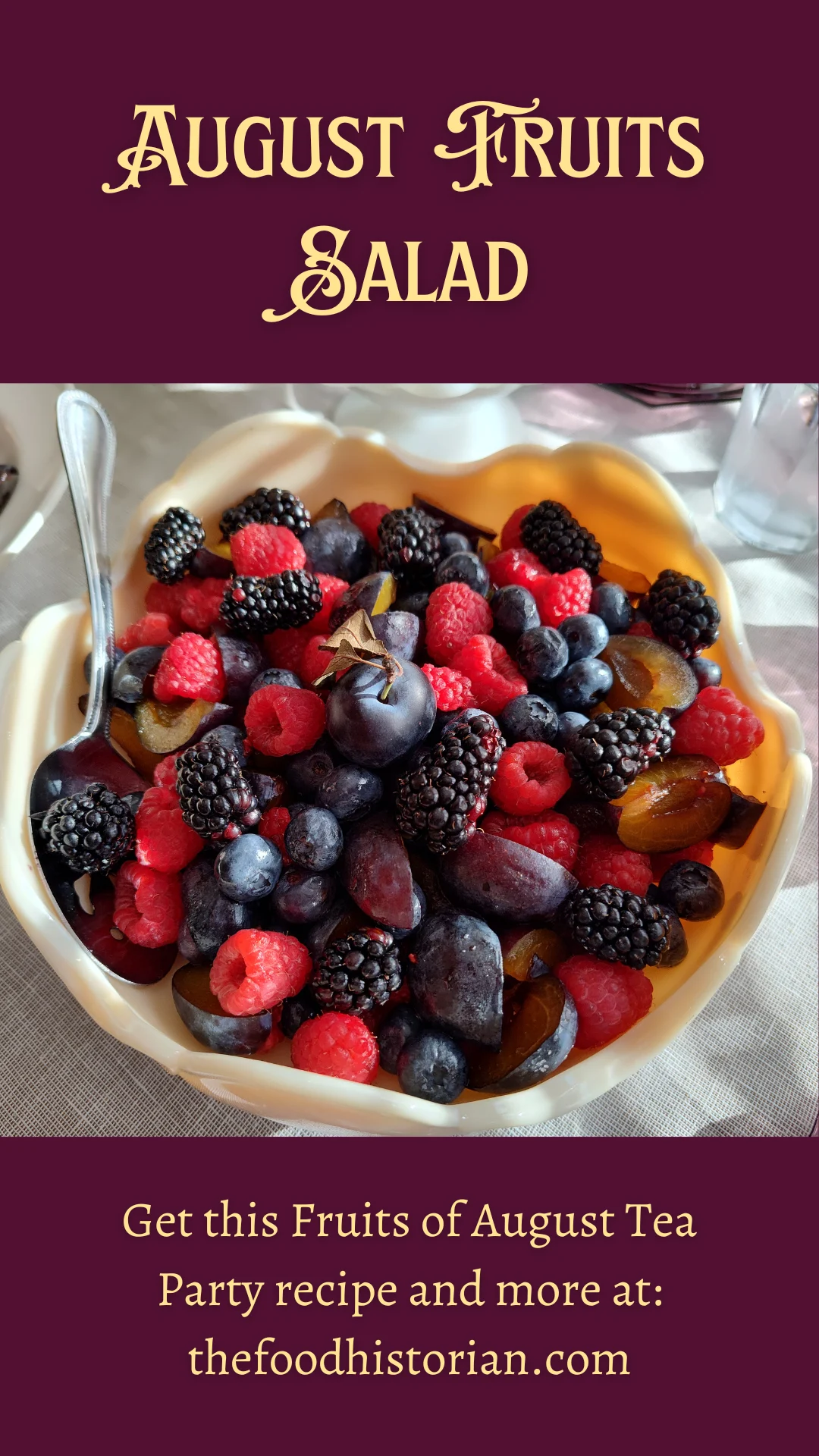
In the culinary calendar, August stands as a towering monolith of bounty. It is the month when the sun-drenched orchards of the northern hemisphere reach their peak, offering a fleeting but spectacular window of stone fruits, berries, and melons. For the discerning host, this period is synonymous with one quintessential dish: the fruit salad. Far from being a mere medley of leftovers, a masterfully composed fruit salad serves as a tribute to the terroir of the season.
Whether featured at an elegant afternoon tea or served as a light, refreshing dessert, the "Fruits of August" salad represents a philosophy of simplicity, quality, and seasonal integrity. This report explores the mechanics behind this classic dish, the significance of sourcing, and why, even in an era of globalized produce, the local farm stand remains the ultimate kitchen larder.
Main Facts: The Anatomy of a Perfect Summer Medley
A truly transcendent fruit salad is rarely about the complexity of preparation; rather, it is a study in balance. The core tenets of a successful August salad are threefold: peak-season quality, uniform texture, and a delicate enhancement of natural sugars.
The Component Breakdown
The recipe for the "Fruits of August" salad is deceptively straightforward, relying on the inherent brilliance of the ingredients rather than heavy dressings or artificial enhancements. The standard preparation includes:
- 1 pint of blueberries: Providing a structural, mellow foundation.
- 1 pint of raspberries: Serving as the "acid" of the dish, adding a necessary tart brightness.
- 1/2 pint of blackberries: Adding earthy complexity and deep, visual contrast.
- 1 quart of black plums: The star of the show, offering succulent, golden flesh and a tangy, skin-on crunch.
- Optional Sweetener: A single tablespoon of sugar or high-quality honey, used as a catalyst to draw out the fruit’s natural juices.
The philosophy here is clear: if the fruit is not exquisite on its own, no amount of culinary "doctoring" will salvage the dish. By prioritizing fresh, locally sourced plums and hand-picked berries, the salad becomes an expression of the land rather than a manufactured confection.
Chronology: From Farm Stand to Tea Table
The journey of an August fruit salad is a meticulous process that begins long before the knife touches the cutting board.

Phase 1: The Sourcing (Early August)
The process begins with the harvest. In regions where stone fruit thrives, the early-to-mid-August window is critical. By scouting local farm stands, one can secure black plums that have ripened on the branch, ensuring maximum sugar content and structural integrity.
Phase 2: Preparation and Curation (The Day Of)
Success lies in the prep. Berries must be washed with extreme care to avoid bruising. The plums, arguably the most important element, must be quartered or diced—ensuring the skin remains intact. Leaving the skin on is not merely an aesthetic choice; it provides the necessary textural contrast to the soft, juice-laden flesh of the berries.
Phase 3: The Maceration (Pre-Service)
Once combined, the fruit is lightly dusted with sugar or drizzled with honey. This is not for sweetness alone; it is a chemical process. The sugar acts as a desiccant, drawing out the fruit’s natural nectar to create a thin, fragrant sauce that coats the individual pieces, ensuring every bite is cohesive.
Phase 4: The Presentation
The final, crucial step is the vessel. Whether utilizing vintage peach tulip milk glass or Moroccan amethyst bowls, the presentation is the final flourish. The aesthetic of the table—the pairing of the dish with fine china or vintage glassware—elevates the salad from a simple snack to a centerpiece of the dining experience.
Supporting Data: Why Stone Fruit Dominates August
Agronomists and culinary experts have long noted the unique profile of August fruit. The late-summer heat cycles are essential for the synthesis of complex sugars and aromatics in stone fruits.
- The Role of Acidity: In the August salad, the raspberry serves a functional role akin to lemon juice in a vinaigrette. Its tart profile cuts through the heavy, mellow sweetness of the blueberries and the jammy quality of the blackberries.
- The Sugar-Acid Balance: Clinical tasting panels consistently show that fruit salads featuring a balance of high-acid berries (raspberries, currants) and high-sugar stone fruits (plums, peaches) receive higher palatability ratings than monochromatic fruit dishes.
- Skin-On Integrity: Nutritional data supports the "skin-on" approach. The skin of a plum contains high concentrations of polyphenols and fiber, which provide a "snap" that prevents the fruit salad from becoming a mushy, homogeneous blend—a common failure in commercial fruit preparations.
Official Perspectives: The Philosophy of the Host
In an interview regarding the integration of seasonal fruit into formal tea services, the prevailing sentiment is one of "adaptable elegance." Experts in modern entertaining emphasize that fruit salad is perhaps the most democratic of all dishes.
"The beauty of this dish is its fluidity," one culinary commentator notes. "While we emphasize black plums and berries, the recipe is a template. A host can swap in nectarines, apricots, or early-season pears without compromising the integrity of the dish. The only fruit to avoid is the outlier, such as a thick-skinned Gingergold apple, which lacks the tenderness required for a soft-fruit medley."
The consensus is that the "Fruits of August" salad serves as a palate cleanser in the context of a high-tea service, providing a necessary lightness against heavier accompaniments like scones, clotted cream, or buttery biscuits.
Implications: The Future of Seasonal Eating
The resurgence of the "Fruits of August" salad speaks to a broader cultural shift toward mindful consumption. As global supply chains face scrutiny, the local, seasonal approach to the fruit bowl serves as a microcosm for sustainable dining.
1. The Death of the "Out-of-Season" Fruit Cup
The reliance on shipped, unripe melons and mealy strawberries is slowly being supplanted by a return to local provenance. By teaching home cooks to look for the "peak" of a specific fruit—like the black plum in August—we foster a deeper connection to regional agriculture.
2. The Dessert Evolution
There is a growing trend toward using fruit as the primary dessert rather than relying on heavy, processed sugars. When served with a side of whipped cream or a simple, buttery pound cake, the fruit salad provides a sophisticated finish that respects the digestive capacity of the guest. It is a transition from the "over-indulgence" model of dessert to the "quality-first" model.
3. Aesthetic Sustainability
The trend of utilizing vintage glassware—milk glass, amethyst, or crystal—to serve these salads signals a rejection of "disposable" dining culture. The act of pairing fresh, local produce with heirloom serving pieces reinforces the idea that eating is an occasion, a ritual that transcends the mere act of calorie consumption.

Conclusion: A Seasonal Mandate
The "Fruits of August" salad is more than a recipe; it is a seasonal mandate. It requires the host to pay attention to the world outside their window, to frequent the farm stand, and to respect the delicate timeline of the harvest.
As we look toward the shifting temperatures of autumn, this salad remains a reminder of the fleeting nature of the season. It is a dish that cannot be forced, cannot be rushed, and cannot be replicated outside of its time. To serve it is to celebrate the specific, vibrant, and temporary beauty of August. When next you approach the produce aisle or the farmer’s market, remember the balance: the tart raspberry, the sweet plum, and the simple magic of a bowl that captures the very essence of the summer sun.
What will you include in your next seasonal medley? The possibilities, much like the harvest itself, are limited only by the calendar.


 Lina Hope
 Lina Irawan
