

 Azzam Bilal Chamdy
 Neng Nana
 Nana Muazin
 Dwi Wanna
 Raul Delapena Setiawan
 Siti Muinah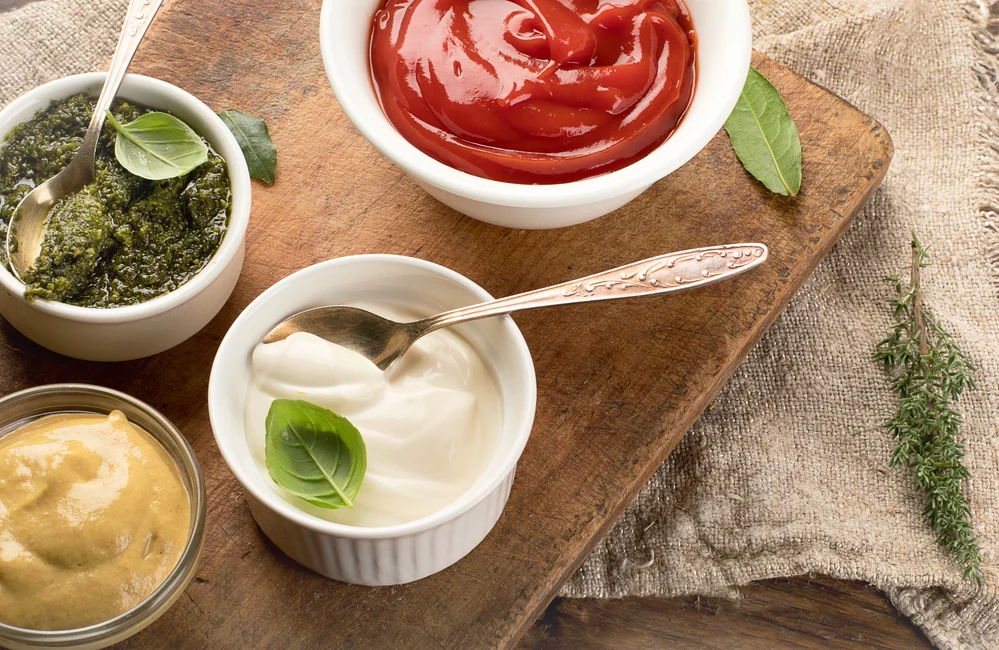
For the discerning home cook, the refrigerator door serves as a personal manifesto. While bibliophiles judge potential friends by the titles on their bookshelves, a culinary enthusiast knows that the true measure of a person’s character is found in their selection of condiments. Are you a Duke’s loyalist or a Hellmann’s devotee? Does your pantry house the sharp bite of Dijon or the earthy, coarse texture of stone-ground mustard? Is your hot sauce cabinet a shrine to the vinegary punch of Tabasco or the garlicky heat of Sriracha?
These choices are more than mere flavor preferences; they are emblems of our regional identity, our upbringing, and our personal palate. Yet, there is a growing movement of home cooks who have grown tired of the standard supermarket labels. They are looking past the brightly colored plastic bottles to the raw ingredients themselves. They are discovering that the most profound upgrade you can give your cooking isn’t a new appliance or an expensive cut of meat—it is the act of crafting your own condiments from scratch.
The Evolution of the Pantry: A Chronology of Condiments
The history of condiments is as old as civilization itself, though the concept of the "shelf-stable condiment" is a relatively modern invention. For centuries, sauces were crafted daily, designed to mask the preservation methods of the time or to add life to otherwise bland, seasonal fare.
- Ancient Origins: The earliest condiments, such as garum (a fermented fish sauce used by the Romans), were essential for providing salt and umami.
- The 18th and 19th Century Shift: As the Industrial Revolution took hold, the mass production of ketchup and mustard began. Ketchup, which originally bore little resemblance to today’s tomato-based staple, was historically made from everything from mushrooms to oysters.
- The 20th Century Homogenization: The post-war era solidified the dominance of major brands. The convenience of shelf-stable, consistent-tasting products meant that the art of making mayonnaise or mustard at home began to fade from the domestic curriculum.
- The 2015 Re-emergence: As documented in the original records of this guide, the "DIY movement" began to gain significant traction around 2015. Home cooks started looking for cleaner labels, fewer preservatives, and the ability to customize flavor profiles, signaling a return to the artisanal roots of the kitchen.
The Case for DIY: Why Homemade Always Wins
The argument for making condiments from scratch is twofold: health and agency. A quick glance at the back of a commercial barbecue sauce label often reveals a laundry list of high-fructose corn syrup, artificial thickeners, and preservatives that would be entirely out of place in a home pantry. By transitioning to homemade versions, the cook regains control over every milligram of salt, every drop of sweetener, and the precise intensity of the spice.
The Art of the Emulsion: Homemade Mayonnaise
Mayonnaise is often viewed as the "final boss" of the condiment world. Its reputation for "breaking"—separating into a curdled mess—has scared generations of cooks. However, the secret is not in a high-powered machine, but in technique. The traditional hand-whisked method, while laborious, is significantly more reliable than the food processor approach, which can be inconsistent with small quantities.
Furthermore, the rise of "aquafaba"—the viscous liquid leftover from canned chickpeas—has revolutionized vegan cooking. Aquafaba acts as a perfect egg replacer, allowing home cooks to produce a rich, creamy mayonnaise that is both sustainable and economical. This is not just a recipe; it is a masterclass in utilizing food waste to create a superior product.
Beyond the Tomato: Ketchup and Savory Jams
The modern palate often finds commercial ketchup too sweet or one-dimensional. Crafting your own spicy-sweet ketchup allows for the infusion of complex aromatics like allspice, cloves, and smoked paprika. For the adventurous, the concept of "ketchup" is being redefined. Blackberry ketchup, for example, offers a tart, vibrant alternative to the tomato base, bridging the gap between a fruit preserve and a savory sauce.
If the goal is texture rather than the traditional ketchup profile, a savory tomato jam offers a sophisticated middle ground. By concentrating the sugars and acids through slow cooking, you achieve a spreadable, umami-rich condiment that elevates a simple cheeseburger to a gourmet experience.
Supporting Data: The Impact of Ingredient Control
Studies in food science suggest that condiments are the primary source of "hidden" additives in the average diet. By producing these staples at home, consumers can reduce their intake of sodium by up to 40% while eliminating stabilizers such as xanthan gum or potassium sorbate.
Moreover, the financial implications are significant. While a premium jar of artisanal mustard or organic mayonnaise can cost upwards of $8 to $12, the raw materials—seeds, oil, vinegar, and aromatics—cost a fraction of that. When scaled over a year, the transition to DIY condiments can save a household hundreds of dollars while simultaneously improving the nutritional quality of their meals.
Official Responses and Culinary Trends
Professional chefs have long championed the "private label" approach. Many high-end restaurants now pride themselves on "house-made" pickles, hot sauces, and ferments. The trend has trickled down to the home kitchen, with community-focused platforms like Edible Communities providing the infrastructure for this knowledge transfer.
According to culinary historians, the resurgence of these practices is a direct response to the "ultra-processed" era. As consumers become more educated on the origins of their food, the desire to close the gap between the producer and the plate has led to a boom in home-canning and fermentation workshops. The consensus among experts is clear: the most effective way to improve your cooking is to stop buying your flavor profiles from a factory and start building them in your own kitchen.
Implications for the Modern Home Kitchen
What does this shift mean for the future of the American pantry? First, it implies a slowing down of the culinary process. Making mustard requires patience—the seeds must soak and soften; the flavors must meld. It is a meditative practice that stands in stark contrast to the "grab-and-go" culture of modern retail.
Second, it fosters creativity. When you learn that hot sauce is simply a ratio of peppers, vinegar, and salt, you are no longer tethered to a specific brand. You are empowered to experiment with different pepper varieties, from the fruity heat of a habanero to the smoky depth of a chipotle. You can adjust the heat level to suit your guests, or dial it up for the "skull-tingling" experience that defined your preference.
Practical Steps to Start Your DIY Journey
- Start with Mustard: It is the most forgiving. A simple combination of mustard seeds, apple cider vinegar, and a touch of honey or maple syrup is all you need to begin.
- Master the Whisk: Don’t fear the mayonnaise. Use a squeeze bottle to control the oil flow and keep your whisking arm steady.
- Read the Labels: Before buying your next bottle of BBQ sauce, look at the ingredients. If you can’t identify them, it’s a sign that it’s time to find a recipe for a fruit-forward, spice-heavy version instead.
- Experiment with Seasonality: Use fresh herbs, seasonal fruits, and local honey to make your condiments a reflection of the time of year.
Conclusion: The Final Drop
The condiment is the final punctuation mark on a meal. It can highlight, enhance, or entirely transform the flavors of a dish. By taking the time to craft your own, you are moving away from the passive consumption of mass-produced goods and toward an active, engaged style of living. Whether it is a batch of pickled mustard seeds or a custom-heat hot sauce, these small projects are the building blocks of a better, more personal culinary life.
The next time you reach for that store-bought bottle, ask yourself: Could I make this better? The answer, almost invariably, is yes. Your refrigerator—and your palate—will thank you for it.




