

 Azzam Bilal Chamdy
 Neng Nana
 Nana Muazin
 Dwi Wanna
 Raul Delapena Setiawan
 Layla Zulfa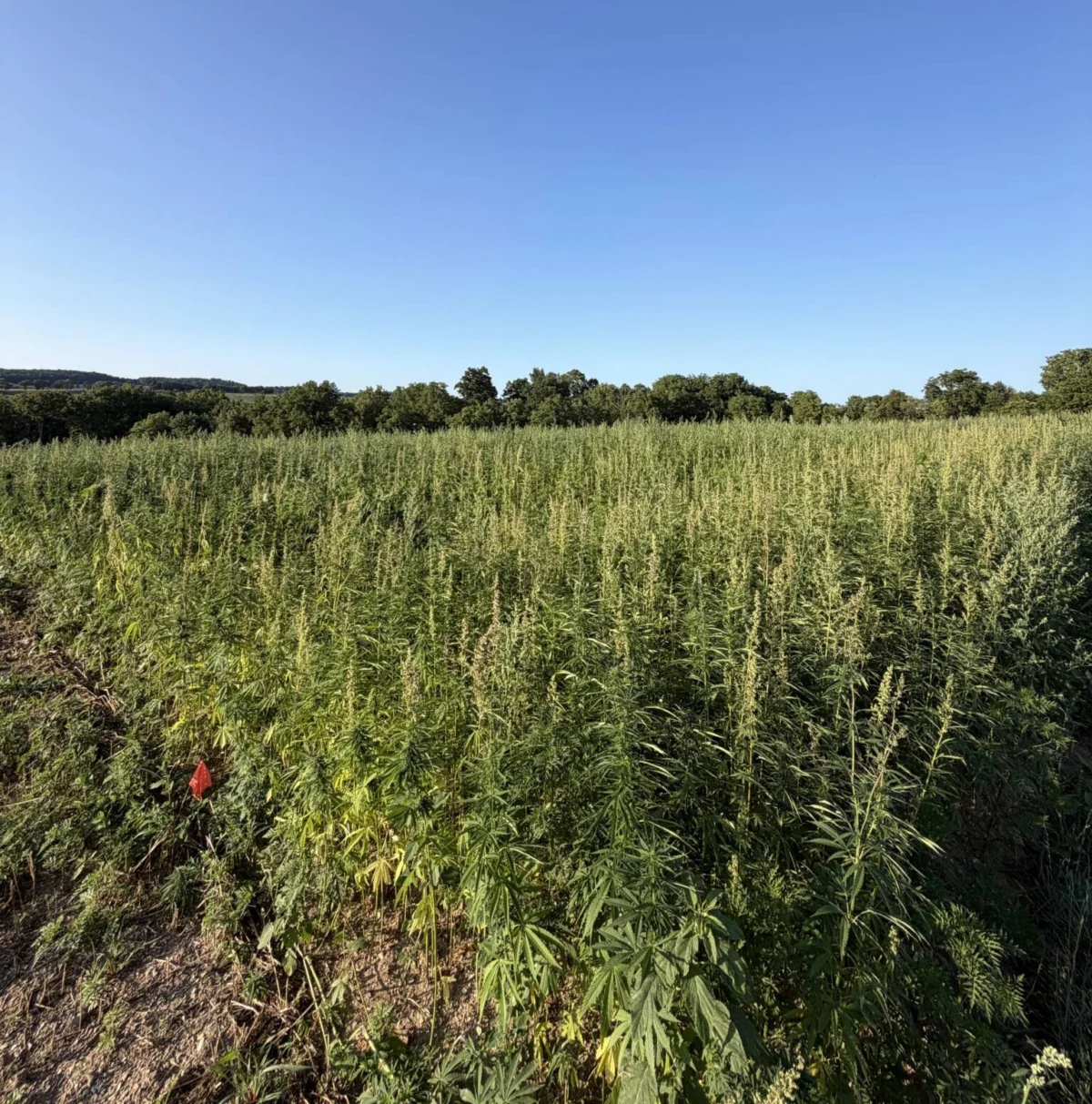
Main Facts: The Resurgence of an Ancient Crop
Industrial hemp, once a cornerstone of American agriculture, is undergoing a profound modern renaissance. Since the passage of the 2018 Farm Bill, which effectively decoupled industrial hemp from its psychoactive cousin and opened the door to widespread commercial cultivation, farmers across the United States have scrambled to capitalize on this versatile commodity. While initial market interest was dominated by fiber and CBD extraction, a third, perhaps more nutritionally significant frontier has emerged: the grain.
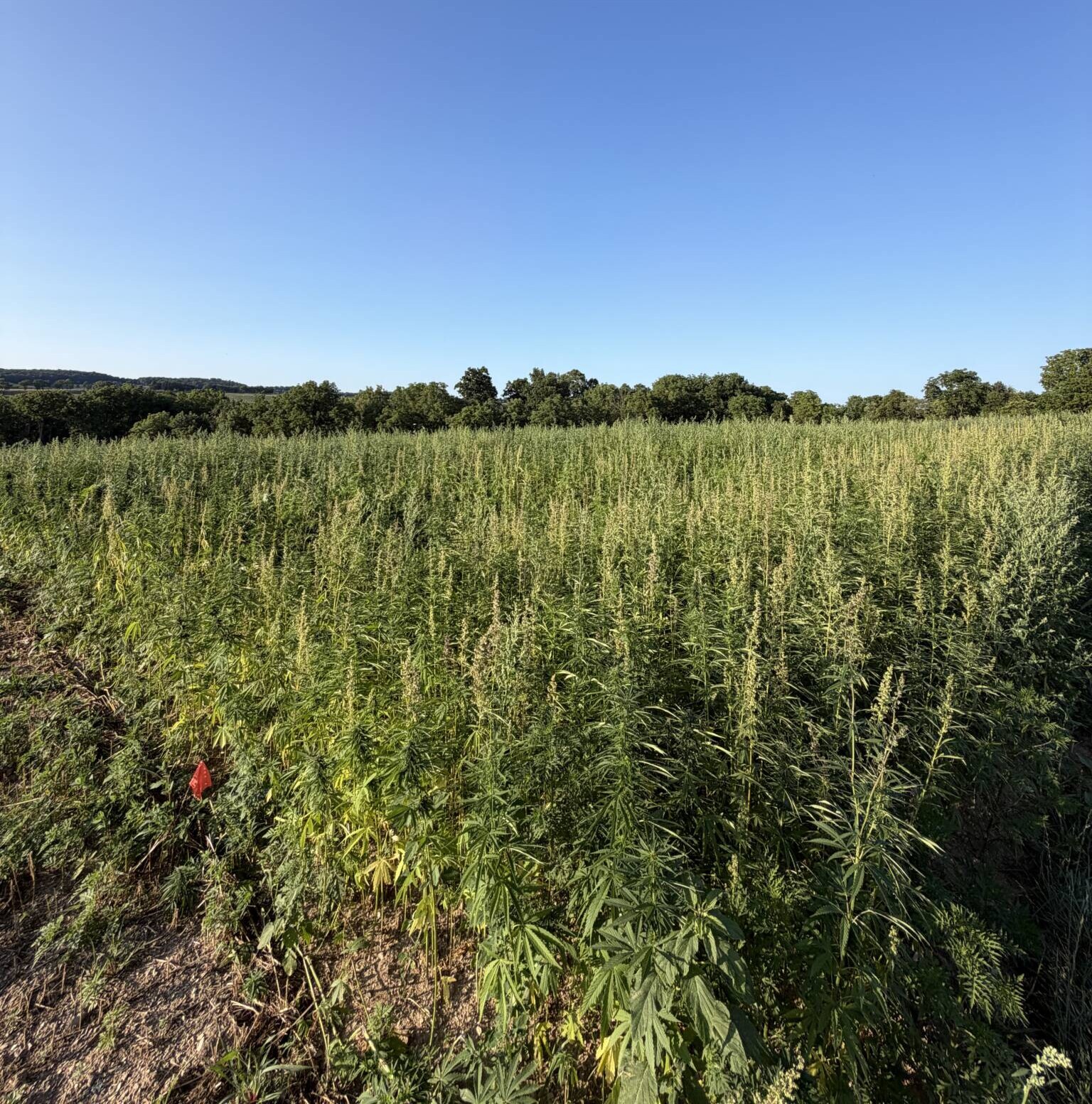
Hemp grain is a powerhouse of human nutrition, boasting a profile that health-conscious consumers and food manufacturers are increasingly eager to integrate into the supply chain. It contains approximately 25% fatty-acid-rich oil, 27% complete protein (featuring eight essential amino acids), 22% fiber, and 20% carbohydrates, alongside an array of essential minerals and vitamins. However, despite its potential, the agricultural sector faces a significant "knowledge gap." Consistency in yield—which currently ranges wildly from a few hundred to over a thousand pounds per acre—remains a major hurdle.
To bridge this gap, the Rodale Institute, a global leader in regenerative organic agriculture, has partnered with the USDA’s Agricultural Research Service (ARS) in Wyndmoor, Pennsylvania. Together, they are embarking on a multi-year, rigorous scientific inquiry into how cover cropping—a cornerstone of regenerative agriculture—can stabilize yields and enhance the nutritional density of grain hemp.
Chronology: From Legislative Opening to Scientific Inquiry
The journey toward professionalizing hemp grain production has been a phased evolution:
- 2018: The U.S. Farm Bill provides the necessary legal framework to re-establish hemp as a legitimate agricultural commodity, sparking a nationwide search for viable production methods.
- 2024: Recognizing that early "gold rush" enthusiasm for CBD had settled into a need for sustainable, long-term food crops, the Rodale Institute initiates a formal field trial. The project, supported by the U.S. Department of Agriculture and the Pennsylvania Department of Agriculture, is designed to span four years (2024–2027).
- 2025: The second year of the trial commences, scaling up data collection to compare various cover crop treatments against two specific hemp varieties: CFX-2 and Indigo.
- July 17, 2026: Rodale Institute hosts its annual Organic Field Day at the Kutztown, Pennsylvania campus. Approximately 500 attendees, including farmers, researchers, and industry stakeholders, tour the plots, marking a significant milestone in the project’s outreach efforts.
- 2027: The project is slated to conclude, with the final synthesis of soil health data, fungal colonization metrics, and nutritional analysis of the harvested grain.
Supporting Data: The Mechanics of the Study
The research methodology is as meticulous as it is ambitious. Researchers are currently evaluating four distinct cover crop treatments to determine their influence on subsequent hemp growth:
- No Cover Crop (Control)
- Triticale alone (a hardy hybrid of wheat and rye)
- Hairy Vetch alone (a nitrogen-fixing legume)
- Triticale and Hairy Vetch mix
Each combination is applied to 20-by-60-foot plots, replicated four times to ensure statistical significance. The central hypothesis is that by integrating cover crops, farmers can improve soil structure, reduce erosion, suppress weed pressure, and enhance the soil microbiome—ultimately creating a more resilient environment for the hemp to thrive without reliance on synthetic fertilizers.
A critical, cutting-edge component of this study involves arbuscular mycorrhizal fungi (AMF). These symbiotic soil organisms are the "hidden workforce" of the agricultural ecosystem, facilitating the transport of nutrients and water into plant roots. Previous Rodale research indicated that fiber hemp varieties could see root colonization levels as high as 54%. The current team is testing if similar colonization occurs in grain hemp and if this relationship translates into a 15% yield boost—a figure observed in other cereal crops.
Furthermore, the team is conducting unprecedented biochemical analysis. Beyond standard protein and fatty acid profiles, they are measuring the presence of ergothioneine. This rare antioxidant amino acid has been linked to neuroprotection and anti-inflammatory properties, specifically in the context of Alzheimer’s disease. If hemp grain is found to be a rich source of ergothioneine, it could fundamentally shift the marketing and value proposition of the crop for food processors.
Official Responses and Expert Perspectives
Dr. Dinesh Panday, an Industrial Hemp Researcher and Soil Scientist at the Rodale Institute, emphasizes that the primary goal is not just higher yields, but "agricultural autonomy" for the farmer.
"There is a real need for practical guidance on how to grow hemp grain successfully in organic systems," Dr. Panday noted during the 2026 Field Day. "Farmers are currently operating in a vacuum of information. By testing management practices that are affordable and accessible—focusing on biological soil health rather than expensive synthetic inputs—we are providing a blueprint that allows farmers to improve their bottom line while simultaneously restoring the land."
The project’s focus on underserved and beginning farmers is intentional. By creating a scalable model, the Rodale Institute aims to lower the barrier to entry, ensuring that small-to-medium-scale farmers can compete in a market currently dominated by high-input, industrial-scale agricultural paradigms.
Implications: A Resilient Supply Chain
The implications of this research extend far beyond the borders of a Pennsylvania field. As climate change continues to introduce volatility into global food systems, the need for crops that can thrive with minimal external inputs is paramount.
1. Soil Health and Climate Resilience
By utilizing cover crops, farmers are sequestering carbon and reducing the reliance on nitrogen-heavy synthetic fertilizers. This not only mitigates the environmental footprint of the crop but also builds organic matter, making the farm more resistant to drought and heavy rainfall—two conditions that are becoming increasingly common.
2. Economic Viability
If the research confirms that cover-cropped soil leads to higher, more consistent grain yields, it will provide a much-needed financial incentive for farmers to transition to regenerative practices. Consistency is the primary requirement for large-scale food processors; if farmers can guarantee a specific volume and nutritional quality, hemp grain can move from a "niche health food" to a staple ingredient in the global diet.
3. Nutritional Innovation
The investigation into ergothioneine could revolutionize the dietary supplement and functional food markets. Should the data show high concentrations, it would elevate hemp from a simple protein source to a "superfood" with medicinal potential, thereby increasing the value of the harvested product per acre.
4. Knowledge Transfer
The success of the 2026 Organic Field Day underscores the industry’s hunger for this data. With an estimated reach of 500 growers and stakeholders, the project is effectively building a community of practice. The dissemination of findings through peer-reviewed journals, webinars, and extension articles ensures that the knowledge gained in Kutztown is exported to farms across the country.
Conclusion: The Path Forward
As the project enters its final stages, the focus will shift from data collection to synthesis and dissemination. The Rodale Institute and the USDA are creating more than just a report; they are crafting an agricultural legacy. By treating the soil as a living system and the hemp grain as a vital, nutrient-dense solution for the future, this research is laying the foundation for a supply chain that is as sustainable as it is nutritious.
For the modern farmer, the lesson is clear: the future of industrial hemp lies not in the chemicals applied to the field, but in the biological synergy beneath their boots. As 2027 approaches, the findings from this Pennsylvania-based trial are poised to set the gold standard for how we grow one of the most promising crops of the 21st century.



 Siti Muinah
