

 Azzam Bilal Chamdy
 Neng Nana
 Nana Muazin
 Dwi Wanna
 Raul Delapena Setiawan
 Siti Muinah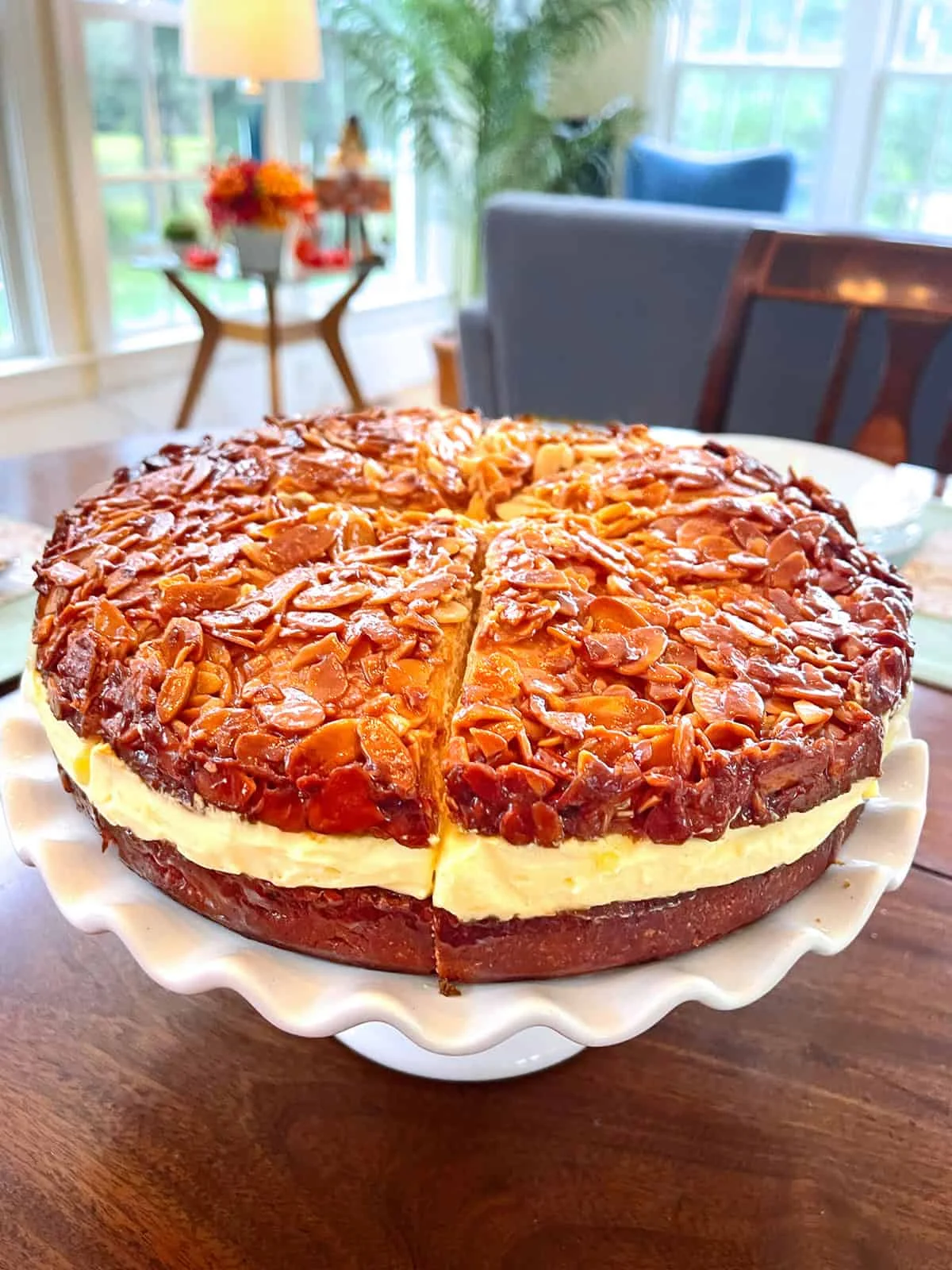
In the pantheon of German culinary heritage, few desserts command as much respect—or provide as much comfort—as the Bienenstich, or "Bee Sting Cake." A masterpiece of texture and balance, this traditional German confection is defined by its golden, honey-caramelized almond crown, its rustic yet tender yeast-leavened cake base, and a lush, cooling core of vanilla custard. As an international icon of Kaffee und Kuchen (coffee and cake), the Bienenstich has transcended its regional roots to become a fixture in both domestic kitchens and professional Bäckereien (bakeries) across the globe.
Main Facts: The Anatomy of a Classic
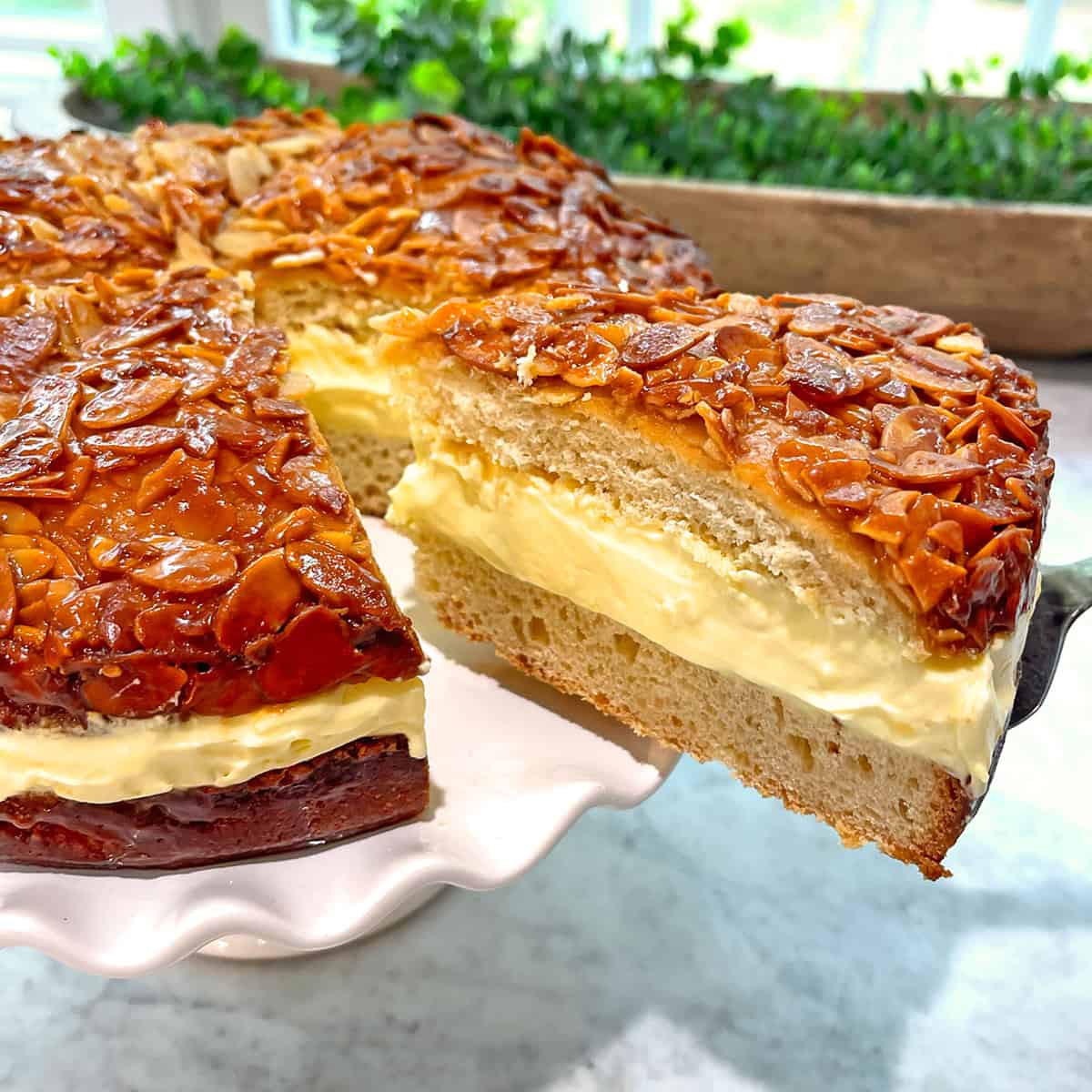
The Bienenstich is not merely a cake; it is a structural and flavor-focused achievement. Unlike the soft, sponge-based tortes that dominate modern patisserie, the Bienenstich relies on Hefeteig—an enriched, sweetened yeast dough. This dough provides a substantive, bread-like crumb that serves as the perfect canvas for the dramatic contrast of the topping.
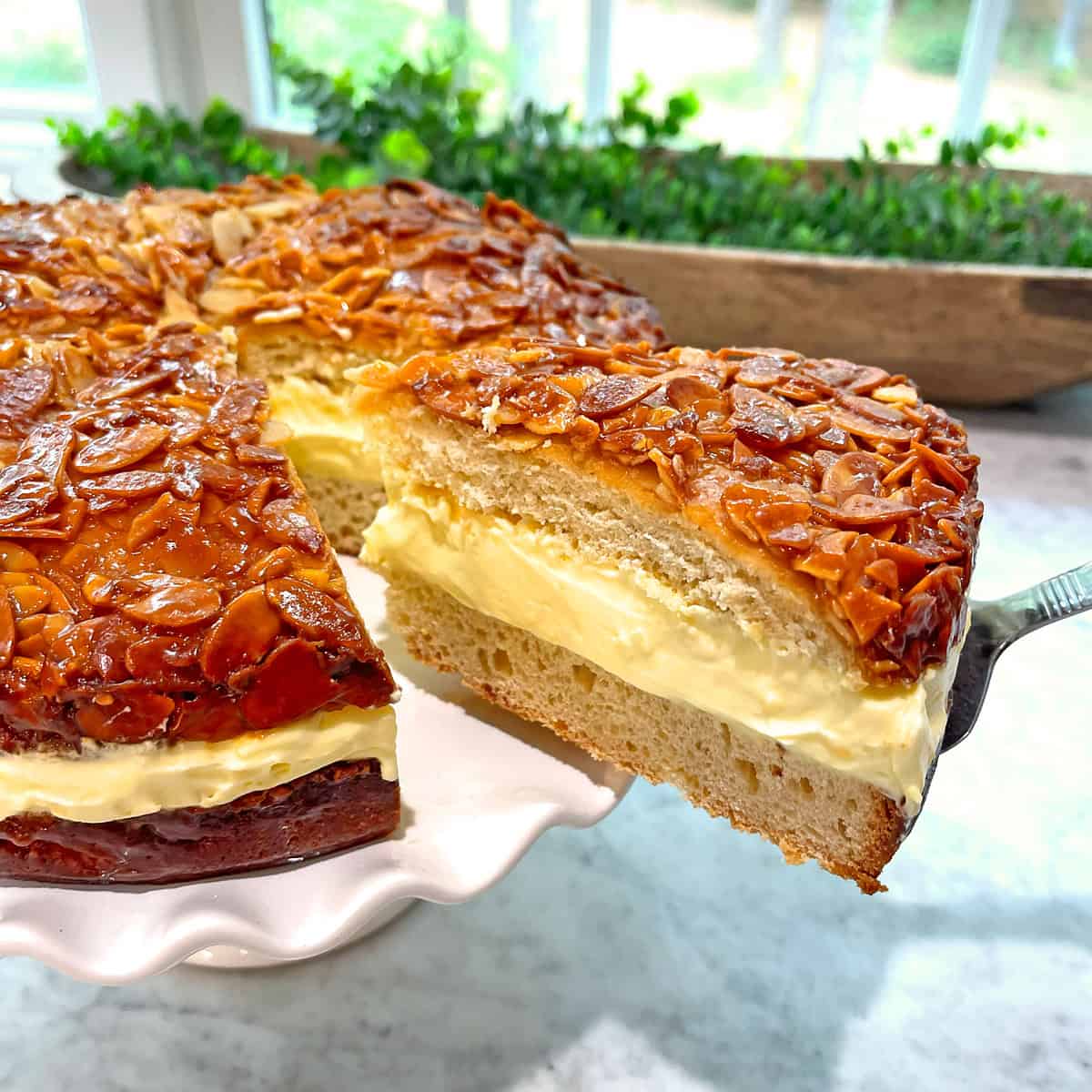
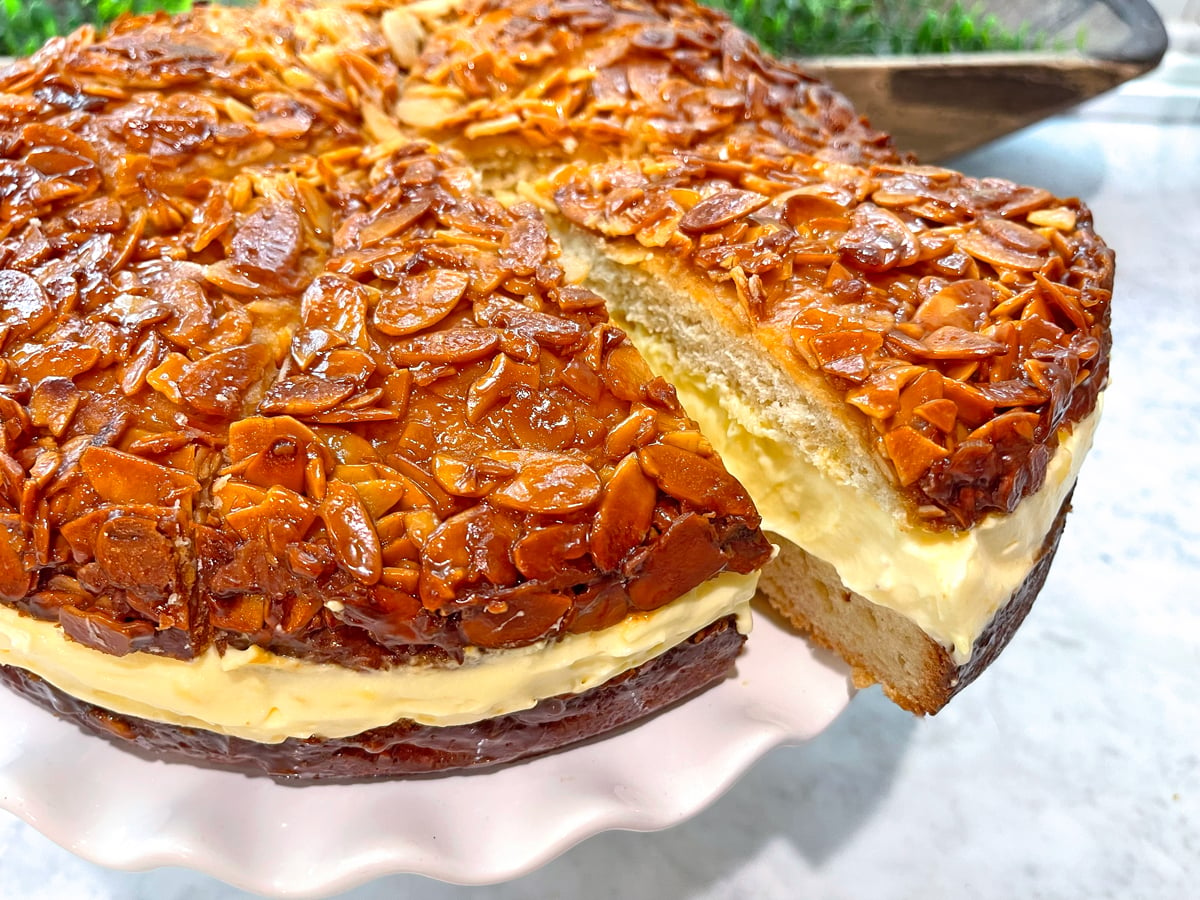
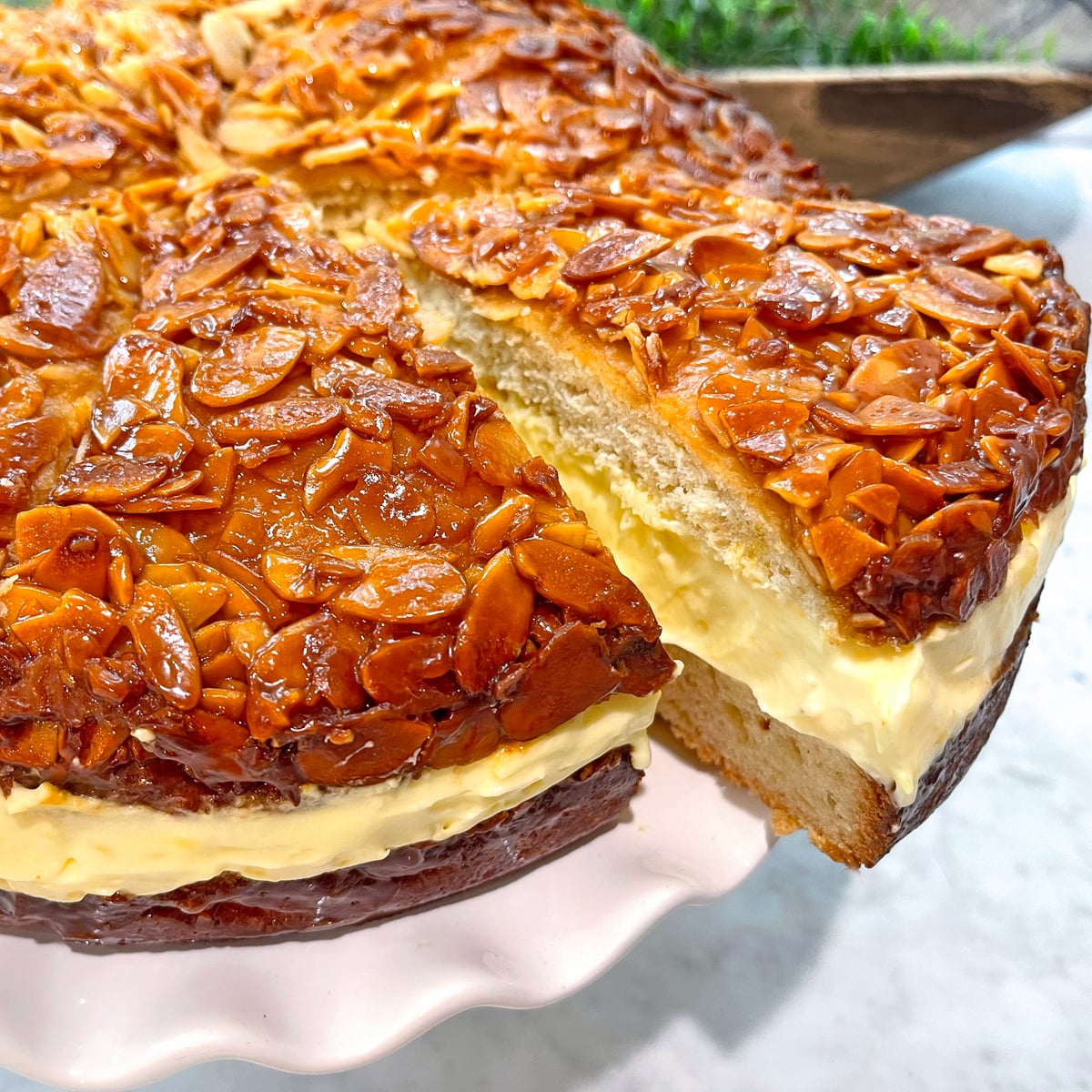
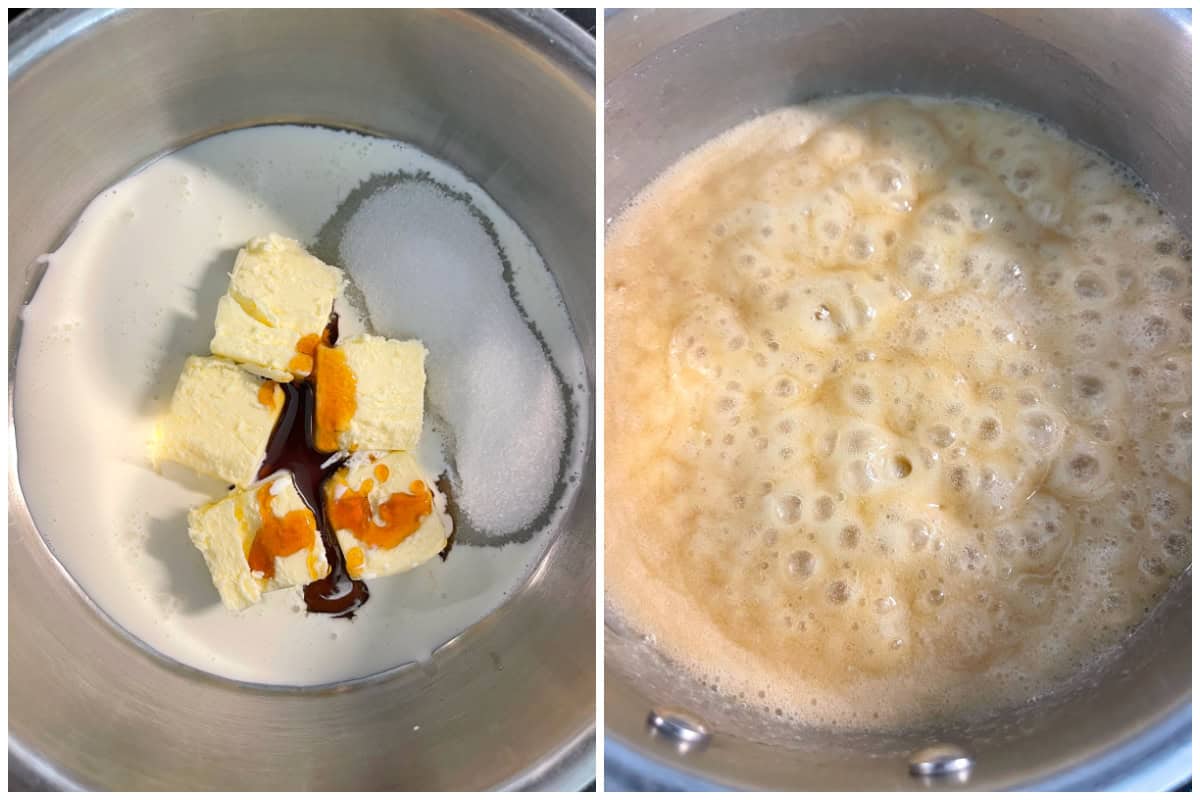
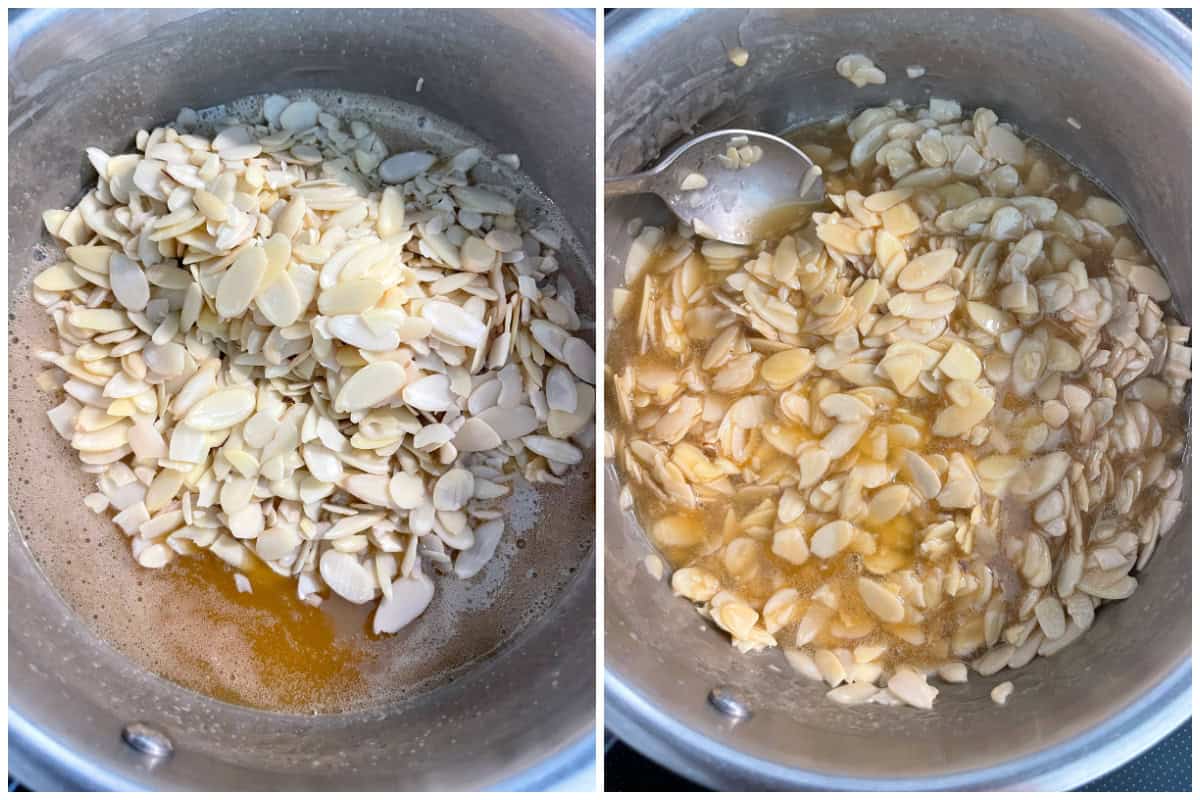
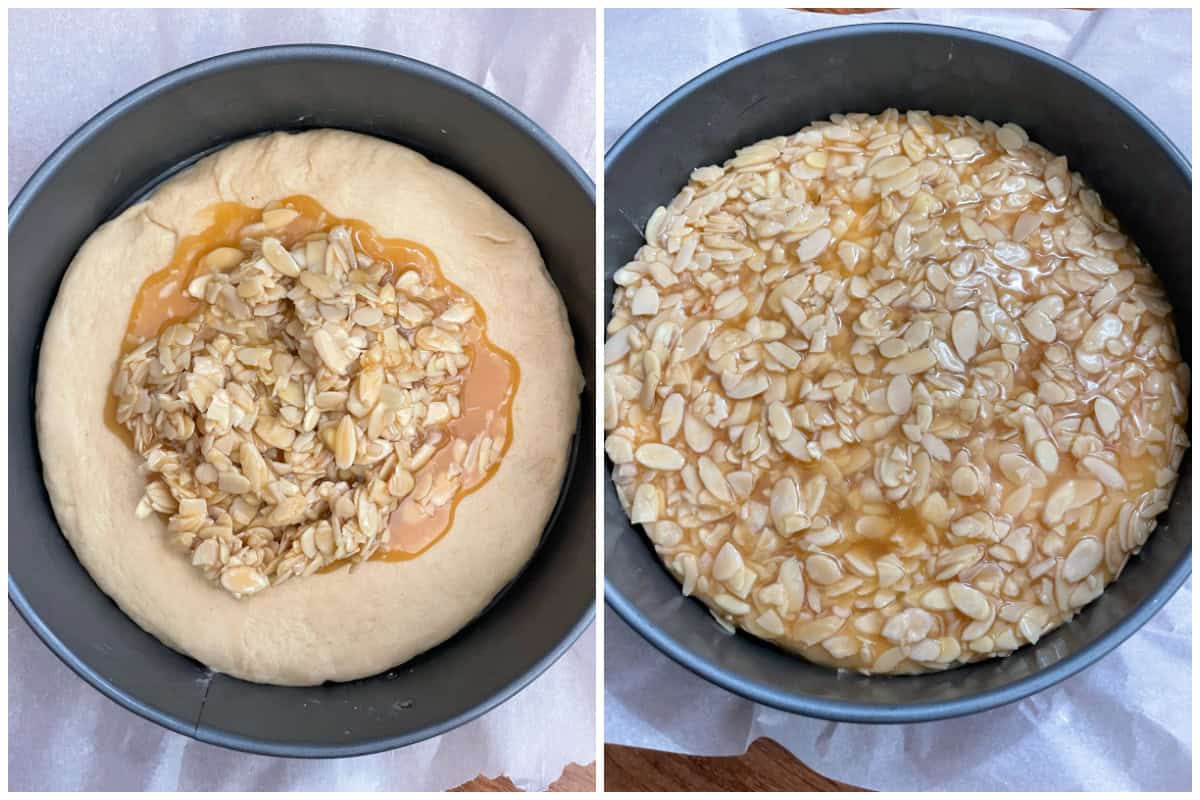
The defining characteristic of the cake is the Bienenstich-topping: a mixture of honey, butter, sugar, and heavy cream boiled together and tossed with sliced almonds. This mixture is applied to the raw dough before baking, creating a crackling, golden, caramelized armor that gives the cake its signature crunch. Once cooled and sliced horizontally, the cake is filled with a silky vanilla custard, often lightened with whipped cream to achieve a consistency that is rich yet airy.
Chronology: From Medieval Legend to 20th-Century Icon
While the name "Bee Sting Cake" is evocative of a dramatic past, the origins of the moniker remain shrouded in folklore. The most popular—and arguably the most colorful—legend dates back to the 15th century. According to the tale, the towns of Andernach and Linz am Rhein were embroiled in a bitter dispute. Two enterprising apprentice bakers from Andernach, while keeping watch on the city walls, spotted the invading forces from Linz. Seeing the enemy approaching, the quick-thinking bakers hurled beehives from the ramparts, sending the attackers into a retreat as they were swarmed by bees. Legend has it that the town celebrated this victory by baking a celebratory cake, christening it the "Bee Sting."
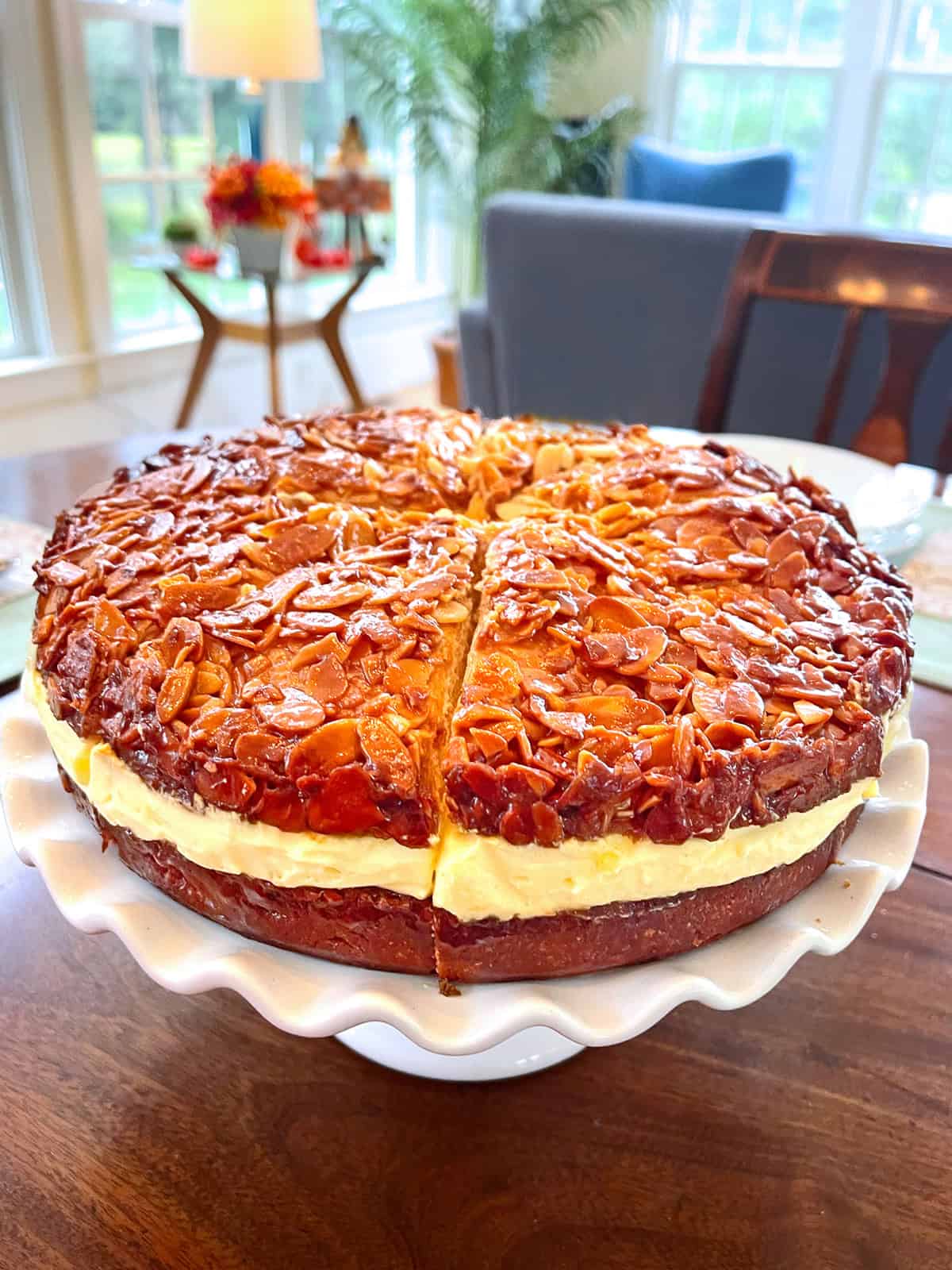
Historians, however, suggest a more pragmatic reality. There is little evidence to support the medieval origin story, with the earliest written records of the cake appearing in the early 20th century. A 1913 publication by the Badischer Frauenverein (Baden Women’s Association) provides the first known mention of a Bienenstich, though notably, the original version was a simple, single-layered sheet cake without any cream filling.
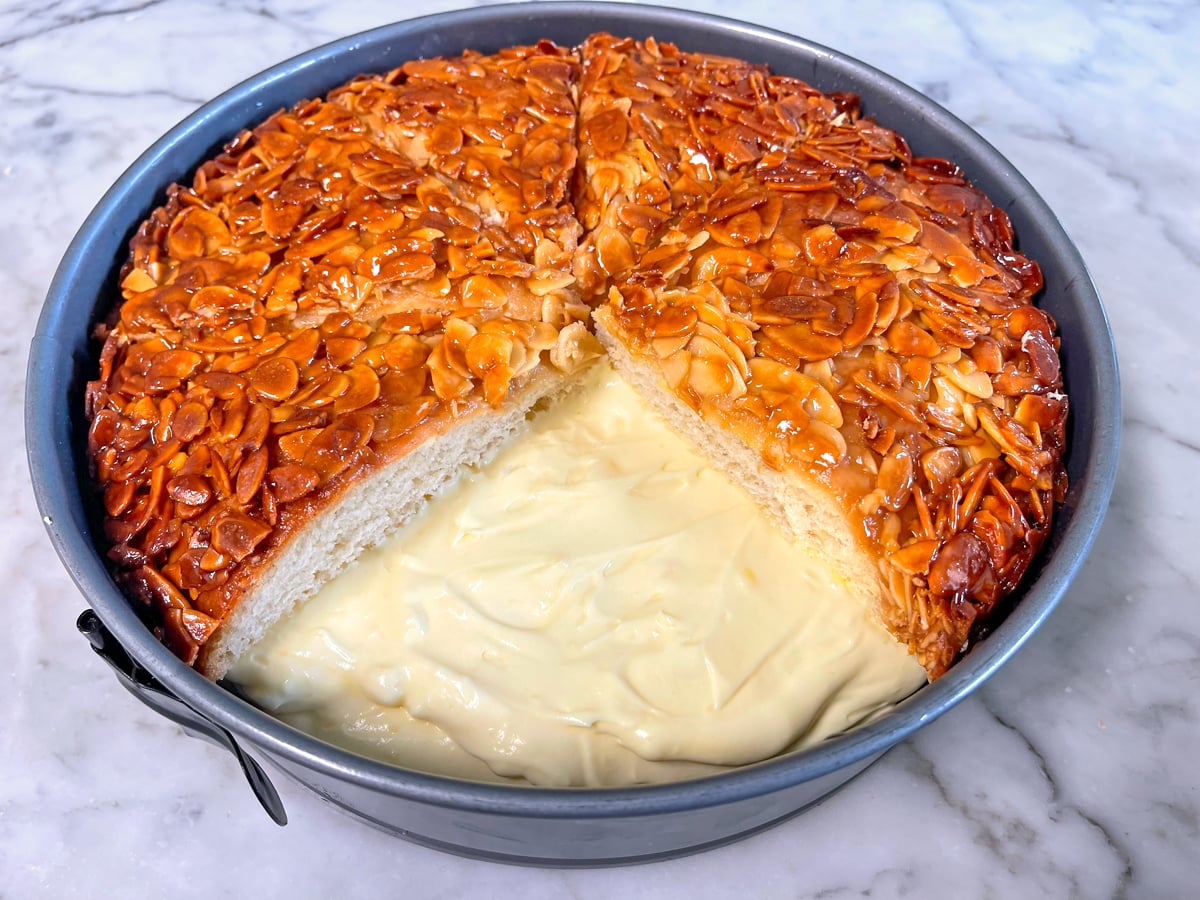
By 1914, references to a filled version began to appear in literature, such as Maria Lorenz’s Die Hausbäckerei, which noted that "sometimes the Bienenstich is also filled." It wasn’t until the 1920s that the cake began to gain wider recognition. A 1925 advertisement by the German food giant Dr. Oetker referred to the Bienenstich as a "pastry not yet generally well known." This timing is significant, as Dr. Oetker had revolutionized the home kitchen in 1894 with the invention of pre-packaged vanilla pudding powder, which provided the essential ingredient for the modern, creamy filling that defines the cake today. By the post-war era of the 1950s and 60s, the Bienenstich had solidified its status as a staple of the German diet, sitting comfortably alongside the Schwarzwälder Kirschtorte (Black Forest Cake) as a national treasure.
Supporting Data: The Technical Nuances
Achieving an authentic Bienenstich is widely considered a "labor of love." The process is not inherently difficult, but it requires patience and adherence to traditional methods.
The Yeast Dough (Hefeteig)
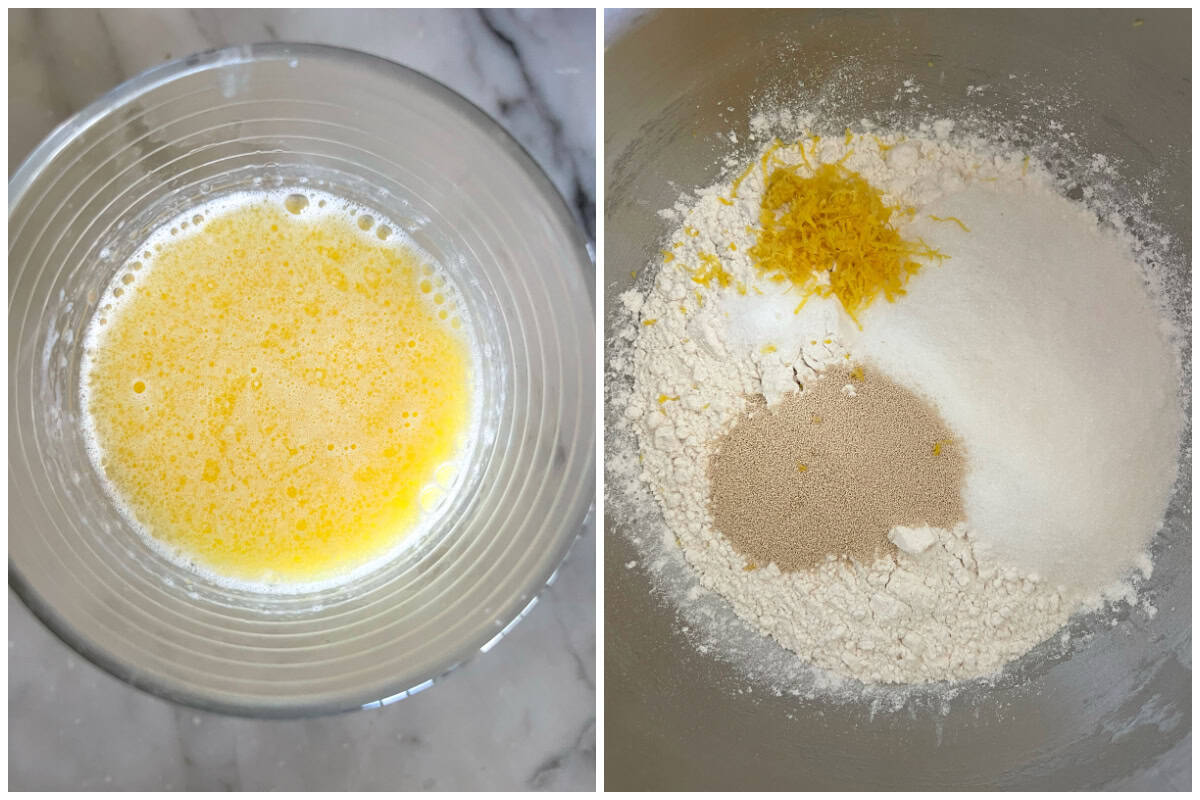
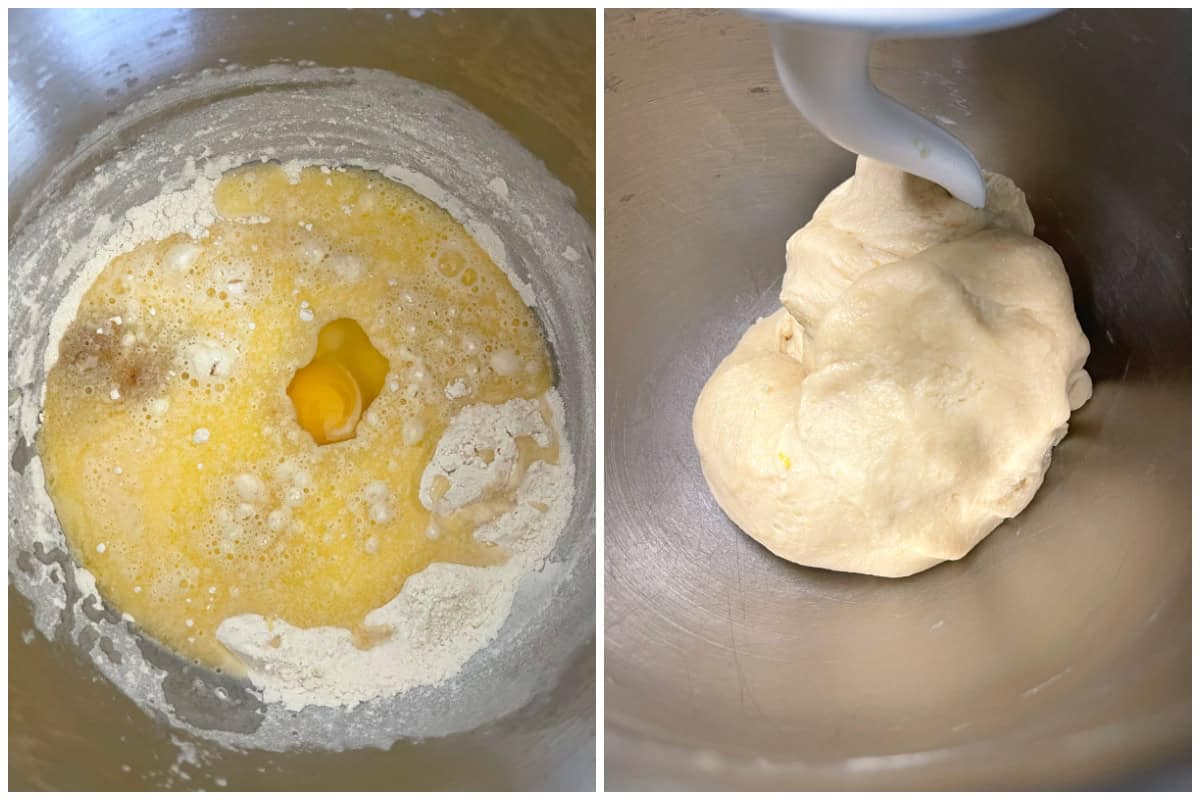
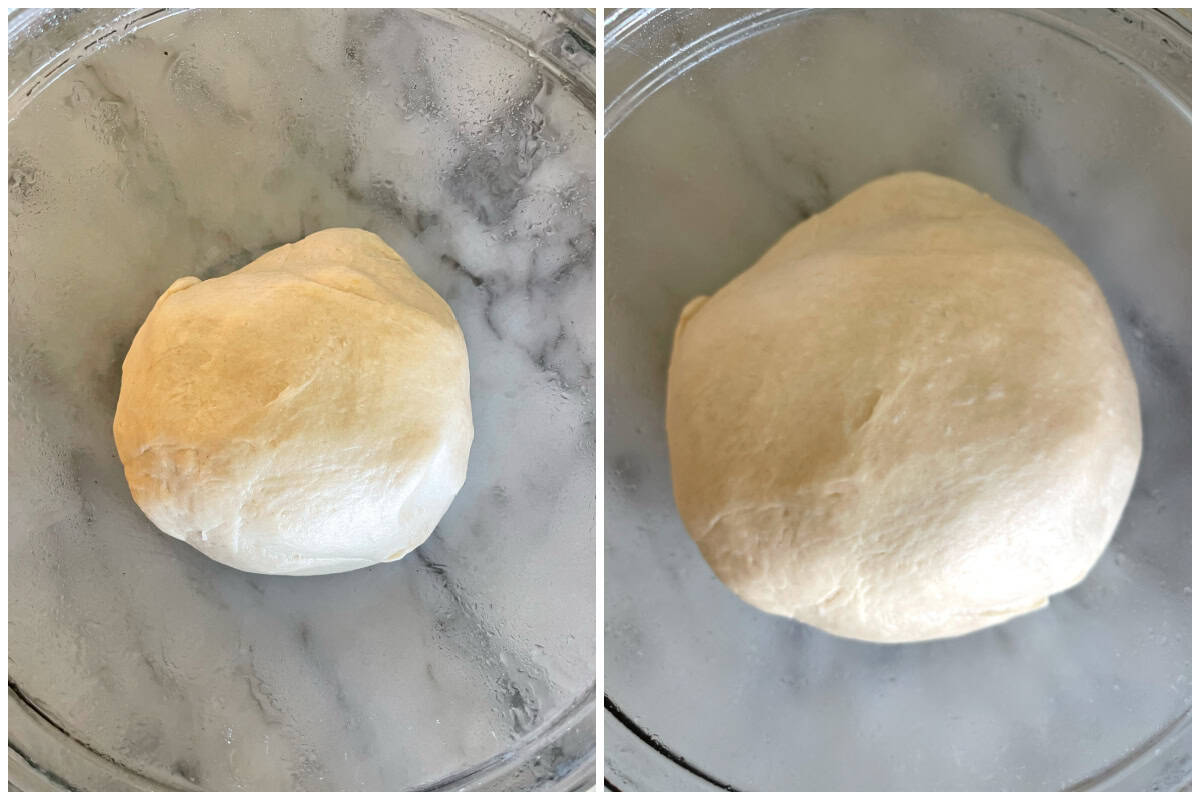
The base of the Bienenstich is an enriched yeast dough. Unlike quick breads that rely on chemical leavening, the Hefeteig requires time to proof—often 90 minutes to two and a half hours, depending on the ambient temperature. A pro-tip used by master bakers is the "scalding" of the milk. By heating milk to 180-185°F before incorporating it into the flour, bakers can produce a significantly softer, more elastic crumb, ensuring the final cake is not overly dry.
The Filling Controversy: Homemade vs. Convenience
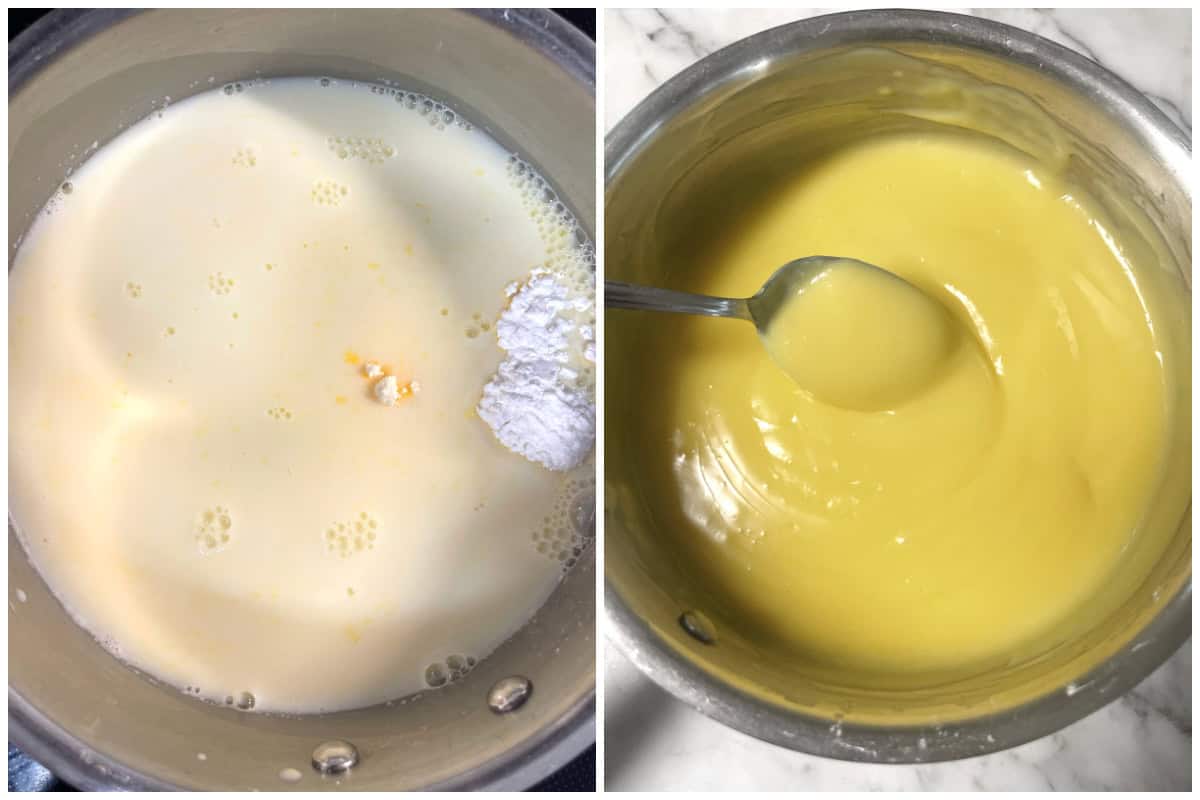
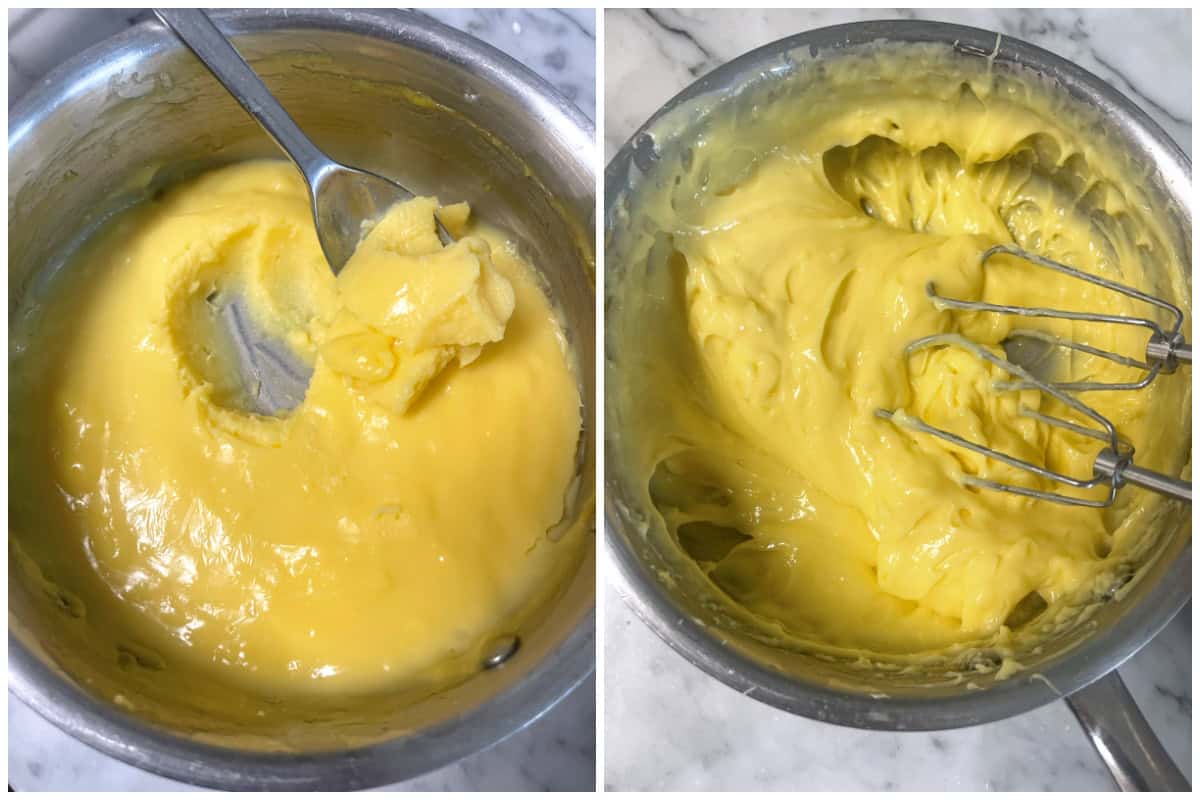
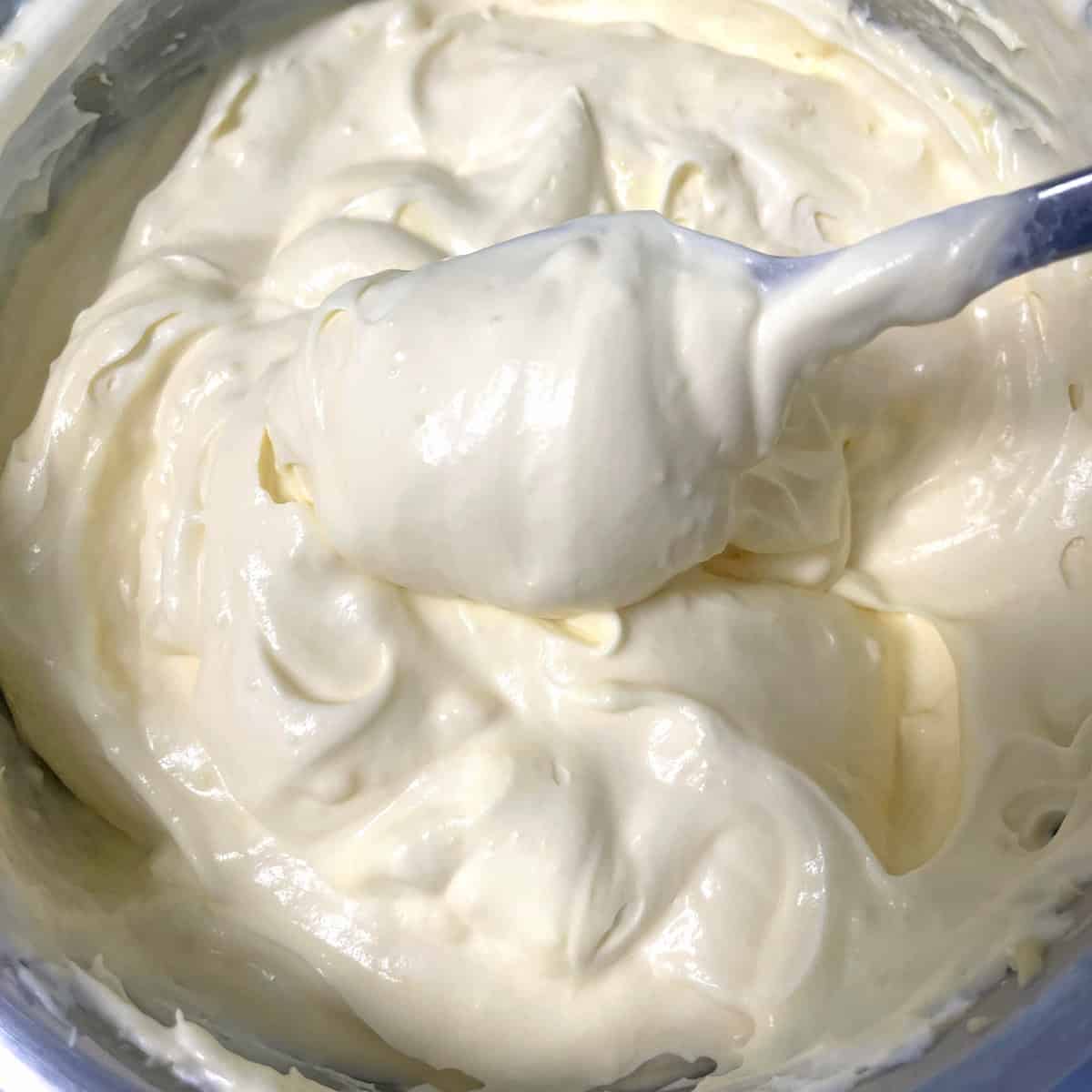
A common point of contention among purists is the use of pre-packaged vanilla pudding mix. While modern culinary trends prioritize from-scratch cooking, the "traditional" method for a 20th-century Bienenstich is, in fact, the use of a pudding mix. Because the cake’s history is so closely tied to the rise of commercial baking aids in Germany, using a high-quality vanilla pudding powder is not considered a shortcut, but rather an authentic homage to the mid-century home-baking boom. However, for those seeking a more artisanal approach, a classic Bavarian Cream (Crème Bavaroise) provides a superior, velvet-like consistency.
Structural Integrity
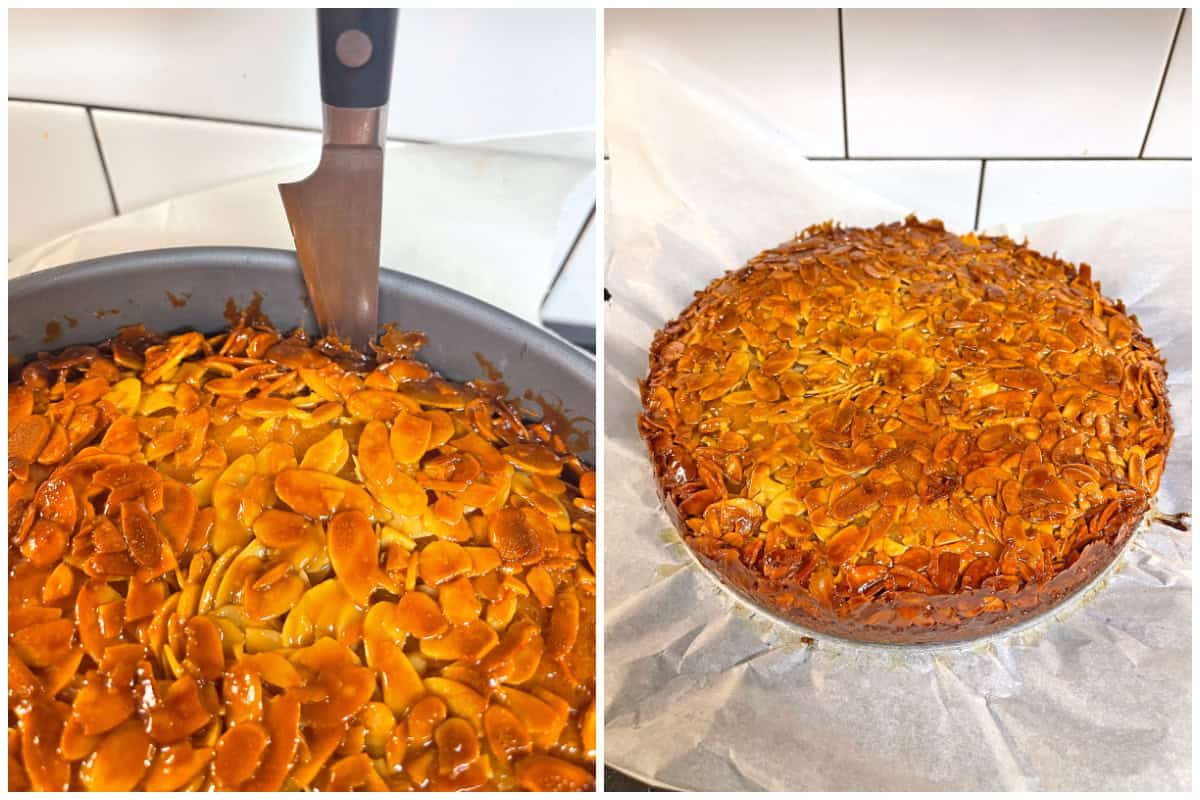
A critical, often overlooked step in the construction of the Bienenstich is the pre-slicing of the top layer. Because the caramelized almond topping is firm and crunchy, attempting to cut through it once the cake is fully assembled—with its soft custard filling—will cause the center to squish out. By cutting the top layer into wedges before placing them atop the custard, the baker ensures a clean, professional presentation that respects the cake’s structural limitations.
Official Perspectives and Professional Standards
Professional pastry chefs emphasize the importance of the springform pan size. Using a 10-inch or 11-inch pan is standard. If the pan is too small, the yeast layers become overly thick, leading to a dry, bready mouthful that lacks the proper ratio of custard to cake.
Furthermore, temperature control is paramount. The custard must be completely cooled before being combined with whipped cream to prevent the fats from separating, and the finished cake must be allowed to set in the refrigerator for at least one hour. This chilling process allows the custard to firm up, ensuring that the cake maintains its form when sliced and served at room temperature.
Implications: The Cultural Significance of "Kaffee und Kuchen"
The Bienenstich represents more than just a recipe; it is a manifestation of the German Kaffee und Kuchen culture. This tradition—the German equivalent of afternoon tea—is a time-honored practice of slowing down, gathering with family, and enjoying a slice of something homemade.
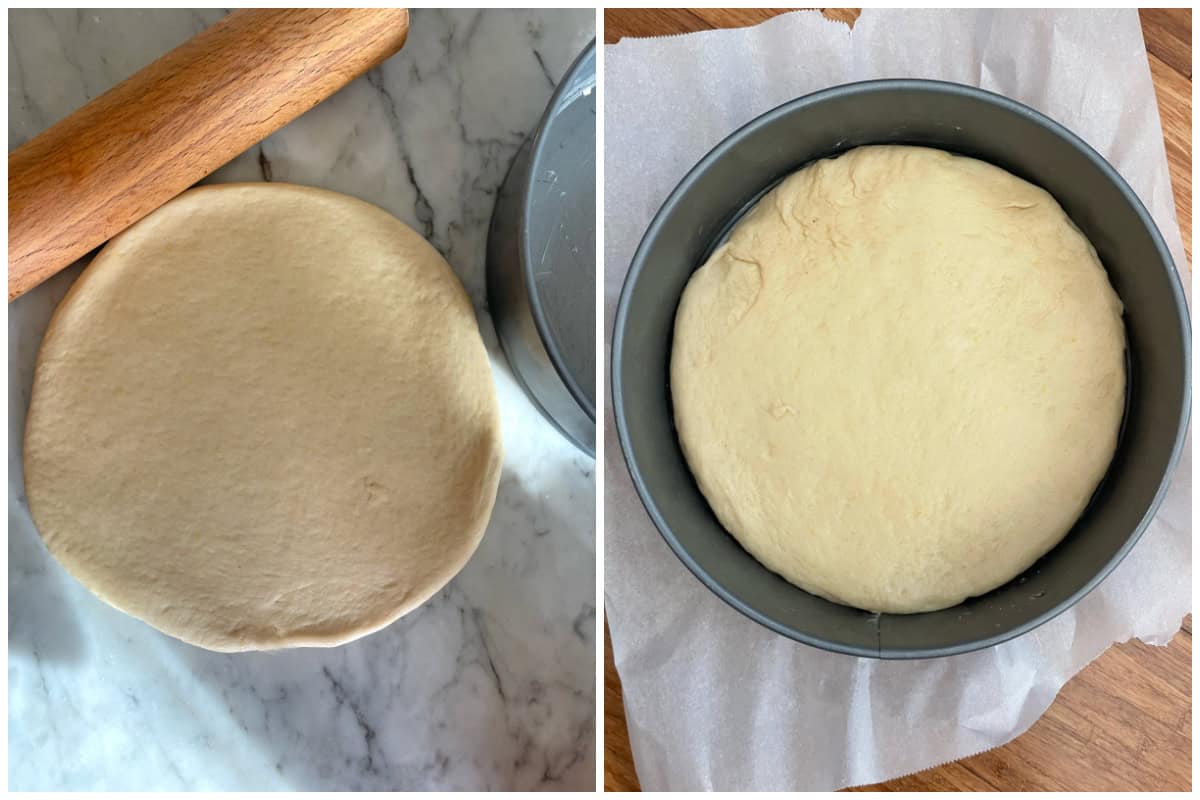
In a modern, fast-paced world, the Bienenstich serves as a reminder of the value of patience. Its preparation requires multiple stages: proofing the dough, preparing the custard, simmering the honey-almond topping, and allowing the assembly to set. It is a dish that cannot be rushed, and therein lies its charm.
The cake’s resilience as a classic is also a testament to its texture. The interplay between the "snap" of the caramelized almond topping, the soft, slightly sweet chew of the yeasted crumb, and the smooth, cold finish of the vanilla filling provides a sensory experience that is rarely matched by modern, single-texture desserts.
Final Thoughts for the Home Baker
For those looking to recreate this German icon at home, the keys to success are simple:
- Patience with the dough: Allow the yeast to do its work.
- Quality of the custard: Whether you use a traditional mix or a homemade Bavarian cream, ensure it has the right "looseness"—it should hold its shape but melt on the tongue.
- Respect for the topping: Monitor the honey-almond mixture closely; if the sugar burns, the entire flavor profile is compromised.
The Bienenstich is a labor of love that pays dividends in flavor. Whether it is served during a Christmas gathering or a casual Sunday afternoon, it remains one of the most beloved examples of German craftsmanship. As you prepare your first batch, remember that you are participating in a century-old tradition that values quality, time, and the simple pleasure of a well-baked cake.
By adhering to these traditional techniques, home bakers can ensure that this "Bee Sting" remains as potent and delicious as it was in the kitchens of 1920s Stuttgart, providing a timeless taste of history in every bite.


 Basiran
 Jia Lissa
