

 Azzam Bilal Chamdy
 Neng Nana
 Nana Muazin
 Dwi Wanna
 Raul Delapena Setiawan
 Asro
Asro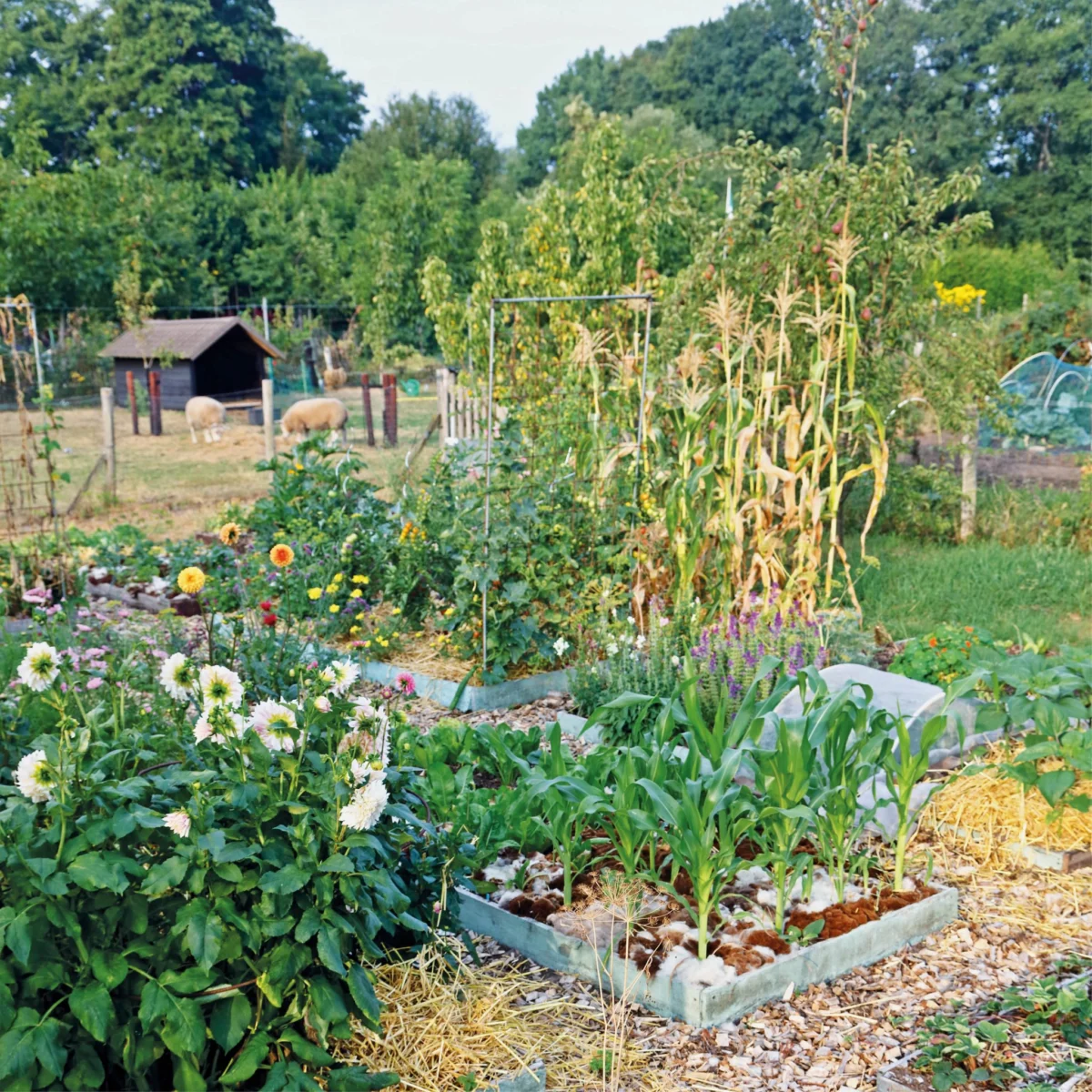
Is corn a vegetable, a grain, or perhaps a fruit? The answer, while biologically straightforward, is culturally complex. Depending on where you stand on the globe or your culinary tradition, corn is a dietary chameleon. It is a fundamental crop that bridges the gap between the vegetable patch and the grain silo. For the home gardener and the agricultural enthusiast, understanding this duality is the key to unlocking a bountiful and diverse harvest.
The Botanical Duality: Grain vs. Vegetable
At its core, corn (Zea mays) is a member of the grass family, Poaceae. Botanically, the kernels are fruits, specifically a type of dry fruit known as a caryopsis. However, its classification in the kitchen is determined by its starch content and harvest timing.
Originating in Central America thousands of years ago, corn served as the foundation of ancient civilizations. In these traditional contexts, corn is classified as a grain. Varieties such as flint corn and flour corn are rich in complex starches, possessing a dense, earthy profile rather than a sugary sweetness. These are harvested when fully mature and dried, destined to be ground into masa or flour.
Conversely, much of the Western world views corn primarily as a vegetable. This culinary designation is reserved for "sweet corn"—varieties bred for high sugar content and harvested while the kernels are in the "milk stage." Understanding this distinction is vital for any gardener, as the choice of variety dictates everything from planting density to the optimal harvest window.
Chronology of a Season: From Windowsill to Harvest
Successful corn cultivation requires a dance with the climate. While American folk wisdom suggests waiting until oak leaves are the size of a "squirrel’s ear" to sow, modern gardeners often rely on a more systematic, calendar-based approach.
Early Spring: The Germination Phase
For those in temperate zones (such as USDA Hardiness Zones 7-8), the process begins in late April. While corn thrives in warmth, it can be jump-started indoors. Utilizing deep containers—specifically "rootrainers"—is highly recommended. These provide the necessary vertical space for the plant’s aggressive primary root system to establish itself without restriction.
Late Spring: The Transition
Seedlings are typically ready for transplanting two to three weeks after germination. To ensure a continuous harvest throughout the summer, staggered sowings through May and into early June are essential. While direct sowing into the garden is possible once the soil has sufficiently warmed, many gardeners prefer starting in controlled environments to protect vulnerable seeds from opportunistic birds and mice. Surprisingly, corn is more resilient than its tropical origins might suggest; once established, it can tolerate the cool, rainy spells common in early May.
Summer: The Pollination Critical Path
The most vital period in the corn’s life cycle is the pollination phase. Unlike many garden vegetables that rely on bees or butterflies, corn is wind-pollinated. The "tassels" at the top of the plant release pollen, which must land on the silk of the ears below.
This requirement for wind-driven movement dictates the planting geometry. A single row of corn is a recipe for failure, as it does not allow for efficient pollen dispersal. Instead, gardeners should plant in "blocks" or dense clusters—a minimum of nine plants is a standard rule of thumb. This ensures that the wind circulates pollen throughout the entire patch, preventing the dreaded "poorly filled ear" phenomenon.
Supporting Data: The Science of Selection
When selecting varieties, gardeners must consider the "genetic makeup" of the corn, particularly concerning sugar retention.
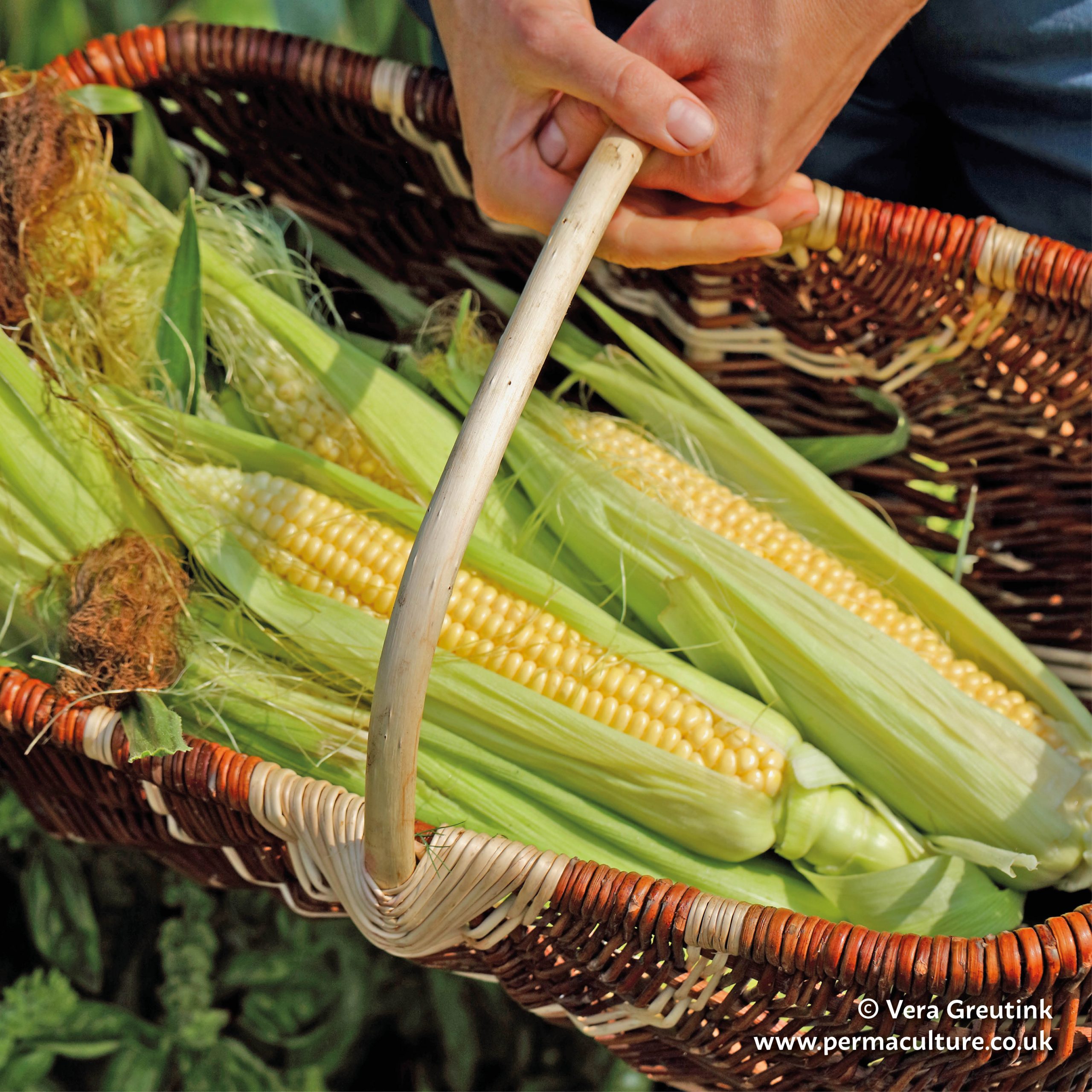
- Traditional (SU – Sugar): These varieties offer a classic, creamy texture. However, they possess a "short fuse." Once harvested, the sugars begin converting into starch almost immediately. To enjoy them at their peak, they must be eaten within hours of picking.
- Supersweet (SH2 – Shrunken): These varieties contain the "shrunken" gene, which prevents the rapid conversion of sugar to starch. This allows for a longer shelf life, making them ideal for those who cannot eat their harvest instantly. However, they lack the creamy, luxurious mouthfeel of traditional types.
- Tendersweet: A modern hybrid that seeks the middle ground, offering the high sugar content of supersweet varieties with the creamy, satisfying texture of traditional corn.
The Risk of Cross-Pollination
Gardeners must be wary of "genetic drift." Because corn is wind-pollinated, pollen can travel hundreds of feet. If a sweet corn variety is cross-pollinated by a field corn or a different sweet corn type, the resulting kernels will be affected. This can lead to a loss of sweetness in supersweet varieties or a toughening of the texture in traditional ones. To mitigate this, growers should separate varieties by distance or by staggering their planting dates so that they do not flower at the same time.
Implications for Permaculture and Companion Planting
Integrating corn into a broader polyculture ecosystem is one of the most rewarding practices for the organic gardener. By viewing the corn plant as a structural element, one can maximize garden efficiency.
The "Three Sisters" Evolution and Beyond
The classic Indigenous practice of planting corn, beans, and squash together is a masterclass in space management. Modern adaptations include:
- Corn and Chard: By planting chard under the tall, slim stalks of corn, the gardener provides the leafy greens with essential summer shade. Post-harvest, the corn stalks are cut down, allowing the chard to flourish in the increased light of the autumn sun.
- Corn and Climbing Beans: The corn acts as a natural trellis. Beans are sown at the base once the corn reaches 15-20cm. While this might slightly reduce the yield of both crops due to competition for resources, the symbiotic benefit of space-saving is often considered a net gain.
- Corn and Ice Plant: Mesembryanthemum crystallinum, or ice plant, serves as a remarkable ground cover. Its succulent leaves help maintain soil moisture, suppress weeds, and provide an extra edible harvest, turning the bare soil between corn rows into a productive "living mulch."
Expert Perspectives and Sustainability
Leading agricultural experts and permaculture writers emphasize that the key to sustainable corn growing is soil health. While flour corn is hardy and drought-tolerant, sweet corn demands fertile, nutrient-rich soil.
"The art of growing corn is an exercise in planning," notes organic gardener and author Vera Greutink. By incorporating polyculture methods—such as mixing in tomatillos, sunflowers, and zinnias—gardeners can create a balanced ecosystem that mimics the biodiversity of the plant’s Central American origins.
Furthermore, the aesthetic potential of heirloom varieties should not be overlooked. Varieties like "Painted Mountain" or the stunning, jewel-toned "Glass Gem" offer beauty as well as utility. These varieties are not just food; they are a connection to history and a testament to the sheer diversity within the species.
Conclusion: A Garden Staple for Every Season
Whether you are a commercial grower looking for the shelf-stable properties of supersweet varieties or a backyard gardener interested in the historical significance of flour corn, the lessons remain the same. Success with corn requires an understanding of its pollination mechanics, a respect for its need for fertile ground, and a willingness to embrace the trial-and-error nature of organic gardening.
By staggering your sowings, choosing varieties that suit your culinary needs, and integrating companion plants to create a resilient, self-sustaining patch, you turn a simple grain into the cornerstone of your summer garden. Corn is not merely a crop; it is a versatile, living, and historical participant in our food systems, ready to be grown, shared, and savored.
As we look toward more sustainable and localized food production, the humble corn plant stands as a symbol of agricultural adaptability. By mastering its growth, we do more than just harvest a vegetable or a grain—we participate in a tradition that has sustained humanity for millennia.



 Siti Muinah
