

 Azzam Bilal Chamdy
 Neng Nana
 Nana Muazin
 Dwi Wanna
 Raul Delapena Setiawan
 Siti Muinah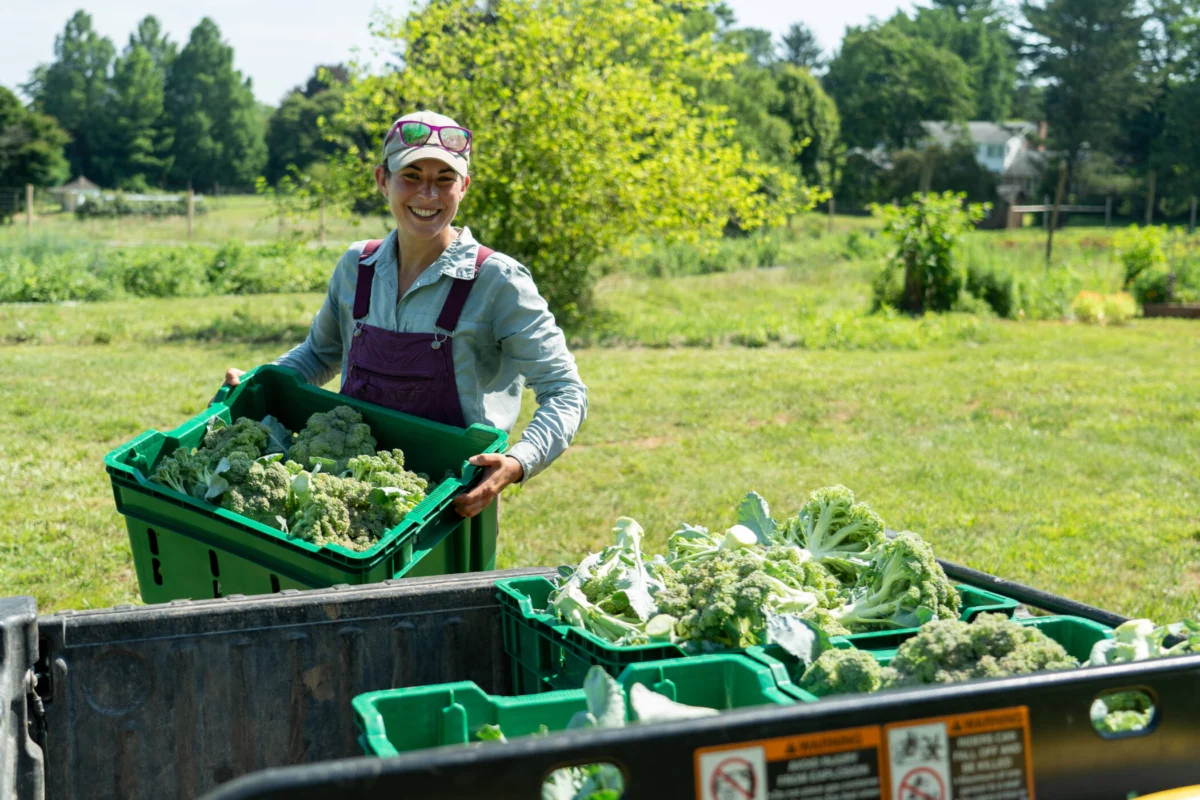
In the halls of modern medicine, the focus has long been on managing symptoms through pharmaceuticals and reactive interventions. However, a quiet revolution is taking root, bridging the gap between the vitality of the earth and the longevity of the human body. Regenerative healthcare—a movement championed by organizations like the Rodale Institute—is shifting the paradigm. By connecting the nutrient density of crops grown in healthy, living soil to the prevention and reversal of chronic disease, practitioners are beginning to treat food not as an afterthought, but as a primary clinical prescription.
Main Facts: The Intersection of Agriculture and Medicine
At its core, regenerative healthcare posits that human well-being is inextricably linked to the health of the soil. When soil is managed using regenerative organic practices, it fosters a diverse microbiome, which in turn enhances the bioavailability of phytochemicals and essential nutrients in the food we consume.
Conversely, the industrial food system has prioritized yield over nutrition, leading to a landscape dominated by ultra-processed foods. These products, derived largely from corn, soy, and wheat monocultures, are engineered for shelf-life and palatability rather than health. As a result, the average American diet is now comprised of over 50 percent ultra-processed calories, a factor that is increasingly being cited as a primary driver of the nation’s chronic disease epidemic.
Chronology: A Half-Century of Nutritional Decline
The disconnect between the farm and the pharmacy can be traced back to mid-20th-century agricultural policies.
- 1950–1999: The Great Nutrient Decline: A longitudinal analysis of USDA data spanning these five decades revealed a troubling trend. While grain yields doubled due to intensive industrial farming, the nutritional profile of 43 common vegetables plummeted. Concentrations of vital minerals like calcium, iron, and magnesium, alongside essential vitamins like Vitamin C, showed significant reductions. This suggests that as we pushed the earth to produce more volume, the quality of the harvest suffered.
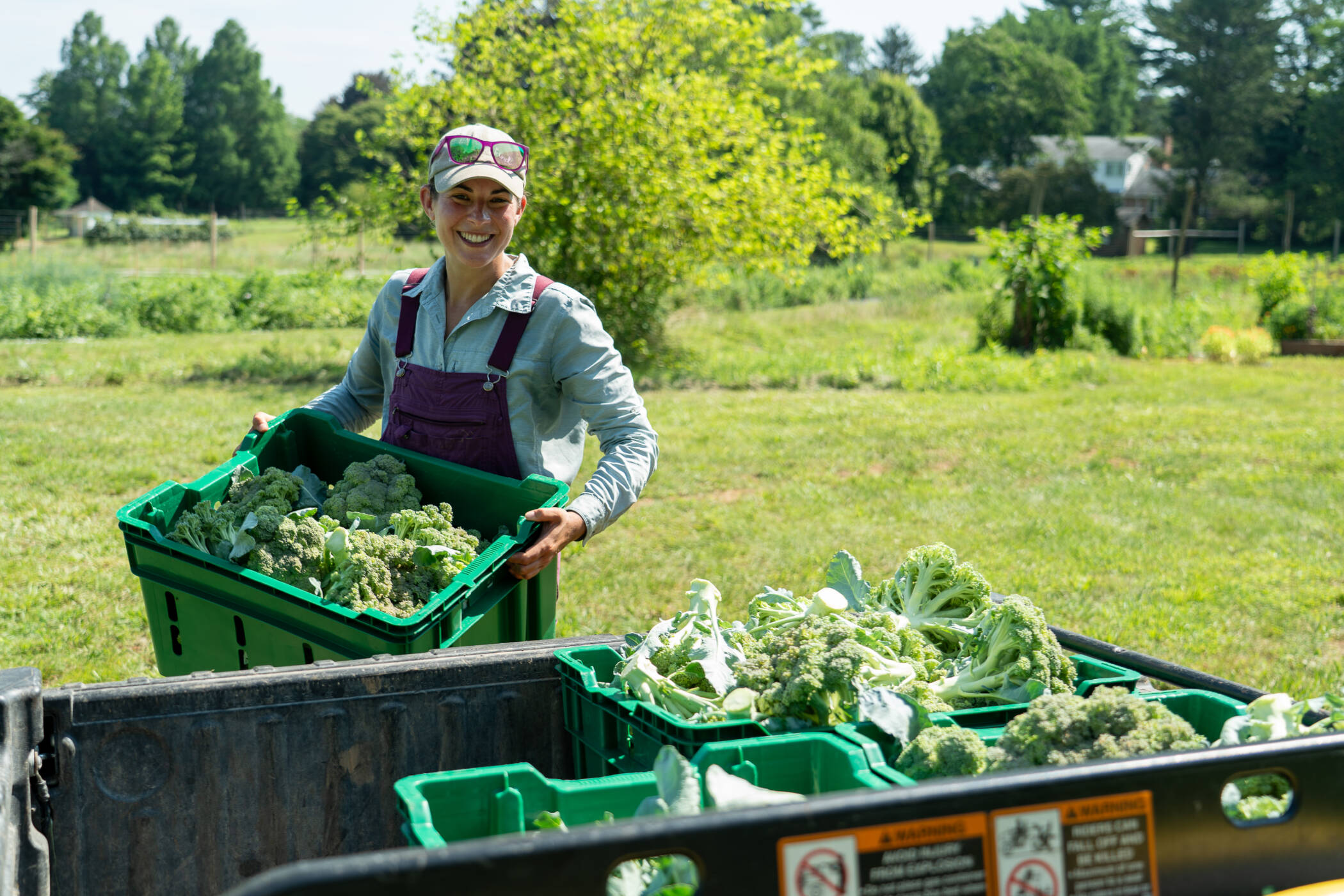
- 2014: The St. Luke’s Initiative: The Rodale Institute launched a landmark partnership with the St. Luke’s University Health Network in Easton, Pennsylvania. By establishing an organic farm directly on the hospital campus, the initiative provided a proof-of-concept: that healthcare institutions could source hyper-local, nutrient-dense produce to directly benefit patient recovery and staff wellness.
- 2020: The Power of the Plate: The publication of The Power of the Plate by the Rodale Institute formalized the regenerative healthcare movement, providing a blueprint for how organic, plant-forward diets could serve as a non-pharmaceutical intervention for chronic disease.
- 2023–2025: Expanding the Footprint: The movement gained momentum with the success of the Cornwall Manor-Rodale Institute Trailside Organic Farm, which produced over 9,000 pounds of food in its first year, and the 2025 launch of a new partnership with Phoebe Ministries, focusing on the specific nutritional needs of aging populations.
Supporting Data: The Cost of Ultra-Processed Living
The clinical implications of the current industrial food system are staggering. According to a 2025 study published in the American Journal of Preventive Medicine, ultra-processed foods are responsible for an estimated 124,000 premature deaths in the United States annually.
The mechanism of harm is twofold: these foods introduce inflammatory, non-nutritive ingredients—such as refined sugars, hydrogenated oils, and chemical additives—while simultaneously displacing the nutrient-dense whole foods necessary for physiological repair.
Obesity and the Inequality of Nutrition
The CDC reports that nearly 40 percent of American adults are classified as obese, a condition that serves as a gateway to cardiovascular disease and type 2 diabetes. While obesity is often stigmatized as a failure of individual willpower, the data tells a more systemic story. Food-insecure households are at a higher risk of obesity precisely because the most affordable, accessible foods in the modern marketplace are the most highly processed. This creates a cycle where the most vulnerable populations are provided with the least nourishing calories.
The Longevity Dividend
The benefits of switching to an "optimal diet"—one rich in whole grains, legumes, fish, nuts, and fresh produce—are quantifiable. A 2019 study on the Global Burden of Disease suggests that if a 20-year-old transitions to an optimal diet, they could add over a decade to their life expectancy. Even at age 60, shifting away from a Western, processed diet can grant an individual roughly eight additional years of life.
Official Responses: Expert Insights on Regenerative Healthcare
Physicians are increasingly stepping out of their clinics to engage with the agricultural community. Dr. Meagan Grega, a Pennsylvania-based physician certified in lifestyle medicine, highlights the urgency of this transition. "Ultra-processed foods increase our risk of morbidity and mortality through two mechanisms," she notes. "The direct impact of the foods themselves, and the loss of the protective benefits from the nutritious foods that they replace."
Researchers at the Rodale Institute have sought to quantify these benefits through the Vegetable Systems Trial. This ongoing study provides hard data on how specific farming methods—such as cover cropping and the absence of synthetic fertilizers—increase the concentration of bioactive phytochemicals. These substances are not just "vitamins"; they are the plant’s own defense mechanisms, which, when ingested by humans, act as antioxidants and anti-inflammatories.
Implications: Building a Resilient Healthcare Infrastructure
The implications of the regenerative healthcare model extend far beyond the dinner table; they represent a fundamental restructuring of how we define "care."
The Institutional Model
By integrating organic farms into hospitals and retirement communities, the Rodale Institute is creating a scalable model for other institutions. When a hospital provides patients with produce grown just yards away from their rooms, the logistical carbon footprint is reduced, the food’s nutrient density is maximized, and the patients receive a tangible, edible component of their recovery plan.
Restoring Soil as a Medical Strategy
The founding principle of the Rodale Institute—that human health is an extension of soil health—is gaining traction in policy circles. The logic is circular and sustainable:
- Regenerative Agriculture: Builds soil health and increases nutrient density.
- Nutrient-Dense Diet: Reduces systemic inflammation and chronic disease markers.
- Healthcare Savings: Reduces the burden on the medical system by treating the root cause of illness rather than the symptoms.
The Path Forward
The annual Rodale Institute Regenerative Healthcare Conference serves as the nexus for this change. By bringing together farmers, who act as the primary "producers of health," and doctors, who act as the "prescribers of health," the conference is effectively creating a new language of medicine.
As we look toward the future, the integration of regenerative organic agriculture into the healthcare curriculum is likely the most significant hurdle and opportunity. We are moving toward a future where a prescription pad might include a recommendation for a specific variety of kale grown in specific soil, or where "farm-to-table" is not just a culinary trend, but a clinical standard of care.
Ultimately, the words of Hippocrates, "Let food be thy medicine and medicine be thy food," are no longer a romantic ideal. In the context of regenerative healthcare, they are becoming a biological necessity. As our soil becomes more vibrant and biologically diverse, so too does the health of the population that relies upon it. The challenge now is to scale these pilot programs into a national infrastructure that treats the health of the planet as the foundation for the health of every human being.




