
 Lina Hope
 Iffa Jayyana
 Lina Irawan
 Ammar Sabilarrohman
 Ali Ikhwan
Published: October 12, 2026
The narrative of human progress has long been tethered to the horizon, a forward-looking trajectory defined by expansion and innovation. Yet, in the twilight of the 2020s, a new architectural typology is emerging—one that looks not toward the future, but toward the bunker. Across the rolling plains of Kansas, the desolate landscapes of South Dakota, and the isolated reaches of the South Pacific, the world’s elite are busy constructing a new kind of fortress. They are preparing for the "Event": a shorthand for a cascading collapse triggered by climate volatility, pandemic instability, and the unpredictable trajectory of artificial intelligence.
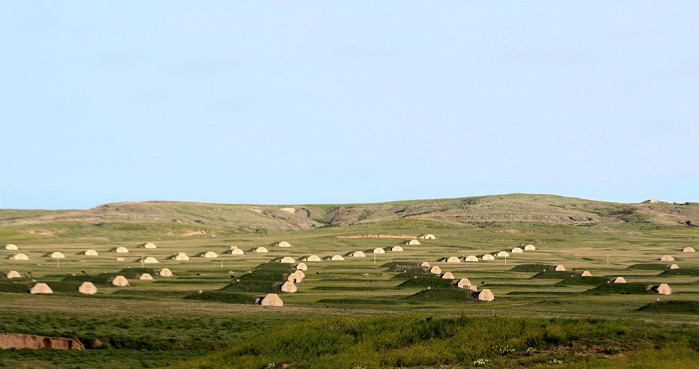
This is no longer the domain of the fringe survivalist hoarding canned goods. It is a multi-billion-dollar industry, a fusion of luxury real estate and existential anxiety, where the architecture of the Cold War is being retrofitted to house the architects of our current reality.
The Anatomy of the Modern Shelter: Main Facts
The current movement toward "apocalyptic architecture" is marked by a pivot from public infrastructure to private, fortified enclaves. The Survival Condo Project in Kansas serves as the preeminent case study. Once a hardened missile silo designed to withstand a nuclear strike, the structure has been reimagined as a vertical village for the ultra-wealthy. It is a 15-story subterranean fortress capable of sustaining life for five years entirely off-grid.
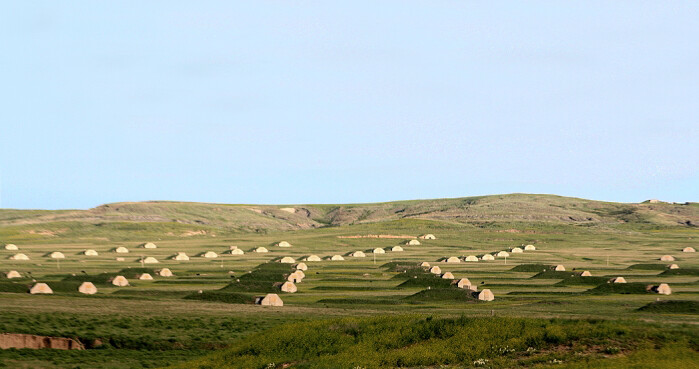
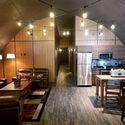
The technological specifications are staggering: hydroponic gardens, tilapia fish farms, and advanced air-filtration systems that mirror the sophistication of a space station. However, the most striking feature is psychological. To combat the profound depression of underground living, developers have integrated "virtual windows"—LED screens projecting real-time, high-definition landscapes of the world above. An owner might choose a sunny day in Central Park or a quiet forest in the Pacific Northwest, complete with ambient soundscapes, creating a simulation of a world that, outside the concrete shell, may have ceased to function.
A Chronology of Anxiety: How We Arrived Here
To understand the rise of the bunker, one must track the evolving nature of global crises over the last decade:
- 2010–2015: The Cold War Resurgence. The repurposing of decommissioned missile silos and military ammunition depots begins, largely fueled by a lingering post-9/11 anxiety and the early tremors of the climate crisis.
- 2017–2019: Silicon Valley’s Pivot. Journalists and sociologists document a shift in Silicon Valley culture. Billionaires, previously defined by their belief in technology’s power to "fix" the world, begin to hedge their bets. The "Doomsday Prep" movement gains traction in tech boardrooms.
- 2020–2022: The Pandemic Catalyst. The COVID-19 pandemic served as a proof-of-concept for global instability. It transformed the "apocalypse" from a literary trope into a tangible fear, accelerating investment in private, self-sufficient residential complexes.
- 2023–2026: The AI and Climate Tipping Point. As advancements in autonomous AI grow increasingly opaque and the physical manifestations of climate change—rising sea levels, mega-fires, and resource depletion—become impossible to ignore, the market for "survivalist luxury" reaches a fever pitch.
Supporting Data: The Economics of Fear
The survivalist industry is not merely a collection of eccentric projects; it is a robust market segment. According to recent reports, the "hardened luxury" sector has seen a 40% growth in capital expenditure since 2022.
- The Geography of Retreat: New Zealand and Hawaii have emerged as the "lifeboats" of the global elite. Immigration data shows a sharp increase in applications for residency from high-net-worth individuals, specifically those associated with the tech sector, such as Peter Thiel.
- Infrastructure Requirements: Modern bunkers are moving away from simple storage to total resource independence. The average cost of a "turnkey" unit in a luxury silo now exceeds $3 million, excluding the recurring costs of security, maintenance, and resource replenishment.
- The "Guard" Dilemma: In discussions documented by researchers like Douglas Rushkoff, the primary concern for these stakeholders is not the food supply, but the maintenance of social hierarchy. The critical question often posed is: How does one ensure the loyalty of the armed guards after currency has collapsed?
Official Responses and Ethical Critiques
The rise of the bunker has sparked a fierce debate regarding the responsibility of the wealthy. Critics, most notably Douglas Rushkoff in his seminal work Survival of the Richest, argue that these projects represent a "naive and deeply antisocial" response to global crisis.
The Critique of "Escapist Architecture"
Architectural historians point to a troubling parallel: we are seeing the "domestication of war." Beatriz Colomina’s Domesticity at War suggests that when we normalize the bunker as a living space, we are acknowledging that the battlefield is now everywhere. The bunker is not just a place to hide; it is a manifestation of the desire to opt out of the social contract.
The "Secular Ark" Fallacy
Elon Musk’s vision for Mars colonization is frequently cited as the ultimate expression of this mindset. By framing another planet as a "secular ark," the narrative shifts from preserving our current home to abandoning it. This fosters the dangerous illusion that humanity can afford to destroy Earth, provided a select few have a backup plan.
The Broader Implications: A "Bunker Nation"
The architectural shift is symptomatic of a larger, more alarming geopolitical trend: the "Bunker Nation." This is a vision of the future where borders are hardened, resources are sequestered, and the state’s primary function becomes the defense of the "in-group" against the "out-group."
When an individual spends millions to live in a silo, they are not just buying a home; they are buying an exit strategy from the collective fate of humanity. This individualism ignores the scientific reality that our survival is fundamentally interdependent. No bunker, no matter how deep or how well-stocked, can replicate the complex biological, social, and economic systems of a functional planet.
Conclusion: Postponing the End of the World
As we navigate the mid-2020s, the temptation to succumb to apocalyptic thinking is powerful. We see it in the success of media franchises like Silo, which capture our collective fear of being sealed off from a dying world. However, as the Indigenous leader Ailton Krenak has famously advocated, our task is not to prepare for the end of the world, but to "postpone" it.
Postponing the end of the world is not an act of cynicism; it is an act of radical engagement. It requires us to abandon the bunker mentality—the idea that we can optimize our way out of collapse through private technology—and instead invest in the public commons.
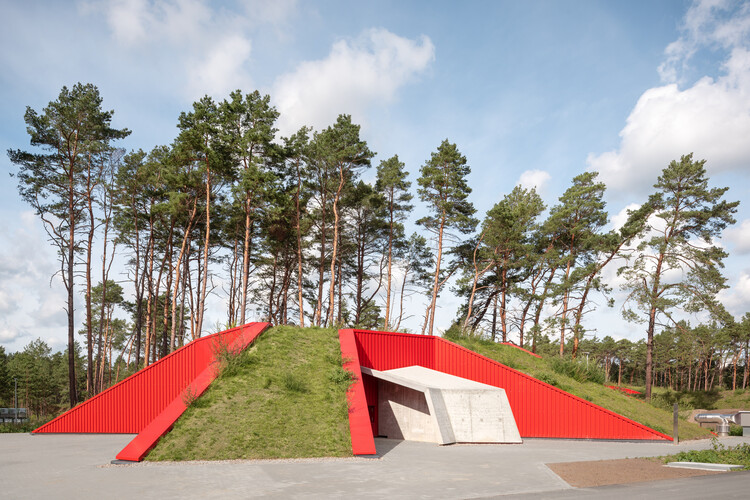
Architecture, in its most profound sense, should be about creating spaces that bring us together, not ones that isolate us from the consequences of our actions. The future we are building is not a pre-determined apocalypse. It is a choice. We can continue to build bunkers, or we can begin to rebuild the world we have already compromised. The architecture of the future should be defined by resilience, equity, and the recognition that there is no "off-planet" or "underground" solution to a problem that is, by its very nature, global.
Ultimately, the most secure place to live is not a silo in Kansas, but a functioning, sustainable society. We are currently pouring our ingenuity into the former, while neglecting the latter. It is time to turn our eyes back to the horizon, not to escape it, but to reshape it.
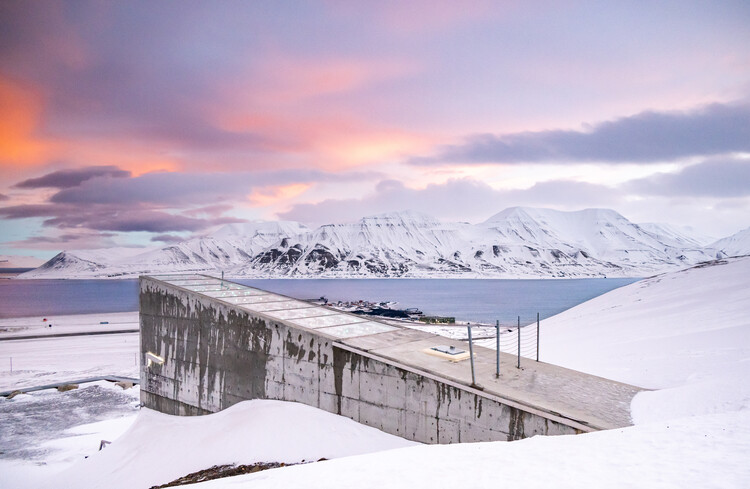
This article is part of the ArchDaily Topic: The Lure of Escapism in Architecture and Alternative Worlds. We invite our readers to reflect on the role of design in either exacerbating or resolving the crises of our time.

 Nila Kartika Wati
