

 Ammar Sabilarrohman
 Ali Ikhwan
 Dwi Wanna
 Neng Nana
 Siti Muinah
 Jia Lissa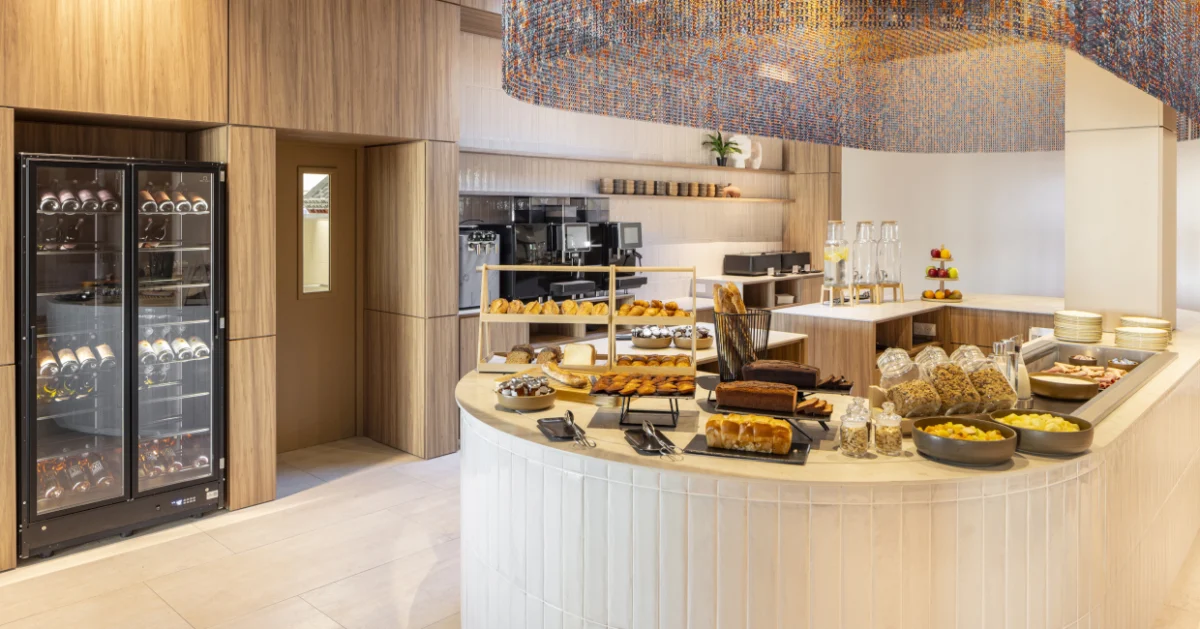
The landscape of modern hospitality is undergoing a quiet but profound transformation. No longer defined merely by the luxury of linens or the speed of room service, the contemporary hotel experience is increasingly judged by the fluidity of its architecture, the serenity of its atmosphere, and the longevity of its design. A striking case study in this evolution is the newly inaugurated Parkest Hôtel & Spa, located on the outskirts of Lyon, France. Operated by the Arteloge group, this four-star establishment serves as a masterclass in balancing high-traffic operational demands with a refined, contemporary aesthetic. At the heart of this project lies a sophisticated material strategy centered on HIMACS, a high-performance solid surface that has allowed architects and designers to blur the lines between functional utility and artistic expression.
Main Facts: A Hub for the Modern Traveler
Located in a bustling business district, the Parkest Hôtel & Spa was conceived as a "third space"—a sanctuary that caters to the diverse needs of business executives, leisure travelers, families, and high-performance athletes. The design mandate, spearheaded by the firm Atelier 4+ EC in collaboration with interior designers Laurine Darne and Kathleen Giorgi, was to create a facility that felt both expansive and intimate.
The resulting structure is a testament to generous architecture, utilizing a material palette that emphasizes durability without sacrificing elegance. The hotel functions as a transitional space, where the movement of guests is facilitated by intuitive layouts and fluid, clear interiors. By prioritizing high-quality materials like HIMACS, the design team ensured that the hotel remains a "haven of tranquility" despite its location in a high-intensity commercial hub.
Chronology: From Concept to Contemporary Landmark
The realization of Parkest Hôtel & Spa was a phased, collaborative process that spanned several years of rigorous planning and execution.
- Conceptualization Phase: Arteloge group sought to develop a hotel that would break away from the traditional, rigid structures of business hotels. The architectural vision was established by Atelier 4+, focusing on the interplay between light and volume.
- Design Development: Interior designers Laurine Darne and Kathleen Giorgi were brought on board to harmonize the architectural vision with the specific, demanding needs of the hospitality sector. It was during this phase that the decision to utilize HIMACS solid surface was solidified, chosen for its ability to be thermoformed into complex, organic shapes.
- Fabrication and Installation: The construction phase involved close collaboration between the designers and expert fabricators. Because HIMACS is non-porous and seamless, it allowed for the creation of monolithic structures, such as the hotel’s signature oval buffet servery, which required high-level technical precision.
- Grand Opening: Following the final inspections and interior fit-outs, the hotel opened its doors, quickly garnering attention for its unique material identity and its ability to manage high-frequency guest flow without showing signs of wear.
Supporting Data: The Material Science of HIMACS
The decision to feature HIMACS as a central element of the hotel’s interior was not merely aesthetic; it was driven by the material’s technical specifications, which are ideally suited for the hospitality environment.
Technical Performance in High-Traffic Zones
Hospitality spaces endure levels of wear that would compromise lesser materials. HIMACS consists of a blend of acrylic, natural minerals, and pigments. Its key advantages include:
- Non-porosity: Crucial for hygiene in spas and buffet areas, as the material does not absorb liquids, bacteria, or mold.
- Seamless Fabrication: The ability to join sections with invisible adhesive seams creates a smooth, continuous surface, preventing the buildup of grime in joints—a common failing in traditional stone or laminate surfaces.
- Thermoformability: This allows for the "flowing lines" referenced by the designers, enabling the creation of bespoke curved furniture that standard materials simply cannot achieve.
- Repairability: Unlike many other surfaces, HIMACS can be sanded and restored to its original finish, ensuring that the hotel maintains its "brand new" appearance over years of intensive cleaning and daily use.
Strategic Applications
The material is deployed across the facility with intentionality:
- Reception Desks: Serving as the first point of contact, these desks utilize the material’s durability to withstand constant use while maintaining a sleek, modern aesthetic.
- Spa Facilities: In treatment rooms, the material’s chemical resistance and hygienic properties create a sterile, calming environment.
- The Bar: Featuring cantilevered downturns and side-clad fascias, the bar demonstrates the material’s structural integrity.
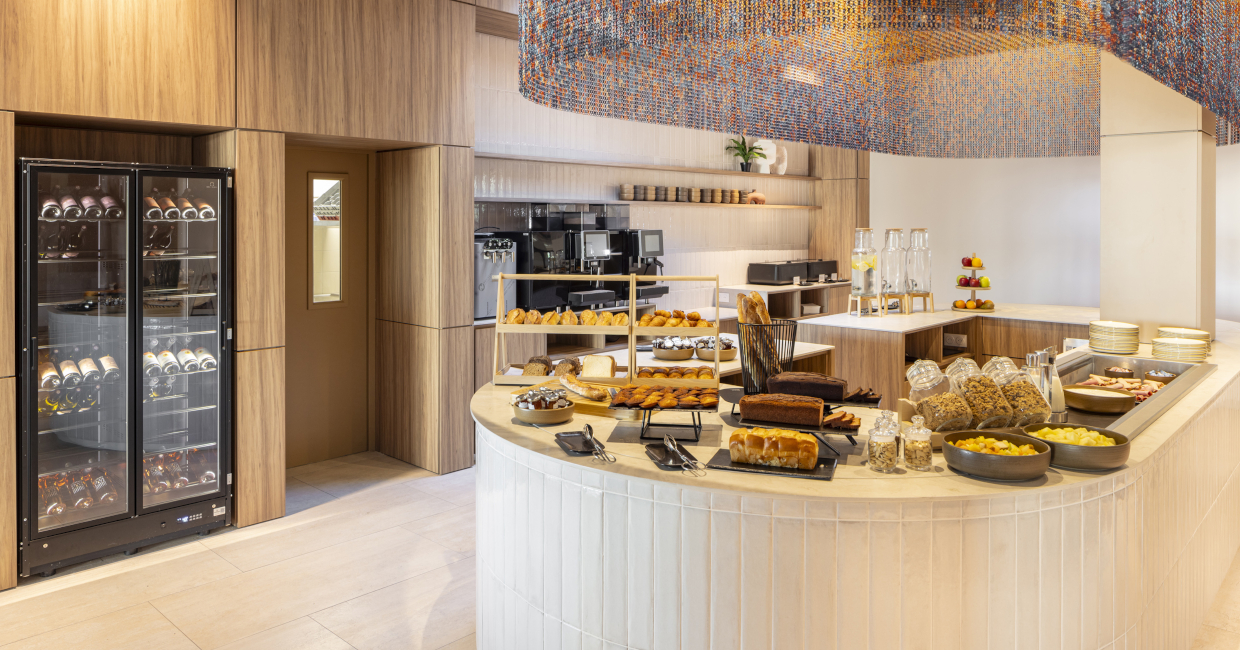
- The Buffet Servery: The center-piece of the dining area is a complex oval structure where HIMACS Aurora Bisque is used. The edges were seamlessly fabricated to curve upwards to manage condensation, showcasing the material’s ability to solve functional problems through clever geometry.
Official Responses: The Philosophy of Design
The success of the Parkest project is rooted in the shared vision of the architects, the hotel group, and the material manufacturers.
"We chose HIMACS for its durability and quality, which are essential in hospitality spaces subject to intensive use and cleaning," explains Laurine Darne, the project’s lead interior decorator. "The wide variety of colors available also reinforced our choice from the beginning. We needed a material that didn’t limit our imagination but could also withstand the reality of a 4-star hotel environment."
This sentiment is echoed by Félicie Koeppel, Project Manager at HIMACS France, who notes that the project highlights a growing trend in commercial interior design. "In hospitality, materials must address two key challenges: creating a strong, lasting identity while also answering the demands of intensive daily use. Parkest Hôtel & Spa perfectly illustrates this balance. Here, HIMACS enables a consistent material language across very different spaces and functions, while offering all the design freedom required by this project."
Implications: The Future of Hospitality Design
The Parkest Hôtel & Spa serves as a case study for future developments in the hospitality industry. As travelers become more discerning, the "materiality" of a space—the way it feels, the way it ages, and the way it contributes to the overall atmosphere—becomes a competitive differentiator.
The Shift Toward "Fluid Architecture"
The use of HIMACS in this project suggests a shift away from boxy, modular furniture toward fluid, ergonomic, and bespoke installations. By milling grooves directly into the material for moisture management and utilizing thermoforming for ergonomics, the designers have proved that luxury is not just about expensive finishes, but about intelligent design solutions that make the guest experience effortless.
Sustainability and Longevity
In an era where sustainability is paramount, the longevity of materials is an often-overlooked factor. By selecting a durable, renewable, and long-lasting solid surface, the Arteloge group has reduced the need for frequent renovations or replacements. The material’s ability to be maintained and refreshed ensures that the hotel’s carbon footprint, in terms of refurbishment, is significantly minimized over the lifespan of the building.
Conclusion: A Synthesis of Form and Function
The Parkest Hôtel & Spa is more than a place to sleep; it is a manifestation of the synthesis between high-end architectural vision and industrial material performance. By placing HIMACS at the center of its design language, the hotel has achieved a rare equilibrium: it is a space that feels contemporary and luxurious, yet operates with the resilience of an industrial facility. As the hospitality sector continues to evolve, the lessons learned from the Parkest project—that precision, durability, and aesthetic freedom are not mutually exclusive—will undoubtedly serve as a benchmark for designers worldwide.
The project stands as a reminder that the most memorable guest experiences are often the ones where the environment is so perfectly tailored to the user’s needs that the infrastructure itself becomes invisible, leaving only the sensation of comfort, clarity, and ease.


