Ammar Sabilarrohman
 Ali Ikhwan
 Dwi Wanna
 Neng Nana
 Siti Muinah
For many casual drinkers, the name "Prosecco" is synonymous with an inexpensive, easy-drinking, and cheerful sparkling wine—a staple of bottomless brunches and spontaneous celebrations. However, to relegate this iconic Italian export to a single, monolithic category is to overlook a profound transformation currently taking place in the hills of the Veneto and Friuli-Venezia Giulia. Not all Prosecco is created equal; beneath the label lies a vast hierarchy ranging from mass-market, industrial-style fizz to wines of remarkable complexity, terroir-driven individuality, and historical prestige.
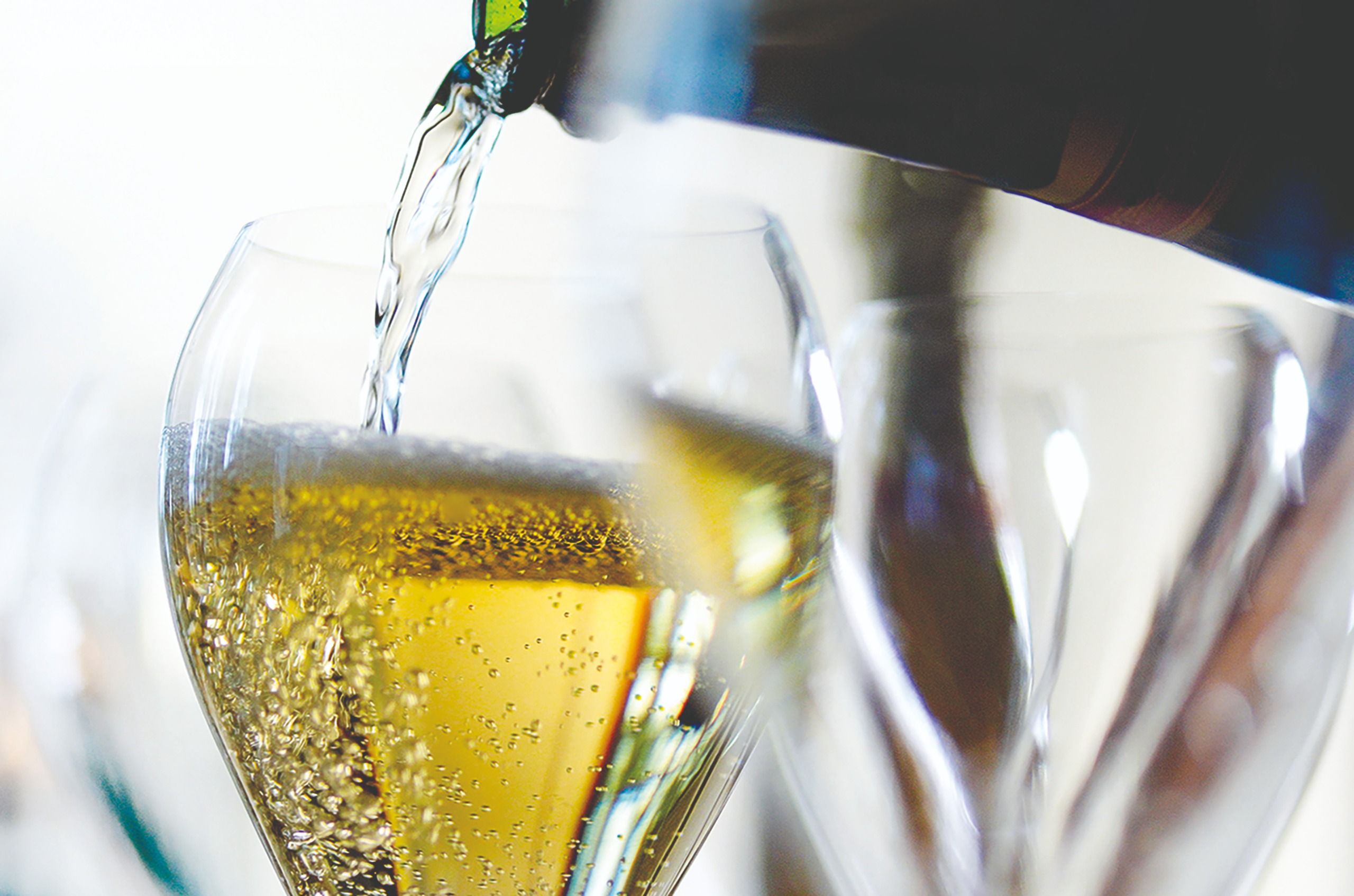
As the global demand for sparkling wine continues to surge, consumers are increasingly tasked with deciphering a labyrinthine system of DOCs (Denominazione di Origine Controllata), DOCGs (Denominazione di Origine Controllata e Garantita), specific sub-zones, and varied production methods. Understanding these distinctions is not merely an academic exercise—it is the key to unlocking the true potential of the Glera grape and the remarkable craftsmanship of Northern Italy’s finest producers.
Main Facts: The Prosecco Hierarchy
At its core, Prosecco is defined by geography and tradition. The vast majority of production falls under the Prosecco DOC, which encompasses a broad swathe of the Veneto and Friuli-Venezia Giulia regions. These wines offer a reliable, approachable, and fruit-forward profile, perfect for daily consumption.
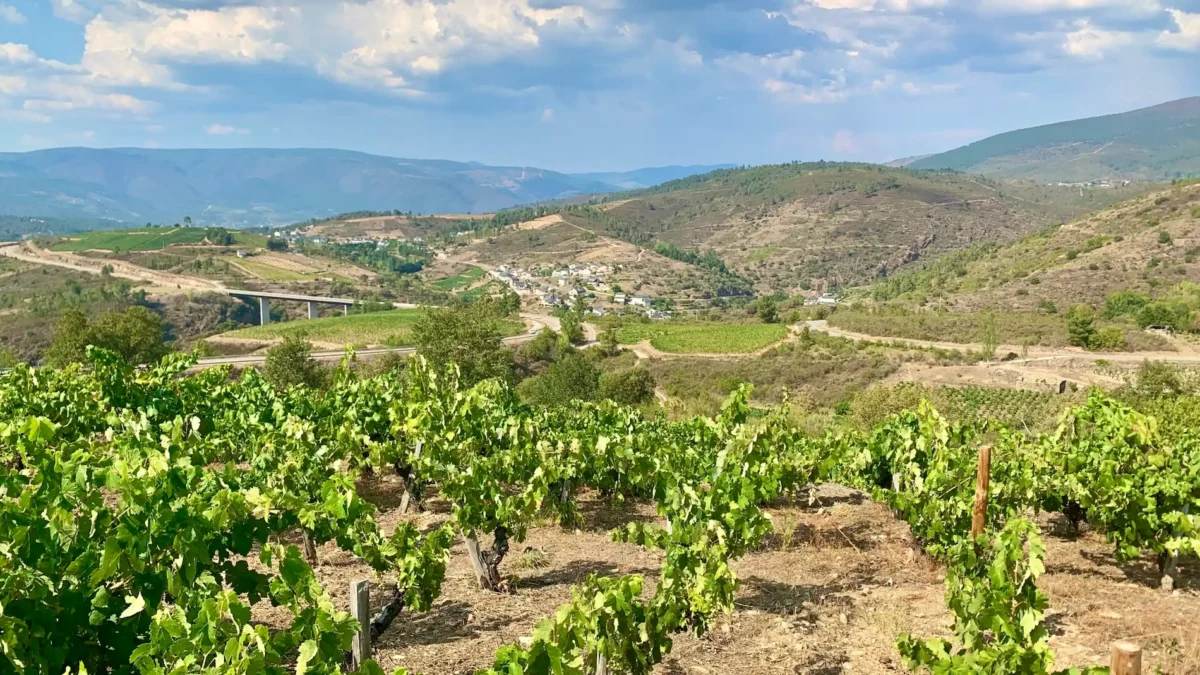
However, the prestige tier begins with the Conegliano-Valdobbiadene Prosecco Superiore DOCG. This is the historic heartland of production, characterized by steep, sun-drenched hillsides that require manual harvesting—a stark contrast to the machine-harvested flatlands of the wider DOC. Within this DOCG, eagle-eyed consumers can look for "Rive" labels, which denote wines from specific, prestigious communes, and the pinnacle of the region: Cartizze, a small, prized sub-zone considered the "Grand Cru" of the area.
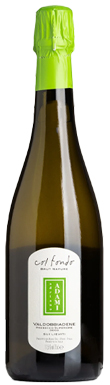
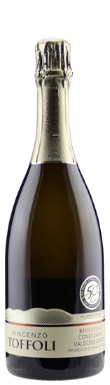
Beyond the regulatory status, the method of production is shifting. While the vast majority of Prosecco is made using the Charmat (or Tank) method—which preserves the fresh, primary fruit aromas of the Glera grape—there is a growing resurgence of the "Col Fondo" style. This ancient, traditional method involves a secondary fermentation in the bottle, leaving the lees (yeast sediment) inside. The result is a cloudier, drier, and significantly more textured wine that speaks to the region’s rustic heritage.
A Chronology of Quality: From Rustic Roots to Global Icon
The history of Prosecco is a narrative of modernization and, more recently, a return to artisanal roots.
- 16th – 19th Century: The precursor to modern Prosecco was a simple, local wine known as "Pucino," produced in the hills around Trieste and later the Treviso area. It was almost exclusively a still wine, made in small quantities by farming families.
- 1920s: A pivotal decade for the region. The founding of the first sparkling wine houses, such as Adami, marked the transition toward the controlled, high-quality sparkling production we recognize today.
- 1969: The official recognition of the Prosecco di Conegliano-Valdobbiadene DOC, establishing the first formal quality controls for the region.
- 2009: A massive legislative shift occurred. The "Prosecco" name was legally protected as a geographical indication, and the primary grape—formerly known as Prosecco—was renamed "Glera" to prevent non-Italian producers from capitalizing on the name. This simultaneously elevated the status of the regional DOCs.
- 2020: The introduction of "Prosecco Rosé" into the official production regulations marked a major evolution, allowing for the inclusion of Pinot Nero to provide color and structural depth.
- Present Day: The current era is defined by a "premiumization" trend. Small, family-run estates are moving away from volume-driven production, focusing instead on organic viticulture, low-intervention winemaking, and the expression of distinct vineyard sites.
Supporting Data: Why Terroir Matters
To understand the difference between a €10 bottle and a €30 bottle, one must look at the vineyard. In the DOC zone, yields are higher and the land is often fertile, which is conducive to mass production. In the Conegliano-Valdobbiadene DOCG, the slopes are often so steep (some exceeding 50 degrees) that mechanization is impossible.
Data from the region’s consortiums consistently show that production costs in the DOCG zone are nearly three times higher than those in the plains. This investment is reflected in the sensory profile:
- The Flatlands (DOC): Typically show primary fruit characters—green apple, pear, and white peach. The acidity is usually softer, and the finish is clean and ephemeral.
- The Hills (DOCG): Display secondary and tertiary characteristics. Due to the high altitude and diurnal temperature shifts, these wines exhibit greater acidity, floral notes (wisteria and acacia), and a distinct mineral backbone provided by the limestone and marl soils.
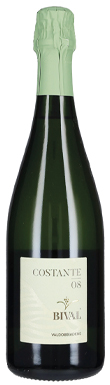
Producers like Bival, led by the third-generation winemaker Paolo Biasiotto, are utilizing the unique conditions in the Guia vineyards to create "Brut Nature" styles—wines with zero dosage (no added sugar). These wines strip away the "mask" of sugar, forcing the drinker to confront the raw, complex acidity and salinity of the Glera grape.
Official Responses and Industry Shifts
The industry, represented by bodies such as the Consorzio di Tutela del Prosecco di Conegliano Valdobbiadene, has responded to the growing consumer demand for quality with a strict regulatory framework. They have implemented a "Quality Charter" that encourages sustainable viticulture and limits the use of chemical pesticides.
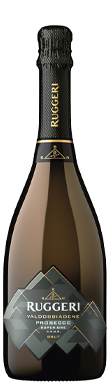
"We are seeing a shift in the philosophy of the producer," notes industry expert Abbie Bennington. "For years, the goal was consistency. Now, the goal is identity. Producers like Ruggeri and Bortolomiol are not trying to make a standardized product; they are trying to bottle the essence of the Valdobbiadene hills. They are moving away from the ‘Extra Dry’ (which is actually quite sweet) toward ‘Brut’ and ‘Extra Brut’ classifications, which better suit modern, global palates."
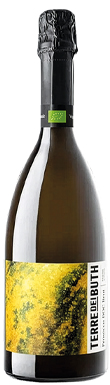
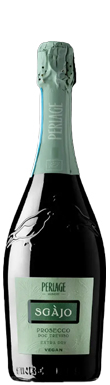
Furthermore, the rise of organic, vegan-certified labels like Perlage and Terre dei Buth highlights the producer’s commitment to environmental stewardship. These wineries often operate as "Davids against the Goliaths," proving that small-scale, artisanal viticulture can thrive alongside industrial giants by offering a product with a story and a soul.
Implications for the Consumer: How to Shop
Navigating the Prosecco aisle requires a change in mindset. If you are looking for a base for an Aperol Spritz, the standard DOC labels are perfectly serviceable. However, if you are looking for a wine to pair with a meal—perhaps raw fish, tempura, or light pasta dishes—you should look for specific markers on the label:
- Check for "Superiore": If the word "Superiore" appears on the label, you are looking at a wine from the historic hills. It will have more complexity, better acidity, and more refined bubbles.
- Look for "Rive": This indicates a wine from a specific, high-quality commune. It is the hallmark of a terroir-focused wine.
- Mind the Dosage: If you want to experience the wine’s true structure, avoid "Extra Dry" (which is actually medium-sweet) and look for "Brut" or "Extra Brut."
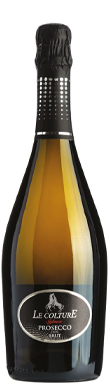
- Seek the Producer’s History: Look for multi-generational family estates like Adami or Le Colture. Their longevity is a testament to their commitment to quality over time.
- Try "Col Fondo": For the adventurous, a bottle of Col Fondo offers a fascinating, savory, and hazy alternative that challenges the standard perception of Prosecco.
Final Thoughts
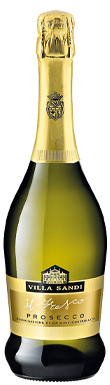
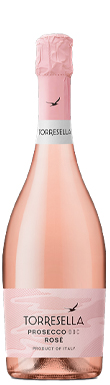
Prosecco is currently undergoing a renaissance. By moving beyond the supermarket shelf and exploring the diverse sub-zones of the Veneto, consumers can discover a world of sparkling wine that is as intellectually stimulating as it is refreshing. Whether it is the crisp, orchard-fruit intensity of a Villa Sandi or the spicy, orange-peel complexity of a Torresella Rosé, there is a Prosecco for every palate—provided you know what to look for. The next time you reach for a bottle of fizz, remember: you are not just buying a drink; you are participating in a tradition that links the steep, ancient hills of Italy to your glass.
Selected Producers to Watch
- Bival: Pioneers of the zero-dosage movement in the Valdobbiadene hills.
- Terre dei Buth: A champion of organic, small-batch, and rustic sparkling traditions.
- Adami: A historic benchmark for consistency and quality in the heart of the DOCG.
- Bortolomiol: A leader in the development of refined, complex styles that define modern Italian sparkling.
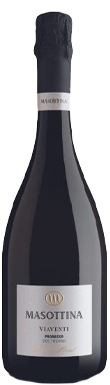
- Masottina: Demonstrating the potential for extra-brut, bone-dry styles that pair exceptionally well with complex foods.