

 Lina Irawan
 Lina Hope
 Rifan Muazin
 Neng Nana
 Jia Lissa
Despite the United States’ status as one of the world’s most prosperous nations, a quiet, pervasive crisis continues to unfold within its borders: food insecurity. While images of hunger are often associated with developing nations, the reality is that millions of Americans—our neighbors, coworkers, and children—frequently struggle to secure their next meal. This article explores the mechanics of food insecurity and provides a robust, actionable blueprint for individuals and organizations looking to make a tangible difference.
The State of Hunger: Defining the Crisis
Food insecurity is defined by the United States Department of Agriculture (USDA) as a lack of consistent access to enough food for an active, healthy life for all household members. It is a critical distinction to note that in the United States, this crisis is rarely a result of a national food shortage. Rather, it is a byproduct of systemic poverty, wage stagnation, and rising costs of living.
Data from 2014—a benchmark year for hunger research—revealed that 48.1 million Americans lived in food-insecure households. Of that staggering figure, 32.8 million were adults, while 15.3 million were children. These numbers represent more than just statistics; they signify millions of households where the stress of choosing between rent, utilities, and nutrition is a daily reality. When a child goes to school hungry, their ability to concentrate, learn, and grow is fundamentally compromised, creating a cycle of poverty that is difficult to break.
Chronology of a Campaign: Planning Your Impact
Effective advocacy requires more than good intentions; it requires logistical precision. To transform a desire to help into a successful food drive or community event, organizers should follow a structured timeline.
Phase 1: Conceptualization and Goal Setting
Before soliciting a single can of soup, identify your "why" and your "where." Are you targeting your neighborhood, your office, or your local school? Your success depends on your ability to communicate effectively with your target demographic. A corporate drive might require internal memo campaigns, while a neighborhood drive might rely on social media and flyers.
Phase 2: Building the Infrastructure
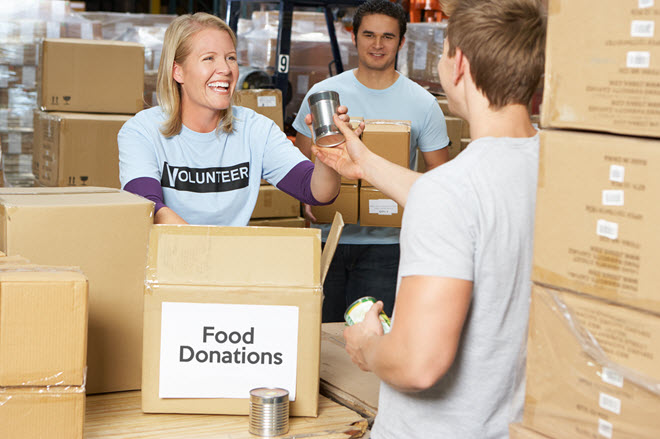
Establish a committee. A successful drive needs an overall coordinator and dedicated team leaders for marketing, donation sorting, and transportation. By dividing the labor, you prevent burnout and ensure that every facet of the event is covered. Create a master calendar, share contact rosters, and hold an initial planning meeting to align on the theme and timeline.
Phase 3: Engagement and Execution
The most successful drives are those that gamify the process. Consider "Fill-the-Truck" challenges, where the goal is to pack a vehicle to capacity, or "Five-Dollar Parties," where guests are asked to contribute items worth a specific dollar amount. For schools, a poster contest can build excitement, while corporate offices might benefit from "donation jars" used to replace traditional office "swear jars," where late arrivals or missed deadlines result in a food contribution.
Supporting Data and Strategic Logistics
When organizing, the "how" is just as important as the "what." Always coordinate with the local food banks or pantries you intend to support. These organizations operate with specific inventory needs. While high-volume staples are always appreciated, many pantries struggle with seasonal shortages of baby formula, low-sodium canned goods, or specific dietary requirements.
The Anatomy of a Successful Donation
To maximize the impact of your contribution, prioritize nutrient-dense, non-perishable items:
- Proteins: Canned tuna, salmon, chicken, peanut butter, and dried beans.
- Grains: Whole grain pasta, brown rice, and rolled oats.
- Produce: Canned fruits packed in juice rather than syrup; low-sodium or "no salt added" vegetables.
- Essentials: Evaporated milk, chicken/beef broth, and high-fiber cereals.
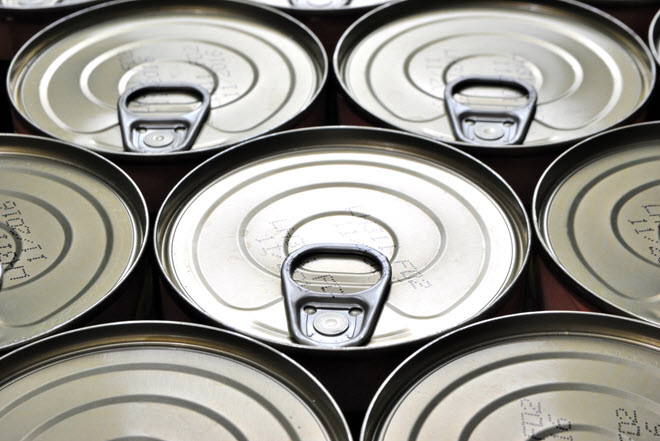
- Pro-tip: Prioritize items with pop-top lids, as many individuals in need may not have easy access to a manual can opener. Avoid glass containers whenever possible, as they are heavy and prone to breakage.
Official Responses and Professional Advocacy
Hunger relief organizations emphasize that while food drives are vital, they represent only one part of a larger ecosystem of support. Public health agencies and non-profits, such as Feeding America, advocate for a multi-pronged approach that includes government policy advocacy, support for local community kitchens, and the expansion of school lunch programs.
When you partner with a local organization, you become an extension of their mission. Reach out to local managers, school principals, and religious leaders to provide them with clear, professional documentation regarding your drive. Transparency builds trust, and trust is the currency of community organizing. If you are planning a large-scale event, such as a community dinner, ensure that the venue is neutral and accessible. Many shelters and soup kitchens have established protocols for volunteer-led meals and can provide the guidance necessary to ensure safety and sanitation standards are met.
Implications: Moving Beyond the Food Drive
The ultimate goal of any hunger advocate is to foster a community where food insecurity is eradicated. However, until that goal is met, there are numerous ways to extend your influence beyond the pantry shelf.
Think Outside the Box: Alternatives to Traditional Drives
If the time commitment of a traditional drive is prohibitive, consider "resourceful giving." This includes:
- Couponing: Using your organizational skills to buy in bulk during sales.
- The "Celebration" Shift: Requesting food donations in lieu of gifts for birthdays or anniversaries.
- Skill-Based Volunteering: If you cannot donate food, donate your time. Soup kitchens are in constant need of help with inventory management, cleaning, meal preparation, and even administrative tasks.
- Celebrity and Media Engagement: Reach out to local chefs or radio personalities. Their involvement can turn a small neighborhood event into a city-wide movement, significantly amplifying the amount of food collected.
The Role of Technology
In the modern era, social media is an indispensable tool. A dedicated Facebook page or a blog tracking your progress can create a "snowball effect" of community interest. Posting photos of the growing donation piles, sharing the stories of the organizations you are supporting, and highlighting the specific needs of the pantry keeps the momentum high throughout the duration of the event.
Conclusion: The Ripple Effect of Giving
The act of addressing food insecurity is an exercise in empathy. When a volunteer coordinates a drive, they are not just moving cans of food from one location to another; they are participating in a fundamental act of social cohesion.

Whether you are hosting a high-profile community gala or simply organizing a box of non-perishables in your office lobby, the impact is measurable and significant. Each meal provided is a moment of relief for a family, a boost in concentration for a student, and a step toward a more stable society. As you embark on your journey as a hunger advocate, remember that the most important element of your success is your persistence. Start small, organize thoroughly, and engage your community with passion. By doing so, you are helping to ensure that the "empty plate" becomes a relic of the past, replaced by the collective strength of a community that refuses to let its neighbors go hungry.
By integrating these strategies—meticulous planning, strategic partnerships, and a focus on nutrient-dense donations—you are equipped to transform the landscape of hunger in your own backyard. The crisis is large, but the power of a committed individual, backed by a community, is far greater.


 Iffa Jayyana
 Reynand Wu
