 Suro Senen
 Nila Kartika Wati
 Asro
Asro
 Layla Zulfa
 Evan Lee Salim
 Nana
Nana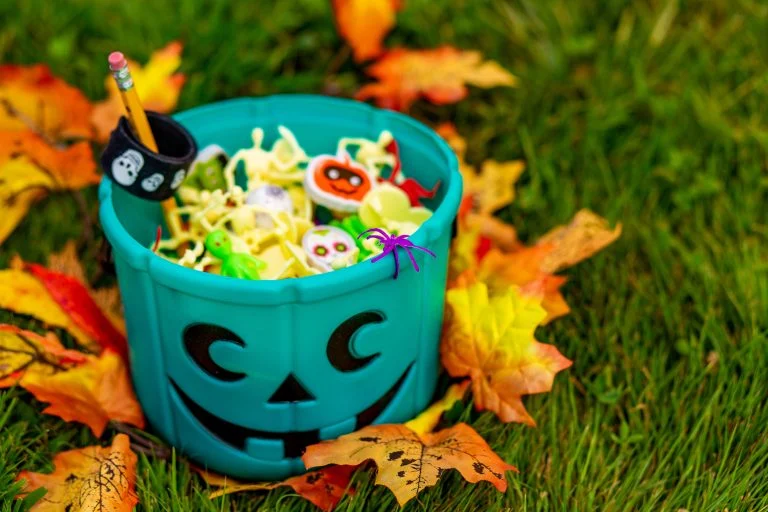
As the autumn leaves begin to turn and the air grows crisp, families across the country are preparing for the spookiest night of the year. For millions of children, Halloween is a highlight of the calendar—a time for creative costumes, neighborhood camaraderie, and the ritual of the candy haul. However, for the millions of children living with celiac disease, severe food allergies, and dietary intolerances, this holiday often presents a daunting minefield of potential health risks.
In a concerted effort to transform the landscape of Halloween, the Celiac Disease Foundation (CDF) has once again joined forces with Food Allergy Research & Education (FARE) to promote the Teal Pumpkin Project. This initiative serves as a clarion call for community inclusivity, urging households to offer non-food alternatives alongside traditional sugary treats. By simply placing a teal-painted pumpkin on a doorstep, families can signal that their home is a safe, welcoming environment for every child, regardless of their medical restrictions.
The Core Mission: Redefining the Trick-or-Treat Experience
The primary objective of the Teal Pumpkin Project is to shift the cultural paradigm of Halloween from a "candy-first" event to one that emphasizes the joy of participation. For a child with celiac disease, the ingestion of even a trace amount of gluten—often hidden in emulsifiers, flavorings, or shared manufacturing lines—can trigger a debilitating autoimmune response. This physical risk is compounded by the social anxiety of being the "only one" who cannot participate in the haul.
The Celiac Disease Foundation highlights that the campaign is not about banning candy, but rather about creating a parallel, safe option. By providing small, non-food trinkets—such as stickers, glow sticks, plastic spiders, or temporary tattoos—in a separate bowl, homeowners ensure that every child who knocks on their door leaves with a treasure that is 100% safe.
A Brief History: From a Local Movement to a Global Standard
The Teal Pumpkin Project was launched by FARE in 2014, inspired by a grassroots effort in Tennessee. The concept was simple yet profound: use the color teal, which is the recognized awareness color for food allergies, to signal that a home is participating in the inclusive movement.
The Evolution of the Movement
- 2014: FARE officially launches the national campaign, gaining immediate traction on social media and through pediatric allergy clinics.
- 2016–2019: The initiative expands globally, with international awareness rising. Major retailers begin stocking "allergy-friendly" toy assortments specifically for Halloween.
- 2020–2022: Despite the challenges of the pandemic, the focus on "safe celebrations" keeps the project at the forefront of the public consciousness.
- 2024–2025: The partnership between the Celiac Disease Foundation and FARE solidifies, bringing the specific needs of the celiac community to the forefront of the messaging.
The Silent Threat: Celiac Disease and the Hidden Gluten Trap
To understand the importance of this project, one must look at the physiological and psychological impact of celiac disease on children. Celiac disease is a serious autoimmune condition where the ingestion of gluten leads to damage in the small intestine. Unlike a mild intolerance, even microscopic cross-contact with gluten—often occurring in factories where chocolate bars are processed on the same machinery as wheat-based cookies—can cause significant illness.
Supporting Data and Community Impact
According to recent health surveys, the prevalence of celiac disease and non-celiac gluten sensitivity is on a steady incline. For the affected child, the "trick-or-treat" process is fraught with:
- Label Complexity: Many popular Halloween candies are sold in "fun-size" wrappers that do not contain full ingredient lists, making it impossible for parents to verify safety on the fly.
- Social Exclusion: Watching friends trade, sort, and consume candy while being unable to participate in the "fun" leads to feelings of alienation.
- The "Safety Tax": Parents often end up buying their own safe candy for their children to swap out, an added financial and emotional burden during a holiday meant for spontaneous joy.
The Celiac Disease Foundation notes that the psychological toll of being "different" during holiday festivities is a significant driver for the organization’s advocacy work. By normalizing non-food treats, the burden of "difference" is lifted from the child.
Official Responses and Strategic Advocacy
Leadership at both the Celiac Disease Foundation and FARE have emphasized that the Teal Pumpkin Project is a strategic health initiative disguised as a holiday activity.
"Our goal is to ensure that no child feels the sting of exclusion because of their dietary medical needs," says a spokesperson for the Celiac Disease Foundation. "By partnering with FARE, we are expanding the reach of the Teal Pumpkin Project to include not just those with immediate anaphylactic allergies, but the millions of people navigating the complexities of celiac disease and gluten-related disorders."
FARE has echoed this sentiment, noting that the project has successfully changed the way retailers think about Halloween inventory. "We are seeing a marked increase in the availability of non-food trinkets in major retail chains," the organization reported. "This proves that when the community demands inclusivity, the market responds."
Implications for the Future: Building a More Inclusive Community
The long-term implications of the Teal Pumpkin Project extend far beyond October 31st. By educating neighbors, schools, and local businesses about the necessity of allergy-friendly options, the movement fosters a culture of empathy.
How to Get Involved
The Celiac Disease Foundation provides a comprehensive roadmap for those wishing to participate:
- Display the Symbol: Place a teal pumpkin on your porch or download a sign from the FARE website.
- Stock Non-Food Items: Prioritize items like bubbles, crayons, glow-in-the-dark rings, or bookmarks.
- Educate Neighbors: Share the information with your Homeowners Association (HOA) or neighborhood social media groups to encourage widespread participation.
- Use the Official Candy List: For those who still wish to provide edible treats, the Celiac Disease Foundation provides an annually updated Gluten-Free Halloween Candy List. This list is vetted against current manufacturing standards to help parents make informed choices.
Conclusion: A New Tradition
As we approach Halloween, the message from the Celiac Disease Foundation and FARE is clear: inclusivity is the best treat of all. While the traditional excitement of the holiday remains, the Teal Pumpkin Project serves as a reminder that we have the power to create a safer world for our children, one front porch at a time.
Whether you are a parent of a child with celiac disease, a concerned neighbor, or simply someone who wants to ensure every trick-or-treater feels welcome, participating in the Teal Pumpkin Project is a simple, effective, and meaningful way to contribute to a more inclusive society. This year, let’s ensure that the only thing scary about Halloween is the costumes—not the candy bowl.
For more information, resources, and to find out how you can support the advocacy work of the Celiac Disease Foundation, please visit their official website and join the movement to make this Halloween a season of joy for everyone.


 Ali Ikhwan