

 Azzam Bilal Chamdy
 Neng Nana
 Nana Muazin
 Dwi Wanna
 Raul Delapena Setiawan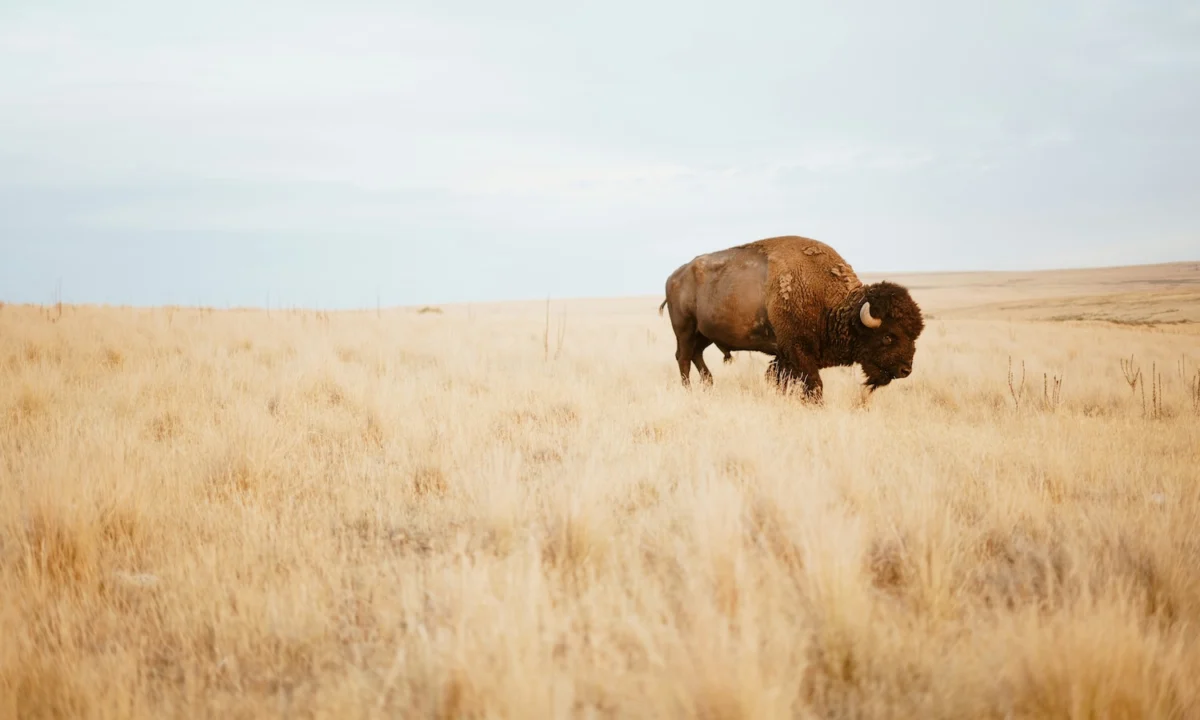
It was not long ago that the American bison—a cornerstone of the Great Plains ecosystem and a sacred animal to many Indigenous nations—was a rare sight in South Dakota. Today, the landscape is shifting. In just six years, the Sicangu Lakota people have transformed their relationship with the land, managing a herd of more than 1,100 bison. This initiative represents more than just conservation; it is the largest Native-owned bison herd in the world, a living symbol of a broader, systemic resurgence of Indigenous food sovereignty.
Across the United States, Indigenous communities are moving away from dependency on industrial food systems and toward a model rooted in ancestral wisdom, local control, and environmental stewardship. This shift is not merely a preference; it is a vital response to a history of policy-driven dispossession and a proactive strategy to combat the disproportionate health crises facing Native populations.
The Foundations of Sovereignty: A Chronological Resurgence
The trajectory toward food sovereignty in Indian Country has been a long, deliberate process of reclamation. Historically, federal policies—from forced relocation to the systematic dismantling of traditional hunting and gathering practices—were designed to sever the link between Indigenous peoples and their ancestral food systems. For generations, these policies resulted in the erosion of traditional ecological knowledge and the degradation of reservation-based economies.
However, the last two decades have marked a turning point. The 2000s and 2010s saw a rise in grassroots organizing aimed at legal and physical reclamation of land. Initiatives like the Sicangu Food Sovereignty Initiative began to gain traction by focusing on the "full circle" of food: from the health of the soil to the health of the community.
By the late 2010s, these movements moved beyond pilot programs. Organizations began securing capital, land rights, and technical support to build infrastructure that didn’t just provide food, but provided knowledge. Today, the focus has shifted toward building sustainable economies that support the next generation of Native farmers, ranchers, and entrepreneurs.
Supporting Data: The Urgent Case for Change
The urgency of this work is underscored by stark disparities. According to data published in Frontiers in Sustainable Food Systems, Indigenous populations in the United States face food insecurity levels significantly higher than the national average. Perhaps more alarming is the health toll: Native Americans are up to three times more likely to die from cardiometabolic diseases—such as diabetes and heart disease—compared to other demographics.
These statistics are not anomalies; they are the cumulative result of restricted access to traditional, nutrient-dense foods. By re-centering traditional foodways, communities are effectively using diet as a clinical intervention.
The Biodiversity Imperative
Biodiversity remains the lynchpin of this effort. Michael Kotutwa Johnson, a scholar at the University of Arizona’s Indigenous Resilience Center, has dedicated his career to the preservation and reintroduction of traditional Hopi crop varieties.
"Without biodiversity, we have no true sustainability," Johnson argues. "These seeds are the backbone of our community. They are the things that survived us, and it has taken us years and years to cultivate them. To bring them back home, finally, is very important."
By diversifying agricultural output, these communities are not only creating more resilient crops capable of withstanding climate-induced stressors, but they are also re-establishing a biological heritage that was nearly lost to history.
Official Responses and Industry Shifts
The movement has caught the attention of both policymakers and the culinary world. Chef Sean Sherman, a prominent voice in the movement, has been a vocal critic of the U.S. government’s standardized dietary guidelines. Sherman argues that the "upside-down-pyramid" model of nutrition is a "one-size-fits-all" approach that fails to account for regional differences and cultural specificities.
In response, Sherman developed the RING Diet (Regional Indigenous Nutritional Guide). The model encourages communities to define their own nutritional needs based on what grows locally and seasonally. "We’re all different people, and that’s what’s beautiful about this," Sherman noted during Climate Week NYC. "It’s regional, so you can make rings everywhere and it can go global quickly. The more we eat for health, the better off we’ll all be."
The Role of Financial Empowerment
Institutional support is finally catching up to grassroots ambition. The First Nations Development Institute has become a critical engine for this growth. By moving beyond simple food distribution, the organization facilitates research, advocacy, and economic justice. Their work ensures that when a community decides to build a greenhouse or expand a bison herd, they have the legal and economic frameworks to protect those assets.
Complementing this is the Native Agriculture Financial Services (NAFS), which provides the capital necessary to bridge the gap between small-scale subsistence and larger agricultural production. By financing rural infrastructure, these organizations are ensuring that Native farmers are not merely surviving, but thriving in a modern market.
The Implications: A Blueprint for Global Food Systems
The work being done in South Dakota, Arizona, and across the continent has profound implications for how the world views food. The concept of "Food is Medicine" is an inherent truth within these Indigenous models, suggesting that the health of a population is inextricably linked to the health of the soil and the autonomy of the community.
Beyond Individual Choice
A-dae Romero Briones, Vice President of the First Nations Development Institute, emphasizes that health is a systemic output. "Health isn’t just about individual choices," she states. "It’s about community, environment, and the systems around us."
This holistic perspective challenges the prevailing Western view of nutrition, which often ignores the role of land management and cultural expression in health outcomes. When communities set the terms for their own agriculture, they are doing more than growing food; they are engaging in a form of political and economic self-determination that heals the land and the body simultaneously.
The Path Forward
For those outside of Indigenous communities, the lesson is one of deep listening. The current global food system is increasingly fragile, prone to supply chain disruptions and environmental degradation. The Indigenous model of food sovereignty offers a blueprint for:
- Stronger local food networks: Reducing reliance on globalized, long-haul supply chains.
- Resilient land management: Utilizing traditional ecological knowledge to restore soil health and biodiversity.
- Economic Justice: Supporting the stewardship of land and the protection of cultural knowledge systems.
The progress made by the Sicangu Lakota and others is not just a victory for Indigenous rights; it is a victory for anyone who believes that food systems should be built on the values of sustainability and community health. As we look toward the future of global food policy, the wisdom of the past provides a compelling, necessary guide for the challenges ahead.
The transition toward sovereignty is an ongoing struggle, requiring continued investment, political advocacy, and a commitment to decolonizing our diets. Yet, as Matte Wilson of the Sicangu Community Development Corporation notes, the shift is palpable: "When I first started, people couldn’t really articulate what food sovereignty was. But now, people are seeing the urgency and that importance."
The seeds have been sown. The harvest, it seems, is only just beginning.


 Iffa Jayyana
