

 Dwi Wanna
 Nana Wu
 Muslim
 Reynand Wu
 Ammar Sabilarrohman
 Basiran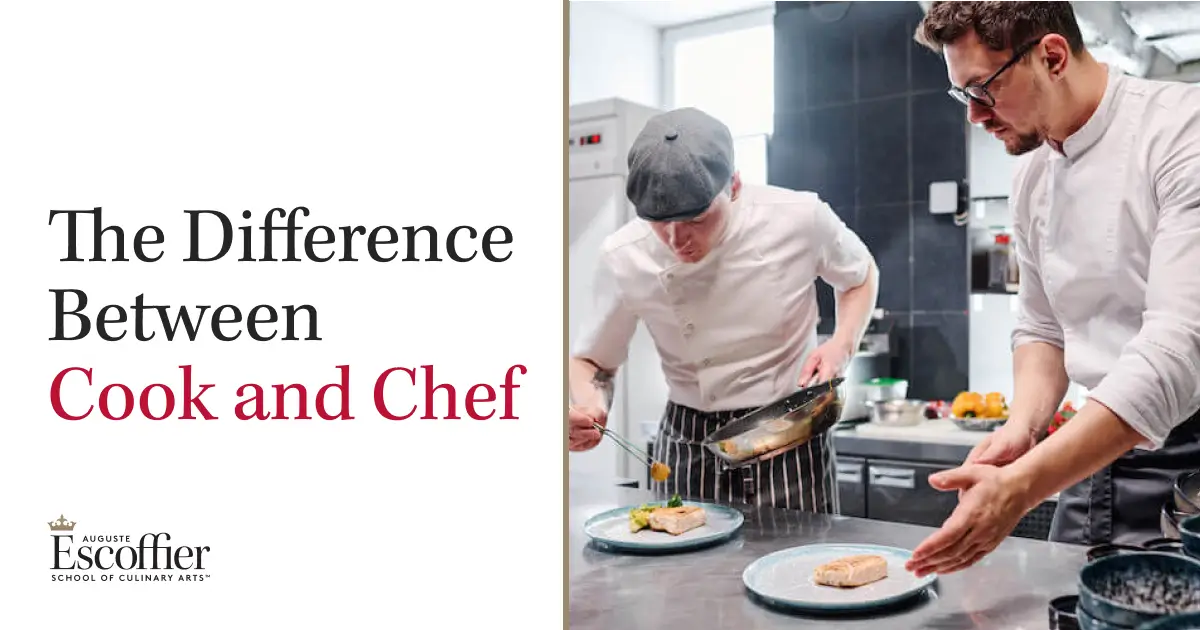
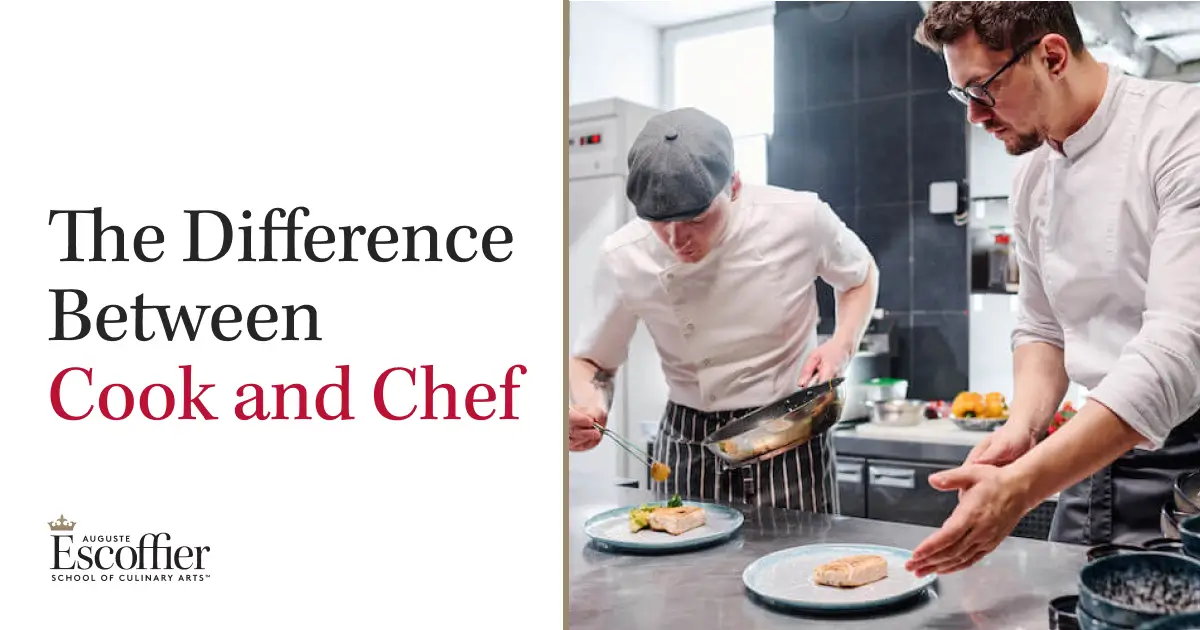
At first glance, a professional kitchen might appear to be a uniform environment where everyone in a white coat is performing the same function. From the outside, the distinction between a "cook" and a "chef" often seems interchangeable, blurred by the casual use of these titles in media and everyday conversation. However, within the high-stakes, high-pressure environment of a professional culinary brigade, these two roles represent vastly different career trajectories, responsibilities, and skill sets.
While both roles require an intimate knowledge of flavor profiles, food safety, and technical execution, the difference lies in the scope of authority. A cook is a highly skilled tradesperson—the backbone of the kitchen’s daily output. A chef, conversely, is a manager, a visionary, and an architect of the culinary experience.
The Hierarchy of the Kitchen: Defining the Roles
To understand the difference, one must look at the brigade de cuisine, the structured hierarchy established by the legendary Auguste Escoffier. This system organizes the kitchen to ensure efficiency and accountability.
The Role of the Professional Cook
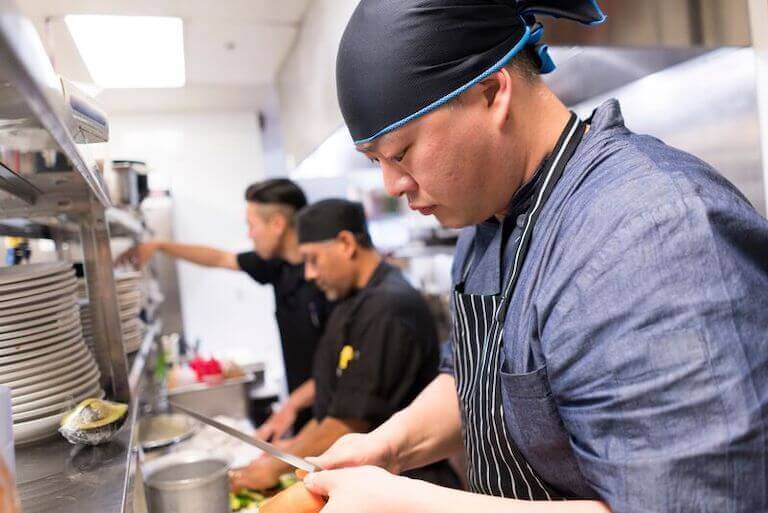
The professional cook is the technician. They are tasked with the physical transformation of raw ingredients into finished, plate-ready components. Their day is defined by the rhythm of service—the "all day" counts, the searing of proteins, the precise blanching of vegetables, and the assembly of dishes according to the established recipe.

Cooks are often specialized by station. A prep cook manages the foundation, ensuring that mise-en-place is completed before the doors open. A line cook takes that foundation and brings it to life during the heat of service. Whether working the grill, the sauté station, or the fry station, the cook’s primary directive is consistency. They must be fast, reliable, and capable of executing the same dish to the same standard hundreds of times a shift.
The Role of the Professional Chef
The professional chef is the commander of the kitchen. While they possess all the technical skills of a cook, their primary role shifts from doing to directing. A chef is accountable for the food cost, the labor cost, the quality of the ingredients, the development of the menu, and the safety and morale of the staff.
The transition from cook to chef is not a simple promotion; it is a metamorphosis of professional identity. It requires moving away from the focus on one’s own station to a "bird’s-eye view" of the entire operation. A chef must be a problem solver, a mentor, and a business strategist who understands how a slight change in a menu item’s cost affects the restaurant’s bottom line.
Chronology: The Path from Line to Leadership
The journey from an entry-level prep cook to an Executive Chef is a marathon, not a sprint. It is a progression built on years of repetition, observation, and the assumption of increased responsibility.

- The Apprentice/Entry Level: This stage is defined by "learning the ropes." It involves mastering knife skills, basic heat application, and learning the language of the kitchen.
- The Competent Line Cook: At this stage, the individual has gained speed and confidence. They can manage a station independently and are starting to anticipate the needs of the kitchen rather than just reacting to them.
- The Sous Chef (Second-in-Command): This is often considered the most grueling role. The Sous Chef acts as the bridge between the Executive Chef and the line staff. They manage scheduling, inventory, and conflict resolution, all while maintaining their technical skills to jump into any station during a rush.
- Chef de Cuisine or Executive Chef: This is the pinnacle of the brigade. The focus shifts entirely to administrative oversight, menu conceptualization, vendor relationships, and long-term brand strategy.
Supporting Data: By the Numbers
According to 2024 data from the U.S. Bureau of Labor Statistics (BLS), the divergence between these roles is reflected in both responsibility and compensation.
- Cooks: The median annual wage for cooks is $35,760. This reflects a role that is highly technical and essential, but typically focused on execution rather than organizational management.
- Chefs and Head Cooks: The median annual wage for this category is $60,990. The significant pay gap exists because the chef role incorporates business administration, personnel management, and financial risk, which are higher-value skills in the hospitality industry.
It is important to note that these figures are averages. In high-end dining, private catering, or corporate food service, executive chefs and culinary directors can command significantly higher salaries, often exceeding six figures, depending on the complexity and profitability of their operation.
Official Perspectives: The Value of Education and Mentorship
Industry experts and educators emphasize that while "time on the line" is non-negotiable, formal education provides a framework that speeds up professional growth.
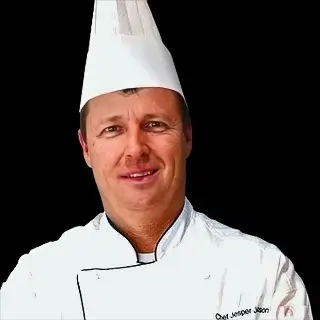
Chef Instructor Jesper Jonsson notes, "A student who graduates from culinary school can participate in much better culinary conversations and understand not just cooking, but how a business is run." This sentiment is echoed by graduates like Nahika Hillery, who sought formal credentials to bridge the gap between being a "good cook" and a professional chef. "I lacked the confidence in my skills in a professional setting," she explains. "The culinary industry is a respected field, and I wanted to be on an equal playing ground with other chefs."
These official insights suggest that while natural talent and grit are the foundation, the "chef" title is increasingly associated with a holistic understanding of the culinary arts, including food science, accounting, and leadership psychology.
Implications for Future Culinary Professionals
Deciding between a career as a cook or a chef involves an honest self-assessment of one’s professional desires.
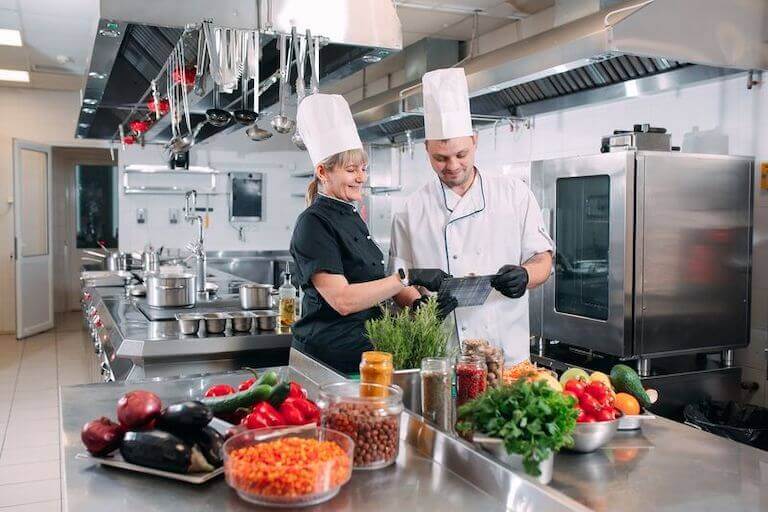
The Case for the Cook
If you find your "flow state" in the tactile, high-speed rhythm of the kitchen—if you prefer the satisfaction of creating a perfect sear or a flawless sauce without the burden of administrative spreadsheets—the role of a career cook is a noble and rewarding path. Many cooks choose this route because it offers a better work-life balance and allows them to maintain a deep, hands-on connection to the craft.
The Case for the Chef
If you are driven by the "business of food"—if you enjoy the challenge of managing a team, the creative freedom of menu design, and the high-stakes environment of fiscal responsibility—the chef path is your objective. This path requires a willingness to trade the comfort of a single station for the chaos of the entire kitchen. It is a path of high pressure, but also one of significant influence and recognition.
Conclusion: Crafting Your Path
Whether you view yourself as a future Executive Chef or a master line cook, the foundation remains the same: a commitment to technical excellence. Culinary school can act as a catalyst for either path, providing the foundational skills and business acumen necessary to succeed in a modern, competitive market.
The divide between a cook and a chef is not one of superiority, but of specialization. The cook creates the dish; the chef creates the environment in which that dish can thrive. By understanding the distinct demands of each role, aspiring culinarians can make informed decisions, ensuring that their career in the kitchen is not just a job, but a lifelong pursuit of their specific passions.
Key Takeaways for Aspiring Professionals
- Skill sets: Cooks focus on technical execution and speed; chefs focus on leadership, financial management, and culinary strategy.
- Education: While not always mandatory, formal education helps bridge the gap between technical skill and the business knowledge required to manage a kitchen.
- Progression: The transition from cook to chef is usually a multi-year process involving progressive leadership roles such as Lead Line Cook and Sous Chef.
- Motivation: Choose the path that aligns with your personality—do you prefer the craft of cooking or the challenge of managing? Both are essential to the culinary world.

 Lina Irawan
 Evan Lee Salim