 Dwi Wanna
 Nana Wu
 Muslim
 Reynand Wu
 Ammar Sabilarrohman
 Lina Hope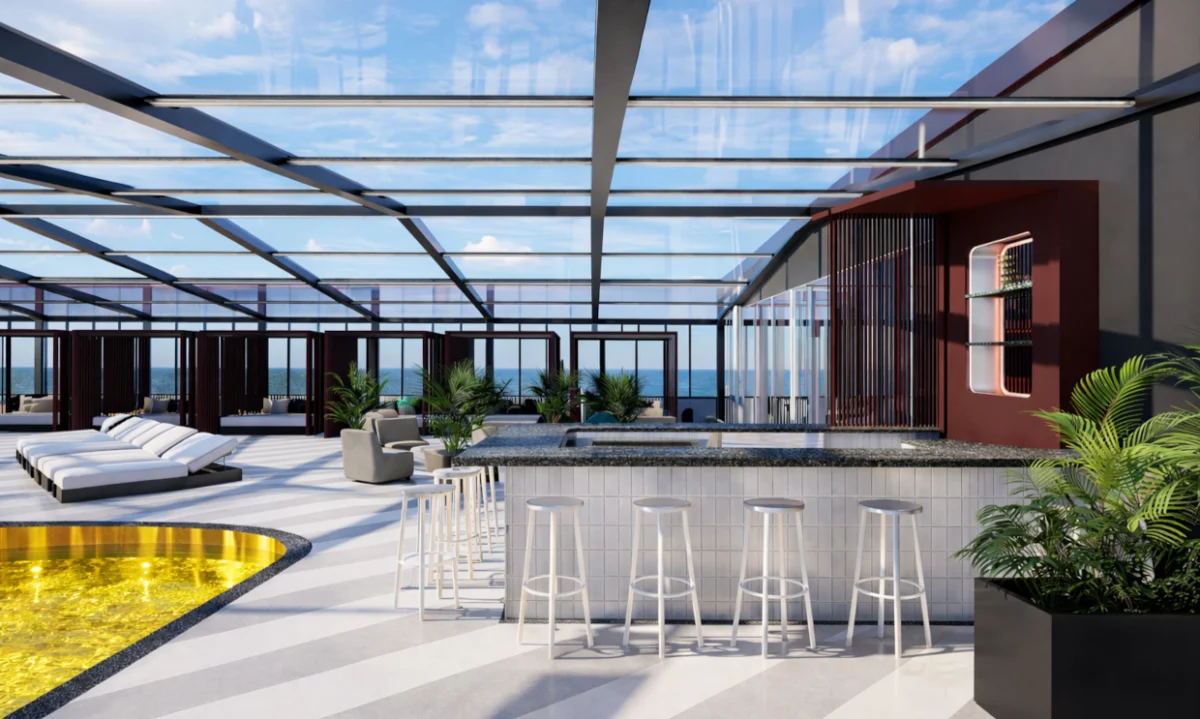
The landscape of Chicago’s Northalsted—the historic heart of the city’s LGBTQ+ community—is poised for a transformation that bridges the gap between the neighborhood’s storied past and its high-design future. Following the initial reveal of the site plan in 2025, the developers behind the Backbeat Hotel have finally pulled back the curtain, offering the public a detailed, immersive look at what promises to be the city’s most anticipated boutique hospitality project.
Rising on the footprint of the beloved, long-shuttered Yoshi’s Café, the 41,000-square-foot, six-story property is not merely a place to sleep; it is a conceptual homage to the pulse of Chicago’s nightlife. With its forthcoming debut, Backbeat intends to redefine what an independent boutique hotel can be, blending the raw, rhythmic energy of house music with a sophisticated, unapologetic aesthetic.
The Architectural Blueprint: A New Landmark for Halsted
The Backbeat Hotel project is a sophisticated collaboration between Miami-based Studio Rodrigo Buelvas, which is spearheading the design vision, and Chicago’s own Jonathan Splitt Architects, serving as the Architect of Record. Together, they have envisioned a structure that is both a monument to the neighborhood’s legacy and a beacon for modern travelers.
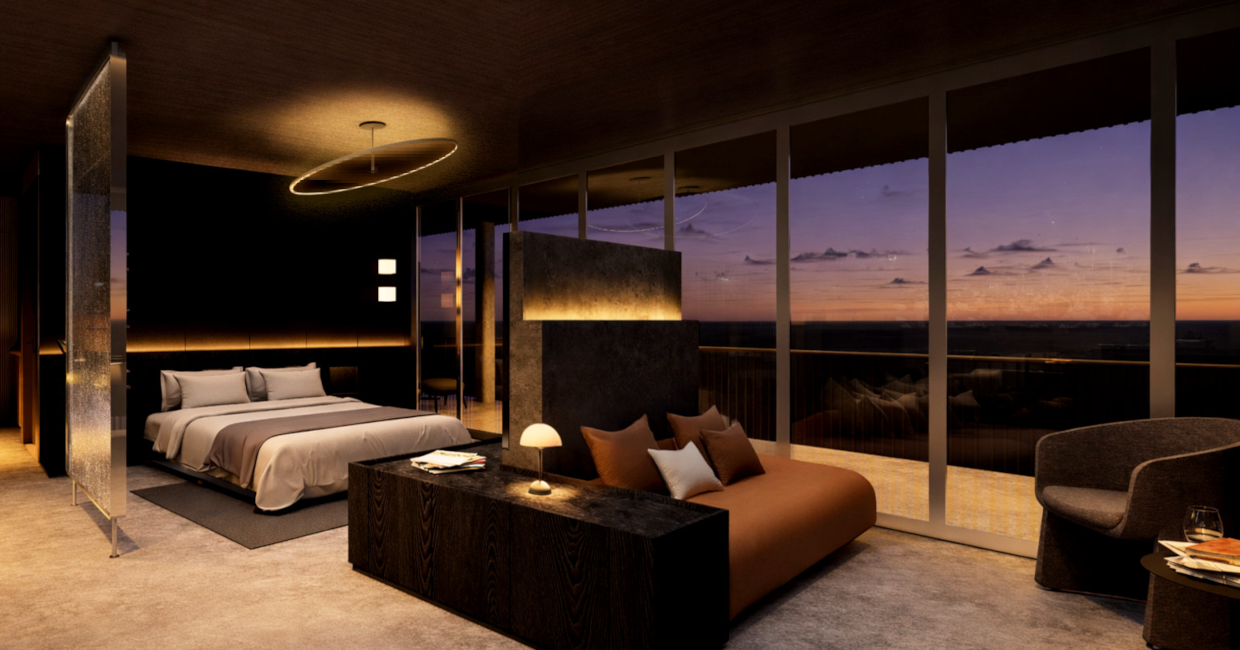
The hotel will house 50 meticulously designed rooms, including 12 expansive suites. The design philosophy is rooted in a "modern-vintage" hybrid—a stylistic marriage of mid-century silhouettes and contemporary, high-fashion detailing. The building’s facade and interior spaces are curated to feel like a living, breathing extension of the Northalsted community, prioritizing warmth, fluidity, and sensory engagement.
Chronology: From Culinary Icon to Hospitality Sanctuary
To understand the significance of the Backbeat, one must look at the ground it occupies. For decades, the corner of Halsted was anchored by Yoshi’s Café, a culinary institution that helped define the cultural fabric of the neighborhood before its closure in 2021. The transition from a landmark restaurant to a boutique hotel marks a significant shift in the area’s development.
- 2021: The closure of Yoshi’s Café leaves a high-profile void in the Northalsted streetscape, sparking years of speculation regarding the future of the prime real estate.
- 2025: Initial site plans for the Backbeat Hotel are unveiled to the public, confirming that the site would not be converted into residential luxury condos, but rather an independent boutique hotel designed specifically for the LGBTQ+ demographic.
- 2026: The project moves from conceptual planning to detailed design phase. The release of the full design renders provides a glimpse into the rooftop amenities and subterranean lounge spaces, signaling that construction is accelerating toward a grand opening.
The Design Philosophy: Where Identity Meets Architecture
"At Backbeat Hotel, hospitality becomes a celebration of identity, nostalgia, and unapologetic style," explains Rodrigo Buelvas, the project’s creative director. His vision for the hotel is one of sensory overload, where the design language acts as a love letter to the origins of house music—a genre that, like the LGBTQ+ community, found its sanctuary in the basements and lofts of Chicago.
The interiors are intentionally dramatic. Guests will encounter a palette that shifts from sun-drenched, daytime hues to the deep, electrifying neon tones of the city’s nightlife scene. Texture plays a pivotal role in the design: expect a lavish mix of mirrored finishes, velvet upholstery, and bold color blocking that creates a "stage" for the guest’s own sense of individuality.
The hotel’s name, "Backbeat," is a direct reference to the rhythmic foundation of house music—the driving, syncopated sound that provided the heartbeat for the disco and club culture of the 1980s and 90s. By centering the hotel’s identity around this musical heritage, the developers have ensured that the property functions as a cultural archive as much as it does a hotel.
Supporting Data and Amenities
The Backbeat Hotel’s 41,000-square-foot footprint is packed with high-end, functional spaces designed to attract both international tourists and local residents.
The Rooftop Anchor
Perhaps the most ambitious feature is the rooftop pool and bar. Designed to be a "social anchor," the space features a retractable roof, allowing it to function as a four-season destination. With unobstructed views of the Chicago skyline, the rooftop is intended to be an elevated entertainment venue, further cementing the hotel’s commitment to community integration.
Culinary and Social Spaces
The ground floor is dedicated to a publicly accessible restaurant and bar that pays subtle tribute to the site’s predecessor, Yoshi’s Café. The design here emphasizes indoor-outdoor flow, encouraging the street-level energy of Halsted Street to bleed into the hotel’s lobby.
Beneath the surface, however, lies the most provocative element of the hotel: a "speakeasy-style" lounge accessed through an unmarked door. This subterranean space is designed to capture the grit and glamour of a bygone era, utilizing sophisticated lighting technology to transition the mood from a subdued afternoon retreat to a high-energy nightlife destination.
Official Responses and Creative Vision
The developers have been vocal about their desire to create a "sanctuary of glamour and expression." The project is being marketed not just as a place to stay, but as a "passport to a world of glamour, sexiness, and endless experiences."
"This hotel is a place where modern pieces flirt with retro silhouettes, comfort meets provocation," Buelvas notes. "It is an homage to the legacy of Boystown, to freedom, and to style without boundaries."
The collaboration with Jonathan Splitt Architects ensures that these lofty creative goals are grounded in the practicalities of Chicago’s zoning and construction standards. By acting as the Architect of Record, Splitt provides the structural backbone necessary to turn Buelvas’ high-concept interior vision into a reality that can withstand the rigorous demands of a bustling, high-traffic boutique hotel.
Implications for the Neighborhood
The introduction of a 50-room independent boutique hotel to Northalsted is a significant milestone for the neighborhood. While the area is world-famous for its nightlife, bars, and community centers, it has long lacked a dedicated, high-design hotel that caters specifically to the demographic it serves.
Economic and Cultural Impact
- Tourism Integration: By providing high-end accommodations within the neighborhood, the Backbeat will likely increase the duration of stay for tourists visiting for events like Pride, while also providing a "home base" for those who wish to experience the neighborhood as locals.
- Community Hub: The commitment to making the rooftop and ground-floor restaurant open to the public is a strategic move to ensure the hotel is viewed as a community asset rather than an exclusive enclave.
- Urban Revitalization: The reuse of the former Yoshi’s Café site is a major win for urban planning, transforming a vacant lot into a high-density, tax-generating entity that supports the local economy.
Conclusion: A New Rhythm for Halsted Street
The Backbeat Hotel is set to become more than just a destination; it is a manifestation of the spirit of Northalsted. By layering the history of house music, the aesthetic of disco-era glamour, and the modern demands of luxury hospitality, the hotel is poised to become the definitive address for travelers seeking a deeper connection to Chicago’s most vibrant district.
As construction continues and the vision nears completion, the anticipation in the neighborhood is palpable. The Backbeat represents a new chapter for Halsted Street—one where the music never really stops, and the door to a more glamorous, inclusive, and rhythmic world is always open.

 Lina Irawan
 Evan Lee Salim