

 Dwi Wanna
 Nana Wu
 Muslim
 Reynand Wu
 Ammar Sabilarrohman
 Layla Zulfa
Despite being one of the most prosperous nations in the world, the United States grapples with a persistent and often invisible challenge: food insecurity. While grocery store shelves remain stocked and the agricultural sector continues to produce surplus yields, millions of Americans find themselves unable to access consistent, nutritious meals. This paradox—hunger in the midst of plenty—is not merely a supply issue; it is a profound socio-economic reality driven by poverty, wage stagnation, and the rising cost of living.
For those looking to make a tangible impact, the role of the individual hunger advocate has never been more critical. By organizing community-driven initiatives, ordinary citizens can bridge the gap between abundance and need, providing a lifeline to families and children in their own backyards.
The Reality of Hunger: Main Facts and Data
Food insecurity, as defined by the United States Department of Agriculture (USDA), occurs when a household lacks consistent access to enough food for an active, healthy life due to limited money or other resources. It is essential to distinguish this from "hunger," which is a physiological sensation; food insecurity is a measure of the systemic constraints that prevent access to adequate nutrition.
The Scale of the Crisis
Data analysis reveals a staggering reality: tens of millions of Americans navigate the uncertainty of their next meal on a regular basis. In 2014, reports indicated that 48.1 million Americans lived in food-insecure households. This demographic included 32.8 million adults and a heartbreaking 15.3 million children. When children are involved, the implications are severe, as nutritional deficits during developmental years can lead to long-term cognitive and physical health challenges.
Hunger does not discriminate by geography. It exists in the heart of bustling metropolitan centers, in suburban cul-de-sacs, and throughout rural counties. The persistence of these numbers highlights a structural failure in the social safety net, making local, grassroots intervention an essential component of community health.
Chronology of Action: Planning Your Initiative
Successfully addressing hunger requires more than good intentions; it demands rigorous logistics. Whether you are planning a one-time drive or a recurring event, the following chronological framework will help ensure your efforts are both sustainable and impactful.
Phase 1: Conceptualization and Scope
The first step is determining the scale of your event. If you lack access to a large-scale communication infrastructure, avoid the temptation to go "big" immediately. A neighborhood-level drive that is well-organized is infinitely more effective than a poorly managed corporate event.
- Identify Your Team: Assemble a committee early. Assign a Lead Coordinator, a Logistics Manager (responsible for sorting and storage), and an Outreach Specialist (responsible for marketing and media relations).
- Define the Model: Will you collect donations over a weekend, or a month? Consider the timing. A school-based drive during spring break is doomed to fail; align your calendar with the rhythm of your target community.
Phase 2: Execution and Engagement
Once the date is set, the focus must shift to marketing. A "catchy" slogan acts as the anchor for your campaign. Host a poster contest to generate buzz, especially if you are working with schools, as this encourages early participation from younger generations.
- Drop-off Points: Select high-traffic locations—local businesses, places of worship, or community centers. Ensure these sites have indoor options to protect donations from the elements.
- The "Partner" Approach: Before finalizing plans, contact the local food pantry or organization receiving the goods. Ask them directly what they need. Often, donations are skewed toward heavy, inexpensive items like pasta, while essentials like baby formula, low-sodium canned goods, or brown rice are chronically understocked.
Strategic Incentives: Driving Participation
To maximize intake, organizers must gamify the act of giving.
- The "Fill-the-Truck" Challenge: Encourage participants to fill an entire transport vehicle, creating a visual milestone that motivates donors.
- The "$5 Party" Model: Ask guests to contribute $5 worth of non-perishable goods to an event, with prizes awarded for the largest volume or the most creative donation.
- The "Currency" Concept: Make donations a mandatory "entry fee" for social gatherings. A "donation jar" at the office for minor infractions—like lateness or forgotten meeting etiquette—is an excellent way to maintain a steady stream of contributions throughout the year.
Beyond the Food Drive: Alternative Advocacy
While traditional food drives are effective, they are not the only way to help. If time or logistics are a barrier, consider these high-impact alternatives:
Community Meals and "Chef-Led" Initiatives
Hosting a community lunch or dinner provides more than just calories; it offers dignity and a communal atmosphere for those experiencing homelessness or food instability.
- Neutral Venues: Host these events in secular, accessible locations.
- Professional Collaboration: Reach out to local chefs. Many are eager to donate time or professional expertise to help scale a meal program. Some independent restaurants have integrated this into their business models, proving that profit and philanthropy can coexist.
Volunteering at Soup Kitchens
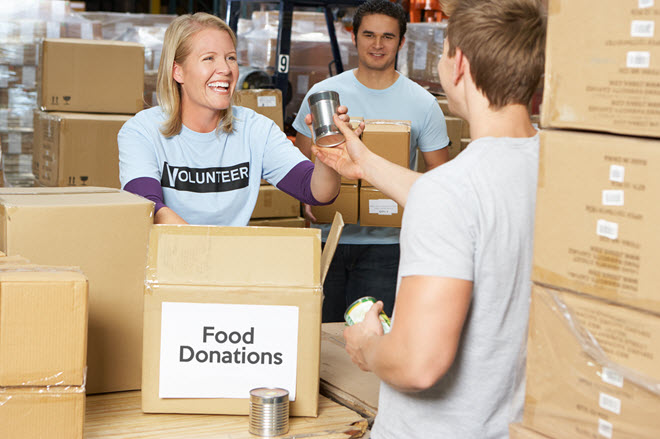
If organizing is not your strength, the front lines are always in need of support. Soup kitchens and food pantries require volunteers for a variety of tasks, from inventory management and cleaning to cooking and serving. Consistent, long-term volunteering is often more valuable to these organizations than a one-time, large-scale donation.
Supporting Data: Nutrition and Donation Quality
When donating, quality matters as much as quantity. While any contribution is helpful, the most impactful donations are those that reflect a balanced, nutrient-dense diet.
The "Superfood" Standard
To maximize the health outcomes of your donations, prioritize items that offer high nutritional density:
- Proteins: Tuna, canned chicken, salmon, peanut butter, and dried beans.
- Grains: Whole-grain pasta, brown rice, and oatmeal.
- Produce: Canned fruits packed in natural juice (not syrup) and low-sodium vegetables.
- Essentials: Evaporated milk, cooking oils, and spices.
- Pet Care: Do not overlook our four-legged companions. Many families in need will prioritize feeding their pets over themselves. Including pet food in your drive ensures that no household member goes without.
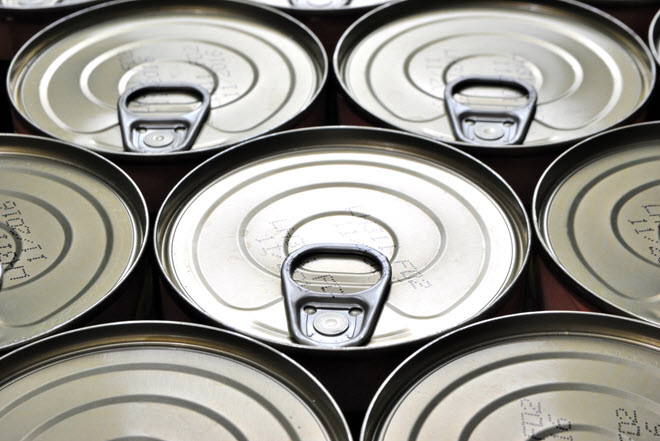
Pro-tip: Prioritize pop-top cans over those requiring a can opener. For many experiencing homelessness, the ability to open food easily is a significant logistical necessity.

Official Responses and Implications
The consensus among public health experts and policymakers is that food insecurity is a "multiplier" of other social issues. Households that are food insecure are more likely to face health disparities, including higher rates of chronic conditions such as diabetes and hypertension.
Official organizations like the USDA and Feeding America emphasize that addressing this issue requires a two-pronged approach: immediate, emergency relief (food drives and pantries) and systemic advocacy (supporting policy changes that address the root causes of poverty). As an advocate, you are the bridge. By raising awareness, you shift the narrative from a private struggle to a public priority.
Conclusion: A Call to Action
The journey from awareness to advocacy is a personal one. Whether you choose to organize a small neighborhood collection, host a community dinner, or donate your time to a local pantry, the cumulative effect of these actions is profound. You are not just providing a meal; you are providing a moment of stability for a neighbor in crisis.
In a world of complex problems, the act of feeding someone is a direct, clear, and immensely powerful expression of community. Start small, stay consistent, and remember that every can, every dollar, and every hour of service helps to dismantle the wall of hunger that keeps our fellow citizens from reaching their full potential.
For those interested in starting their own advocacy journey, reach out to your local food bank today to request their current "most needed" list and begin your planning process.

 Lina Irawan
 Evan Lee Salim