

 Azzam Bilal Chamdy
 Neng Nana
 Nana Muazin
 Dwi Wanna
 Raul Delapena Setiawan
The Shift from Method to Result
For decades, the agricultural sector has been trapped in a debate over "prescriptive" farming. Do you practice no-till? Do you cover-crop? Are you organic? While these methods have served as important gateways into sustainable agriculture, they have also created a narrow, checklist-based view of what it means to farm "well."
Regenerative agriculture, a movement gaining significant global traction, is now undergoing a fundamental shift in philosophy. As highlighted by Olivia Boothman of the Global Farm Metric, the future of the industry lies not in a uniform set of practices, but in the measurable outcomes that those practices deliver. The launch of the Regen10 Outcomes Framework represents the first global, co-developed attempt to define exactly what those outcomes should look like—creating a shared language that spans from the smallholder farm in Cornwall to large-scale industrial landscapes.
The Evolution of a Perspective: A Chronology of Understanding
The journey toward outcome-based agriculture has been accelerated by global crises, most notably the COVID-19 pandemic.
- 2020: The Wake-up Call: As global supply chains stuttered during the initial lockdown, the fragility of the industrial food system became painfully apparent. For many, including veterinary professionals like Boothman, this period served as a professional pivot point. It highlighted the essential role of local, seasonal food systems in providing community resilience.
- 2021–2022: The Academic Exploration: During this period, the discourse shifted from crisis management to systemic analysis. Early adopters and researchers began connecting the dots between soil organic matter (via initiatives like 4per1000), biodiversity support, and social models like community-supported agriculture.
- 2023: The Principle-Outcome Gap: As conferences like the Groundswell Festival solidified the "five principles of regenerative agriculture," a tension emerged. While principles provided a useful starting point, they were often treated as a "one-size-fits-all" recipe.
- 2024: The Launch of the Regen10 Framework: The industry reached a milestone with the formalization of the Regen10 Outcomes Framework. By moving away from specific, rigid practices, the framework allows for regional, cultural, and ecological context to dictate the path forward, provided the final destination—the outcomes—are achieved.
The Data Behind the Philosophy: Why Context Matters
Critics of regenerative agriculture often argue that a lack of standardization makes it difficult to verify impact. However, the Regen10 approach counters this by proposing that context is king.
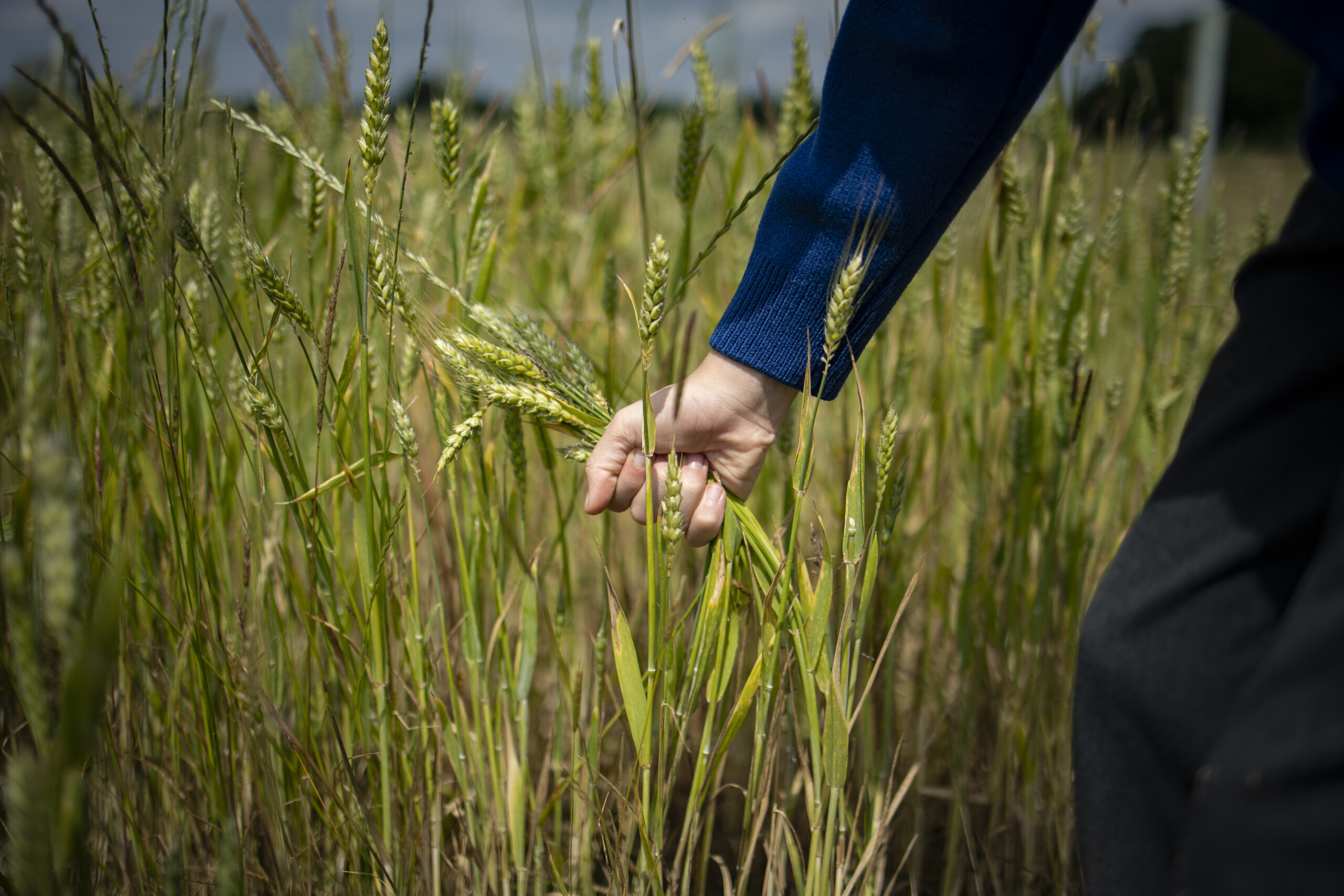
Farming is not a manufacturing process performed on a blank canvas; it is an interaction with a living, evolving system. A farm in a water-scarce, drought-prone region of Sub-Saharan Africa cannot, and should not, adopt the same water-management practices as a farm in the temperate, rain-heavy climate of the UK.
Supporting Metrics for Success:
- Soil Health: Rather than demanding no-till in every environment, the focus shifts to measuring soil organic carbon, aggregate stability, and biological activity.
- Ecological Resilience: Indicators move toward species richness and the presence of indicator species rather than simply counting the number of "sustainable" practices performed.
- Socio-Economic Vitality: A core tenet of the new framework is the inclusion of human health and economic prosperity. If a farm restores the soil but the farmer cannot afford to stay on the land, the system has failed the "regeneration" test.
By allowing farmers the flexibility to adapt to their specific landscape, the framework fosters a culture of innovation. A farmer might integrate livestock to cycle nutrients in one region, while in another, they might reduce livestock numbers to prevent overgrazing and habitat degradation. Both choices are "regenerative" if they move the needle on predefined outcomes.
Official Responses and Industry Alignment
The Regen10 Outcomes Framework is not a top-down mandate. Its legitimacy stems from its collaborative architecture, which involved intensive consultations with Indigenous Peoples, conservationists, farmers’ unions, and global agrifood businesses.
The consensus from these stakeholders is that the industry has been too focused on "climate mitigation" as the sole metric of success. While carbon sequestration is vital, the new framework forces a broader conversation. It integrates the findings of the Global Farm Metric, providing a foundation that allows investors and policymakers to compare "apples to apples" without forcing farmers to adopt identical methods.
"We cannot treat regeneration as a fixed state," notes the project’s lead team. "The objective is not to reach a ‘fully regenerative’ status—because such a thing doesn’t exist. The objective is continuous improvement."
Implications: The New Language of Food Systems
The shift toward an outcome-based framework has profound implications for the global food system:
1. Investment and Finance
For years, ESG (Environmental, Social, and Governance) investors have struggled to deploy capital into agriculture because of the difficulty in measuring "regenerative" impact. By establishing a shared language—agreed upon by diverse stakeholders—Regen10 creates a tangible benchmark. Investors can now fund results rather than intentions, making the business case for sustainable farming significantly more attractive.
2. Policy and Regulation
Governments are often hesitant to subsidize practices that might not work in all regions. By anchoring policy in outcomes (e.g., "improvement in water quality" or "increased biodiversity"), policymakers can create incentive schemes that are geographically agnostic. This allows for localized implementation while maintaining global accountability.
3. Farmer Agency
Perhaps the most significant implication is the return of agency to the farmer. The "checklist" approach often alienated traditional farmers who felt that urban-based, top-down mandates ignored the realities of their land. By focusing on outcomes, the framework trusts the farmer’s expertise. It empowers them to use their knowledge of the land to reach specific targets, fostering a sense of ownership over the transition.
4. Systemic Transparency
For the consumer, this framework promises a clearer understanding of what they are purchasing. As the food system becomes more transparent, consumers will be able to distinguish between marketing buzzwords and genuine ecological, social, and human health improvements.
Conclusion: The Road Ahead
The transition to a truly regenerative food system will not be won through a single, perfect technique. It will be won by our ability to measure what matters. By pivoting from the "how" to the "what," the Regen10 Outcomes Framework provides the industry with the clarity it has long lacked.
As we move forward, the questions we ask of our food systems must become harder and more specific: Is the soil becoming more resilient to extreme weather? Is the biodiversity in our hedgerows thriving? Are the people who grow our food becoming more prosperous and healthy?
Regenerative agriculture is not a destination; it is a direction. Through global collaboration and a focus on meaningful, site-specific outcomes, we are finally building the map to get there. The foundations have been laid by the Global Farm Metric and its partners—now the task remains for the global community to adopt this shared language and begin the real work of restoring our ecological and human systems.
For further reading on how these frameworks are being implemented at the local and international levels, stakeholders are encouraged to visit the Regen10 Outcomes Framework portal to explore the specific metrics and collaborative models currently in development.



 Siti Muinah
