
 Dwi Wanna
 Nana Wu
 Muslim
 Reynand Wu
 Ammar Sabilarrohman
 Azzam Bilal Chamdy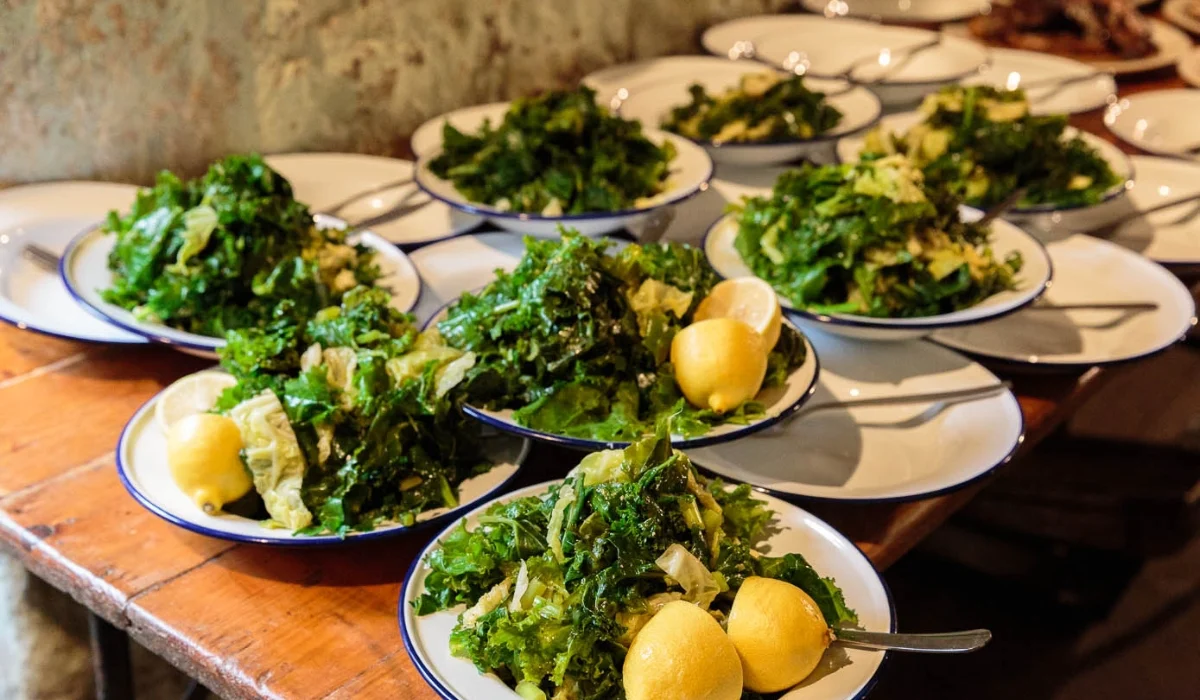
The global medical landscape has been fundamentally altered by the arrival of a new generation of weight-loss medications. Drugs targeting the GLP-1 (glucagon-like peptide-1) hormone are being hailed as a pharmacological revolution, offering a lifeline to those struggling with obesity, type 2 diabetes, and the metabolic consequences of chronic disease. Yet, as millions turn to these treatments to suppress appetite, a critical debate is brewing among nutritionists and public health experts.
Dr. Lucy Williamson, an award-winning public health nutritionist and former veterinarian with three decades of experience spanning soil health to human physiology, argues that by focusing exclusively on appetite suppression, we are missing a fundamental truth: health is not merely the absence of excess weight, but the presence of systemic biological balance. To solve the crisis of metabolic disease, we must look beyond the needle and consider the quality of the food we consume and the soil from which it springs.
The Main Facts: The GLP-1 Revolution
The current surge in interest surrounding weight-loss drugs—such as semaglutide and tirzepatide—centers on their ability to mimic the GLP-1 hormone. Naturally produced in the gut, GLP-1 is a key player in metabolic regulation. It slows gastric emptying, balances blood glucose levels, and sends potent signals of satiety to the brain.
For patients who have exhausted traditional dietary interventions, these drugs offer a physiological reset. However, the current clinical narrative is heavily skewed toward "intake reduction." While reducing calorie consumption is a valid strategy for weight management, Dr. Williamson posits that this singular focus ignores the "food matrix"—the complex physical and chemical structure of food that determines how our bodies absorb nutrients and signal fullness. When we treat the body solely as a caloric calculator, we overlook the biological systems—specifically the gut microbiome—that are the true gatekeepers of long-term metabolic health.
Chronology of a Crisis: From Soil Depletion to Metabolic Ills
The trajectory of modern public health can be traced back to a series of shifts in how we interact with our food system:
- Mid-20th Century: The industrialization of agriculture prioritized high-yield, monoculture farming, leading to a focus on chemical inputs over soil biological health.
- Late 20th Century: The rise of Ultra-Processed Foods (UPFs) saw the displacement of whole-food nutrients with high-energy sugars, fats, and additives, decoupling food from its original nutrient-dense matrix.
- The 21st Century: As the prevalence of obesity and inflammatory conditions reached pandemic levels, the medical community turned toward surgical and pharmacological interventions to "fix" the resulting metabolic dysfunction.
- Present Day: The emergence of GLP-1 agonists has successfully addressed the symptoms of metabolic dysregulation. However, the root cause—a disconnect between the human gut, the food we eat, and the soil where it grows—remains largely unaddressed in mainstream clinical practice.
Supporting Data: The Science of the "Soil-to-Gut" Connection
The argument that food quality is as important as food quantity is backed by an increasing body of research. The gut microbiome, a complex community of trillions of microorganisms, acts as the mediator between our environment and our health.
The Role of Microbiome Diversity
A healthy microbiome requires a diverse diet rich in plant fibers and bioactive compounds like polyphenols. These compounds act as prebiotics, nourishing the bacteria that, in turn, produce butyrate—a potent natural anti-inflammatory. Research indicates that when we consume UPFs, we inadvertently starve these beneficial microbes, reducing our natural ability to produce GLP-1 and weakening our body’s innate protective barriers.
The Soil-Human Health Link
Perhaps the most overlooked factor is the quality of the soil. Studies have shown that crops grown in regenerative, microbe-rich soils contain higher concentrations of essential vitamins (A, C, and E) and secondary metabolites like polyphenols and carotenoids compared to those grown in chemically depleted, industrial soils.
Furthermore, the use of synthetic pesticides and herbicides has been shown to cause inflammatory changes in the small intestine. By compromising the gut’s mucus layer—our primary defense against inflammation—these chemicals may be inadvertently contributing to the very metabolic conditions that current medications are struggling to treat.
Official Perspectives and Expert Analysis
While the pharmaceutical industry highlights the efficacy of GLP-1 drugs in preventing cardiovascular events and diabetes, critics like Dr. Williamson urge a "systems-thinking" approach.
"We are currently seeing a ‘quick-fix’ culture," Dr. Williamson notes. "But if you put a person on a weight-loss drug while they continue to consume an ultra-processed diet, you are not curing the underlying metabolic dysfunction. You are simply masking it. We must shift the narrative from ‘controlling’ appetite to ‘cultivating’ health."
The consensus among holistic nutritionists is that while these drugs are a necessary bridge for many, they cannot replace the need for an ecological approach to diet. Official public health guidelines are beginning to acknowledge the "food matrix," but they have yet to integrate the "soil-to-gut" continuum into clinical practice. The challenge lies in moving policy beyond simple calorie counting to address the nutrient density of our food supply and the regenerative practices of our farmers.
Implications: A New Paradigm for Public Health
The implications of ignoring the broader ecosystem of health are profound. If we rely solely on medication to override our biological signals, we risk creating a cycle of dependency where we treat the symptom (weight) while the cause (poor nutrition and microbial depletion) remains ignored.
1. Moving Toward Cultivation, Not Control
True health should not be viewed as a state to be coerced through suppression, but as a state to be nurtured through diet and environment. This means prioritizing food produced in farming systems that emphasize ecological balance.
2. The Importance of Sensory Experience
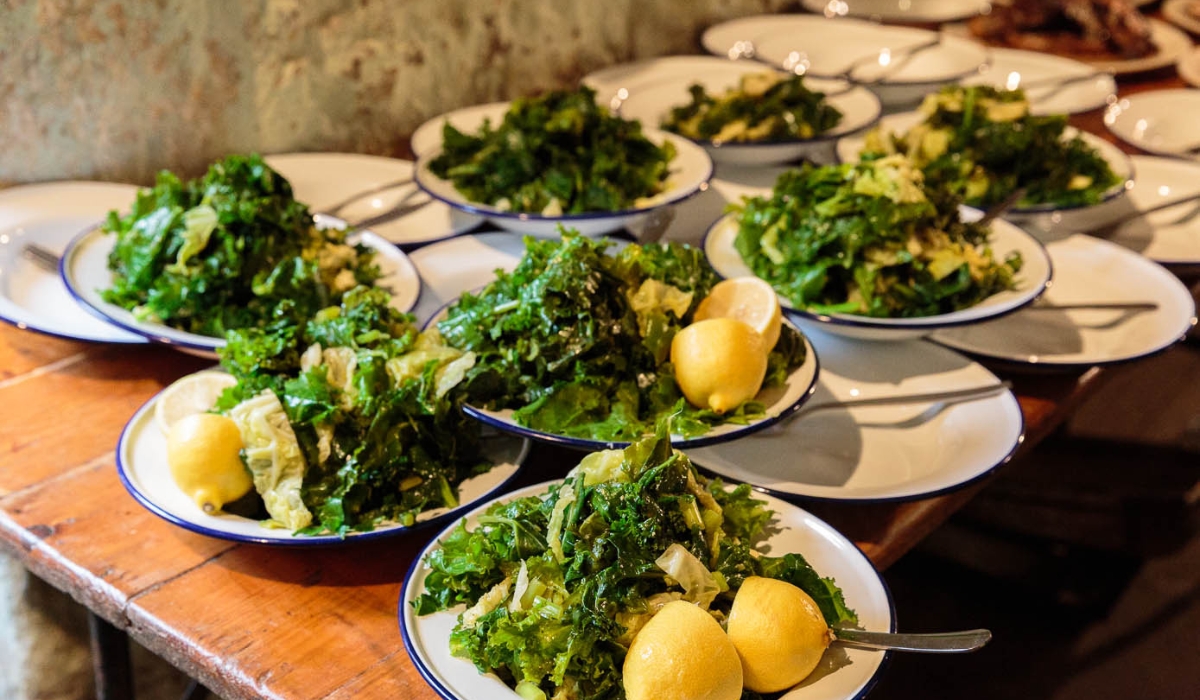
Food is a multi-sensory experience. The complex chemistry of whole foods interacts with our palate and gut in ways that processed alternatives cannot mimic. Re-engaging with this complexity is essential for long-term satiety.
3. Environmental Reconnection
Emerging evidence suggests that our microbial health is also tied to our physical environment. Time spent in nature, exposure to biodiverse ecosystems, and contact with soil can bolster our internal resilience. We are, in many ways, an extension of the soil we live upon.
Conclusion: Reconnecting the System
The arrival of weight-loss drugs is a medical milestone that has saved countless lives. However, these medications should be viewed as a tool in a larger kit, not the final answer. To truly solve the metabolic crisis, we must broaden our scope.
The path forward involves a radical reconciliation between human biology and the land. By supporting agricultural systems that prioritize soil health, we ensure that the food we eat provides the essential nutrients required for a thriving microbiome. By nourishing our microbiome, we optimize our natural ability to regulate appetite and combat inflammation.
As Dr. Williamson emphasizes, the ultimate goal is not to suppress our biology but to restore its natural function. It is time to look beyond the plate, reconnect with the soil, and redefine what it means to be truly healthy in an era of unprecedented medical advancement.
For those interested in exploring this topic further, Dr. Lucy Williamson’s forthcoming book, "Soil to Gut," delves into the intricate connections between our internal and external ecosystems. You can learn more about her work at lwnutrition.co.uk.



 Ali Ikhwan