

 Dwi Wanna
 Nana Wu
 Muslim
 Reynand Wu
 Ammar Sabilarrohman
 Iffa Jayyana
Despite the United States’ status as one of the world’s most affluent nations, a silent crisis persists within its borders. Food insecurity—a term defined by the USDA as a lack of consistent access to enough food for an active, healthy life—affects millions of households. This is not a crisis of scarcity, but rather one of distribution, poverty, and systemic inequality. For those looking to bridge the gap, becoming a hunger advocate is more than a charitable gesture; it is a vital contribution to community stability.
The Reality of Hunger: Main Facts and Scope
The numbers are staggering. According to historical data from the USDA, 48.1 million Americans lived in food-insecure households as of 2014. This figure represents 32.8 million adults and 15.3 million children. When a child faces uncertainty regarding their next meal, the implications extend far beyond physical hunger; it impacts cognitive development, academic performance, and long-term health outcomes.
Hunger in the U.S. is deeply tied to the prevalence of poverty. Inflation, stagnant wages, and the high cost of living in urban centers force families to make impossible choices between paying for rent, medical bills, or groceries. Understanding this reality is the first step toward effective advocacy. A food drive is not merely a collection of cans; it is an intervention in the cycle of poverty.
Chronology of an Effective Advocacy Campaign
Organizing a successful food drive requires meticulous planning. To maximize impact, organizers should follow a structured timeline:
Phase 1: Conceptualization and Goal Setting (4–6 weeks out)
Identify your scope. Are you organizing a neighborhood drive, a workplace initiative, or a school-wide campaign? Success depends on your ability to communicate with your chosen demographic. If you lack a robust communication system at your workplace, a neighborhood-based effort may prove more effective. Consult with potential stakeholders to gauge interest and form an initial planning committee.
Phase 2: Logistics and Strategy (3 weeks out)
Define your method of collection. Will this be a single-day event or an ongoing collection spanning several weeks? If opting for a school event, ensure dates do not conflict with holidays or breaks. Consider creative event models, such as:
- The "Fill-the-Truck" Challenge: Aiming to fill a specific vehicle, which provides a visual goal for donors.
- The "$5/5-Pound Party": Requiring attendees to bring either five dollars or five pounds of food as a "price of admission."
Phase 3: Engagement and Promotion (2 weeks out)
Create a brand for your event. A catchy slogan or a thematic title can significantly increase visibility. Host a poster contest to generate excitement and involve younger participants. Distribute event calendars to committee members to ensure everyone is synchronized regarding drop-off times, volunteer shifts, and collection locations.
Phase 4: Execution and Collection (The Event Days)
Ensure all collection sites are accessible and high-traffic. If the event is outdoors, always have a secondary, indoor location prepared for inclement weather. During the event, track progress in real-time, posting updates on social media or company newsletters to maintain momentum.
Supporting Data: What Food Pantries Actually Need
When donating, it is common to clear out the back of the pantry, but the most effective donations are intentional. Local food banks often experience a surplus of items that are difficult to distribute while facing a critical shortage of staples.
The "Gold Standard" List for Donations:
- Proteins: Canned tuna, chicken, salmon, peanut butter, and dried beans.
- Grains: Whole-grain pasta, brown rice, and rolled oats.
- Nutrient-Dense Staples: Canned fruits packed in juice (not syrup) and low-sodium canned vegetables.
- Essentials: Evaporated milk, chicken/vegetable broths, and low-sodium pasta sauce.
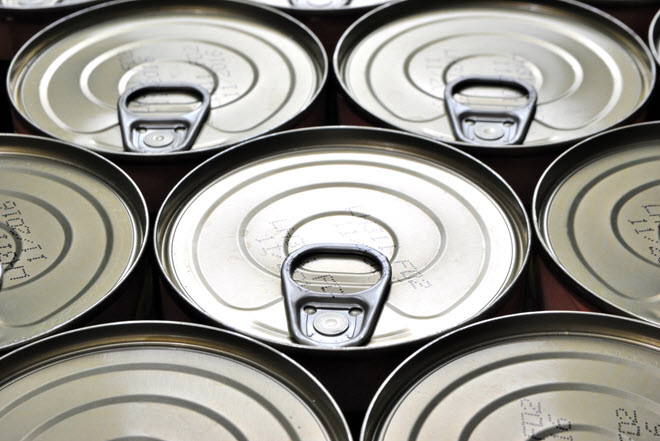
- Practicality: Choose pop-top lids whenever possible to assist those who may not have access to can openers. Avoid glass jars, which are heavy and prone to breakage.
Furthermore, consider the "silent" needs: pet food. Many families in poverty prioritize feeding their pets over themselves. Providing dry dog or cat food is a compassionate way to ensure the entire household is cared for.
Official Perspectives: Partnering with Local Agencies
Before launching your drive, you must contact the recipient organization. Local food banks are the experts in their community’s needs. They can provide specific "wish lists" based on current inventory levels.
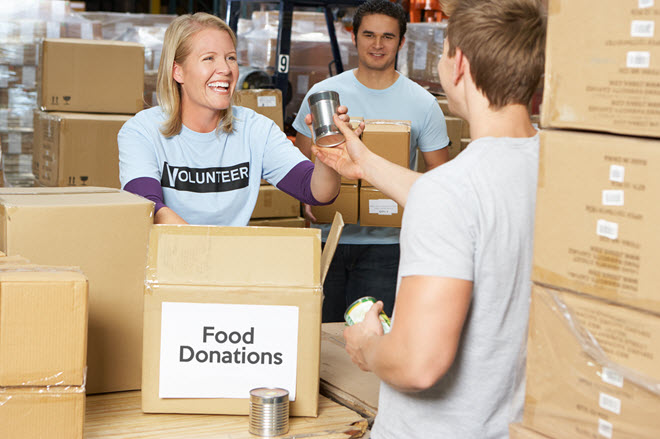
"Knowing exactly what the pantry needs—whether it’s baby formula, diapers, or shelf-stable rice—prevents waste and maximizes the utility of every donation," notes one local food bank coordinator. Building this relationship also ensures that your donation process aligns with the facility’s storage capacity and sorting capabilities.
Thinking Outside the Box: Alternatives to Traditional Drives
If a full-scale food drive feels daunting, consider high-impact alternatives that require less logistical overhead:
1. The "Donate Your Birthday" Model
Encourage friends and family to bring non-perishable food items instead of gifts for your birthday or anniversary. This converts a personal celebration into a communal good.
2. Professional Advocacy
If you possess culinary skills, consider partnering with a local shelter to host a community dinner. If you cannot cook, consider volunteering your time to manage inventory, fold linens, or assist in the distribution process. The human element—interacting with those you serve—often provides the most profound perspective on the necessity of this work.
3. The "Swear Jar" Evolution
Implement a "donation jar" in the office. Every time a cell phone rings during a meeting or someone arrives late, a "fine" is paid in the form of a canned good. It injects a sense of fun into a serious cause while keeping food flowing into your donation bins year-round.
Implications: The Long-Term Impact of Advocacy
The act of organizing a food drive does more than fill shelves for a month; it changes the culture of a community. By normalizing the act of giving, organizers create a support network that persists beyond the event itself.

When you involve local media, businesses, and schools, you are educating the public about the hidden nature of hunger. You are signaling that the community is not indifferent to the plight of its neighbors. This awareness can lead to policy changes, increased support for public health services, and a stronger social safety net.
Conclusion: A Call to Action
The fight against food insecurity is a marathon, not a sprint. Whether you are holding a "Fill-the-Truck" event, volunteering at a local soup kitchen, or simply making a point to donate nutrient-dense items, your contribution is part of a larger, vital effort.
Remember that the success of a food drive is not measured solely by the weight of the donations collected, but by the commitment to the cause. By starting small, staying organized, and keeping the dignity of the recipients at the forefront of your planning, you can make a measurable difference in the lives of those facing the uncertainty of their next meal. Start today—your community is waiting.

 Lina Irawan
 Evan Lee Salim