 Layla Zulfa

 Ammar Sabilarrohman

 Pevita Pearce

 Lina Hope

 Evan Lee Salim
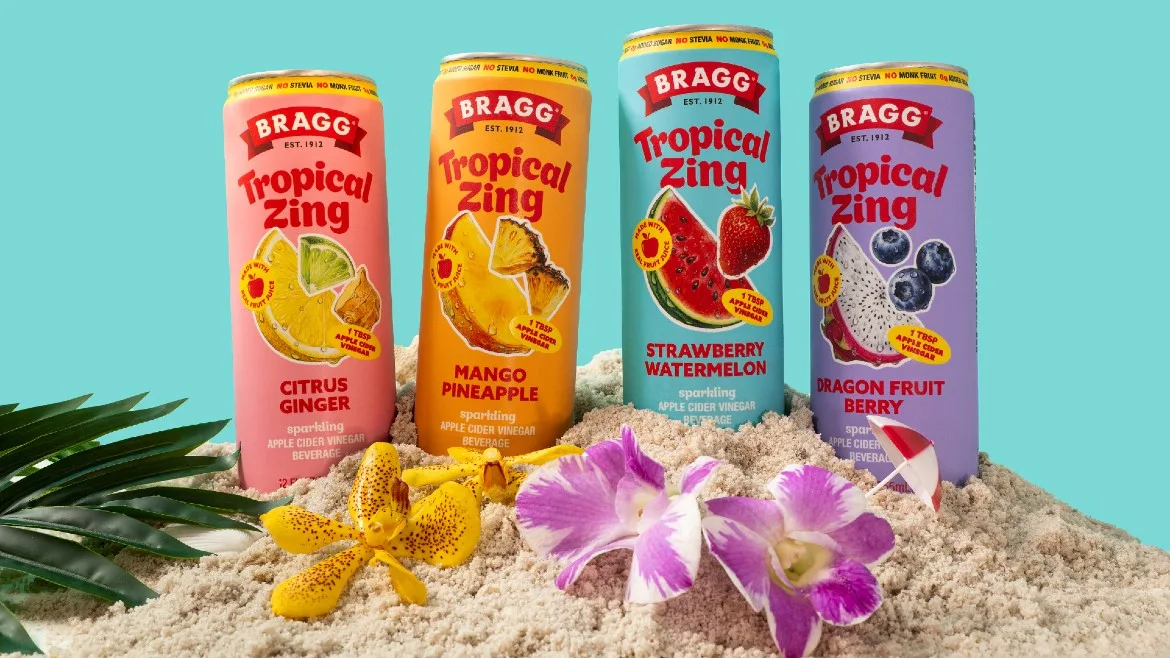
Bragg Live Food Products, the heritage brand synonymous with the global apple cider vinegar (ACV) movement, has officially entered the functional beverage market with its latest innovation: Tropical Zing Sparkling Apple Cider Vinegar. The new product line, housed in convenient 12-ounce cans, represents a strategic pivot for the company, blending its long-standing commitment to holistic health with the modern consumer’s demand for portability, flavor variety, and clean-label ingredients.
Each can features a potent, standardized dose of one tablespoon of Bragg’s signature organic apple cider vinegar, rounded out by real fruit juices. With the launch, Bragg aims to bridge the gap between traditional wellness rituals and the fast-paced lifestyle of the contemporary beverage consumer.
The Evolution of a Wellness Icon: A Chronological Overview
To understand the significance of the Tropical Zing launch, one must look at the historical trajectory of the Bragg brand, which has served as a cornerstone of the natural products industry for over a century.
The Foundation (1912–1950s)
Founded by Paul C. Bragg, a pioneer in the American health food movement, the company built its reputation on the "Bragg Healthy Lifestyle." Paul Bragg, often credited with popularizing the benefits of apple cider vinegar, emphasized that health was a product of proper nutrition, exercise, and the avoidance of processed additives.
Scaling the Ritual (1960s–2010s)
For decades, Bragg’s primary delivery mechanism for its ACV was the iconic glass bottle. Consumers were instructed to dilute the potent, acidic liquid into water or teas, a process that required preparation and an acquired taste for the vinegar’s sharp, pungent profile. While the brand maintained a loyal following among health enthusiasts, the consumption method remained largely unchanged for generations.
Modernization and Expansion (2019–Present)
In 2019, an investor group led by Swander Pace Capital and iconic figures including Katy Perry acquired Bragg Live Food Products. Under the leadership of CEO Linda Boardman, the company began an aggressive modernization strategy. This era saw the introduction of more accessible packaging, expanded distribution into mainstream grocery channels, and, ultimately, the development of the "ready-to-drink" (RTD) format seen in Tropical Zing.
Supporting Data: Nutrition and Market Positioning
In a beverage market saturated with high-sugar sodas and artificial energy drinks, Bragg’s Tropical Zing is positioned as a "better-for-you" alternative. The product’s nutritional profile is designed to appeal to the "sober curious" and health-conscious demographics who prioritize metabolic health and ingredient transparency.
Nutritional Breakdown
- Vinegar Content: One full tablespoon of organic apple cider vinegar per 12-oz. can.
- Caloric Density: Each serving contains only 40 calories.
- Sweetener Profile: The line is notable for its absence of added sugars, stevia, or monk fruit sweeteners. The sweetness is derived solely from the real fruit juice inclusions.
- Flavor Portfolio: The initial launch includes four distinct profiles:
- Strawberry Watermelon: A light, summer-forward blend.
- Mango Pineapple: A nod to the tropical origins of the founders’ wellness philosophy.
- Citrus Ginger: A spicy, digestive-supporting option.
- Dragon Fruit Berry: A contemporary, antioxidant-focused profile.
The Science of the "Daily Ritual"
Apple cider vinegar has long been studied for its potential to support blood sugar management, digestive health, and satiety. By pre-diluting the vinegar, Bragg removes the "friction" of the health ritual. Consumers no longer need to measure, mix, or mask the acidity of the vinegar, as the flavor engineering in Tropical Zing provides a palate-friendly experience without sacrificing the functional integrity of the raw ACV.
Official Responses: Defining the Bragg Vision
The shift toward a ready-to-drink format was a deliberate decision, informed by consumer research and the brand’s mission to make wellness accessible to a broader audience.
"We believe that wellness works best when it’s simple, enjoyable, and fits into your everyday routine," says Bragg Live Food Products CEO Linda Boardman. "As the brand that introduced generations of consumers to apple cider vinegar as a daily wellness ritual, Bragg Tropical Zing is a natural evolution for us. It combines our trusted apple cider vinegar with vibrant, fruit-forward flavors and the uncompromising quality that defines Bragg."
Boardman’s statement highlights the company’s intent to remain a "gatekeeper" of the ACV category while simultaneously evolving to meet the lifestyle expectations of younger, convenience-oriented shoppers. By maintaining the "uncompromising quality" of their core product, Bragg is attempting to insulate itself from the "health-washing" often seen in the beverage industry, where small amounts of functional ingredients are overshadowed by high levels of sweeteners or artificial additives.
Strategic Implications: The Future of Functional Beverages
The entry of Bragg into the canned beverage space has several significant implications for the broader food and beverage industry.
1. Mainstreaming Functional Vinegar
Vinegar-based drinks, often referred to as "shrubs," have existed in niche markets for years. However, by leveraging the brand equity of Bragg, the company is likely to move the category into the mainstream. If successful, Tropical Zing could displace traditional sodas and sugary sparkling waters in both convenience store coolers and office breakrooms.
2. The "Clean Label" Mandate
Bragg’s decision to eschew even natural non-nutritive sweeteners like stevia and monk fruit is a bold move. It signals a shift in consumer preference toward "less sweet" profiles. As consumers become more educated about the microbiome and the potential impacts of artificial sweeteners on gut health, a product that relies solely on the natural sugars found in fruit juice positions Bragg as a leader in the clean-label movement.
3. Distribution and Pricing Strategy
Starting in late October, Bragg began a rollout through leading e-commerce retailers, allowing the brand to gather direct consumer feedback before a potential brick-and-mortar expansion. With a suggested retail price of $2.49 per 12-oz. can and $8.99 for a four-pack, the pricing is competitive within the premium functional beverage category. This accessibility is essential for the brand’s goal of making the "wellness ritual" an everyday occurrence rather than a luxury purchase.
4. Competitive Landscape
Bragg now finds itself competing not only with other functional beverage startups but also with established players in the probiotic soda (such as Olipop or Poppi) and sparkling water categories. Unlike these competitors, which often focus on prebiotics or fiber content, Bragg’s competitive advantage lies in the decades of trust associated with its apple cider vinegar. The company is betting that the "Bragg" name—and the specific, high-dosage of ACV—will be the deciding factor for consumers who are wary of trendy beverages with unproven efficacy.
Conclusion: A New Chapter for a Legacy Brand
The launch of Tropical Zing is more than a simple product expansion; it is a manifestation of how legacy brands can successfully pivot to remain relevant in a digital-first, health-conscious economy. By distilling the "Bragg Healthy Lifestyle" into a 12-ounce can, the company has effectively modernized a century-old practice for the next generation of consumers.
Whether Tropical Zing will capture a significant share of the $200 billion global functional beverage market remains to be seen. However, given the company’s history, its commitment to ingredient transparency, and its focus on solving the primary consumer barrier—palatability and convenience—Bragg is well-positioned to turn a traditional kitchen staple into the next must-have item in the modern pantry.
As the beverage landscape continues to evolve, the success of this line will likely serve as a benchmark for how established wellness brands can innovate without losing the authenticity that defined their original success. For now, Bragg’s message is clear: wellness does not have to be difficult, it does not have to be complicated, and with Tropical Zing, it certainly doesn’t have to be boring.