

 Azzam Bilal Chamdy
 Neng Nana
 Nana Muazin
 Dwi Wanna
 Raul Delapena Setiawan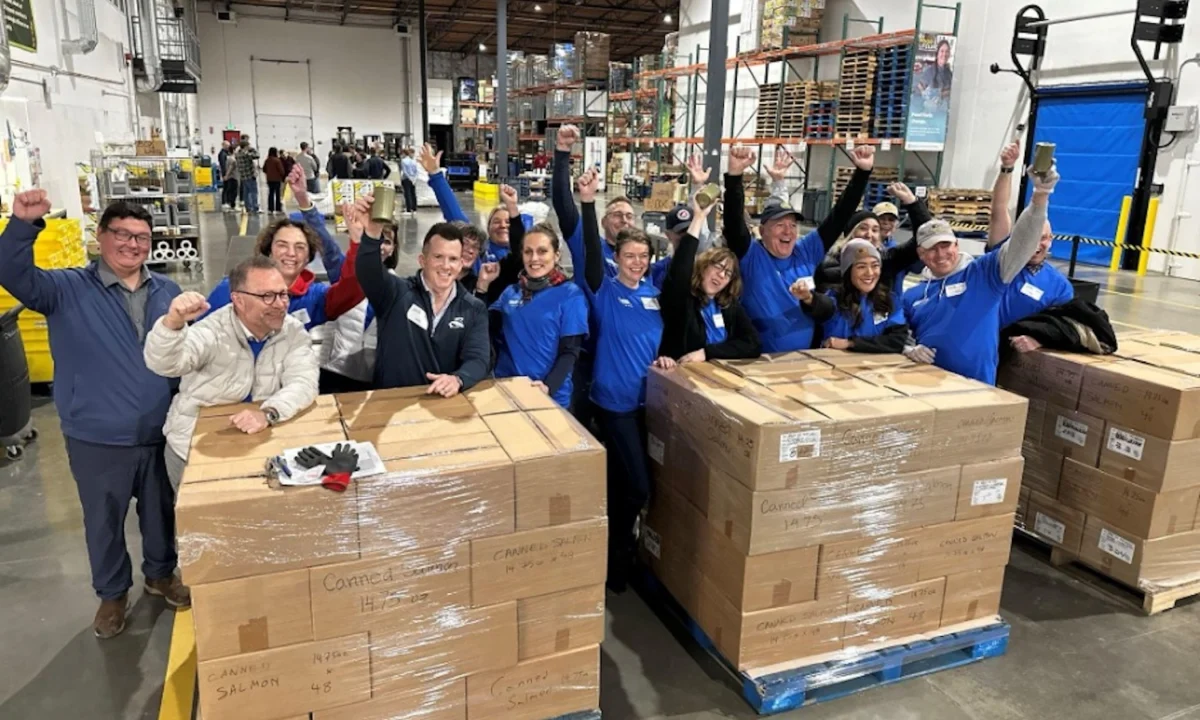
In the landscape of American food insecurity, the struggle is rarely about total calories; it is about the quality of those calories. While food banks across the United States work tirelessly to fill empty cupboards, they frequently face a silent crisis: a critical lack of nutrient-dense, high-quality protein. Enter SeaShare, a unique nonprofit organization that has spent over three decades positioning itself as the only national entity dedicated exclusively to putting fresh, sustainable seafood on the tables of families in need. By transforming the fishing industry’s logistics into a pipeline for social good, SeaShare is effectively bridging the nutritional divide one fillet at a time.
The Nutritional Imperative: Why Seafood Matters
To understand the significance of SeaShare’s mission, one must look at the physiological requirements of the human body. The World Health Organization (WHO) has long touted the health benefits of seafood consumption across all stages of life. From the critical development phases during pregnancy to the neurological maintenance required in old age, fish serves as a potent source of high-quality protein, essential vitamins, and critical micronutrients.
Evidence is compelling: regular seafood intake is clinically linked to improved birth outcomes and a marked reduction in the risk of cardiovascular and neurological diseases in adults. Yet, despite these benefits, the reality inside the average American food pantry is starkly different. A study published in the Journal of Human Nutrition and Dietetics recently highlighted that the nutritional quality of donated food parcels is often inconsistent and frequently falls short of national dietary recommendations. When protein—the most expensive component of a healthy diet—constitutes a mere 2 percent of total food bank donations, the populations that rely on these services are left in a state of chronic nutritional deficiency.
A Historical Evolution: From Bycatch to Mainstream Donation
The story of SeaShare began 31 years ago, born from a spirit of pragmatism and environmental stewardship in the Alaskan pollock industry. At its inception, the organization was focused on a specific challenge: bycatch. In the world of commercial fishing, bycatch refers to fish that are caught unintentionally or cannot be legally sold due to strict market regulations. Rather than allowing these valuable, nutrient-rich resources to go to waste, fishers began donating them to local feeding centers.
Over the last three decades, SeaShare has evolved from a niche reclamation project into a sophisticated logistical powerhouse. While bycatch was the catalyst, it now accounts for only 8 percent of the organization’s total donations. The vast majority of the 270 million seafood servings delivered by SeaShare today consist of "first-run," high-quality, marketable seafood.
This transformation was achieved through a blend of relationship-building and the strategic use of tax incentives. By engaging directly with processors and fishers, SeaShare has turned a waste-management headache into a consistent, philanthropic supply chain. The portfolio of donations is vast, spanning salmon, halibut, Alaska pollock, Pacific white shrimp, rockfish, catfish, and tilapia.
The Logistics of Freshness: Navigating a Perishable Supply Chain
Distributing highly perishable goods is an immense logistical challenge that most food banks are not equipped to handle alone. Seafood requires either rapid canning or strict refrigerated transportation to ensure safety and quality. SeaShare acts as the critical bridge, connecting the supply source—the fishers and processors—with the distribution network of Feeding America.
In the contiguous United States, SeaShare utilizes established shipping lanes to move product from warehouses to distribution points. However, the true test of their logistical ingenuity occurs in Alaska. In the state’s most isolated, island-based communities, standard shipping routes do not exist.
“If we have a 30-pound box of salmon heading to an elder feeding program on an island with 65 residents, that donation is moving well outside of normal shipping lanes,” says Hannah Lindoff, Executive Director of SeaShare. In these instances, the organization relies on a "human network" of partners—seafood plant workers, air freight pilots, and barge captains—who treat these deliveries as a moral imperative rather than a business transaction.
Corporate Partnerships: A Model for Social Impact
SeaShare’s model relies heavily on private-sector cooperation. One such partner, Oddisea SuperFrozen, a U.S.-based importer and distributor, serves as a prime example of how the private sector can integrate social impact into its core business model. In 2025 alone, the company donated approximately 38,000 seafood servings through the SeaShare partnership.
Nicole Candon, Director of Brand & Social Impact at Oddisea, notes that the partnership solves a specific business problem: managing high-quality product that may be unsellable for aesthetic or commercial reasons but remains perfectly safe for consumption. "SeaShare identifies appropriate food bank partners for the business and arranges direct pickups from our warehouse," Candon explains. "Because seafood is so rare in the charitable sector, our product was usually fully distributed within days of pickup."
This speed of distribution is a testament to the pent-up demand for protein in the charitable food system. When healthy food is made available, it does not sit on shelves; it is immediately prioritized by families and individuals who understand its value.
Culturally Responsive Nutrition
A critical, often overlooked aspect of food aid is cultural relevance. Providing food that a community does not know how to prepare—or that does not align with their culinary traditions—leads to food waste and frustration. SeaShare proactively works to match specific products with the communities that will appreciate them most.
Lindoff points to a recent shipment of surimi flake in northern Washington. Instead of sending the product to a generic distribution center, SeaShare coordinated with a local Korean community services center. "We know that this product is going to people who know how to work with it and have a real love for the item," Lindoff notes. This approach respects the dignity of the recipient, ensuring that the food provided is not just "sustenance," but a meal that brings comfort and familiarity.
The Human Impact: Beyond the Statistics
While the numbers—270 million servings, thousands of tons of fish, and a national network of partners—are impressive, they are merely the framework of SeaShare’s work. The true impact is found in the testimonials of those on the front lines.
Lindoff shares that she is frequently moved to tears during conversations with food bank managers who describe the "overwhelming" impact of a seafood delivery. In a system where the default is often shelf-stable, processed goods, the arrival of fresh protein is a transformative event. It signals to the community that they are worthy of the same quality of food as any other consumer.
Implications for the Future of Food Security
The model established by SeaShare provides a roadmap for the broader charitable food industry. As climate change and economic volatility continue to threaten food access, the reliance on highly processed, low-nutrient food must be challenged.
- Scalability: By formalizing the relationship between food production industries (agriculture, fishing, etc.) and the charitable sector, organizations can move beyond the "emergency" model of food banking and toward a "nutritional support" model.
- Policy Reform: Tax incentives have proven effective in encouraging industry participation. Strengthening these incentives at a federal level could unlock vast amounts of currently wasted high-quality protein.
- Logistical Innovation: SeaShare’s success in Alaska proves that even the most remote populations can be served if there is a commitment to creative infrastructure and collaborative partnerships.
As the organization looks toward the future, the goal remains simple but ambitious: to ensure that fresh, nutrient-dense seafood is not a luxury for the wealthy, but a staple for everyone. Through the work of SeaShare, the fishing industry is being transformed from a commercial enterprise into a vital component of the national health and safety net, proving that the most effective way to fight hunger is to prioritize the quality of what we put on the table.


 Iffa Jayyana
