
 Suro Senen
 Nila Kartika Wati
 Asro
Asro
 Layla Zulfa
 Evan Lee Salim
 Siti Muinah
For generations, the prevailing image of American agriculture has been defined by vast, sweeping acreage, monoculture fields, and an industrial-scale reliance on synthetic inputs. However, a quiet revolution is taking root, not just on sprawling farms, but in the compact, often overlooked spaces of our own backyards. Permaculture—a design philosophy rooted in observation, ecology, and sustainability—is shifting the paradigm of how we interact with the land.
At the forefront of this movement is Brandy Hall, a dedicated permaculturalist and the visionary behind Shades of Green Permaculture. Through her work, Hall is proving that whether you are tending a sprawling homestead or a modest urban garden, the principles of regenerative land management are not only applicable but essential for a resilient future.
The Core Philosophy: Moving Beyond Extraction
At its heart, permaculture is far more than a set of gardening tips; it is a systemic approach to land stewardship. Hall argues that we must pivot from an extractive model—where we take from the soil until it is depleted—to a restorative one.

"At its core, permaculture is about relationships," Hall explains. "It’s about understanding how water, soil, plants, animals, and people interact, and then designing systems that support those relationships rather than work against them."
This shift in perspective is critical. When a farmer or homeowner views their plot of land as a living, breathing entity rather than a factory floor, the management decisions change. Instead of fighting pests with chemicals, one might introduce beneficial insect habitats. Instead of forcing crops into a rigid, climate-defying schedule, one learns to work with the natural water cycles and local microclimates.
A Chronology of Change: From Personal Awakening to Professional Advocacy
The urgency behind Hall’s mission is deeply personal. In the introduction to her book, The Complete Guide to Home Permaculture, she details the profound impact that industrial agricultural chemicals had on her own family’s health. This harrowing experience served as a catalyst, propelling her toward a path of regenerative agriculture.

What began as a personal quest for safety and health evolved into Shades of Green, a company dedicated to helping others reclaim their landscapes. Over the years, the company has transitioned from a small-scale landscaping service into a hub for community education. By documenting the success of these regenerative practices, Hall has effectively created a roadmap for others to follow, demonstrating that permaculture is a scalable solution that can start with a single raised bed and expand into a self-sustaining ecosystem.
Supporting Data: The Mechanics of Resilience
The effectiveness of permaculture isn’t just anecdotal; it is grounded in observable ecological responses. When a site is managed through permaculture principles, several key metrics of land health improve:
- Water Retention: By slowing, spreading, and sinking water into the landscape, soil moisture levels increase, significantly reducing the need for irrigation and mitigating the effects of drought.
- Carbon Sequestration: Healthy, undisturbed soil rich in organic matter acts as a carbon sink, helping to offset atmospheric greenhouse gases.
- Biodiversity: The implementation of polycultures—growing multiple species in proximity—creates a complex web of life that discourages pest outbreaks and promotes soil fertility.
- Erosion Control: Continuous soil coverage, whether through living ground covers or mulching, protects the topsoil from wind and water erosion, preserving the most vital layer of the farm.
Hall emphasizes that these are not "all or nothing" changes. "Farmers and homeowners who haven’t made the jump can gradually introduce these regenerative practices one by one and note the difference," she notes.

Official Perspectives: Addressing the Industrial Challenge
One of the most pressing questions in modern agriculture is how small-scale, regenerative practitioners can survive alongside industrial giants. Farmers often find themselves in the shadow of large-scale operations that utilize heavy chemical applications, leading to concerns about drift and contamination.
Hall offers a pragmatic solution: Buffering. By planting dense hedgerows and windbreaks, farmers can create a physical and ecological filter between their land and external industrial pressures. These edges serve as habitats for pollinators and natural predators, while also physically slowing the movement of airborne contaminants.
Furthermore, Hall advocates for "leading by example." When a neighbor observes a plot of land that is thriving without heavy chemical inputs—displaying vibrant crops and healthy soil—it challenges the status quo. These small, successful sites act as proof-of-concept for the broader agricultural community, potentially shifting the cultural conversation around what a "successful" farm looks like.
Practical Implementation: The Overlooked Essentials
During the development of her client projects, Hall frequently notices common pitfalls that hinder progress. The most significant of these is the tendency to prioritize plants over the fundamental drivers of the landscape.
1. Water as the Master Driver
Many gardeners rush to pick their vegetable varieties without first observing the topography of their land. Hall asserts that water is the driver of everything. "People tend to treat water as a nuisance, sending it away, but then using city water and wells during periods of drought," she observes. By mapping the flow of water and creating swales or rain gardens to capture it, a gardener creates a foundation that supports all other life on the site.
2. The Danger of Bare Soil
"Bare soil is incredibly vulnerable," Hall warns. Nature abhors a vacuum, and exposed earth is quickly colonized by opportunistic weeds or eroded by the elements. Protecting the soil surface with mulch or cover crops is, in her view, a non-negotiable practice for building a "sponge layer" in the soil that holds onto moisture and nutrients.
3. Systems Thinking over Individual Units
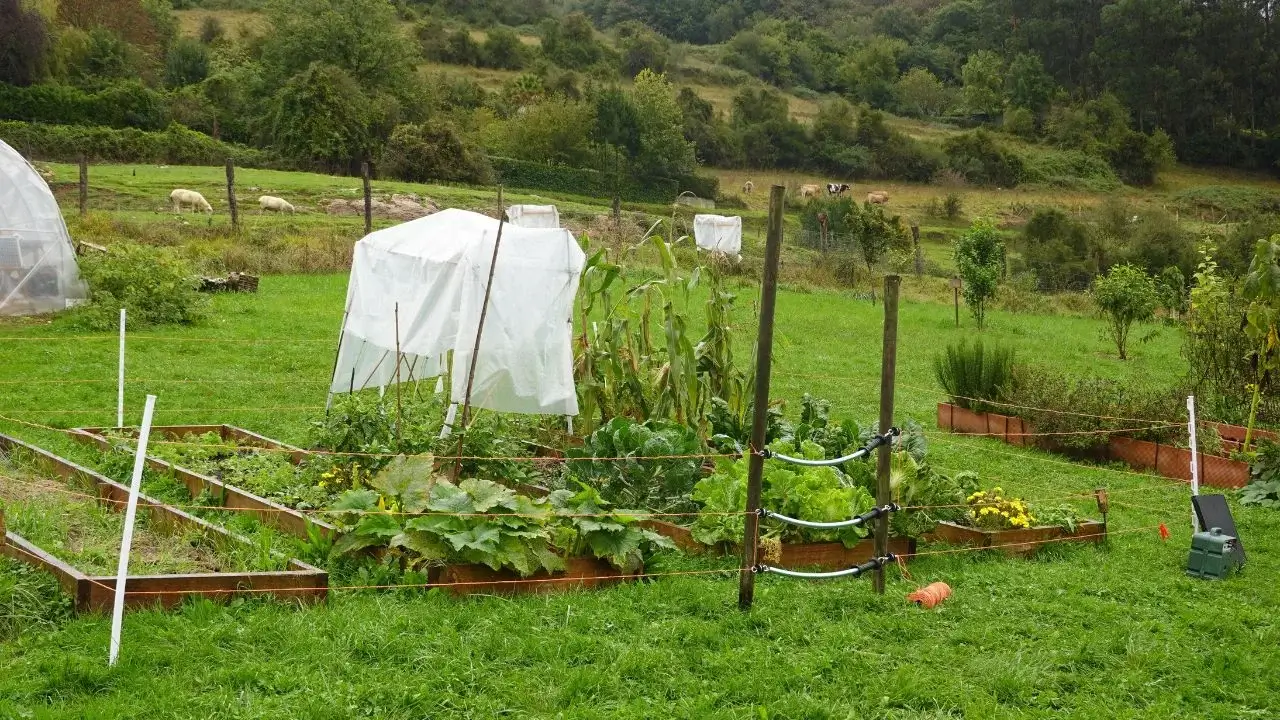
The shift from viewing a plant as an isolated object to viewing it as part of a "guild"—a collection of plants that support one another—is transformative. When a gardener considers how one element supports another, they move away from the need for external fertilizers and pesticides, as the system begins to sustain itself.
Implications for the Future: Teaching the Next Generation
As we face an increasingly unstable climate, the question of what we pass on to the next generation becomes paramount. For Hall, the goal is not to teach a static set of rules, but to instill a mindset of observation and adaptation.
"We’ve inherited a model that often prioritizes short-term yield over long-term health," she explains. "Regenerative work asks us to take a longer view. It asks us to understand that we are part of a living system, not separate from it."
Teaching the youth to "read the land"—to notice the subtle changes in soil texture, the behavior of water, and the health of the local fauna—is the most effective way to ensure the long-term survival of our food systems. By modeling humility and a willingness to learn, today’s practitioners can foster a culture that values the stewardship of the Earth as a core human responsibility.
Conclusion: A Call to Regenerative Action
The journey toward a permaculture-based landscape is not a race to a finish line, but a continuous process of evolution. Whether it is through the implementation of a single hedgerow, the adoption of no-till practices, or the careful observation of water runoff, every action contributes to a more resilient system.
As Brandy Hall demonstrates through her work with Shades of Green, the path forward is not found in more complex industrial technology, but in a deeper, more intimate understanding of the natural patterns that govern our world. By focusing on building life—rather than merely extracting it—we have the opportunity to transform our home landscapes into beacons of health and productivity, ensuring that the next generation inherits not just a piece of land, but a flourishing, self-sustaining ecosystem.


 Nana Muazin
 Muslim