

 Azzam Bilal Chamdy
 Neng Nana
 Nana Muazin
 Dwi Wanna
 Raul Delapena Setiawan
 Rifan Muazin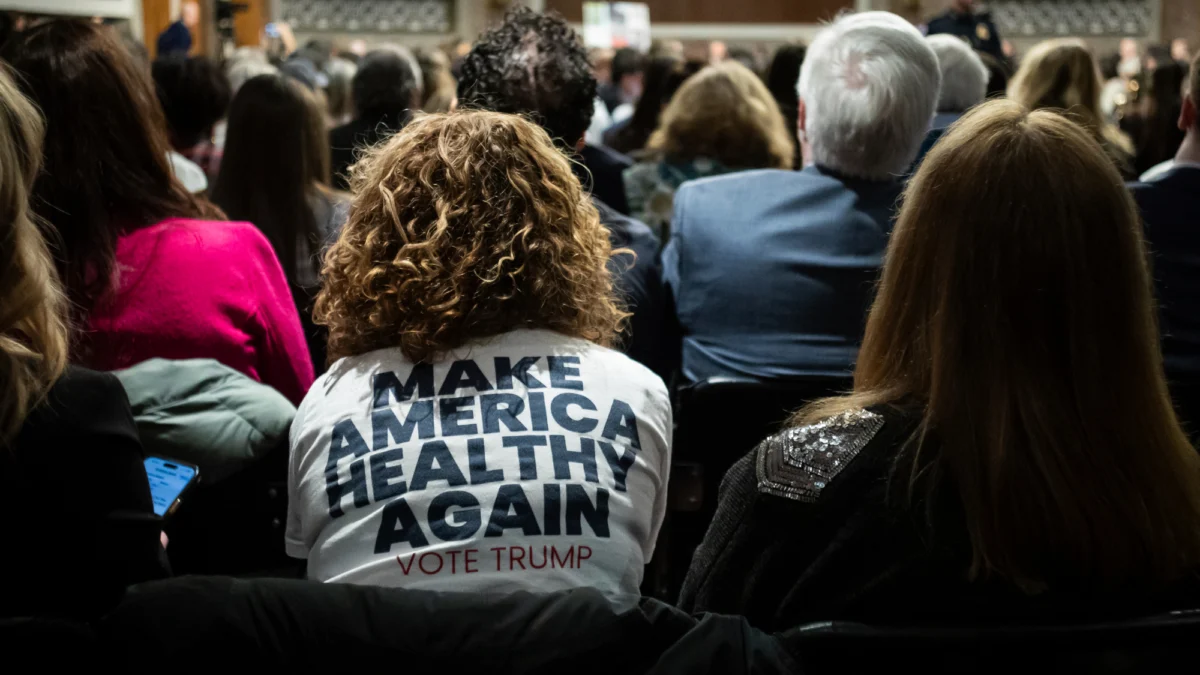
In the rolling heartland of America, where the 2024 election saw a resounding endorsement of the Trump-Vance ticket, a new, complex political reality is taking shape. While the "Make America Healthy Again" (MAHA) movement—spearheaded by Health and Human Services Secretary Robert F. Kennedy Jr.—captured the imagination of the rural electorate during the campaign, the practical application of its policies is meeting a cold, pragmatic reception on the ground.
A landmark poll released this week by the Associated Press and KFF reveals a striking phenomenon: the rural base that propelled the administration to power is increasingly signaling that the government’s flagship health initiatives are failing to move the needle on their actual quality of life. Among the 2,241 rural voters surveyed, a clear majority—roughly 80 percent—admitted that the administration’s healthcare platform has had "no impact or a negative effect" on the health of their local communities.
This paradox—supporting the political figurehead while rejecting the tangible results of his platform—serves as a critical indicator of the growing friction between populist rhetoric and the realities of rural healthcare delivery.
Chronology: From Campaign Trail to Cabinet
To understand the current disillusionment, one must trace the rapid evolution of the MAHA movement.
- Late 2024: During the final stretch of the presidential campaign, Robert F. Kennedy Jr. transitioned from a fringe independent candidate to a central figure in the Trump coalition. His rhetoric regarding "chronic disease epidemics," the dangers of ultra-processed foods, and the necessity of dismantling established vaccine protocols resonated deeply with rural voters who felt alienated by the modern medical establishment.
- January 29, 2025: The Senate confirmation hearing for RFK Jr. served as a flashpoint. Supporters flooded Washington, D.C., signaling a mandate for radical change in the Department of Health and Human Services. The energy was palpable, driven by a desire to "break the cycle" of corporate influence in the food and drug industries.
- Spring–Summer 2025: The administration began implementing its core tenets: shifting dietary guidelines toward a higher intake of red meat and dairy, challenging the FDA’s traditional stance on vaccine safety, and launching public campaigns against "Big Ag."
- September 2026: The release of the AP/KFF poll marks a sobering milestone. As the administration enters the latter half of its term, the data suggests that the "MAHA honeymoon" has ended, replaced by a quiet, mounting skepticism regarding the efficacy of these sweeping federal mandates.
Supporting Data: The Anatomy of a Disconnect
The statistical breakdown provided by the AP/KFF study is as revealing as it is paradoxical. When asked about their political allegiance, approximately 50 percent of the rural cohort identified as supporters of the MAHA platform. Yet, when prompted on the efficacy of those policies, the numbers tell a different story.
The "Supporter’s Remorse" Metric
Perhaps the most startling finding is that 68 percent of respondents who explicitly self-identified as "MAHA supporters" confessed that the policies have not made them or their neighbors healthier. This suggests that the movement functions more as a cultural or ideological banner than a practical policy framework for the constituents it claims to serve.
Policy Breakdown
- Vaccine Policy: While RFK Jr.’s skepticism toward long-standing vaccine protocols was a major draw during the election, rural communities are reporting that the resulting shift in policy has not led to improved public health outcomes, with many noting confusion regarding immunization schedules.
- Dietary Shifts: The promotion of a protein-heavy, red-meat-centric diet—touted as a return to traditional, wholesome eating—is viewed by many as an "out-of-touch" suggestion in regions where access to affordable, fresh produce is already a logistical challenge.
- The Big Ag Conflict: While criticizing industrial food corporations is a popular talking point, rural voters—many of whom are involved in the agricultural supply chain—are wary of the economic instability that broad-brush federal interference might cause.
Official Responses and Political Implications
The White House has remained largely defensive regarding the polling data. Representatives for Secretary Kennedy have framed the feedback as a "teething period" for systemic change. "We are in the process of dismantling decades of institutional capture," a spokesperson for the HHS stated. "It is expected that the benefits of such a monumental shift will take time to manifest in the daily lives of rural citizens."
However, political analysts argue that the implications of this poll go far beyond simple policy delays.
The Erosion of Populist Trust
For decades, rural America has been the backbone of populist movements. By promising a return to "health independence," the administration tapped into a deep-seated grievance against the elite medical class. If those promises remain unfulfilled as the next election cycle approaches, the administration risks a significant erosion of its core constituency.
A Fracture in the Base
The partnership between Mother Jones and the Food & Environment Reporting Network (FERN) has highlighted a growing fracture. The MAHA movement is not a monolith; it is a loose coalition of vaccine skeptics, nutritionists, anti-corporate activists, and traditionalists. As these groups realize that their specific local needs—such as rural hospital funding or basic access to care—are being overshadowed by high-level cultural wars, the movement may begin to splinter.
The Path Forward: Can the Movement Pivot?
The disconnect between the MAHA agenda and rural reality highlights a broader failure of federal governance in the 21st century. When policy is driven by ideological mandates rather than data-driven local needs, the results are almost inevitably a failure of implementation.
The Challenge of Localized Care
If the Trump administration hopes to retain the support of rural voters, it must shift its focus from national-level rhetoric to local-level investment. Policy experts suggest that instead of promoting dietary changes via federal memos, the government should prioritize:
- Rural Infrastructure: Improving access to healthcare facilities in "medical deserts."
- Market Stability: Supporting small-scale farmers in a way that prioritizes health without threatening their economic viability.
- Community-Based Health: Empowering local health departments to make decisions that reflect the unique needs of their regions, rather than enforcing a "one-size-fits-all" national standard.
Looking Toward 2028
As the political landscape shifts, the "MAHA Paradox" will likely become a case study for future campaigns. It is a cautionary tale about the limitations of populist branding. Voters are increasingly sophisticated; they are capable of separating a politician’s platform from their personal life outcomes.
The rural voter, who once looked to Washington for a revolution in health, is now looking at their own empty clinic waiting rooms and the rising cost of living, wondering when the "Healthy Again" promise will finally touch the soil of their own communities. Whether Secretary Kennedy can bridge this gap—or whether the movement remains a performative exercise in ideological purity—will be a defining question of the next two years.
For now, the silence from rural America is loud. It is the sound of a constituency waiting for results that, thus far, have remained firmly in the realm of theory rather than practice. As the Mother Jones and FERN investigations continue, the focus will remain on whether the administration can pivot from the politics of grievance to the hard, unglamorous work of governing—or if the MAHA movement will eventually collapse under the weight of its own unmet expectations.


 Iffa Jayyana
