Ali Ikhwan

 Iffa Jayyana

 Muslim

 Nana

 Dwi Wanna
 Jia Lissa
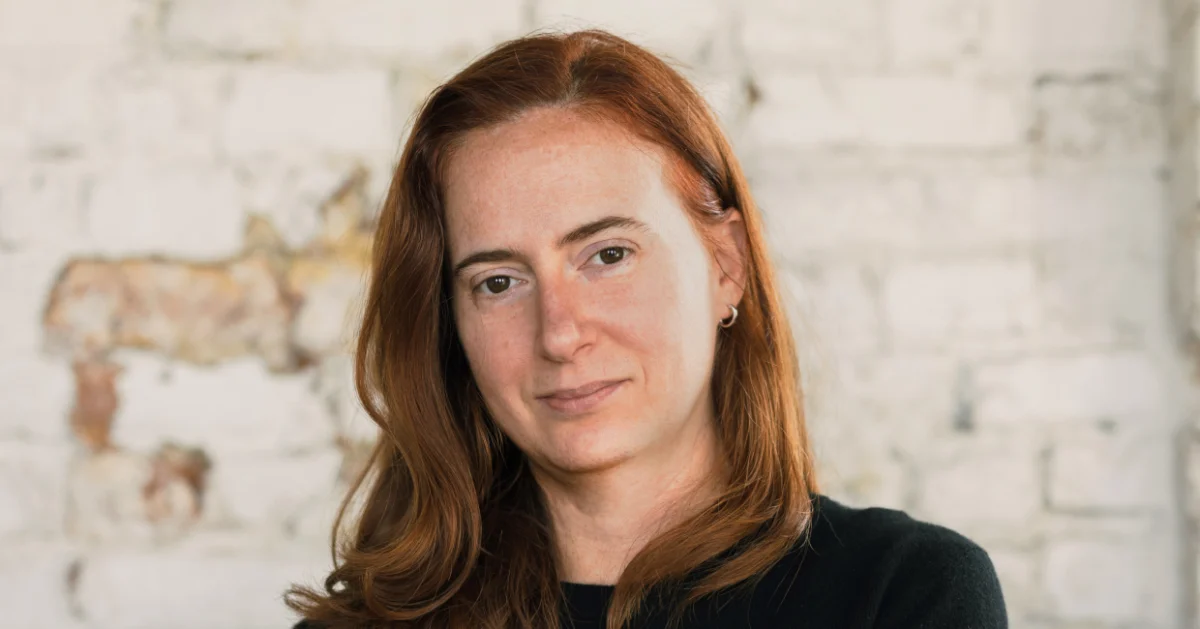
In an industry where the marriage of aesthetics and technical precision often dictates the success of a luxury destination, the Chicago- and Mérida-based hospitality design collective Curioso has made a definitive statement about its future. The firm, widely recognized for its evocative work on high-profile projects such as the Atelier Playa Mujeres and The Fidelity Hotel in Cleveland, has officially unveiled its new, all-female-led directors team.
This transition marks a pivotal chapter for the studio, signaling a shift toward a more collaborative, human-centric model of leadership. By elevating a cohort of veteran designers and strategists to director-level positions, Curioso is not merely filling vacancies; it is formalizing an internal philosophy that prizes emotional resonance, technical rigor, and narrative-driven design.
The New Vanguard: A Breakdown of Leadership Roles
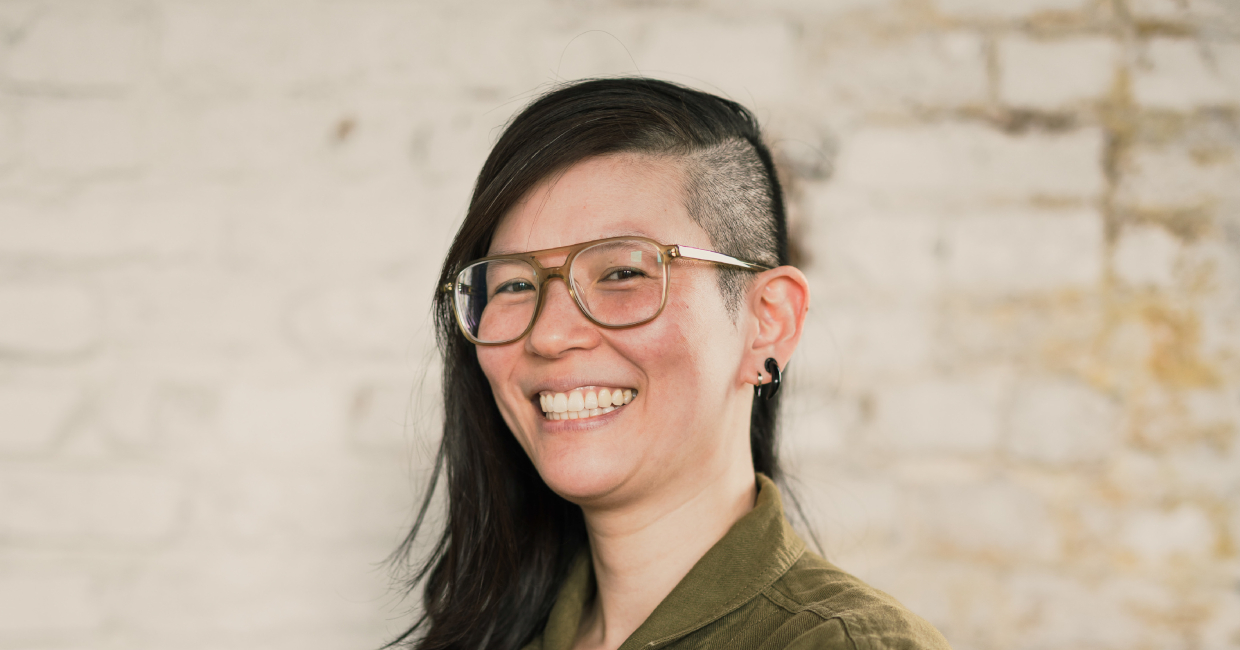
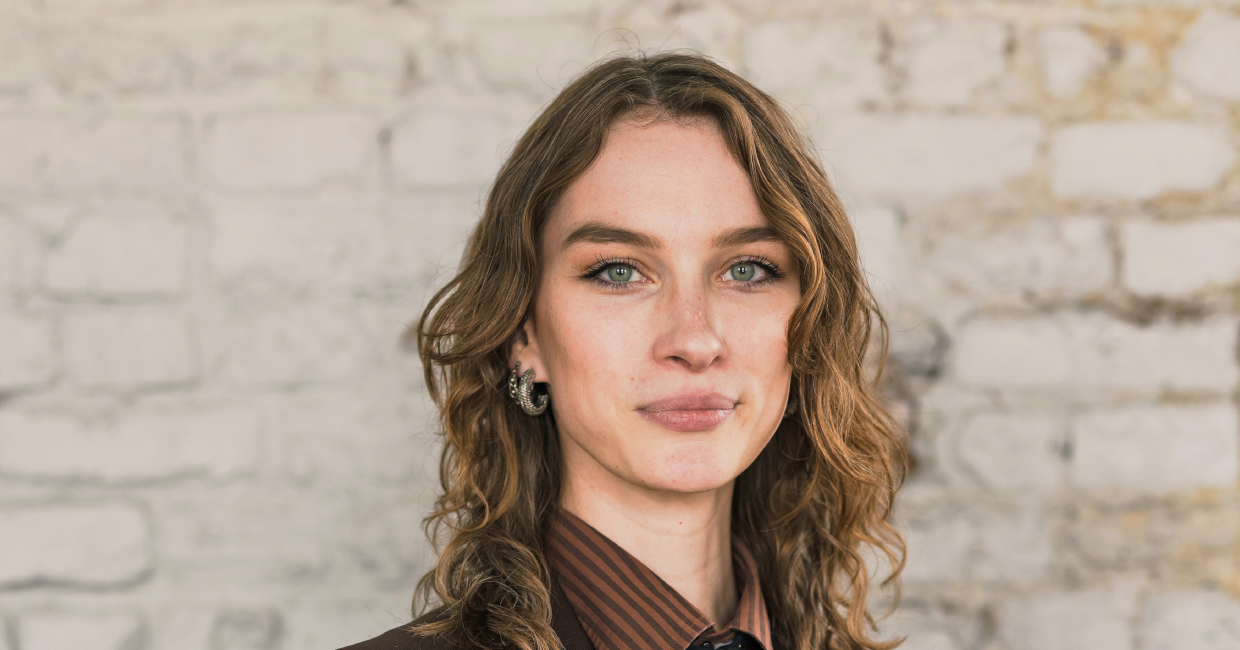
The studio’s leadership restructure introduces a cross-continental synergy between its offices in Chicago and Mérida, Mexico. The newly appointed directors include Caitlin Daly (Design Director), Isabel Barbosa (Technical Director), Elaine Schmid and Mariana Estrada (Studio Orchestrators), and Katrina Hoernig (Brand Director).
Caitlin Daly, Design Director
Caitlin Daly steps into the role of Design Director with a mandate to bridge the divide between artistic abstraction and functional pragmatism. Her approach to the design process is defined by what the studio calls "the quiet poetry of material and light." For Daly, design is not a visual exercise but an emotive one; she operates under the firm belief that a space is not truly successful until it is felt by the guest.
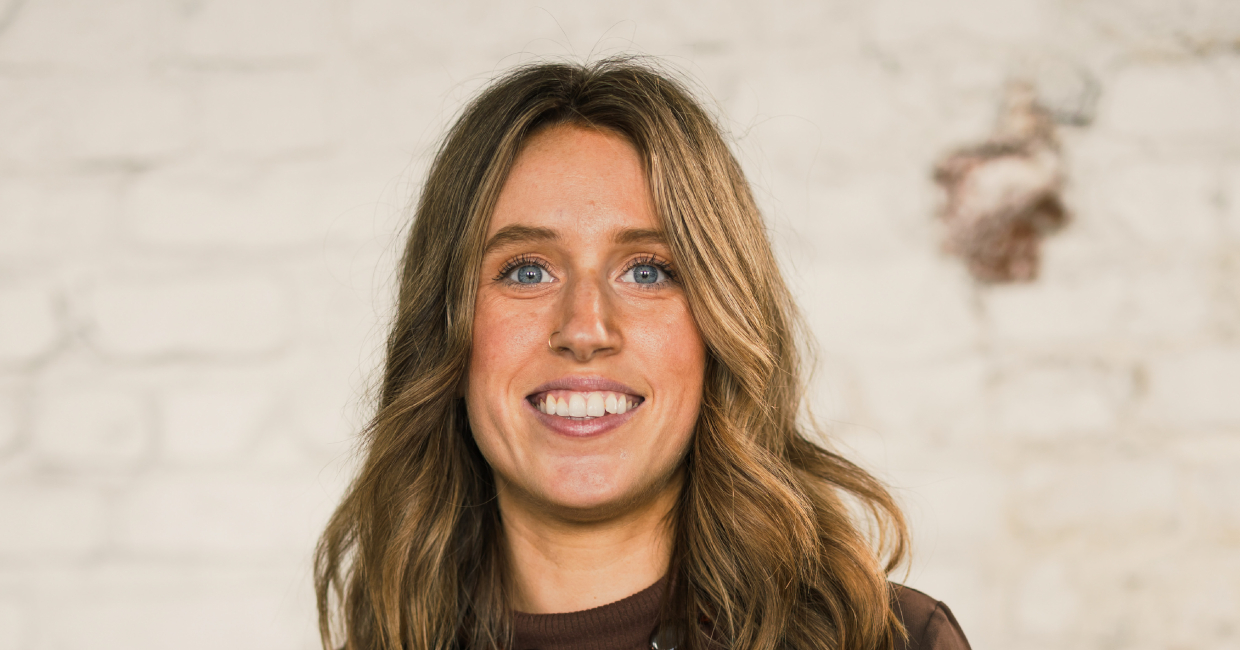
Her leadership style is rooted in inclusivity. By fostering an environment where team members feel empowered to challenge conventions, she aims to push the boundaries of luxury hospitality. Her strategy is one of intentionality—guiding a project from its initial conceptual spark to its final, tactile realization without allowing the original emotional intent to be diluted by the complexities of execution.
Isabel Barbosa, Technical Director
If Daly provides the poetic vision, Isabel Barbosa provides the structural backbone. With over 12 years of experience in the luxury hospitality sector, Barbosa has been tapped as Technical Director. Her mandate is to dismantle the wall between "creative design" and "technical development."
Barbosa brings a rigorous, systems-oriented mindset to the studio. She oversees the evolution of documentation standards and project delivery frameworks, ensuring that Curioso’s designs are as buildable as they are beautiful. By embedding herself in the creative process from the earliest stages, she minimizes the friction between design intent and the physical built environment, ultimately creating a more seamless path for the firm’s partners and clients.
Elaine Schmid & Mariana Estrada, Studio Orchestrators
Perhaps the most innovative aspect of the leadership shuffle is the dual appointment of Elaine Schmid and Mariana Estrada as Studio Orchestrators. This role is a strategic evolution of traditional studio management, requiring a deep understanding of design culture coupled with operational expertise.
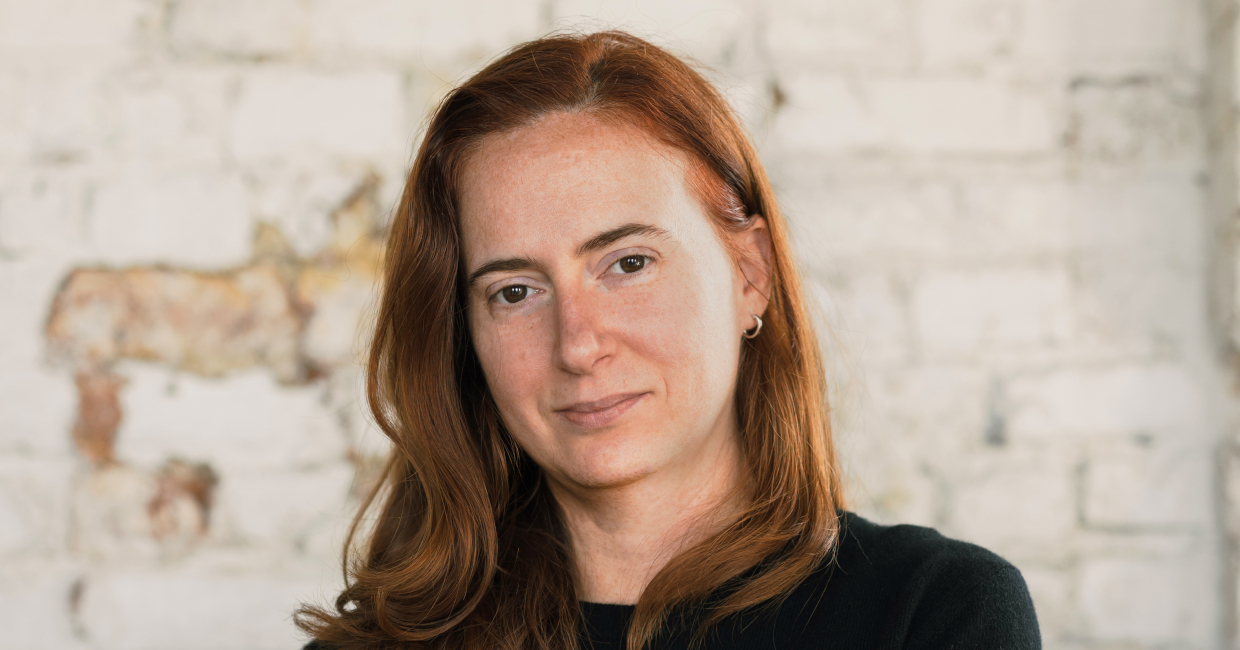
Schmid, based in Chicago, draws on 15 years of design experience and a unique upbringing as the daughter of bilingual restaurateurs to navigate the complex human dynamics of the studio. Her focus is on "listening first," using real-time feedback loops to refine how the studio operates.
Estrada, overseeing the Mérida studio, brings a robust background in architecture and interior design, including nearly a decade of high-end experience with the AMAN brand via Denniston. By working in tandem across the Chicago and Mérida offices, Schmid and Estrada are tasked with creating a cohesive, high-functioning operational environment that maintains the firm’s signature positive energy while streamlining inter-disciplinary collaboration.
Katrina Hoernig, Brand Director
Rounding out the leadership team is Katrina Hoernig, the firm’s Brand Director. Having risen through the ranks starting as an intern, Hoernig embodies the institutional knowledge and growth mindset of Curioso. Her approach to brand storytelling is "heart-first," emphasizing the local context, culture, and human history of a site. She ensures that the narrative of a hotel or resort is not just a marketing add-on, but a foundational element of the guest experience.
Chronology of Evolution: From Boutique to Powerhouse
The rise of this leadership team is the result of years of steady growth and portfolio expansion. Curioso has long established itself as a firm that prioritizes "the soul of a space" over mere trends.
- Foundational Years: Establishing a dual-city footprint between the industrial landscape of Chicago and the culturally rich, historic environment of Mérida, Mexico.
- Portfolio Milestone: The delivery of the Atelier Playa Mujeres, which served as a proving ground for the firm’s ability to handle large-scale, luxury hospitality projects.
- Market Recognition: High-profile success with projects like The Harbor Grand Hotel and the revitalization of The Fidelity Hotel in Cleveland, which demonstrated the firm’s versatility in urban environments.
- Present Day: The formalization of the female-led executive team, positioning the firm for its next decade of global growth.
Supporting Data: The Impact of Human-Centric Design
The hospitality industry is currently undergoing a transformation. Following the post-pandemic recovery, travelers are increasingly seeking "authentic" and "soulful" experiences rather than generic luxury. Curioso’s shift in leadership appears to be a direct response to these market shifts.
According to industry reports, hospitality projects that prioritize "storytelling" and "emotional connection"—two pillars of the new leadership team’s stated goals—consistently report higher guest satisfaction and longer dwell times. By integrating technical and creative directors more closely (as Barbosa and Daly are doing), Curioso is also addressing the rising costs of construction; early technical intervention is known to reduce change orders and delays, which currently plague the hospitality construction sector.
Official Perspectives: The Philosophy of "Poetry and Pragmatism"
In internal discussions regarding the new structure, the directors have emphasized that the change is not about titles, but about "bridging poetry and pragmatism."
"The most thoughtful work emerges when people feel empowered to contribute, challenge, and create together," notes Caitlin Daly. This sentiment is echoed across the leadership, with the team collectively emphasizing that the process is just as important as the outcome. By elevating individuals who have grown within the studio—such as Hoernig—the firm maintains its cultural continuity while introducing the fresh, technical rigors brought by seasoned veterans like Barbosa.
Implications for the Future of Hospitality Design
What does this shift mean for the future of Curioso and the broader design landscape?
- Cross-Border Integration: By having the leadership team split between the U.S. and Mexico, Curioso is uniquely positioned to handle projects that require a sophisticated blend of American project management standards and Latin American aesthetic sensibilities.
- Operational Resilience: The dual "Studio Orchestrator" model suggests that the firm is prioritizing employee retention and studio culture. In a high-burnout industry like hospitality design, creating a role specifically dedicated to "orchestrating" the team’s wellbeing and workflows is a forward-thinking move.
- The "Female-Led" Narrative: While gender parity is becoming a more common goal in architecture and design, Curioso’s move is notable for its specific focus on cross-disciplinary leadership. By putting design, technical, and brand experts on equal footing, the firm is signaling that it no longer views these as separate departments, but as a singular, cohesive creative engine.
As Curioso moves forward with this new leadership structure, the industry will be watching closely to see how the firm continues to influence the high-end hotel market. If their past projects are any indication, the future of the firm will continue to be defined by spaces that are, as they say, not just seen, but felt.

 Laily UPN