

 Dwi Wanna
 Nana Wu
 Muslim
 Reynand Wu
 Ammar Sabilarrohman
 Basiran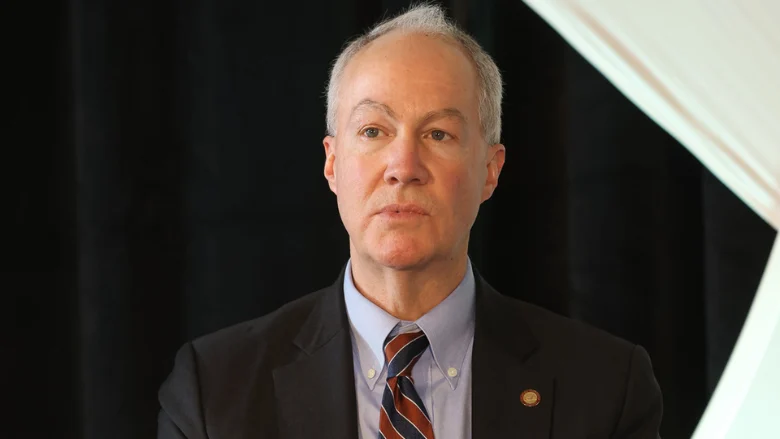
By Bailee Henderson, Digital Editor
The U.S. Food and Drug Administration (FDA) is undergoing a significant leadership transformation, signaling a new chapter for the agency’s Human Foods Program (HFP). In a move that underscores a commitment to institutional continuity and deep technical expertise, the agency has appointed Donald Prater, D.V.M., as the new Deputy Commissioner for Human Foods. Dr. Prater, a veteran of the FDA with over two decades of dedicated service, steps into the role during a period of heightened regulatory scrutiny and organizational evolution.
The appointment follows a rapid succession of leadership changes at the highest echelons of the federal health apparatus, triggered by the departure of former FDA Commissioner Dr. Marty Makary. As the agency pivots toward its new strategic objectives, the elevation of Dr. Prater represents a focus on stabilizing the HFP—a division that has seen massive structural overhauls in recent years.
The Path to Appointment: A Chronology of Leadership Shifts
The transition of power within the FDA occurred in quick succession over the past week, creating a domino effect that reached the very top of the agency’s hierarchy.
- Early Week: The sequence began when Dr. Marty Makary, who had been serving as the FDA Commissioner, stepped down from his post. His departure paved the way for an internal promotion strategy designed to maintain momentum in ongoing food safety initiatives.
- The Elevation: Kyle Diamantas, J.D., previously the Deputy Commissioner for Human Foods, was tapped to fill the vacancy left by Dr. Makary, assuming the role of FDA Commissioner. Mr. Diamantas, having been instrumental in the recent modernization of the HFP, is viewed as a leader committed to the agency’s current regulatory trajectory.
- The Appointment: With Mr. Diamantas’s move to the Commissioner’s office, the position of Deputy Commissioner for Human Foods became the agency’s most critical vacancy. Dr. Donald Prater, who previously served as the Principal Deputy Associate Commissioner for Food in the HFP, was selected to lead the program.
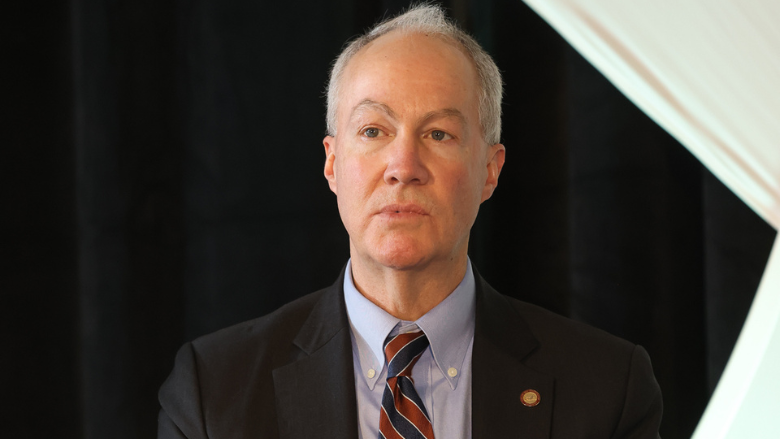
- Public Debut: Just days after his appointment, Dr. Prater addressed industry stakeholders at the 2026 Food Safety Summit in a Town Hall setting. His appearance, alongside leaders from the USDA-FSIS, the CDC, and the Association of Food and Drug Officials (AFDO), served as a formal introduction to his new capacity as the head of the nation’s food safety regulatory arm.
Supporting Data: The Prater Legacy and Institutional Knowledge
Dr. Donald Prater’s rise to the Deputy Commissioner role is not merely a bureaucratic shift; it is a recognition of his extensive history within the agency. Having spent over 20 years at the FDA, Dr. Prater has been a central figure in the agency’s most challenging public health responses.
A Career Defined by Science
Dr. Prater’s background as a Doctor of Veterinary Medicine provides a unique lens through which he views the food supply chain. His tenure has spanned various departments, allowing him to navigate the complexities of both animal health and human food safety—a dual focus that is increasingly relevant as the FDA emphasizes a "One Health" approach to foodborne illness prevention.
The Human Foods Program (HFP) Context
The HFP, which Dr. Prater now leads, is the cornerstone of the FDA’s effort to modernize food oversight. Since its formal restructuring, the HFP has focused on:
- Predictive Analytics: Utilizing AI and data modeling to identify food safety risks before they manifest in outbreaks.
- Supply Chain Transparency: Enhancing traceability standards as mandated by the Food Safety Modernization Act (FSMA).
- Inter-Agency Collaboration: Strengthening the working relationship between the FDA, USDA, and state-level regulatory bodies to ensure a unified response to contamination events.
Official Responses and Industry Reception
The response to the leadership shuffle from the food safety community has been one of cautious optimism. Industry experts and regulatory advocates alike view Dr. Prater’s appointment as a signal of stability.
The Town Hall Perspective
During the 2026 Food Safety Summit, the atmosphere was one of collaborative inquiry. Dr. Prater’s participation in the Town Hall alongside representatives from the CDC and USDA-FSIS underscored the necessity of a "united front" in food safety.
"The challenges we face—whether it is emerging pathogens or the complexities of global supply chains—do not respect agency boundaries," Dr. Prater remarked during the panel. His emphasis on regulatory transparency and the need for proactive, rather than reactive, policy-making resonated with attendees. The summary of these discussions indicates that the agency is prioritizing the integration of federal and state food safety resources, a goal that Dr. Prater has championed throughout his career.
Professional Endorsements
Colleagues within the agency have described Dr. Prater as a "pragmatic scientist" who balances the rigorous requirements of law with the realities of modern food production. For stakeholders in the food industry, his appointment is seen as a sign that the FDA intends to continue the modernization efforts started by his predecessor, Kyle Diamantas.
Implications for the Future of Food Safety
As Dr. Prater settles into his role as Deputy Commissioner, the food industry, consumer advocacy groups, and public health officials are looking for clarity on several key issues. The implications of this leadership change are likely to manifest in the following areas:
1. Regulatory Continuity
The primary implication of appointing an internal veteran like Dr. Prater is the assurance of continuity. Businesses operating under FDA oversight can expect the ongoing implementation of FSMA rules and the current inspectional priorities to remain unchanged. The "Human Foods Program" restructuring, which was designed to remove silos within the agency, will continue under a leader who helped design the framework.
2. Technological Integration
Dr. Prater has long advocated for the integration of smart technology in food safety. This includes the expansion of digital tracing tools and the use of artificial intelligence to synthesize data from inspections and environmental monitoring. His leadership is expected to accelerate the FDA’s "New Era of Smarter Food Safety."
3. Strengthening Inter-Agency Ties
A critical takeaway from the 2026 Food Safety Summit was the emphasis on the USDA-FDA partnership. Dr. Prater’s experience working with federal partners suggests that he will focus on minimizing regulatory friction for companies that operate under the jurisdiction of multiple agencies, particularly in the processing and packaging sectors.
4. Addressing Emerging Threats
The food safety landscape is constantly shifting, with climate change, global trade disruptions, and novel pathogens presenting ongoing risks. Dr. Prater’s clinical background makes him well-suited to manage the intersection of animal health and food safety, particularly regarding zoonotic diseases that may cross into the human food supply.
Conclusion: A New Era of Leadership
The transition to Dr. Donald Prater’s leadership marks a period of consolidation for the FDA’s Human Foods Program. While the departure of a Commissioner and the rapid restructuring of leadership can often lead to uncertainty, the appointment of a long-term agency veteran serves to reassure both the public and the industry.
Dr. Prater inherits a program that is more technologically advanced and structurally unified than at any point in the agency’s history. With his background in veterinary science, his deep institutional knowledge, and his proven ability to collaborate with federal partners, he is well-positioned to guide the HFP through the next several years.
As the agency continues to face the dual pressure of protecting public health and fostering a competitive food industry, all eyes will be on how Dr. Prater navigates the complexities of the regulatory landscape. Whether through the implementation of new data-driven safety protocols or the strengthening of inter-agency partnerships, his tenure is set to be defined by a commitment to the fundamental mission of the FDA: ensuring that the American food supply remains one of the safest in the world.
For the food industry, the message is clear: the path forward involves rigorous science, increased digital transparency, and a steadfast commitment to the safety standards that underpin consumer trust. Under Dr. Prater’s guidance, the FDA appears ready to meet these challenges with a clear, steady, and experienced hand.
For more information on the evolving regulatory landscape, industry professionals are encouraged to utilize resources such as the "Ask FSM" AI search tool to stay updated on the latest FDA guidance and compliance requirements.