
 Dwi Wanna
 Nana Wu
 Muslim
 Reynand Wu
 Ammar Sabilarrohman
 Lina Hope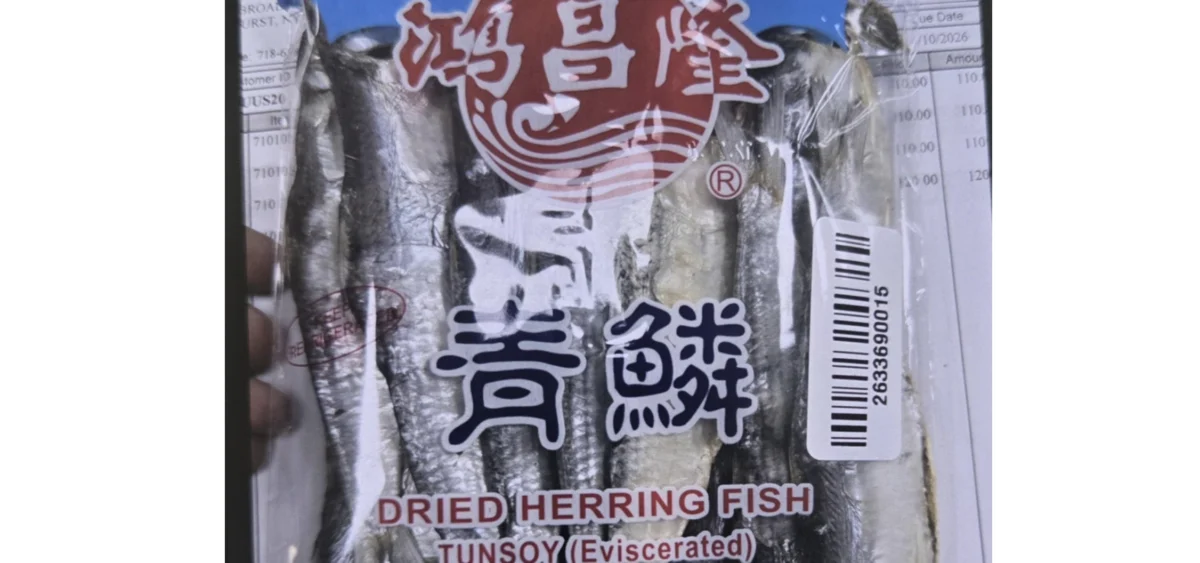
By News Desk | June 5, 2026
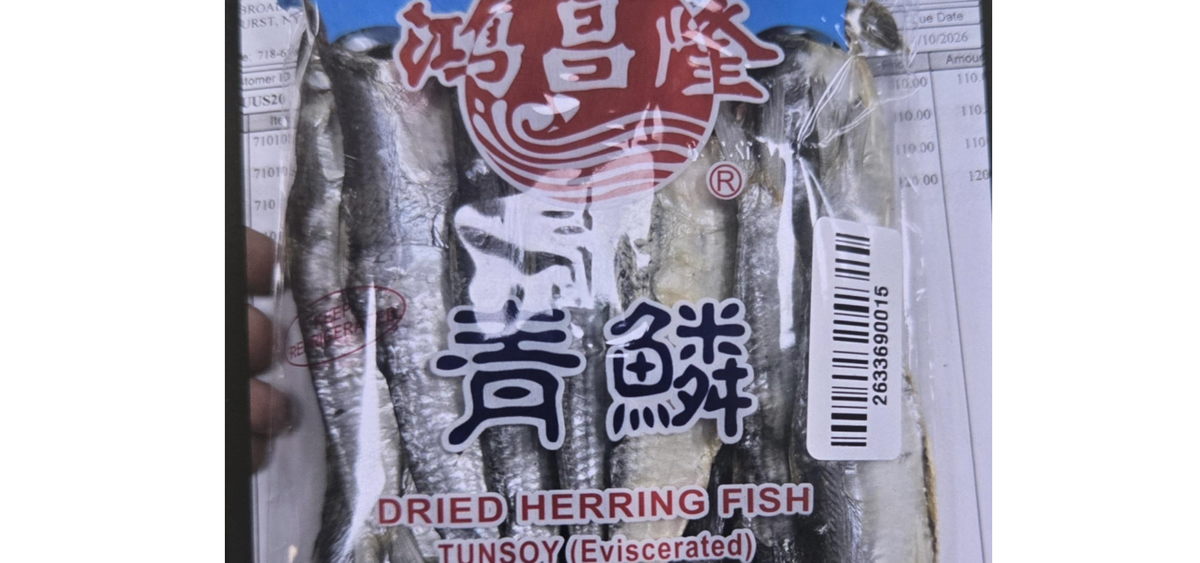
In a significant move to protect public health, Prime Food Processing LLC has initiated a formal recall of 69 cases of "Dried Herring Fish" due to severe safety concerns. The product has been flagged for failing to meet critical processing standards, specifically regarding the evisceration of the fish, which creates an environment conducive to the development of Clostridium botulinum—the bacterium responsible for the life-threatening illness known as botulism.
The Core of the Crisis: Uneviscerated Fish
The primary issue triggering this recall is the improper handling of the herring during the manufacturing process. Under New York State Agriculture and Markets regulations, the sale of uneviscerated fish is strictly prohibited. The reasoning behind this regulatory mandate is rooted in microbiology: Clostridium botulinum spores, which are naturally occurring in the environment, tend to concentrate in the internal organs (viscera) of fish.
When fish are not properly gutted, these spores remain trapped within the body cavity. If the fish is subsequently processed, dried, or stored in conditions that lack oxygen—such as airtight packaging—these spores can germinate and produce a potent neurotoxin. This toxin, even in microscopic amounts, can lead to severe foodborne botulism, a rare but potentially fatal condition.
Chronology of the Discovery
The danger was brought to light through the vigilant oversight of state regulatory authorities. The discovery followed a routine sampling program conducted by the New York Department of Agriculture and Markets.
- Initial Sampling: During a scheduled inspection and testing cycle, state officials collected samples of the "Dried Herring Fish" product for laboratory analysis.
- Regulatory Confirmation: Subsequent testing confirmed that the fish had not been adequately eviscerated, violating state safety protocols.
- Traceback Investigation: A secondary investigation determined that the contaminated goods originated from an imported shipment sourced from Vietnam.
- Recall Initiation: Upon notification of the findings, Prime Food Processing LLC acted to remove the affected inventory from the supply chain to prevent consumer exposure.
As of the date of this report, no illnesses or adverse health reactions have been formally linked to the consumption of this specific batch of herring. However, the recall remains in full effect as a precautionary measure to prevent potential future cases.
Understanding the Botulism Threat
Botulism is not merely a common case of food poisoning; it is a serious medical emergency. Unlike pathogens such as Salmonella or E. coli, which primarily cause gastrointestinal distress, the toxin produced by Clostridium botulinum attacks the body’s nervous system.
Mechanism of Action
The botulinum toxin works by blocking nerve function, preventing the release of acetylcholine, a neurotransmitter required for muscles to contract. This leads to progressive muscle paralysis. If the paralysis reaches the muscles responsible for breathing and swallowing, the condition can be fatal without immediate medical intervention.
Clinical Symptoms
The onset of symptoms can be deceptive. While most individuals report the first signs of illness between 18 and 36 hours after ingestion, the window of onset is wide—ranging from as early as 6 hours to as late as 10 days post-consumption. Early warning signs that consumers should look for include:
- Double or blurred vision
- Drooping eyelids (ptosis)
- Slurred speech
- Difficulty swallowing or a sensation of a "thick-feeling" tongue
- Dry mouth
- Generalized muscle weakness
As the toxin progresses through the body, these symptoms often evolve into a descending paralysis, starting from the head and moving downward to the arms, the torso, and finally the lower limbs. Because the condition can lead to respiratory failure, medical professionals emphasize that anyone who has consumed the recalled product and experiences these symptoms must seek emergency care immediately, clearly stating to medical staff that they suspect exposure to potential botulinum toxins.
Regulatory Implications and Industry Standards
The recall of Prime Food Processing’s dried herring highlights the ongoing challenges inherent in the global seafood supply chain. Importing processed fish products requires strict adherence to both domestic and international food safety standards.
New York’s stringent stance on the evisceration of fish—particularly for dried, smoked, or fermented products—is a direct response to historical cases where improperly processed aquatic products served as vehicles for botulism. When imports are introduced to the domestic market, they must undergo rigorous compliance checks to ensure that processing methods used abroad meet the equivalent safety standards of the United States.
The fact that this issue was caught during a routine, state-led test underscores the importance of continued funding for state and federal food safety programs. Without such testing infrastructure, contaminated products could easily reach retail shelves, putting consumers at significant risk.
Consumer Guidance: What Should You Do?
If you have purchased "Dried Herring Fish" from this supplier, the most important step is to refrain from consuming it. Even if the product looks, smells, and tastes normal, it may still contain the toxin. Botulinum toxin is tasteless, odorless, and invisible to the naked eye.

- Check Your Pantry: Verify the packaging of any dried fish products currently in your home.
- Do Not Taste: Do not attempt to test the product. Even a small taste can result in poisoning.
- Disposal or Return: Consumers are advised to return the product to the place of purchase for a full refund or to dispose of it in a secure manner that prevents other people or animals from accessing it.
- Monitor Health: If you have already consumed the product, remain vigilant. Monitor yourself and your family members for the symptoms listed above over the next 10 days.
The Broader Food Safety Landscape
This incident serves as a stark reminder of the complexities involved in modern food logistics. As food products move from international processors to local distributors and eventually to local markets, multiple "touchpoints" exist where safety protocols can fail.
Organizations like Food Safety News play a critical role in bridging the gap between regulatory discovery and public awareness. By tracking these recalls, we ensure that the public is informed about potential hazards in their food supply, even when mainstream media might overlook smaller, regional recalls.
However, the efficacy of these alerts depends on public support. Food Safety News is a nonprofit organization funded by readers who value transparent, fact-based reporting on public health issues. As we continue to monitor the aftermath of this recall and other food safety developments, we rely on the contributions of our community to maintain the independence and rigor of our reporting.
Conclusion
While the recall of 69 cases of dried herring is a small-scale operation in the context of the massive global food market, it is a vital action for the protection of human life. Botulism is a rare but devastating illness, and the regulatory response here highlights a system working as intended to prevent a public health disaster.
Consumers are urged to stay informed about food safety alerts and to prioritize their health by adhering to official recall instructions. For further updates regarding this investigation or to review other ongoing recalls, readers are encouraged to visit the official website of the New York Department of Agriculture and Markets or the FDA’s centralized recall database.
If you are interested in supporting our mission to provide essential public health reporting, please consider making a tax-deductible donation. Your support ensures that we can continue to investigate and report on the critical issues that affect what we eat every day.