 Pevita Pearce

 Lina Hope

 Evan Lee Salim
 Lina Irawan

Introduction: A Legal Victory for the Warehouse Giant
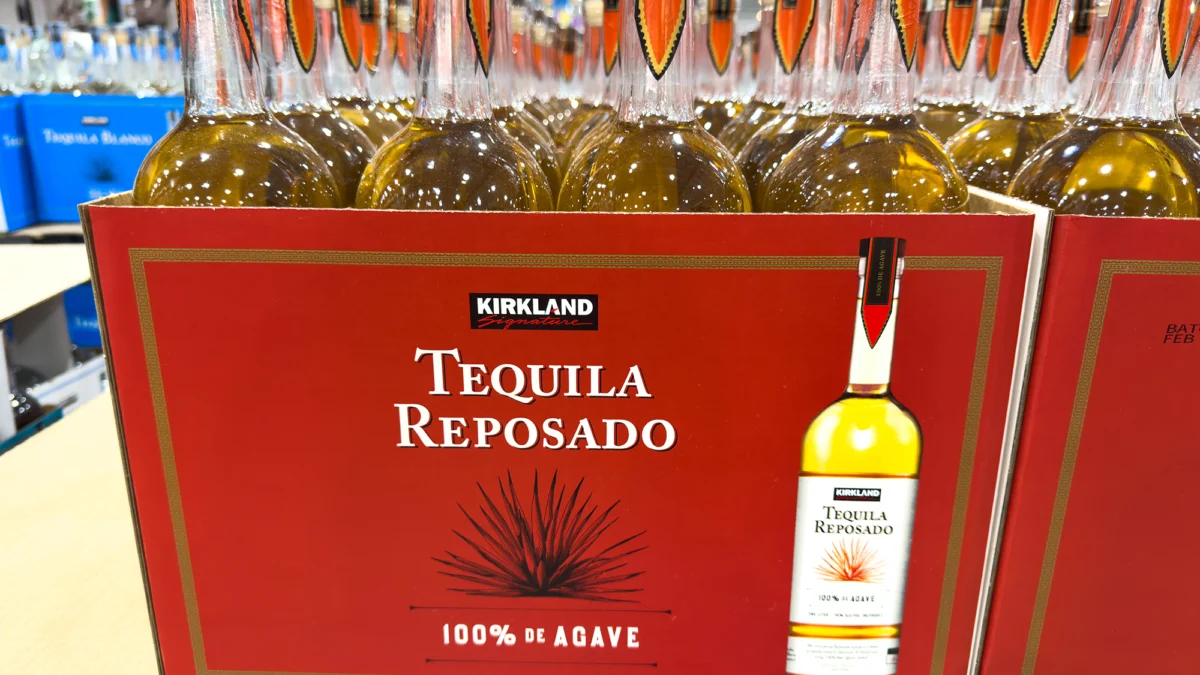
In a significant development for the spirits industry, a federal judge in the U.S. District Court for the Western District of Washington at Seattle issued a ruling on Friday dismissing a high-profile class action lawsuit against Costco Wholesale Corporation. The litigation, initiated by the consumer rights firm Hagens Berman in November 2023, centered on allegations that Costco’s popular private-label Kirkland Signature tequila line was falsely marketed as “100% de agave.”
The dismissal marks a pivotal moment in an ongoing legal trend targeting premium tequila producers over their ingredient transparency. While plaintiffs argued that sophisticated scientific testing proved the presence of non-agave additives, the court’s decision underscores the high evidentiary threshold required to challenge the established certification processes of the tequila industry.
Chronology of the Dispute
The Filing (November 2023)
The legal battle began when Hagens Berman filed a class action suit on behalf of 14 plaintiffs, alleging that Costco had engaged in deceptive trade practices. The suit claimed that the warehouse giant knowingly sold adulterated products under the "Kirkland Signature" brand, specifically naming the Blanco, Reposado, Añejo, Añejo Cristalino, and Extra Añejo expressions.
The Core Allegation
The plaintiffs contended that Costco—which maintains a massive footprint in the U.S. spirits market—misled consumers by labeling products as "100% de agave" or "100% agave azul." The core of the complaint rested on the assertion that these spirits contained a "significant presence of non-agave sugars," which would violate both consumer protection laws and, potentially, the rigorous standards required for tequila production.
The Judicial Process
Throughout the litigation, Costco vigorously defended the integrity of its supply chain. By pointing to conflicting scientific data and relying on legal precedents that have previously favored producers in similar disputes, Costco successfully argued that the plaintiffs’ evidence was insufficient to sustain the claims. On Friday, the federal judge agreed, granting the dismissal and providing a reprieve for the retailer.
Supporting Data: The Science Behind the Suit
The Role of SNIF-NMR
At the heart of the plaintiffs’ case was the use of Site-Specific Natural Isotope Fractionation-Nuclear Magnetic Resonance (SNIF-NMR). This analytical technique is widely respected in food science for its ability to verify the authenticity of fermented products by examining the isotopic distribution of carbon and hydrogen atoms.
The plaintiffs presented SNIF-NMR results as definitive proof that the Kirkland Signature tequila was "adulterated." They argued that the presence of non-agave sugars suggested the tequila was not the pure product promised on the label. By extension, the lawsuit claimed that consumers paid a premium price—ranging from $18.69 to $48.99—based on a false premise. If the product had been accurately labeled as a "mixto" (tequila containing up to 49% non-agave sugars), the plaintiffs argued, its market value would have been significantly lower.
Costco’s Rebuttal
Costco’s defense team challenged the findings by highlighting two primary factors:
- Conflicting Test Results: Costco provided internal and third-party testing data conducted in Mexico, which contradicted the SNIF-NMR results presented by the plaintiffs.
- Precedent on Methodology: Costco’s counsel successfully argued that previous U.S. court rulings have deemed SNIF-NMR testing as insufficient evidence to debunk the "100% de agave" certification. By demonstrating that the testing method is not universally accepted as a "silver bullet" for identifying tequila adulteration in a court of law, Costco undermined the foundation of the plaintiffs’ expert testimony.
Official Responses and Industry Context
Costco’s Position
Costco has maintained throughout the proceedings that its private-label spirits are sourced from reputable producers in Mexico who adhere to the strict regulations set forth by the Tequila Regulatory Council (CRT). For Costco, the lawsuit was not merely about a specific batch of tequila, but a challenge to the credibility of their private-label program, which has become a hallmark of the retailer’s success.
The Broader Landscape of Tequila Litigation
The Costco case is not an isolated incident; rather, it is part of a wave of litigation currently washing over the tequila industry.
- The Diageo Ruling: Only last month, a New York judge dismissed a similar class action against industry titan Diageo. That case involved the celebrity-backed Casamigos and the heritage brand Don Julio. The court found that the plaintiffs failed to provide sufficient scientific evidence to override the existing certifications held by these brands.
- The 818 Tequila Case: Meanwhile, Kendall Jenner’s 818 Tequila continues to navigate a separate class action lawsuit. Despite multiple attempts by the company to have the case dismissed, it remains ongoing. This suggests that while the judiciary is becoming increasingly skeptical of SNIF-NMR evidence alone, the "100% agave" claim remains a lightning rod for consumer advocacy groups.
Implications for the Future
1. The Evidentiary Hurdle
The recent dismissal of the Costco suit sends a clear message to plaintiffs’ attorneys: simple laboratory testing is unlikely to be sufficient to overturn long-standing industry certifications. For a case of this nature to survive a motion to dismiss, plaintiffs will likely need to produce more comprehensive evidence, perhaps including internal documents, whistleblowers, or more robust forensic data that can bridge the gap between "possible adulteration" and "legal fraud."
2. Consumer Confidence vs. Market Growth
The explosive growth of the tequila category in the U.S. has created a "gold rush" mentality. As demand surges, supply chains are strained, leading to concerns about the authenticity of high-volume, low-cost brands. While the courts have protected the manufacturers for now, the industry must remain vigilant. If consumers perceive that "100% agave" labels are not being properly policed, it could lead to a long-term erosion of trust that no legal victory can fix.
3. The Role of the CRT
The Tequila Regulatory Council (CRT) is the gatekeeper of the industry. The court’s reliance on Mexican certification—which is overseen by the CRT—reinforces the status quo. However, the persistence of these lawsuits suggests that there is a segment of the American legal and consumer population that distrusts the current international regulatory framework. Moving forward, the CRT may face increasing pressure to increase transparency and update its own testing protocols to stay ahead of scientific advancements.
4. Strategic Impact on Private Labels
For retailers like Costco, the Kirkland Signature brand is a massive profit driver. The company cannot afford the reputational damage associated with allegations of fraud. The dismissal of this suit allows Costco to continue its current sourcing model, but it also highlights the risk of "private label" spirits. As retail giants expand their footprint in the alcohol space, they are becoming targets for the same level of scrutiny traditionally reserved for major global distillers.
Conclusion: A Settled Matter or a Prelude?
While the dismissal of the Hagens Berman lawsuit is a significant win for Costco, the broader legal war over tequila purity is far from over. The industry is currently in a state of flux, balancing the massive consumer appetite for premium, additive-free spirits with the realities of large-scale, industrial-grade production.
For now, the U.S. court system has signaled that the current regulatory certification of "100% agave" is a robust defense against speculative scientific claims. Whether this stance will hold as technology improves or if it will spur a new generation of more complex litigation remains to be seen. In the meantime, the Kirkland Signature tequila line will remain on the shelves, backed by the courts, but monitored closely by a public that is increasingly demanding accountability in every bottle.

 Raul Delapena Setiawan

 Asro