 Laily UPN
 Suro Senen
 Muslim

 Raul Delapena Setiawan

 Layla Zulfa
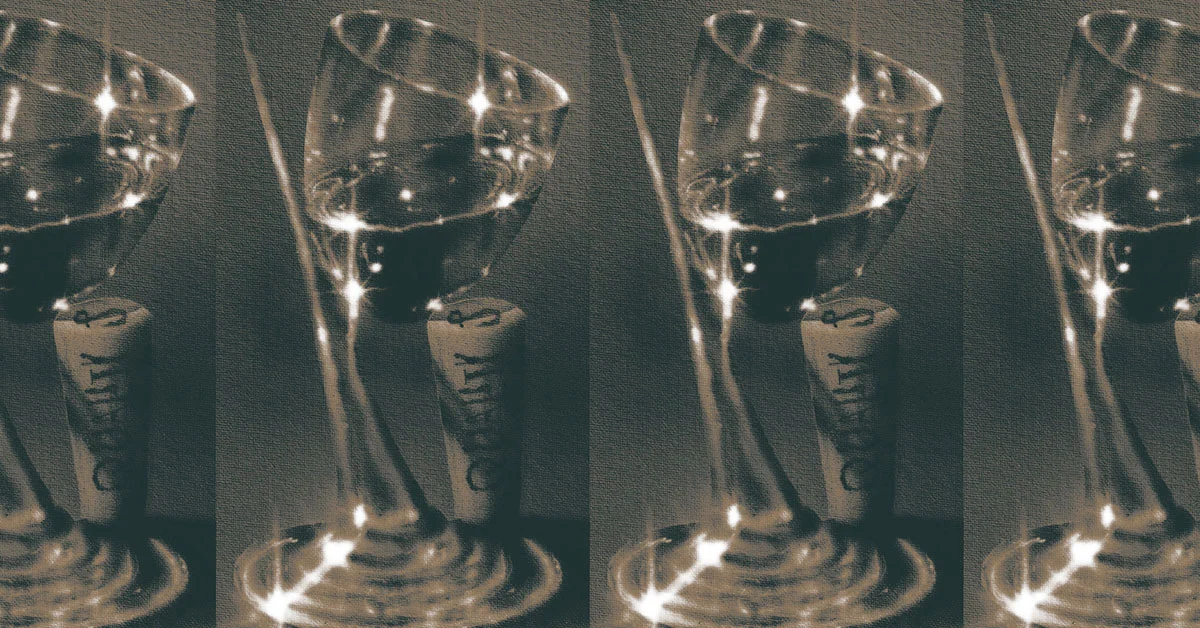
This essay, originally published in the “Spoiled Rotten” issue of Cake Zine, explores the intersection of extreme wealth, consumer culture, and the homogenizing forces of the U.S. wine industry through the lens of reality television.
Introduction: A Clash of Palates
I was three hours deep into Season 4 of The Real Housewives of Salt Lake City, sprawled out on my couch with a laptop balanced on my thighs. It was supposed to be a brief respite from studying the complex terroir of Italy for an upcoming Wine & Spirit Education Trust (WSET) exam. On screen, cast members Whitney Rose and Angie Katsanevas had barely settled into their seats at “Emigration”—a restaurant that, despite its name, features a largely American menu—when Whitney turned to Angie and asked, “Have you ever had the Justin Cabernet?”
I nearly choked on my tea. She could not possibly be recommending the Justin Cabernet Sauvignon that one finds at a local Walgreens for $22—a bottle whose branding feels more aligned with mass-market men’s body wash than a high-end cellar—to a woman who, minutes prior, had stepped out of a white Porsche 911 wearing a $7,000 Cartier bracelet.
This moment of cognitive dissonance serves as the perfect entry point into a broader investigation: When there is no limit to what your money can buy, what do you actually choose? Since its 2006 premiere, the Real Housewives franchise has provided a window into the purchasing habits of the ultra-wealthy. Yet, as a certified wine specialist, I have found that their relationship with wine is less about connoisseurship and more about the performance of status.
The Chronology of Consumption: From Parkerization to Product Placement
To understand why a housewife might choose a $22 mass-market wine over a curated vintage, we must look at the historical forces that shaped the modern American palate.
In the 1980s, long before Bravo became a cultural juggernaut, a former law school graduate named Robert Parker emerged as the world’s most influential wine critic. Parker introduced a 100-point scoring system that essentially graded wine like a school exam. His influence was so profound that winemakers began to cater specifically to his palate, favoring high-alcohol, high-sugar, fruit-forward profiles. This phenomenon, known as “Parkerization,” led to a homogenization of flavor.
The Housewives franchise exists in the long shadow of this era. Even as these women project an image of unfettered luxury, their wine selections often reflect the “Parkerized” palate: sweet, high-alcohol, and highly distributed. When Mary Cosby of RHOSLC lectured her guests on the virtues of a 2003 Dom Pérignon—praising it because a heatwave made the grapes “sweet”—she was celebrating the exact traits that traditionalists often view as flaws: ripeness past the point of balance, lacking in natural acidity.
Supporting Data: The Illusion of Luxury
The fine wine market operates on a hierarchy that is often at odds with the “luxury” standards of fashion and real estate. In the world of high fashion, a Balmain dress is a universally recognized status symbol. In the world of wine, however, the most expensive bottles are often the most obscure. A bottle of Petrus might cost ten times more than a bottle of Dom Pérignon, but if the guests at a dinner party don’t recognize the label, it fails to perform the social function of "luxury."
Consequently, the Housewives gravitate toward brands that are “expensive enough to be class-signifying, but widely enough distributed that the viewer can find them at a local Total Wine.” This creates a fascinating feedback loop. Consider the product placement: The Wonderful Company, which owns Justin, has a history of aggressive Hollywood branding. When the camera lingers on a label, it is rarely accidental. The audience is being sold a lifestyle where "luxury" is defined by availability rather than rarity.
The Rise and Fall of Housewife Wines
The franchise has seen a staggering number of cast members attempt to monetize their drinking habits by launching their own wine brands.
- Ramona Singer (RHONY): Launched a Pinot Grigio in 2011, reflecting her constant on-screen presence with a glass in hand. Production ceased in 2016.
- Bethenny Frankel (RHONY): The Skinnygirl empire remains the gold standard, grossing nearly $15 million annually, proving that "lifestyle branding" beats "winemaking" every time.
- Lisa Rinna (RHOBH): In a quintessential example of the "entrepreneurial pivot," Rinna launched a sparkling rosé after confessing in a confessional that she had only been to Napa once—and spent the entire time at a spa. The brand, while still available in some retail pockets, largely vanished from the social media landscape within a year.
Of the ten wine brands launched by Housewives, only a handful—including Vanderpump Rosé and Tiffany Moon’s Three Moons Cabernet—have shown any semblance of longevity. These ventures illustrate a broader industry trend: the market is flooded. According to the 2026 Silicon Valley Bank State of the U.S. Wine Industry report, there is a significant oversupply of wine. Producers are slashing prices, and the "luxury" segment is struggling to distinguish itself from the commodity market.
Implications: Wealth, Taste, and the Economics of Consumption
The study of the Real Housewives’ drinking habits leads to a provocative conclusion: wealth does not necessarily cultivate taste. In fact, it often insulates the individual from the need to develop it.
As the Journal of Wine Economics has noted, in blind tastings, the correlation between price and enjoyment is often negative for non-experts. We enjoy what we recognize, and we recognize what we are told to enjoy. When a Housewife chooses a bottle, she is often choosing a brand that aligns with her public persona rather than her internal palate.
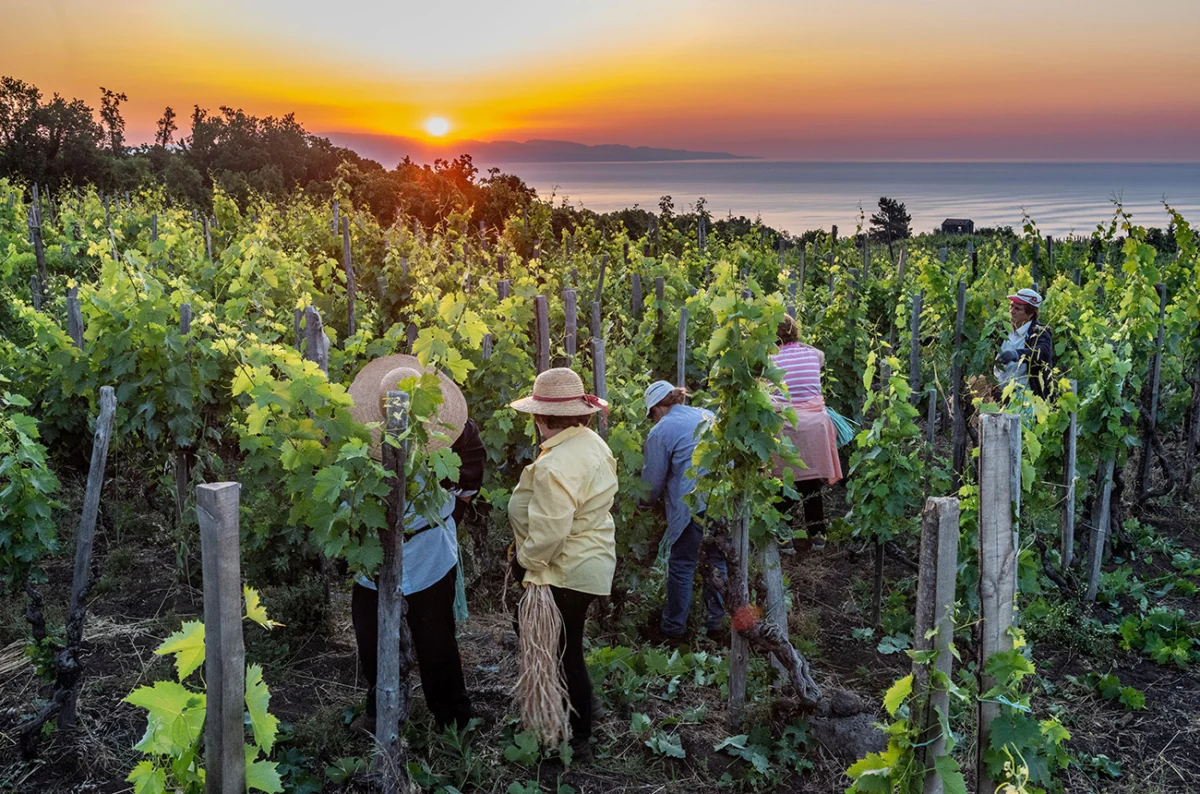
Furthermore, the "performative" nature of these scenes—where wine is used as a prop, a weapon, or a status marker—strips the liquid of its agricultural context. When I watch these women throw wine at one another, I can’t help but think of the labor behind the bottle. If the ladies spent more time engaging with the craft of wine—the soil, the harvest, the patience required for aging—perhaps they would find more value in the experience than the performance.
Conclusion: The Infinite Loop
As a viewer who lives vicariously through these women, I find myself in a bind. I want them to drink the wines I dream of—a Maison Houillon Overnoy or a Château d’Yquem. I want to see them swirl, sniff, and appreciate the nuance. Yet, I am equally captivated by the spectacle of the mass-market bottle.
The Real Housewives offer an episodic, high-definition look at how wealth morphs the human brain. It is a "fire hose" of consumerism, where the choice of a $22 Cabernet is as much a plot point as a divorce or a lawsuit. Whether it is a calculated product placement or a genuine preference, it reminds us that in the world of the ultra-wealthy, even the most mundane purchases are part of a curated image.
We watch to see how the other half lives, hoping to find a blueprint for our own desires. And yet, the most enduring lesson from the Real Housewives wine cellar is simple: money can buy the bottle, but it cannot buy the capacity to appreciate what is inside. In the end, we are all just looking for a familiar name on the label, hoping that the wine tastes as good as the status it promises.

 Asro

 Sagoh