 Dwi Wanna
 Nana Wu
 Muslim
 Reynand Wu
 Ammar Sabilarrohman
 Siti Muinah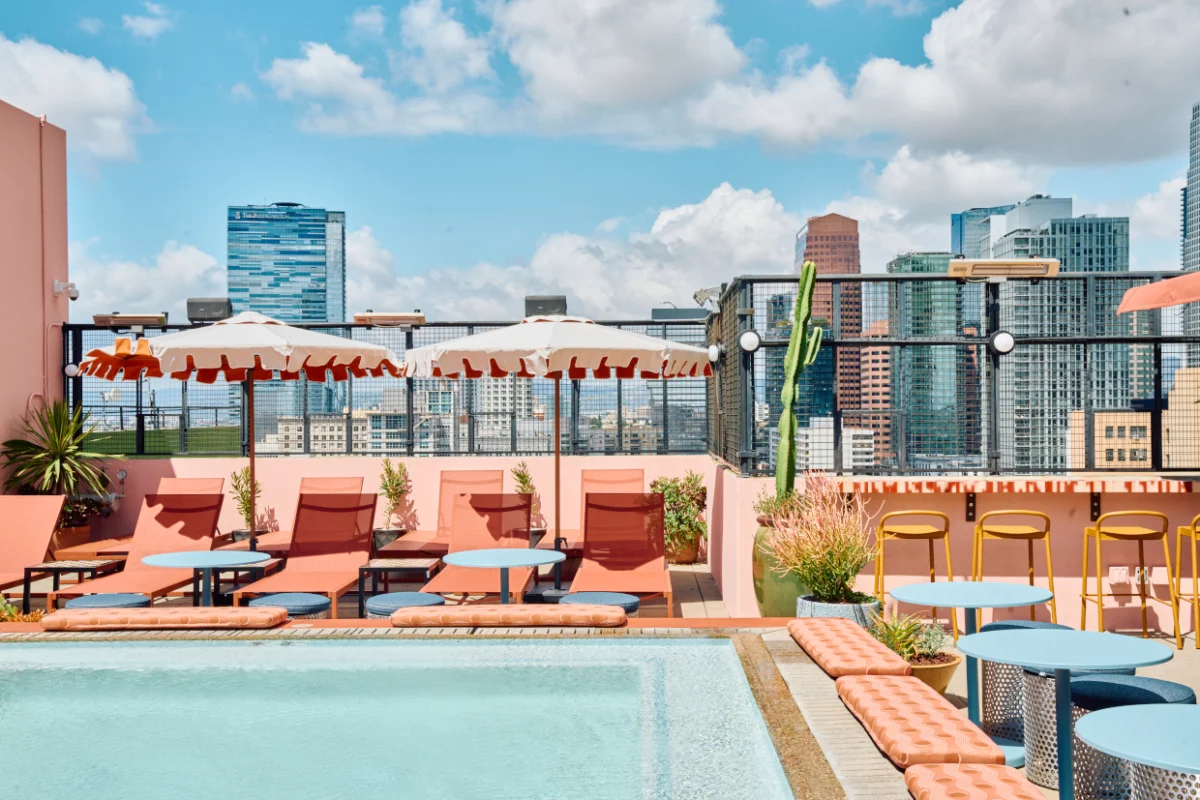
In the heart of Downtown Los Angeles’ historic Broadway Theater District, a significant transformation has reached its conclusion. STILE DTLA, a design-forward lifestyle hotel, has officially announced the completion of a comprehensive, multi-phase renovation of the legendary United Artists building. This transition marks more than just a rebranding of the former Ace Hotel; it represents a fundamental shift in how urban hospitality can integrate with the local creative economy.
As the first U.S. expansion for the hospitality group Aju Continuum, the project breathes new life into the 1927 Spanish Gothic landmark. With 182 meticulously redesigned guest rooms and a sprawling array of new amenities, STILE DTLA is positioning itself as a hybrid ecosystem—a space where high-end travel, professional production, and cultural preservation intersect.
The Evolution of an Icon: A Chronology of Change
The United Artists building has long served as an anchor for the Broadway Theater District. Commissioned by film industry titans—Mary Pickford, Charlie Chaplin, Douglas Fairbanks, and D.W. Griffith—the building was designed to be the crown jewel of their creative enterprise. Over the decades, it has witnessed the rise, fall, and recent revitalization of Downtown Los Angeles.
The Phases of Transformation
- The Heritage Era (1927–2010s): For nearly a century, the building stood as a monument to the golden age of Hollywood. While it changed hands and functions, the Spanish Gothic architecture remained a defining feature of the Los Angeles skyline.
- The Ace Hotel Years: The building’s conversion into the Ace Hotel cemented its status as a destination for the "creative class," bringing a new wave of energy to the historic core of the city.
- The Aju Continuum Acquisition: Seeking to enter the U.S. market, Aju Continuum identified the property as the ideal vessel for its "Stay By Your Own Rules" philosophy. The acquisition initiated a multi-phase renovation focused on modernizing the guest experience while honoring the building’s historic DNA.
- The Present Day: Following a comprehensive overhaul led by Los Angeles-based design firm Design, Bitches, STILE DTLA has emerged as a re-envisioned, multi-layered hospitality environment that bridges the gap between a traditional hotel and an active, community-driven workspace.
Design Rooted in the Spirit of Los Angeles
The renovation project, spearheaded by the innovative team at Design, Bitches, was not intended to wipe away the history of the building but rather to layer it with a contemporary, industrial-modern aesthetic. The design language acts as a dialogue between the ornate, historic Spanish Gothic architecture and the raw, functional needs of today’s modern traveler.
Architectural Harmony and Materiality
The design firm utilized a bold material palette that favors texture and utility. Updated lighting schemes have been implemented to accentuate the building’s historic features, while bathrooms have been overhauled to meet modern luxury standards. The "spatial flow" of the property has been reconfigured, moving away from rigid corridors and lobby layouts toward a more fluid, organic experience.
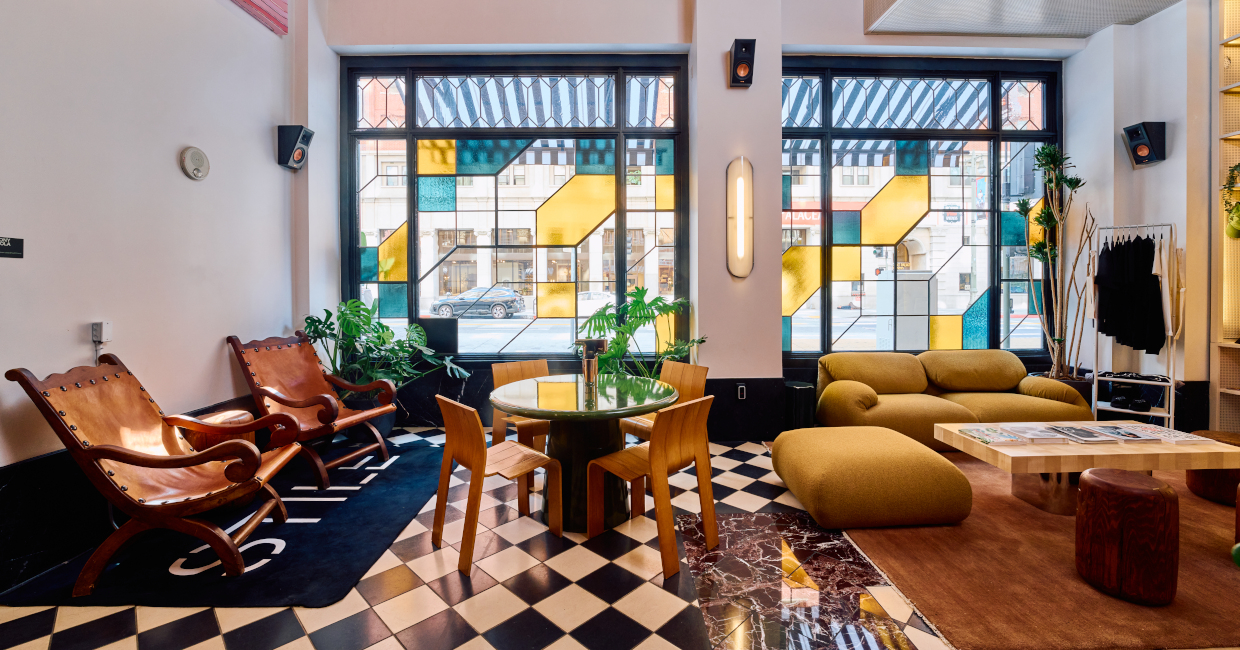
The interior identity is distinctly local. Rather than adopting a generic "luxury" style, the design team opted for expressive, locally grounded finishes that reflect the grit and glamour of Downtown Los Angeles. This approach ensures that the hotel feels like a product of its environment, rather than a transplant from elsewhere.
A New Paradigm: Guest Experience and Amenities
STILE DTLA redefines the hotel stay by prioritizing flexibility and autonomy. The brand’s philosophy, "Stay By Your Own Rules," is executed through a mix of high-tech convenience and curated human-centric service.
The "Contactless, Not Faceless" Model
The hotel employs a tech-enabled, contactless arrival and service model. Guests can navigate their stay with maximum autonomy, yet the hotel maintains a high level of personal service. The 182 guest rooms have been fully overhauled to prioritize comfort and functionality. Each room features premium amenities, including Korean-made skincare products, Copper Cow Coffee, and Harney & Sons tea, reflecting a commitment to quality and detail.
SparkHouse: The Creative Engine
Perhaps the most ambitious addition to the property is SparkHouse, a 24/7 private members’ club and production hub occupying the building’s first and second floors. Designed for music-makers, videographers, and digital creatives, SparkHouse provides:
- Professional Infrastructure: Fully equipped recording studios and podcast/video production suites.
- Collaborative Spaces: Lounges and meeting rooms that foster cross-pollination between artists and industry professionals.
- Programming: A steady calendar of masterclasses, listening sessions, and industry showcases designed to nurture emerging talent.
Culinary and Retail Integration
The property’s food and beverage strategy is designed to be a "day-to-night" affair. It begins at the street level with the SparkHouse Café, transitioning into a sophisticated lobby bar by night. The Somewhere Special rooftop bar provides a skyline-facing venue that serves as a workspace by day and a vibrant nightlife destination after hours. Complementing this is The Goodie Shop, a retail concept that moves beyond the typical hotel gift shop, offering locally sourced snacks, craft beverages, and design-forward lifestyle goods.
Official Perspectives: The Vision of Aju Continuum
Jaisun Ihm, CEO of Aju Continuum, emphasizes that the STILE project is a departure from conventional hospitality.
"STILE represents a meaningful evolution not only for this building, but for how hotels can operate within a city like Los Angeles," Ihm stated during the reopening. "This renovation allowed us to preserve the integrity of a historic landmark while introducing a more flexible, design-led experience that reflects how people live, work, and connect today."
For Aju Continuum, the success of the property is measured by its ability to act as a "platform for creative exchange." By drawing from the community-first philosophy established by their sister brand, RYSE in Seoul, they aim to create an ecosystem that is as dynamic as the city of Los Angeles itself.
Implications for the Broadway Theater District
The relaunch of the STILE DTLA property is not an isolated event; it is a catalyst for the ongoing revitalization of the Broadway Theater District. By integrating the historic United Theater on Broadway—a legendary venue—as a primary cultural anchor, the hotel reinforces its commitment to the arts.
Cultural Impact
The theater will continue to host concerts, film screenings, and live programming, ensuring that the building remains a pillar of the city’s cultural scene. This is vital for the district, which thrives on the synergy between its historic theaters and the modern businesses that inhabit the surrounding buildings.
The Future of Urban Hospitality
The hotel’s "layered sensory experience"—which includes a curated music program inspired by soul and experimental sound, a signature santal-based scent, and artwork by creators like Xan Padrón and Martin Vaan Zaal—indicates a broader trend in the industry. Modern travelers, particularly in creative hubs like LA, are seeking more than just a bed; they are seeking an immersive experience that aligns with their professional and personal identities.
By offering a hybrid space that combines a boutique hotel with a professional production hub, STILE DTLA is setting a benchmark for future urban projects. It proves that historic preservation and contemporary innovation are not mutually exclusive, but rather complementary forces that can create a more sustainable and vibrant urban fabric.
As STILE DTLA begins its new chapter, it stands as a testament to the idea that a hotel can function as a home base for the modern creative, a venue for artistic expression, and a steward of the architectural history that makes Downtown Los Angeles unique. With its combination of tech-enabled convenience, artistic depth, and a commitment to local community, the property is poised to be a defining fixture in the next decade of Los Angeles hospitality.

 Lina Irawan
 Evan Lee Salim