 Dwi Wanna
 Nana Wu
 Muslim
 Reynand Wu
 Ammar Sabilarrohman
 Lina Hope
By Staff Reporter | June 5, 2026
In a significant operational realignment, SPB Hospitality, the parent company overseeing a diverse portfolio of restaurant brands, announced on Thursday the formal implementation of the "SPB Playbook." This new operating framework marks a structural shift in how the company manages its assets, specifically segregating the iconic quick-service chain Krystal from its stable of upscale casual brands. Under the guidance of SPB leadership, these segments will now function as parallel businesses under a unified executive vision.
The move, spearheaded by SPB CEO GJ Hart, comes as the hospitality group seeks to balance the aggressive growth of its premium dining concepts with the unique operational demands of the fast-food sector.
The Core Strategy: Parallel Operations
The SPB Playbook is designed to optimize performance by recognizing that a high-end steakhouse requires a vastly different management approach than a QSR (quick-service restaurant) chain. By operating Krystal and its upscale portfolio—which includes J. Alexander’s, Stoney River Steakhouse and Grill, and various chef-driven concepts by Jose Garces—as parallel entities, SPB aims to streamline decision-making.
"The Playbook is built around our core mission: ‘Great People. Remarkable Food. Exceptional Restaurants,’" Hart stated during the announcement. By tailoring the organizational structure to the specific needs of each brand, the company intends to foster "operational footing" that ensures long-term viability across all sectors.
Leadership and Operational Shifts
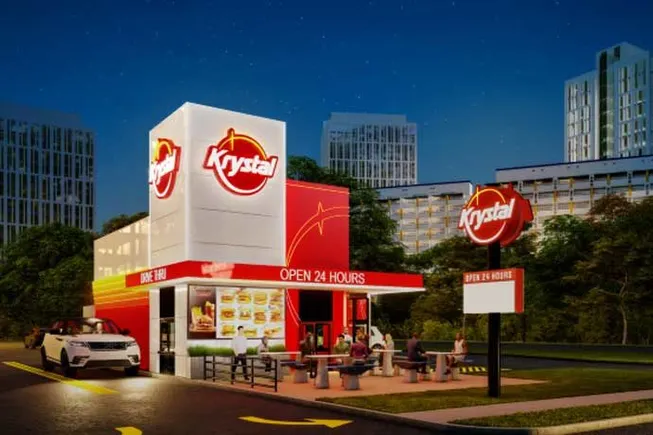
A central component of this restructuring is the empowerment of specialized leadership. Krystal, in particular, will see a shift in its day-to-day management under the leadership of Amanda Hyde. Hyde, who stepped into the role of Chief Operating Officer in March, is now charged with crafting a bespoke strategy for Krystal that aligns with its specific guest expectations and the hyper-competitive landscape of the quick-service industry.
Simultaneously, SPB is introducing a structural evolution within its upscale dining division by formalizing a "Head Coach" model. Borrowing from the established culture of J. Alexander’s, this role replaces the traditional General Manager title. The shift is not merely cosmetic; it carries a broader mandate regarding accountability, team development, and operational ownership.
According to company officials, the Head Coach role is designed to evolve into an "ownership partner structure." This model aims to align the financial and operational performance of individual restaurant units with the personal interests of the leadership on the ground, theoretically reducing turnover and fostering a deeper commitment to the brand’s success.
Growth Trajectories: J. Alexander’s as the Anchor
While Krystal navigates a stabilization and strategy-refinement phase, J. Alexander’s has been designated as the primary growth vehicle for the organization. The company’s expansion strategy for the brand is defined by a "depth over breadth" philosophy. Rather than chasing rapid, wide-scale national expansion, SPB is focusing on markets where J. Alexander’s already enjoys a proven track record and high brand loyalty.
"We’re going where we know we’ll win," Hart noted. "That means being thoughtful about where and how we grow and making sure we have the right teams in place before we do."
The expansion roadmap is ambitious but calculated:
- 2026: Five new units, including the recently opened location in Plano, Texas, and upcoming sites in Prosper, Texas, and The Battery Atlanta, Georgia.
- 2027: An additional seven units.
- 2028: Eight units slated for development.
This methodical pace is intended to ensure that the "Head Coach" culture remains intact as the footprint grows, preventing the common pitfalls of scaling a high-touch service brand too quickly.

Origins of the Playbook: The CEO’s Listening Tour
The genesis of the SPB Playbook lies in a series of "listening tours" conducted by GJ Hart shortly after his appointment. Hart spent significant time on the ground, engaging directly with operators and frontline staff to pose a singular question: "What do you need to do your best work?"
The feedback loop provided a roadmap for the systemic changes now being rolled out. Key takeaways from these sessions included:
- Streamlined Reporting: Simplifying the chain of command to reduce administrative friction.
- Operator Engagement: Revamping the frequency and quality of operator meetings to ensure that feedback from the field reaches corporate leadership faster.
- Enhanced Benefits: Strengthening the value proposition for team members to combat the persistent labor shortages facing the industry.
- Technological Integration: The rollout of "goHappy," a frontline communications tool designed to bridge the gap between corporate headquarters and individual restaurant staff, ensuring that mission-critical updates and training materials reach employees in real-time.
Implications for the Industry
The structural separation of Krystal and the upscale portfolio signifies a broader trend in the hospitality industry: the move away from "one-size-fits-all" management. Large restaurant groups are increasingly recognizing that the operational metrics for a $15 check-average chain and a $60 check-average steakhouse cannot be governed by the same set of KPIs.
By formalizing the "ownership partner" structure for its upscale brands, SPB is also attempting to solve the "managerial churn" that plagues the industry. If successful, this model could become a benchmark for other hospitality groups looking to retain top-tier talent in an increasingly competitive labor market.
Furthermore, the focus on "depth over breadth" for J. Alexander’s reflects a wider pivot in the industry toward geographic density. By clustering restaurants within specific regions, companies can benefit from shared supply chain logistics, regional marketing efficiencies, and a centralized talent pool, thereby increasing margins even as growth remains measured.
Challenges and Future Outlook
Despite the optimistic outlook, the transition is not without its hurdles. Integrating the "Playbook" into Krystal’s legacy operations—which often involve older infrastructure and different customer demographics—will require significant cultural adjustment. Amanda Hyde’s success will largely depend on her ability to translate the high-level corporate philosophy into actionable, daily processes that resonate with Krystal’s existing customer base.

Moreover, the "ownership partner" model is a bold experiment. While it promises higher accountability, it also shifts a greater burden of performance onto the restaurant-level leaders. The success of this model will be measured by its ability to drive consistent growth without placing undue stress on the staff, particularly as the company plans to open 20 new locations across the next three years.
As SPB Hospitality moves forward, the market will be watching closely to see if the "Playbook" can successfully bridge the gap between the speed-centric demands of Krystal and the premium, experience-driven requirements of its upscale casual portfolio. If the strategy proves effective, it could offer a blueprint for other diversified hospitality conglomerates attempting to manage disparate brands under a single, cohesive umbrella.
For now, the mandate is clear: stabilize, empower, and grow. With the leadership teams in place and a clear communication framework via "goHappy," SPB appears poised to leverage its diverse assets to gain a larger share of the dining market, provided it can maintain the delicate balance between rapid growth and operational excellence.

 Lina Irawan
 Evan Lee Salim