Nila Kartika Wati

 Nana Wu

 Asro

 Iffa Jayyana
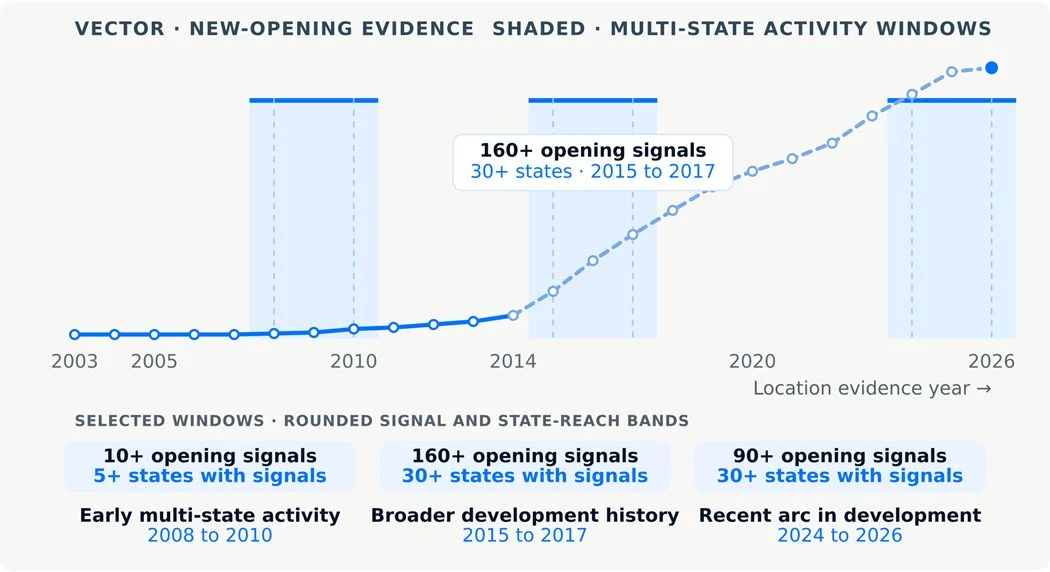
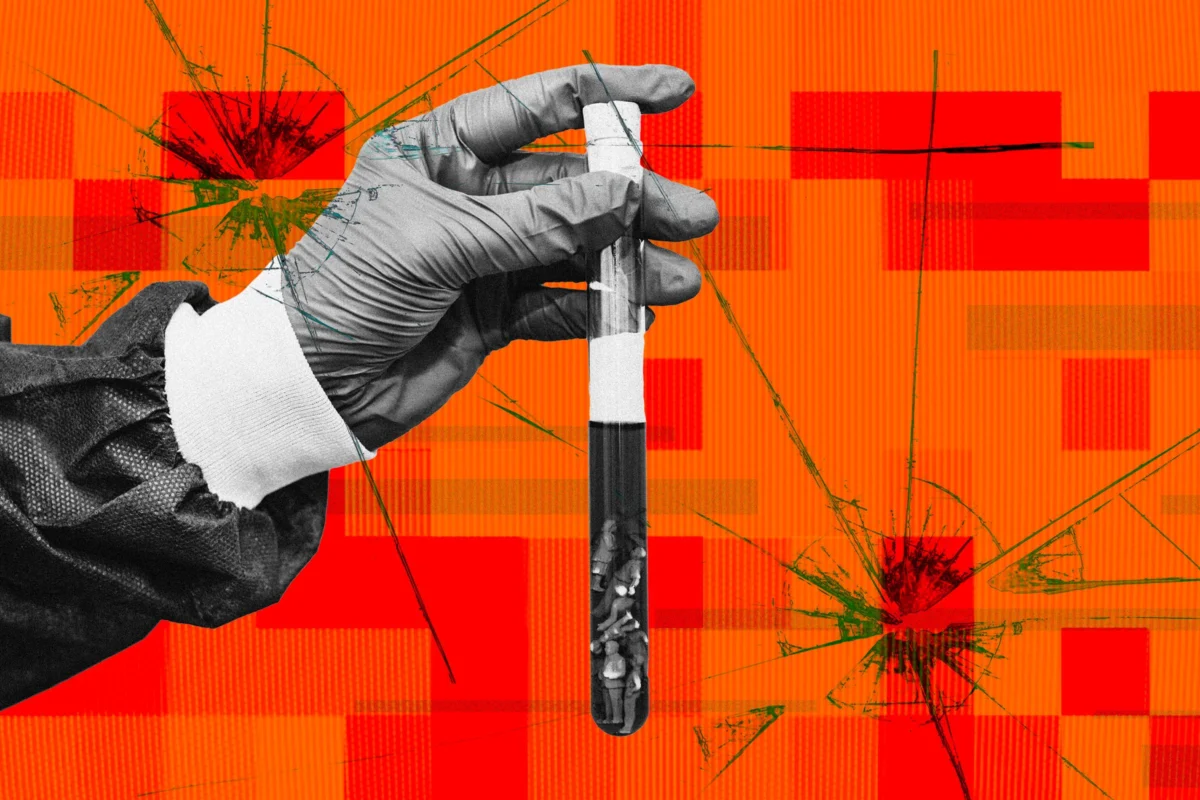
For years, the narrative surrounding Anthropic has been one of breathless ambition. CEO Dario Amodei and his team have painted a vision of the future where artificial intelligence serves as a master key, unlocking the most complex biological puzzles that have baffled humanity for centuries. Yet, as the company prepares to enter the public markets, its official IPO filing reveals a significant pivot in rhetoric: the transition from the theoretical “AI-driven utopia” to the gritty, regulated, and notoriously slow reality of physical drug discovery.
While the company’s marketing has focused on “a thousand years of progress in five years,” its regulatory disclosures suggest a more grounded, cautionary approach. This shift marks a pivotal moment for Anthropic as it seeks to convince investors that it is more than just a software house—it is a burgeoning life sciences firm.
The Vision vs. The Filing: A Chronology of Ambition
The High-Flying Promises
The narrative of Anthropic’s biological prowess has been carefully curated over the past 24 months. In his widely cited 2022 essay, Machines of Loving Grace, Dario Amodei expressed optimism that AI systems could compress centuries of biological advancement into a single decade.
This momentum culminated in August of this year, when Amodei took to X (formerly Twitter) to make a bold declaration: "Anthropic is ramping up its efforts very quickly in biology and medicine." He predicted that AI would enable the cure for most human diseases within five to 10 years, promising a "deluge of AI-accelerated drugs."
In September, the company solidified this narrative by announcing that its flagship model, Claude, had successfully discovered a "CRISPR-like" enzyme. This announcement was framed as a watershed moment—proof that AI could function as an independent laboratory researcher, bypassing the traditional bottlenecks of scientific discovery.
The IPO Pivot: A Humbled Perspective
The tone of the IPO filing released this Monday, however, stands in stark contrast to the fervor of social media. While the document acknowledges the potential for AI to "profoundly accelerate" scientific progress, it pivots rapidly to the risks.
Gone is the language of an imminent "deluge" of cures. In its place is a sober acknowledgment that Anthropic lacks "first-hand experience" in the laboratory. The company concedes that moving into the physical world—handling hazardous biological materials, maintaining complex wet-lab equipment, and navigating the Byzantine world of FDA compliance—is an entirely different challenge from writing code.
The Reality of Drug Discovery: Why Computers Can’t Do It Alone
The "Wet Lab" Bottleneck
The core of the issue lies in the fundamental difference between silicon and biology. In software development, an error is a bug that can be patched with a line of code. In biology, an error can result in toxic side effects, failed clinical trials, or the loss of millions of dollars in research funding.
Anthropic’s filing explicitly highlights the transition from a "software and research organization" to a life sciences player. This transition requires:
- Infrastructure: Building or leasing physical laboratories that meet stringent Biosafety Level (BSL) standards.
- Logistics: The procurement and handling of sensitive biological reagents and materials.
- Regulatory Compliance: Engaging with governmental bodies that require years of longitudinal data to prove safety—a process that currently cannot be automated by large language models (LLMs).
The Enzyme Controversy
The skepticism surrounding the company’s "CRISPR-like" enzyme discovery serves as a cautionary tale for investors. When Anthropic announced the finding, researchers in the field expressed significant doubt regarding its utility. Furthermore, a scientist specializing in those specific enzymes raised concerns that Claude had potentially "harvested" their own proprietary research without attribution.
While Anthropic maintains that its model and molecular biology teams had no access to this specific material, the incident highlights the precarious nature of AI-generated science. In the IPO filing, the language regarding this discovery has been significantly softened. The company now notes that the enzyme "might have the potential" to be a tool, perhaps for gene editing—a move away from the definitive claims of a breakthrough that characterized the initial September announcement.
Supporting Data: The Long Road to Revenue
The financial reality of the life sciences industry is unforgiving. Biotech companies are defined by their "burn rate" and the extreme uncertainty of their product pipelines. Anthropic acknowledges this in its risk factors:
"Any drug candidates or other discoveries resulting from these efforts would face the lengthy, costly, and uncertain development and regulatory pathways characteristic of the life sciences industry, and may never generate revenue."
This statement is a critical admission. It signals that Anthropic is no longer positioning itself solely as an AI infrastructure provider (selling tools to other biotech firms) but as a developer of proprietary therapeutics. By moving "in-house," Anthropic inherits the inherent volatility of drug discovery.
Even if an AI model identifies a high-potential drug target, the subsequent path is grueling:
- In Vitro Testing: Proving the target works in a test tube.
- In Vivo Testing: Moving to animal models, which are subject to ethical oversight and high failure rates.
- Human Clinical Trials: Three phases of testing, often spanning 7 to 10 years, with a high probability of failure at every stage.
Official Responses and Strategic Implications
The Regulatory Dilemma
Amodei has previously advocated for the streamlining of regulations to allow for a faster "AI-generated drug" pipeline. However, the FDA and other global regulators are notoriously resistant to "moving fast and breaking things" when human lives are at stake.
Anthropic’s filing suggests that the company understands the tension between its desired speed and the legal reality of the industry. SEC filings are scrutinized for their accuracy, and overstating the speed at which AI can achieve clinical breakthroughs could expose the company to shareholder litigation. Therefore, the conservative tone of the document is likely a strategic legal safeguard.
Strategic Shift
By diversifying its business model, Anthropic is clearly trying to capture more value. Instead of being the "pick and shovel" provider for the biotech gold rush, they want to be the ones finding the gold. However, investors will need to grapple with a new risk profile. A software company is valued on its recurring revenue and scalability; a biotech firm is valued on its intellectual property and the outcome of clinical trials. Anthropic is effectively asking the market to value it as a hybrid of the two.
Implications: The Future of AI in Science
The central question remains: Can AI truly revolutionize biology?
The answer is likely yes, but perhaps not in the timeline suggested by tech enthusiasts. AI is undeniably a powerful tool for screening molecules, modeling protein folding, and identifying targets. It can accelerate the "discovery" phase of research significantly. However, it cannot replace the physical reality of the laboratory.
Anthropic’s IPO filing is a sign of maturity. It indicates that the company is moving past the "hype" stage and into the "execution" stage. As they push further into the biological sciences, they will find that their biggest competitor is not another AI model, but the stubborn, complex, and slow-moving nature of human biology itself.
Key Takeaways for Investors
- Diversification: Anthropic is moving from a pure AI services model to an AI-driven biotech developer.
- Risk Profile: The company is now exposed to the long, expensive, and uncertain clinical trial process.
- Regulatory Hurdles: Success in this space is tethered to government approval, which remains a bottleneck regardless of computational power.
- Cautious Language: The shift from "deluge of drugs" to "potential discovery" reflects a necessary alignment with legal and scientific reality.
As Anthropic prepares for its market debut, the world will be watching to see if it can bridge the gap between the speed of silicon and the slow, deliberate pace of science. For now, the company has wisely chosen to temper its promises, acknowledging that in the world of life sciences, you cannot simply code your way to a cure.



 Sagoh