Pevita Pearce

 Lina Hope
 Jia Lissa

 Ammar Sabilarrohman
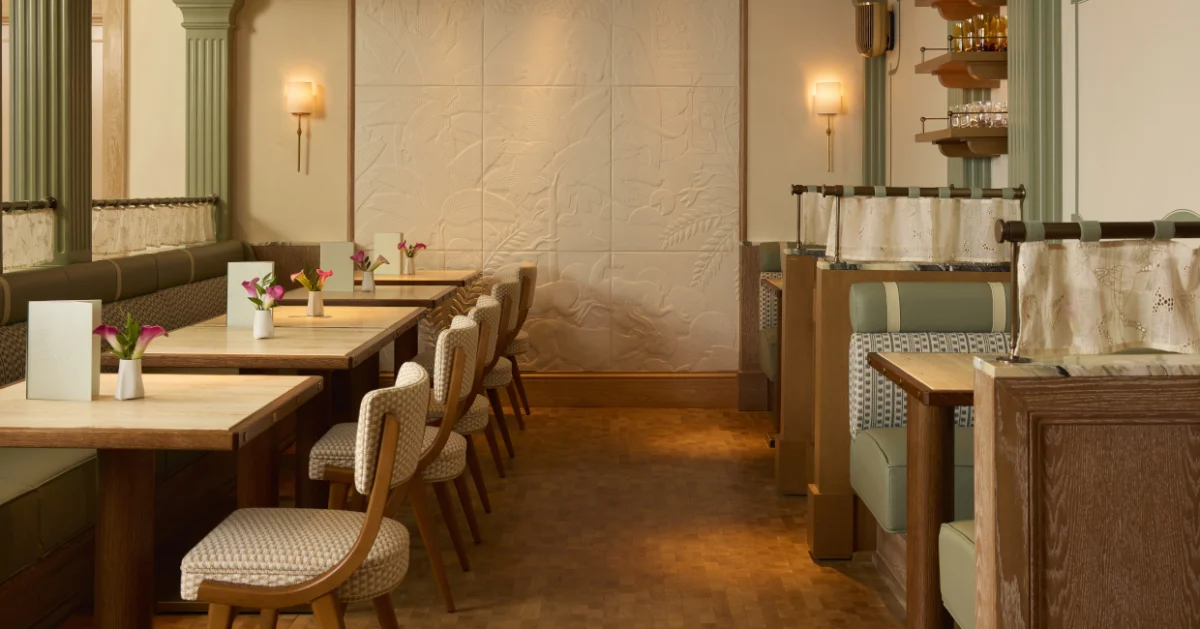
The historic Stoke Park estate, a name synonymous with quintessential British elegance and cinematic lore, has officially entered a transformative chapter. Following an extensive period of restoration and meticulous renovation, the estate has unveiled its new flagship restaurant, The Penn. This opening serves as the cornerstone of a broader, ambitious redevelopment strategy, positioning Stoke Park as the premier destination for world-class hospitality in the English countryside.
In a move that signals a significant shift toward elevated, chef-led dining, Stoke Park has partnered with Tom Sellers—the visionary force behind London’s two-Michelin-starred Restaurant Story. Together with a cohort of culinary experts including Dom Robinson and Tom Phillips, and the expertise of HiStory Hospitality, the estate is setting a new benchmark for British fine dining.
Main Facts: A Symphony of History and Modernity
The Penn is far more than a restaurant; it is a curated experience designed to honor the legacy of John Penn, the estate’s historic owner. With a 48-cover main dining room and an intimate, eight-seat private dining room, the establishment is purposefully scaled to ensure an exclusive atmosphere.
The Culinary Philosophy
The menu at The Penn is a masterclass in balance. By marrying the heritage of British culinary history with the technical precision of classical French cuisine, Sellers and his team have crafted a narrative that is both nostalgic and forward-thinking. Central to this vision is a deep commitment to provenance and seasonality. Ingredients are sourced with a rigor that reflects the estate’s own verdant landscape, ensuring that the plate acts as a bridge between the kitchen and the surrounding parkland.
Architectural Harmony
The interior design, spearheaded by Studio Shayne Brady, serves as a dialogue between the traditional English country house and a contemporary, relaxed sensibility. The space is anchored by a substantial limestone fireplace, while the walls—finished in plaster and accented with architectural columns—evoke a sense of timeless grandeur. The aesthetic is softened by a sophisticated color palette of deep plum, forest greens, and warm plaster tones, complemented by bespoke timberwork and art that bridges the gap between the classical and the contemporary.
Chronology: The Road to Restoration
The unveiling of The Penn is the culmination of a multi-year project that has seen Stoke Park navigate the complexities of preserving its heritage while modernizing its facilities for the discerning guest of the 21st century.
- Pre-Renovation Phase: Stoke Park, long regarded as a jewel of Buckinghamshire, operated as a members’ club and hotel, known globally for its golf course and its starring role in iconic cinema, including the James Bond franchise.
- The Restoration Period: Recognizing the need for a modern evolution, the estate underwent an intensive restoration period. This phase focused on structural integrity and the reimagining of the interior spaces, moving away from stagnant traditionalism toward a more dynamic, "living" design aesthetic.
- The Partnership Announcement: The collaboration with Tom Sellers and HiStory Hospitality was established to redefine the estate’s food and beverage offering, transforming it from a standard hotel amenity into a standalone culinary destination.
- The Launch Phase: Today, the unveiling of The Penn marks the first of several planned phases. The simultaneous introduction of The Piano Bar, The Tea Room, and The Terrace & Glasshouse signifies a holistic approach to the guest experience, moving beyond singular fine dining into a multi-faceted hospitality ecosystem.
Supporting Data: An Ecosystem of Five Concepts
The Penn does not exist in a vacuum. It sits at the heart of a five-pillar culinary strategy designed to cater to the diverse needs of guests, from casual afternoon tea-goers to seekers of high-concept evening dining.
- The Penn: The flagship fine-dining room, focusing on classical French techniques and British provenance.
- The Private Dining Room: An eight-seat enclave designed as a "gentleman’s study," featuring trompe l’oeil paneling and bronze-toned furnishings for total immersion.
- The Piano Bar: A nod to Stoke Park’s cinematic history, this space features a striking rosso levanto marble bar and a rich color palette of burgundy and yellow ochre. It serves an elevated martini selection and classic cocktails, mirroring the glamour of the estate’s silver-screen heritage.
- The Tea Room: A continuation of traditional estate hospitality, providing a refined setting for one of Britain’s most beloved rituals.
- The Terrace & Glasshouse: An informal, airy space designed to resemble an English orangery. With textured linens and curated greenery, it provides a seamless transition between the indoor dining experience and the expansive, manicured gardens of the estate.
Official Responses and Creative Vision
The collaboration between the estate and HiStory Hospitality was driven by a shared desire to breathe new life into the historic site. According to the design team at Studio Shayne Brady, the core challenge was to avoid the "museum effect."
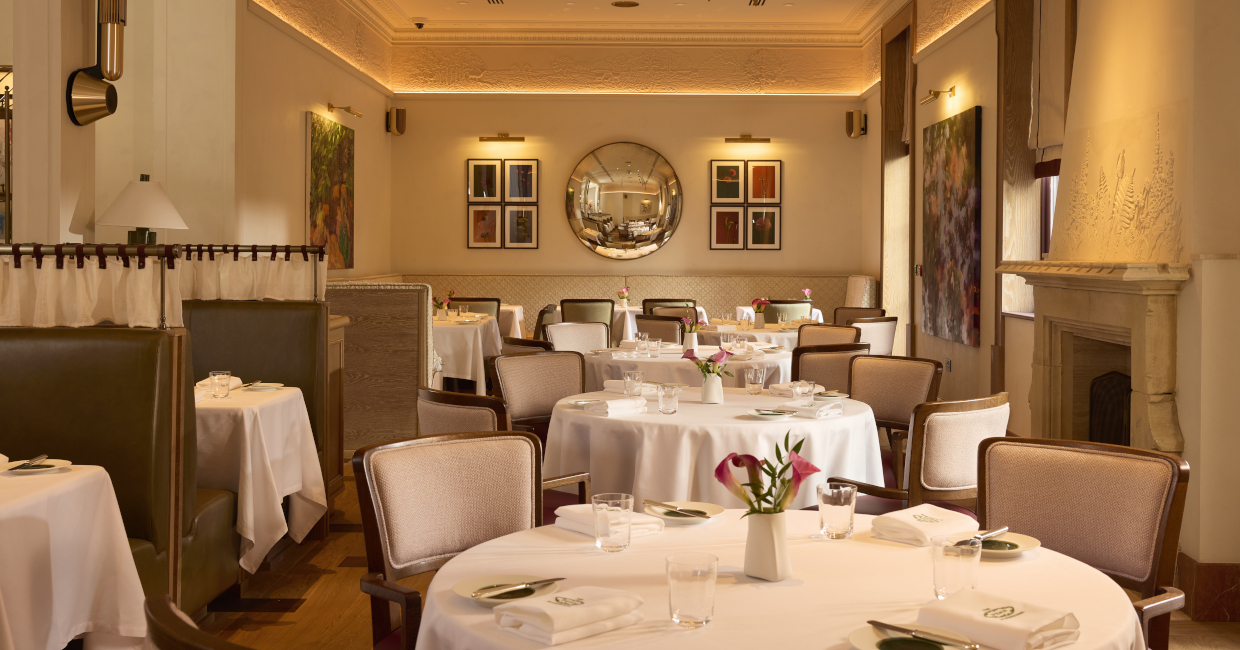
"The goal was to make guests feel as though they are dining in the home of someone who appreciates both history and the pulse of contemporary life," a spokesperson for the project noted. "The bespoke plaster frieze, which depicts local flora and fauna, is a prime example of this—it is a subtle, artistic nod to the estate’s biodiversity, ensuring that the room feels rooted in its specific geography."
Tom Sellers’ involvement represents a significant "chef-driven" pivot for the estate. His approach—which famously earned Restaurant Story its second Michelin star—focuses on storytelling through food. By bringing this methodology to Stoke Park, the estate is signaling that it is no longer content to rely on its historical reputation alone; it is now an active player in the national culinary conversation.
Implications: The Future of Country House Hospitality
The reopening of Stoke Park through the lens of high-end gastronomy carries broader implications for the UK’s luxury hospitality sector.
Revitalizing the "Destination Estate"
The model being deployed here—moving away from generic hotel catering toward branded, chef-led concepts—is a trend that is rapidly gaining traction. As travelers increasingly seek "experiential" luxury, estates like Stoke Park must offer more than just a room and a view; they must offer a narrative. By integrating cinematic history, bespoke interior design, and Michelin-caliber food, Stoke Park is creating a "sticky" experience where guests are encouraged to linger across multiple venues throughout their stay.
Architectural Influence
The use of Studio Shayne Brady’s design language sets a precedent for how heritage properties should approach renovation. By eschewing the "white box" aesthetic of modern luxury hotels in favor of textured plaster, dramatic lighting, and deep, moody color palettes, Stoke Park is reinforcing the trend toward "maximalist comfort." This style respects the architectural bones of the country house while acknowledging the modern guest’s desire for intimacy and warmth.
Economic and Cultural Impact
The launch of these five concepts is expected to bolster the regional economy, positioning Buckinghamshire as a "must-visit" hub for food enthusiasts. By aligning with a name as recognizable as Tom Sellers, Stoke Park ensures that it remains at the forefront of the hospitality industry, attracting not just local members, but international visitors seeking the pinnacle of British hospitality.
Looking Ahead
As the first stage of the estate’s wider relaunch, the opening of The Penn sets a high bar. The integration of The Piano Bar and the Glasshouse ensures that the estate remains relevant at all hours of the day. For the owners, the success of this relaunch will hinge on their ability to maintain the high service standards required to back up such an ambitious culinary vision.
In conclusion, the new Stoke Park is not merely a restoration of a historic landmark; it is a reinvention. By successfully weaving together the threads of culinary excellence, cinematic history, and sophisticated design, the estate has successfully bridged the gap between its storied past and a bright, gourmet-focused future. As diners settle into the bespoke, timber-inlaid floors of The Penn, it is clear that the next chapter of Stoke Park is not just about preservation—it is about evolution.


 Nana Wu

 Dwi Wanna