 Nila Kartika Wati
 Layla Zulfa
 Ammar Sabilarrohman

 Pevita Pearce
 Lina Hope
 Asep Darmawan
October 15, 2026
In an act of profound cruelty that highlights the often-invisible suffering of agricultural animals, three chickens were discovered abandoned among piles of refuse in the scorching heat of an Acton, California, roadside. The birds, now thriving under the care of Farm Sanctuary, serve as a poignant reminder of the disconnect between industrial animal agriculture and the inherent value of individual sentient lives.
A Chance Encounter on Soledad Canyon Road
The rescue began as a stroke of serendipity on a routine afternoon. Taylor Flannagan, a dedicated caregiver at the Farm Sanctuary shelter in Acton, was traveling near a local lookout point—a site unfortunately notorious for illegal dumping. Surrounded by discarded furniture, broken household items, and heaps of garbage bags baking in the intense summer sun, Flannagan noticed something amidst the debris that didn’t belong.
"It’s a place where people illegally dump trash," Flannagan explained. "There are always big piles of random garbage bags and broken furniture. This time, amongst the trash was a wheelbarrow, and I climbed over an embankment to have a look at it."
What he initially mistook for a wounded hawk or falcon—a flash of brown feathers and spindly legs—revealed a far more heartbreaking reality. Hidden within the refuse were three domestic chickens, gaunt, dehydrated, and clearly in the throes of severe neglect.
Chronology of a Rescue
The events that followed unfolded with the urgency of a life-saving operation.
- The Discovery: Upon realizing the "wounded birds" were, in fact, three domestic hens discarded like unwanted commodities, Flannagan immediately recognized the severity of their condition. They were starving and visibly frightened, likely having endured prolonged neglect before being unceremoniously dumped.
- The Response: Recognizing that he was ill-equipped to transport them safely on the spot, Flannagan returned to the Farm Sanctuary facility. He returned minutes later with a kennel, essential nutrients, fresh water, and a net.
- The Capture: Contrary to his expectations of a chase, the birds were so weak and desperate that they offered no resistance. When Flannagan placed food and water near the open kennel, the birds gravitated toward the sustenance, allowing him to usher them to safety without further stress.
- The Transition: Once secured, the trio underwent a rigorous intake process. This included thorough veterinary examinations to address malnutrition and feather loss, as well as mandatory testing for avian influenza, which they successfully cleared.
The Faces of Resilience: Ravenna, Blossom, and Soledad
The three survivors have been given names that honor their harrowing origin story. They are now known as Ravenna, Blossom, and Soledad—the latter named after the canyon road where they were found.
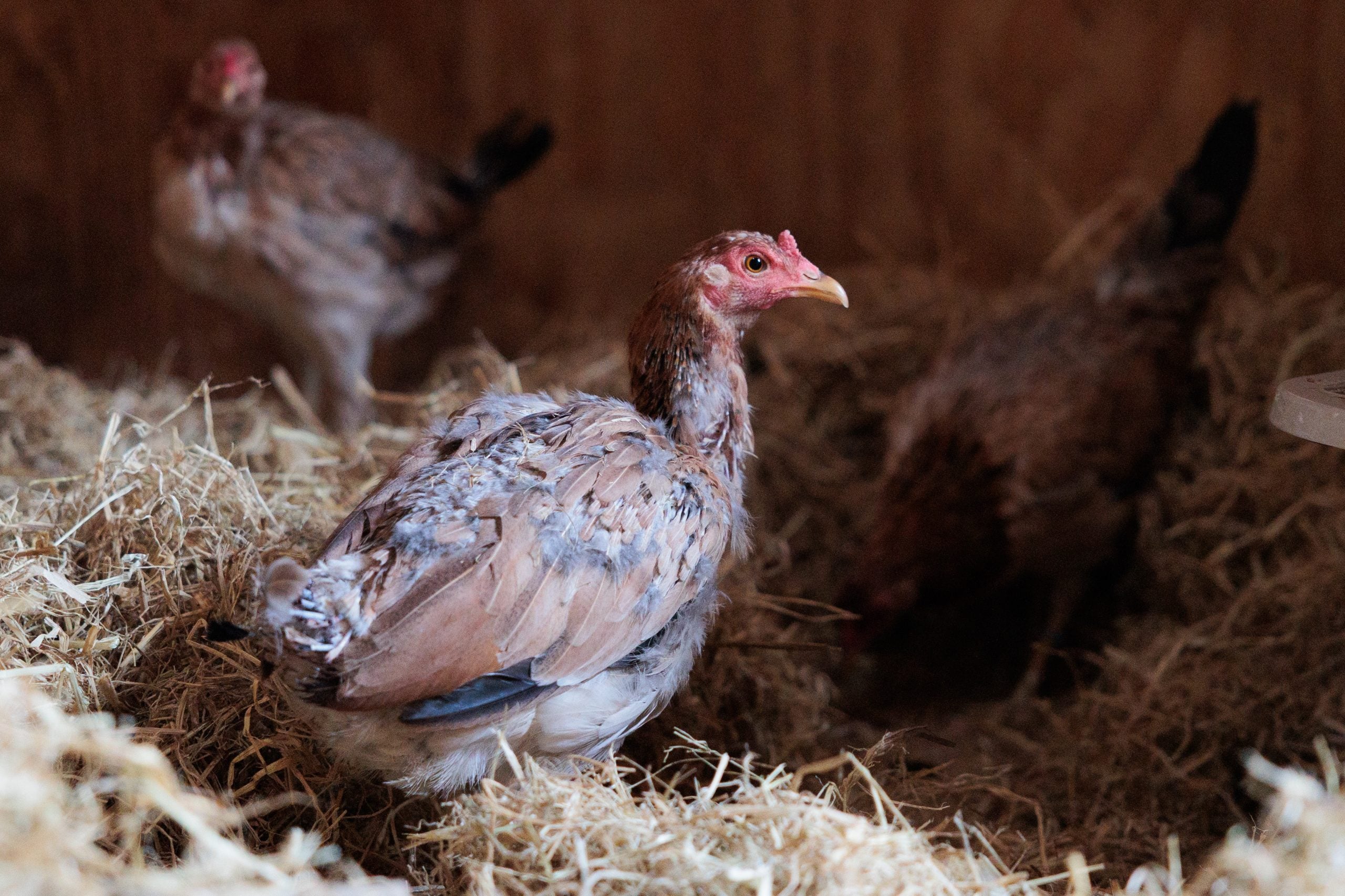
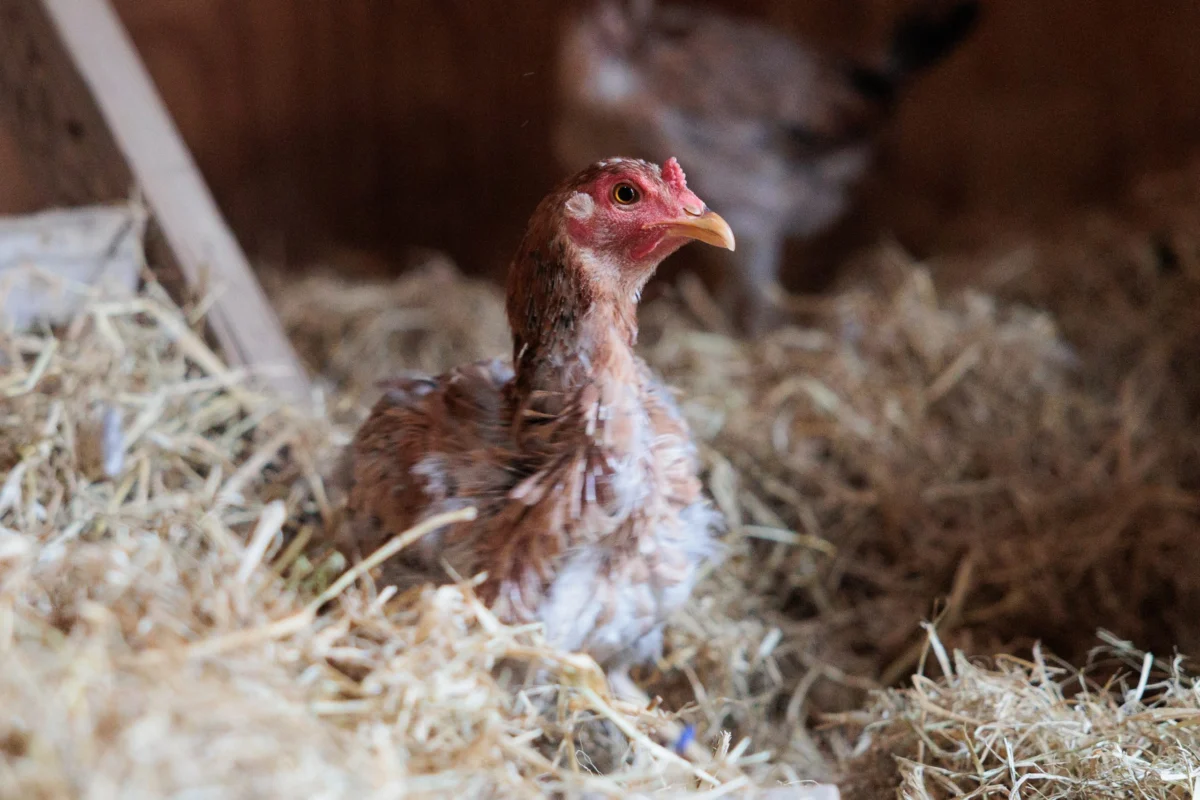
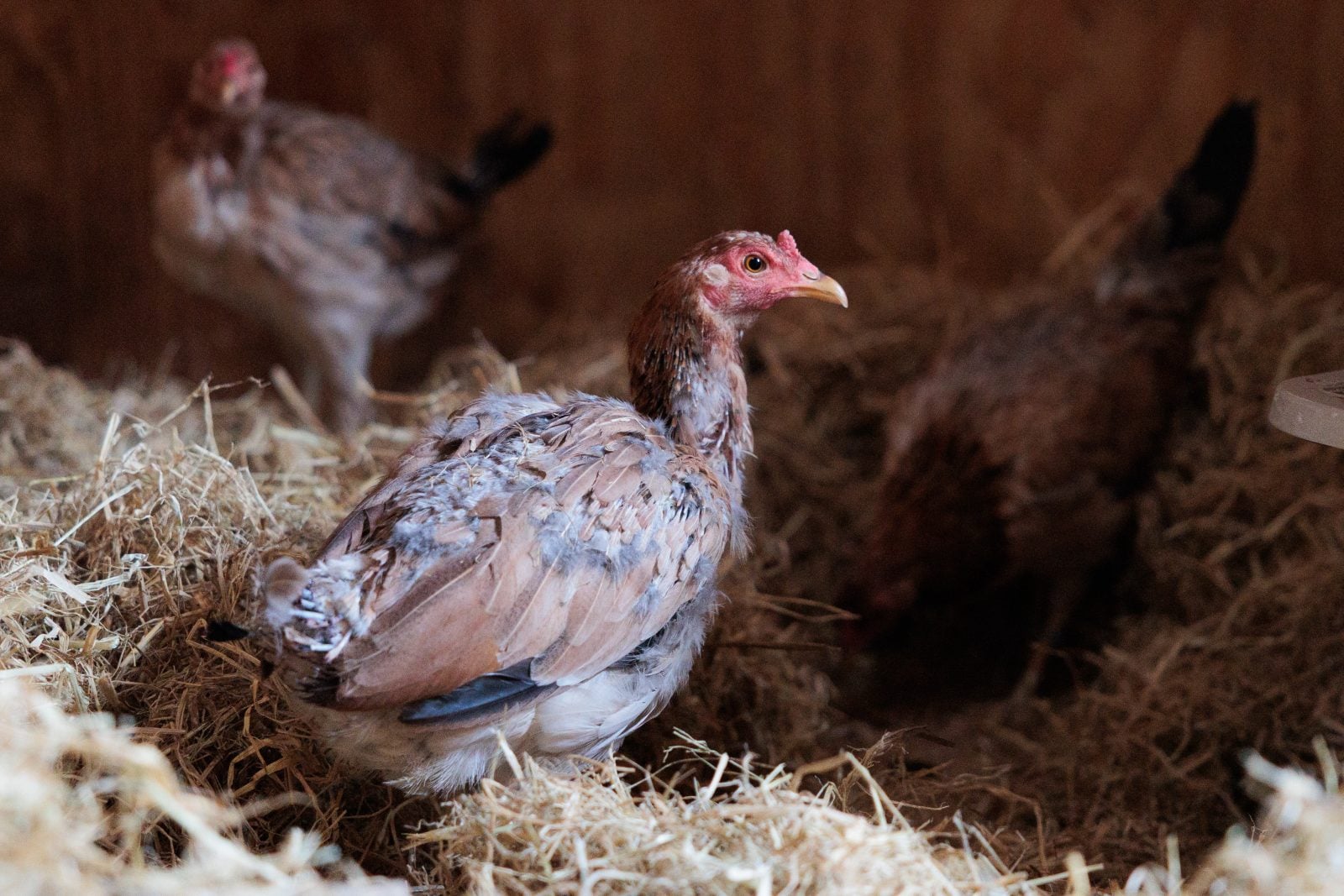
Beyond the immediate relief of being fed and hydrated, the transition to sanctuary life has marked a significant turning point in their recovery. Caregivers report that all three have shown remarkable progress in regaining their health. Photographic documentation provided by the sanctuary shows the dramatic improvement in their feather condition and overall vitality, providing a visual testament to the power of compassion.
The Broader Implications: Commodities vs. Sentient Beings
The abandonment of these three chickens is not an isolated incident; rather, it is a byproduct of an industrial system that views animals as mere units of production. In the eyes of many large-scale agricultural operations, when an animal is no longer "profitable"—whether due to age, declining egg production, or minor health issues—they are frequently treated as waste.
The Commodity Mindset
In the animal agriculture industry, the standard approach to "spent" hens is to view them as disposable assets. This commodification strips animals of their individuality and ignores their capacity for social connection, complex communication, and emotional experience. By dumping these birds, the previous owners effectively relegated them to the same status as broken household appliances or bags of household waste.
The Sanctuary Philosophy
Farm Sanctuary operates on a fundamentally different premise: that every individual, regardless of their species or utility to human industry, has an inherent right to life and dignity. At the Acton facility, Ravenna, Blossom, and Soledad are not being measured by their output. They are recognized as individuals with unique personalities and specific needs. This shift in perspective—from "commodity" to "companion"—is the core mission of the sanctuary movement.
Understanding the "Smart" Bird: Why Chickens Matter
The rescue of these three birds provides a timely opportunity to examine the complex, often misunderstood nature of chickens. Scientific inquiry over the last decade has fundamentally altered our understanding of avian cognition.
Emotional Intelligence and Social Structure
Research has shown that chickens are highly social creatures with sophisticated communication systems. They use a variety of vocalizations to warn of predators, signal the presence of food, and coordinate group movements. Perhaps most impressively, chickens have been observed to "catch" the feelings of their peers—a phenomenon known as emotional contagion. When a chicken experiences distress, those around them often mirror that state, suggesting a level of empathy previously thought to be exclusive to mammals.
Anticipation and Cognitive Ability
Chickens are capable of object permanence and can anticipate future events. Experiments have demonstrated that they can learn complex tasks, navigate mazes, and remember the faces of individuals—both human and avian—for extended periods. By acknowledging these cognitive abilities, society is increasingly forced to reckon with the moral weight of how we treat these animals in our food systems.
The Ongoing Healing Process
While Ravenna, Blossom, and Soledad are safe, the journey of healing is ongoing. The neglect they suffered—likely characterized by confinement, poor nutrition, and a lack of veterinary attention—leaves lasting scars.
"I felt so lucky to be able to save them," Flannagan said, reflecting on the rescue.
The birds are currently receiving specialized care for feather loss and nutritional deficiencies. The sanctuary’s staff is dedicated to ensuring that their physical recovery is matched by a psychological one. In the coming months, the trio will continue to integrate into the sanctuary’s social groups, learning to live as they were meant to: roaming, foraging, and forming bonds without the looming threat of industrial disposal.
A Call to Awareness
The story of Ravenna, Blossom, and Soledad is a microcosm of a larger societal issue. As consumers, every purchase made at a grocery store carries with it a silent endorsement of the treatment of farm animals. By choosing to support plant-based alternatives or simply becoming more informed about the realities of modern farming, the public can help reduce the demand for systems that prioritize profit over the welfare of living, breathing individuals.
The work at Farm Sanctuary is not just about the rescue of individual birds; it is about challenging the status quo. It is a reminder that every animal deserves a life free from the fear of being "discarded."
For those interested in learning more about the cognitive lives of chickens or supporting the ongoing care of survivors like Ravenna, Blossom, and Soledad, resources are available through the Farm Sanctuary educational portal. The plight of these three chickens began in a pile of trash, but it ends in the safety of a sanctuary—a shift that represents the very best of human potential: the capacity to choose mercy over convenience.
As we move toward a future where agricultural practices are increasingly scrutinized, stories like this one serve as a lighthouse. They remind us that the individuals we often overlook are, in fact, complex, emotional beings who deserve our protection and respect. The "Soledad trio" is finally home, and in their newfound freedom, they stand as silent, feathered ambassadors for all those who remain trapped in the systems that once cast them away.