

 Suro Senen
 Nila Kartika Wati
 Asro
Asro
 Layla Zulfa
 Evan Lee Salim
 Siti Muinah
By Joe Whitworth
Published: October 15, 2026
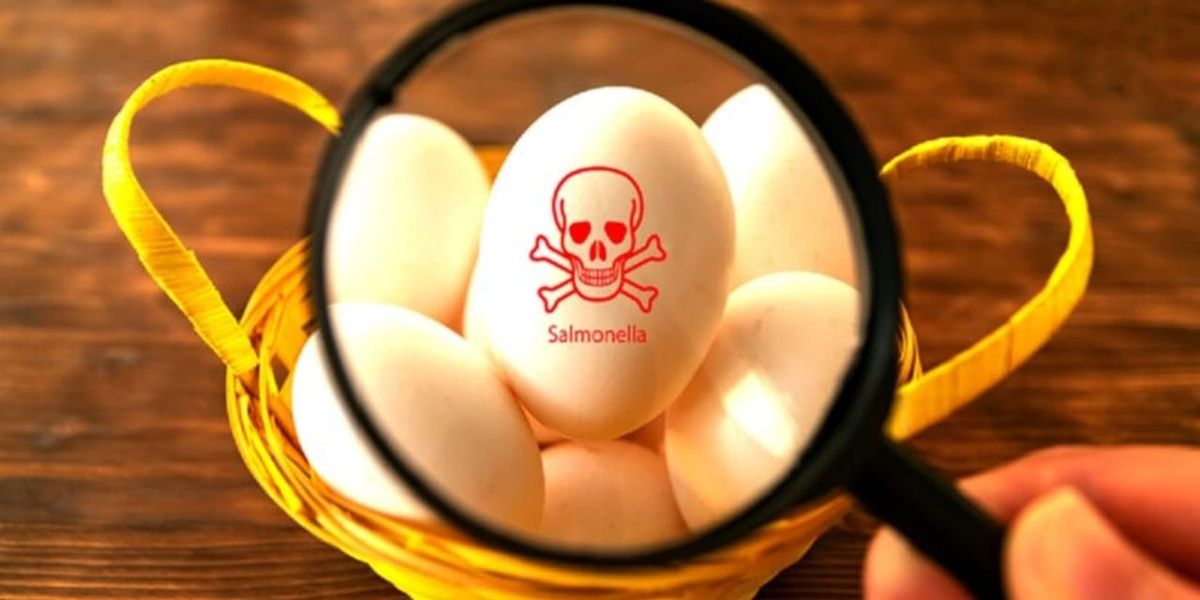
A mounting food safety crisis in Spain has ignited a fierce debate over corporate and government transparency after a Salmonella Enteritidis outbreak was traced back to domestically produced eggs. As authorities scramble to contain the pathogen, public health advocates and consumer protection groups are demanding full disclosure regarding the brands and distribution channels involved, citing a critical lack of information that leaves the public vulnerable to infection.
The outbreak, which has officially sickened at least 13 people, has sent ripples beyond Spanish borders, with reports indicating that the contaminated products may have reached consumers in France and Portugal. Despite the cross-border nature of the threat, the Spanish Agency for Food Safety and Nutrition (AESAN) has yet to release a comprehensive list of affected brands, specific batch numbers, or a detailed map of the distribution network.
The Current Crisis: A Lack of Vital Information
The Organization of Consumers and Users (OCU) has taken a lead role in criticizing the current handling of the situation. In a formal appeal to AESAN, the OCU emphasized that the current "information vacuum" is unacceptable. While the agency has likely initiated a withdrawal of the contaminated batches from retail shelves, the lack of public notification—and the absence of any formal alert on the AESAN website—prevents consumers from identifying whether they have already purchased the tainted goods.
"Transparency is not merely a courtesy; it is the cornerstone of public health," a representative for the OCU noted. "Without knowing which brands are affected, we are asking the public to play a game of roulette with their own health. If a recall has been initiated, the public deserves to know exactly what to look for in their refrigerators."
The urgency of this situation is underscored by the nature of Salmonella, a bacteria that is often invisible to the naked eye. Contaminated eggs do not carry a distinct odor, nor do they appear spoiled or altered in taste, making it impossible for the average consumer to detect the pathogen without laboratory testing.
Chronology of the Outbreak and International Reach
While the primary cluster of 13 cases has been localized to Spain, the Rapid Alert System for Food and Feed (RASFF) has confirmed that the reach of these contaminated eggs extends into the European Union’s broader food supply chain.
The incident is notably reminiscent of, and potentially linked to, a recent outbreak in Murcia, where a restaurant was shuttered by health inspectors after 13 diners fell ill. While investigators are currently determining if the restaurant outbreak and the wider egg contamination are directly linked, the proximity of the two events has heightened public anxiety.
The timeline of the current outbreak remains fluid, with health authorities working to establish a definitive "patient zero" and the specific point of origin within the poultry supply chain. As of October 15, 2026, the absence of an official recall notice on major European food safety portals has drawn criticism from international observers who argue that the European food safety network (RASFF) should be utilized more effectively to warn citizens in France and Portugal about the potential risk.
Supporting Data: The Persistent Threat of Salmonella in Spain
The 2026 outbreak is not an isolated incident; rather, it is part of a statistically significant trend in Spanish food safety. Data from the previous two years indicates that egg-borne illnesses remain a primary driver of foodborne outbreaks in the region.
In 2024 alone, Spain recorded a staggering 250 outbreaks of Salmonella, resulting in 1,894 confirmed cases and 216 hospitalizations. Of those 250 incidents, 131 were directly linked to eggs and egg-based products. These numbers reflect the inherent difficulty of managing a food commodity that is used in almost every household and restaurant across the country.
The high hospitalization rate—nearly 11% in 2024—serves as a grim reminder that Salmonella is not merely a temporary gastrointestinal discomfort. For the elderly, young children, and those with compromised immune systems, the infection can lead to severe dehydration, systemic sepsis, and, in rare instances, mortality.
Official Responses and the Need for Accountability
To date, AESAN’s silence on specific brand names has been interpreted by some as a desire to prevent "panic," but for others, it is a failure of duty. Public health experts argue that when the government withholds information, it inadvertently shifts the burden of safety onto the consumer, who is then forced to avoid an entire food category—eggs—rather than just the specific batches that are known to be contaminated.
The OCU and other health advocates are calling for a three-pronged approach to rectify the situation:
- Immediate Disclosure: Release of all brand names and batch numbers associated with the Salmonella strain identified in the outbreak.
- Retail Accountability: Mandating that supermarkets display clear, physical signage at the point of sale for any recalled product.
- Enhanced Monitoring: A public review of the supply chain inspections that allowed the contaminated eggs to enter the market in the first place.
Implications for Consumer Health
While waiting for official word, the medical community has issued strict guidance for the public. Salmonella infections typically present within 12 to 72 hours of ingestion. Common symptoms include severe abdominal cramping, fever, and diarrhea that can last between four and seven days.
Medical professionals are urging anyone who believes they have consumed potentially contaminated eggs to monitor their symptoms closely. "If you are in a high-risk category—this includes the elderly, pregnant women, and cancer patients—do not wait for symptoms to become severe," says Dr. Elena Martinez, an epidemiologist consulted on food safety protocols. "Seek medical attention immediately if you suspect you have been exposed to Salmonella, as diagnostic testing is essential for proper treatment."

Prevention and Hygiene Protocols
The OCU has reiterated that the primary defense against Salmonella in the home kitchen is heat. Bacteria are effectively neutralized when eggs are cooked to an internal temperature of at least 75 degrees Celsius (167 degrees Fahrenheit).
Key recommendations for the public include:
- Avoid Raw Preparations: Refrain from consuming homemade mayonnaise, hollandaise, or any raw egg mixtures, as these are the most common vehicles for transmission.
- Strict Hygiene: Thoroughly wash hands, utensils, and surfaces that have come into contact with raw eggs.
- Temperature Control: Ensure that cooked egg dishes are kept at appropriate temperatures and not left out at room temperature for extended periods.
A System Under Pressure
The current situation in Spain is a litmus test for the effectiveness of European food safety regulations. As supply chains become increasingly globalized, the ability to trace a pathogen from a single farm to a consumer’s dinner plate is vital. When that chain breaks, or when communication fails, the result is an avoidable public health crisis.
The 2026 Salmonella outbreak serves as a stark reminder that the food safety landscape is constantly shifting. As the investigation continues, the focus will remain on whether Spanish authorities will prioritize the transparency required to protect their citizens or whether the economic interests of the agricultural sector will continue to cloud the flow of critical safety information.
For now, the advice to the public remains one of caution: check the origin of your eggs, ensure they are cooked thoroughly, and stay informed through reliable, independent sources while awaiting official word from the government.
Food Safety News is a nonprofit, reader-funded organization. Our reporting on outbreaks, recalls, and regulatory changes is only possible through the support of our readers. Your tax-free contributions help us hold institutions accountable and ensure that vital information reaches the public.


 Pevita Pearce
 Reynand Wu