

 Ali Ikhwan

 Iffa Jayyana

 Muslim

 Nana

 Dwi Wanna
 Pevita Pearce
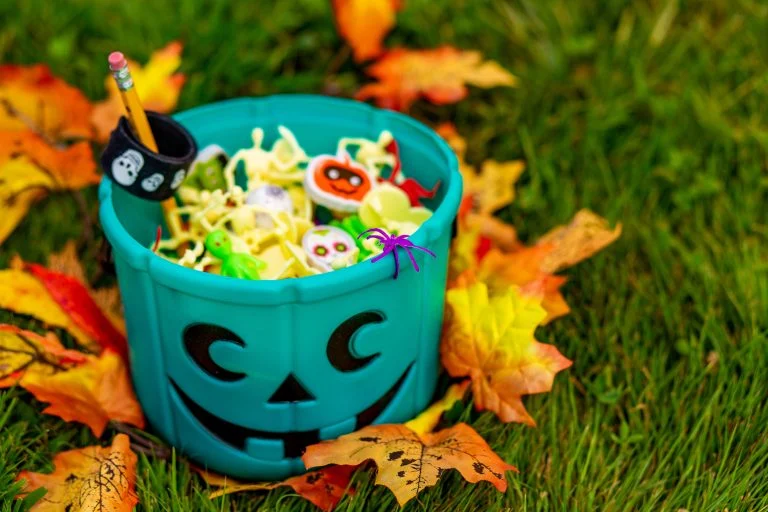
As the autumn leaves turn and the nights grow longer, millions of children across the country prepare for the annual ritual of Halloween. For many, it is a night defined by spooky costumes, neighborhood camaraderie, and the pursuit of sugary treasures. However, for the millions of children living with celiac disease, severe food allergies, and dietary intolerances, the holiday often presents a minefield of health risks and social isolation.
This year, the Celiac Disease Foundation has reaffirmed its commitment to inclusivity by partnering once again with Food Allergy Research & Education (FARE) to promote the Teal Pumpkin Project. This initiative seeks to transform Halloween from a source of anxiety into a celebration that is truly welcoming for every child, regardless of their medical dietary restrictions.
Main Facts: What is the Teal Pumpkin Project?
The Teal Pumpkin Project is a national awareness campaign designed to make trick-or-treating safer for children with life-threatening food allergies and autoimmune conditions like celiac disease. The premise is simple yet transformative: participants place a teal-colored pumpkin on their doorstep to signal that they offer non-food treats—such as glow sticks, stickers, temporary tattoos, or small toys—alongside or instead of traditional candy.
By providing a non-food option, households can ensure that children who cannot consume common ingredients like gluten, dairy, peanuts, or soy are not left out of the Halloween festivities. For a child with celiac disease, whose immune system reacts to even microscopic traces of gluten—a common hidden ingredient in many processed sweets—this initiative removes the fear of cross-contact and the social stigma of being the "different" child who cannot eat what their peers are enjoying.
Chronology: From Grassroots Movement to National Staple
The Teal Pumpkin Project began in 2012 as a local initiative in Tennessee, spearheaded by the Food Allergy Community of East Tennessee (FACET). The concept was born out of a desire to create a safe space for children with food allergies to participate in the holiday without the looming threat of an anaphylactic reaction.
- 2014: FARE took the initiative national, launching a widespread digital campaign to encourage households across the United States to paint a pumpkin teal—the color of food allergy awareness—and register their homes on an interactive map.
- 2016–2020: The movement saw exponential growth as social media helped spread the message. Major retailers began stocking teal-colored pumpkins and non-food party favors, signaling a shift in consumer demand.
- 2024–2025: The Celiac Disease Foundation cemented its partnership with FARE, recognizing that the overlap between the celiac community and the broader food allergy community is significant. The collaboration has focused on integrating gluten-free awareness into the broader "allergy-safe" conversation.
Today, the project has evolved into a staple of the American Halloween experience, with millions of households participating annually.
Supporting Data: The Scope of the Challenge
To understand the necessity of this project, one must look at the prevalence of the conditions it aims to support.
The Prevalence of Celiac Disease
Celiac disease affects approximately 1 in 100 people worldwide. It is a serious autoimmune disorder where the ingestion of gluten leads to damage in the small intestine. Because there is no cure, the only treatment is a strict, lifelong gluten-free diet. According to recent health surveys, pediatric patients often report that social events involving food are the most challenging aspects of living with the disease.
The Allergy Landscape
According to FARE, roughly 33 million Americans—including 1 in 13 children—live with life-threatening food allergies. The economic burden of these conditions is estimated at over $24 billion annually, but the psychological burden is equally profound. A study published in the Journal of Allergy and Clinical Immunology noted that children with food allergies report lower quality of life scores, specifically citing feelings of exclusion during school events and holidays.
The "Gluten Everywhere" Problem
The frustration for many parents is the pervasive nature of gluten in processed confectionaries. Manufacturers frequently change formulas, and many candies are processed on shared equipment with wheat, leading to hidden cross-contact. This makes reading labels on the fly in the dark on a Halloween night nearly impossible, turning a fun neighborhood activity into a high-stakes safety drill.
Official Responses and Expert Perspectives
The partnership between the Celiac Disease Foundation and FARE is built on a shared mission of empowerment.
"We want every child to experience the joy of childhood, and that includes the excitement of Halloween," said a spokesperson for the Celiac Disease Foundation. "When a family puts a teal pumpkin on their porch, they aren’t just handing out a trinket; they are sending a message of kindness and inclusion. They are telling that child, ‘You belong here, and you are safe here.’"
Clinical experts in pediatric nutrition emphasize that the psychological impact of inclusion cannot be overstated. "For a child with celiac disease, constantly having to say ‘no’ to treats can lead to feelings of resentment and alienation," says Dr. Elena Rossi, a pediatric gastroenterologist. "The Teal Pumpkin Project shifts the focus from the restriction of the diet to the joy of the holiday. It turns the focus away from ‘what I can’t have’ to ‘what I can enjoy.’"
Implications: A New Standard for Community Engagement
The rise of the Teal Pumpkin Project has broader implications for how we view community health. It highlights a shift in public consciousness toward more inclusive holiday celebrations.
Changing Retail Behaviors
The commercial sector has responded to this shift in demand. Major retailers now provide "non-food treat" aisles, and candy manufacturers are increasingly labeling their products with "gluten-free" certifications. This market pressure is a direct result of increased consumer awareness—much of which can be traced back to the advocacy work of organizations like the Celiac Disease Foundation.
Redefining the Trick-or-Treat Experience
The project encourages a move toward "sensory-friendly" and "allergy-inclusive" trick-or-treating. While candy remains a primary focus, the realization that small, inexpensive toys can provide just as much excitement—without the risk of a medical emergency—is changing the way parents prepare for the night.
Empowerment through Education
Education is the cornerstone of the movement. By providing resources like the Gluten-Free Halloween Candy List, the Celiac Disease Foundation ensures that even when parents do choose to hand out candy, they are making informed, safe choices. This dual-track approach—offering non-food alternatives while simultaneously educating on safe candy—is the most effective way to manage the risk.
How to Participate: A Call to Action
Participation in the Teal Pumpkin Project is accessible to everyone. Here is how you can get involved:
- Paint or Buy a Teal Pumpkin: Place it on your doorstep to alert neighbors and trick-or-treaters that you have non-food options.
- Stock Non-Food Treats: Purchase items like glow sticks, stickers, spider rings, bubbles, or pencils.
- Spread the Word: Download awareness flyers from the FARE or Celiac Disease Foundation websites and share them with your local community association or school.
- Stay Informed: Keep a copy of the Gluten-Free Halloween Candy List handy. Even if you aren’t offering non-food items, ensuring your candy selection is safe for celiac children is a heroic act of kindness.
As we look toward this Halloween, the goal is not to eliminate candy, but to ensure that the fear of a reaction does not dampen the spirit of the night. By working together, we can ensure that every child—no matter their medical journey—can enjoy the magic of October 31st.
For those interested in learning more, the Celiac Disease Foundation’s official website and FARE’s resource center offer comprehensive guides on navigating the holiday season safely. Let this year be the most inclusive Halloween yet, one teal pumpkin at a time.

 Nana Muazin

 Evan Lee Salim

