 Dwi Wanna
 Nana Wu
 Muslim
 Reynand Wu
 Ammar Sabilarrohman
 Ali Ikhwan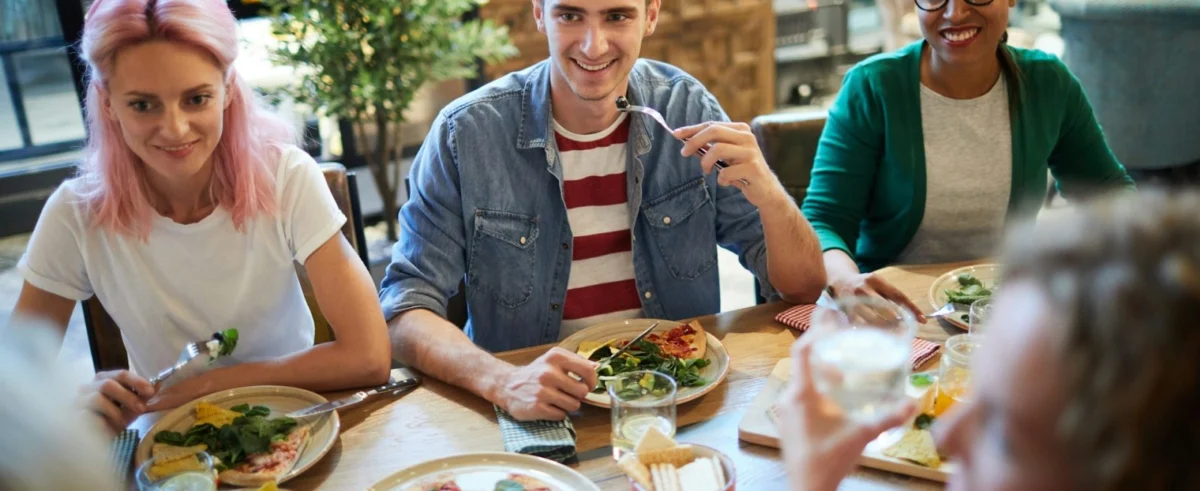
The modern restaurant landscape is no longer defined by a simple linear path from hunger to consumption. According to the recently released 17th Food & Beverage Trend Report from quench, a leading food and beverage marketing agency, the industry has entered an era of unprecedented complexity. Restaurant operators are now tasked with navigating a "fluid" consumer journey where potential guests move seamlessly between digital platforms and physical storefronts, often multiple times before a single transaction occurs.
The report emphasizes that a "one-size-fits-all" marketing strategy is effectively dead. To thrive, brands must develop a granular understanding of the consumer’s psychological state at every touchpoint—from the initial spark of discovery on social media to the final confirmation of a loyalty reward in a mobile app.
Main Facts: The End of the Linear Path
The core finding of the quench report is the total fragmentation of the consumer journey. In previous decades, the path to purchase was relatively predictable: a consumer saw a television advertisement or a billboard, felt hungry, and visited a restaurant. Today, that path has been replaced by a web of interactions.
Lisa Corry-Godby, Group Strategy and Communications Director for Vigor (quench’s sister agency focused on restaurant and hospitality brands), notes that the "winning" brands of 2025 and beyond will be those that master "contextual relevance." This involves delivering the right message, in the right place, at the exact moment a consumer is ready to receive it.
Key highlights from the report include:
- Platform Fluidity: Consumers are "bouncing" between third-party delivery apps (like DoorDash and UberEats), social media platforms (TikTok and Instagram), official brand websites, and physical locations.
- Mindset Mapping: The report identifies a shift from tracking demographics to tracking mindsets. A consumer’s needs differ vastly depending on whether they are in "utility mode" (ordering a quick lunch) or "experience mode" (planning a celebratory dinner).
- The Return of Communal Dining: A standout trend titled "Pass the Plate" highlights a resurgence in family-style dining, reflecting a cultural desire for connection following years of digital isolation.
- Fragmented Conversion: Conversion—the act of making a purchase—is no longer tied to a single channel. A consumer may discover a dish on TikTok, research the price on a website, and eventually order via a loyalty app for in-person pickup.
Chronology: The Evolution of the Dining Experience
To understand the current state of fragmentation, it is necessary to look at how the restaurant-consumer relationship has evolved over the last fifteen years.
2010–2015: The Digital Awakening
During this period, the "digital" aspect of dining was largely limited to static websites and the early days of Yelp. Reviews became the primary driver of discovery. For operators, the goal was simple: maintain a high star rating and have an online menu.
2016–2019: The Rise of the Aggregators
The mid-2010s saw the explosion of third-party delivery services. This introduced the first major fracture in the consumer journey. Suddenly, the restaurant lost control over the "last mile" of the experience. The relationship shifted from the dining room to the smartphone screen, making convenience the primary driver of loyalty.
2020–2022: The Pandemic Pivot
The COVID-19 pandemic accelerated digital adoption by a decade in just two years. QR codes, contactless pickup, and ghost kitchens became the norm. Consumers became accustomed to a "digital-first" lifestyle, but they also began to experience "app fatigue," leading to the current state of fluidity.
2023–Present: The Era of Fluidity
We are currently in a phase where digital and physical worlds have merged. Consumers do not see "online" and "offline" as separate entities. They expect their loyalty points from an app to be recognized instantly at the counter, and they expect the vibe they see on Instagram to be perfectly replicated when they walk through the door.
Supporting Data: Mapping the Modern Touchpoints
The quench report is backed by data suggesting that the average consumer interacts with a brand between five and nine times before making a high-value dining decision. This fragmentation is driven by several key factors:
The Influence of Social Discovery
Data indicates that over 50% of Millennials and Gen Z users have visited a restaurant specifically because they saw it on social media. However, the report clarifies that "discovery" does not equal "conversion." A viral TikTok video might put a brand on a consumer’s radar, but the lack of a seamless "Order Now" button or a confusing website can lead to immediate abandonment.
The Loyalty Loop
Loyalty programs have become the "glue" holding the fragmented journey together. According to industry benchmarks, members of restaurant loyalty programs spend an average of 20% more than non-members. The quench report highlights that the most successful brands are using loyalty data to predict when a consumer is about to enter a purchase mindset, sending push notifications with personalized offers just as the "hunger window" opens.
"Pass the Plate" and the Economics of Sharing
The "Pass the Plate" trend is supported by a shift in consumer spending. With inflation impacting the cost of dining out, family-style or communal dining provides a perceived value. Shared plates allow consumers to sample a wider variety of the menu at a lower per-person cost. Furthermore, data shows that communal dining experiences lead to longer "dwell times" in restaurants, which correlates with higher alcohol sales and increased overall check averages.
Official Responses: Insights from Industry Leaders
The report’s findings have prompted a call to action from strategy experts within the Vigor and quench ecosystem.
Lisa Corry-Godby emphasizes the importance of the "moment." "People are bouncing between social media, delivery apps, websites, loyalty programs, and physical locations all within the same purchase journey," she stated. "The brands that win will be the ones that show up with the right message, in the right place, at the right moment, whether that’s driving discovery, prompting conversion or reinforcing loyalty."
Corry-Godby further explains that restaurant operators must stop thinking of their marketing as a series of silos. "You cannot have a social media team that doesn’t talk to the operations team. If the social media team is promoting a communal ‘Pass the Plate’ experience, but the physical restaurant is set up for solo diners and quick-service turnover, the brand promise is broken. Consistency across the fragmented journey is the new gold standard."
Strategy directors at Vigor also suggest that "mindset" is the new "demographic." Instead of targeting "moms aged 30-45," brands should target the "time-crunched parent mindset" at 4:00 PM on a Tuesday with a quick-dinner solution, while targeting the "social-celebratory mindset" for that same individual on a Saturday night.
Implications for Restaurant Operators
The 17th Food & Beverage Trend Report serves as a roadmap for an industry in transition. The implications for operators are profound and require a shift in both technology and philosophy.
1. The Necessity of a "Phygital" Strategy
Operators must bridge the gap between the physical and digital (phygital) worlds. This means ensuring that the ease of a delivery app is mirrored in the physical restaurant. For example, implementing "geofencing" technology that alerts the kitchen when a mobile-order customer is within 500 feet can ensure food is fresh exactly when the guest arrives, blending digital convenience with physical quality.
2. Operationalizing Community
The "Pass the Plate" trend isn’t just a marketing gimmick; it’s an operational mandate. To capitalize on the desire for communal dining, restaurants may need to redesign floor plans to accommodate larger groups or train staff in the art of "shared service," where the pacing of dishes is managed differently than traditional coursed dining.
3. Data-Driven Personalization
In a fragmented journey, data is the only way to keep track of the consumer. Operators must invest in robust CRM (Customer Relationship Management) systems that aggregate data from all touchpoints. If a customer frequently interacts with a brand on Instagram but only orders via a third-party app once a month, the brand has an opportunity to "pull" that customer into their own first-party loyalty program with a targeted, personalized incentive.
4. Content as the New Storefront
Because discovery often happens on social media, the "digital storefront" (Instagram/TikTok/Google Maps) is now as important as the physical one. Operators must ensure their digital presence is not just aesthetic but functional. Every piece of content should have a clear path to the next stage of the journey—whether that is a link to a reservation platform or a "View Menu" button.
5. Managing the "Vibe" Shift
As consumers move fluidly between mindsets, restaurants must be able to adapt their atmosphere. A location that serves as a quiet workspace for remote workers in the morning must be able to transition into a communal, high-energy "Pass the Plate" environment in the evening. This requires sophisticated control over lighting, acoustics, and service styles.
Conclusion
The findings from quench’s 17th Food & Beverage Trend Report highlight a fundamental truth: the power has shifted entirely to the consumer. In a world of infinite choice and fragmented attention, restaurant operators can no longer wait for guests to come to them. They must meet the guests where they are, in the mindset they are in, with a message that resonates.
Whether it is through the warmth of a shared family-style meal or the precision of a perfectly timed loyalty notification, the future of the restaurant industry lies in the ability to weave these fragmented threads into a single, seamless brand experience. As the report concludes, the brands that master this fluidity will not just survive the current market shifts—they will define the next era of hospitality.

 Suro Senen
 Pevita Pearce