

 Nana Wu

 Dwi Wanna

 Suro Senen

 Evan Lee Salim

As India’s travel sector navigates a complex macroeconomic landscape, MakeMyTrip—the nation’s undisputed leader in online travel—is quietly orchestrating a structural shift in its business model. While the company maintains its dominance in air ticketing, it is increasingly leveraging its massive user base to funnel traffic into higher-margin, high-growth segments: hotels, bus services, and cab rentals.
In its latest fiscal report for the September quarter, MakeMyTrip signaled that the future of its growth lies not in the skies, but on the ground. By pivoting toward a more diversified portfolio, the company is insulating itself from the volatility currently plaguing the Indian domestic aviation market.
Main Facts: A Robust Quarter Amidst Market Turbulence
MakeMyTrip’s fiscal second-quarter performance offers a study in resilience. The company reported gross bookings of $2.7 billion, representing a 21% year-over-year increase on a constant-currency basis. Perhaps more impressively, the firm achieved an adjusted operating profit of $46.2 million, underscoring the efficiency of its current operational scale.
The most telling statistic from the quarter, however, is the shifting composition of the company’s revenue streams. Non-air businesses—which encompass hotels, homestays, bus tickets, and inter-city cabs—now account for 63.2% of total gross bookings, up from 61.5% in the same period last year. This transition is intentional. As domestic air travel faces a period of sluggish demand and inflated pricing, MakeMyTrip is effectively de-risking its bottom line by deepening its penetration into the "accommodation and ground transport" ecosystem.
Chronology: The Evolution of a Travel Giant
To understand why MakeMyTrip is pivoting now, one must examine the trajectory of the post-pandemic travel boom in India.
The Post-COVID Rebound (2022–2023)
Following the lifting of travel restrictions, India saw an unprecedented surge in air travel. MakeMyTrip, capitalizing on this, solidified its position as the primary gateway for millions of first-time fliers. During this period, air ticketing was the undisputed engine of growth, driving customer acquisition and market share.
The "Aviation Soft Spot" (Mid-2024)
By the first quarter of the current fiscal year, signs of fatigue began to appear in the aviation sector. High ticket prices, coupled with capacity constraints, began to suppress demand. The trend intensified in the second quarter. According to data provided by the company, domestic air departures in India contracted by 7%, while international departures dipped by 4%.
The Strategic Re-Alignment (Current Period)
Recognizing that air travel could no longer be the sole driver of double-digit growth, leadership shifted focus. The company accelerated its investment in the "Hotels and Packages" segment, which now constitutes approximately 40% of its total business. This strategy has been supported by a 20% growth in domestic room nights—a clear indicator that while Indians may be flying less, they are traveling more domestically and seeking higher-quality accommodation experiences.
Supporting Data: The Numbers Behind the Strategy
The financial health of MakeMyTrip is underscored by several key performance indicators that highlight the company’s ability to extract value from its diverse portfolio:
- Gross Bookings Growth: 21% YoY increase (constant currency).
- Operating Profitability: $46.2 million in adjusted operating profit, reflecting disciplined cost management.
- Market Share: Despite a contraction in overall demand, MakeMyTrip retains more than 30% of the domestic air-ticketing market, acting as a "cash cow" that funds expansion into other verticals.
- Segment Diversification:
- Non-Air Revenue: 63.2% of total mix.
- Hotels & Packages: 40% of total revenue.
- Domestic Room Night Growth: >20% increase.
The data reveals a critical insight: MakeMyTrip is successfully transitioning from an "airline booking platform" to a "comprehensive travel super-app." The increase in hotel bookings, particularly in the domestic segment, suggests that the company is successfully capturing the growing trend of "staycations" and regional tourism, which are less sensitive to the price hikes that currently plague the aviation sector.
Official Responses and Executive Vision
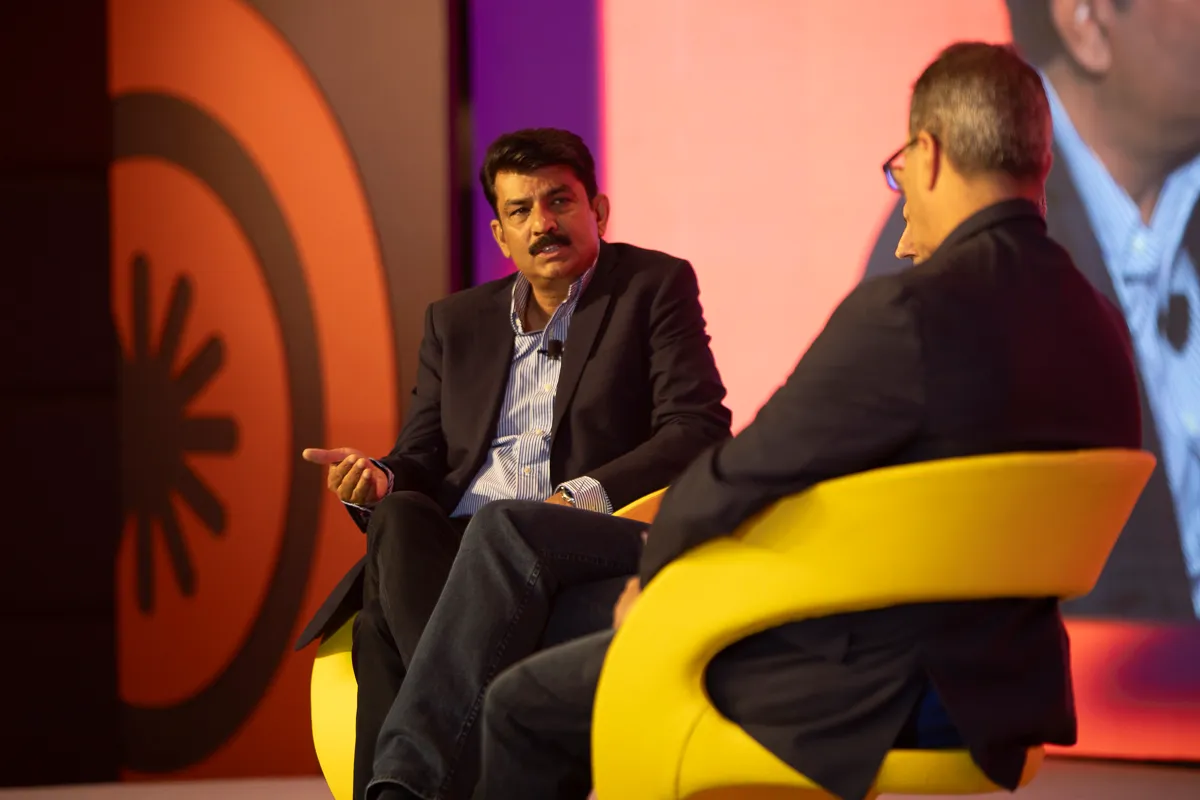
Speaking at the Skift India Summit, MakeMyTrip Group CEO Rajesh Magow emphasized that the company’s resilience is rooted in its ability to adapt to changing consumer behaviors.
"We are constantly analyzing where the friction lies in the traveler’s journey," Magow noted. "While air travel remains a core pillar of our identity, we recognize that our long-term value creation lies in the segments where we can offer a more holistic experience. Our investments in hotels, buses, and cabs are designed to capture the traveler throughout their entire lifecycle—from the moment they decide to take a trip until they return home."
Magow’s perspective highlights a shift in corporate philosophy. Rather than chasing volume in the low-margin air ticketing business, the company is prioritizing higher-margin categories where it can leverage its brand trust to facilitate more complex, high-value transactions. The leadership team remains bullish on the long-term potential of the Indian travel market, noting that as infrastructure improves—through new airports and improved road connectivity—the demand for inter-city bus and cab services will only rise.
Implications: What This Means for the Industry
The pivot by India’s largest OTA carries significant implications for the broader travel and hospitality ecosystem.
1. The Death of the "Air-Only" OTA
The era of the "single-vertical" online travel agency is effectively over. For competitors, MakeMyTrip’s success serves as a blueprint: if you want to survive the volatility of aviation, you must own the destination experience. This will likely trigger a wave of M&A activity, as smaller players attempt to build out their own hotel and ground-transport inventory to remain competitive.
2. Upward Pressure on Hotel Chains
With MakeMyTrip aggressively pushing its hotel inventory, hotel chains and boutique properties are seeing increased visibility. However, this also grants MakeMyTrip significant leverage in negotiations regarding commissions and inventory prioritization. The company’s ability to drive over 20% growth in domestic room nights makes it an indispensable partner for Indian hospitality providers.
3. The Future of Ground Transport
The focus on buses and cabs is perhaps the most forward-looking aspect of the strategy. As India’s Tier-2 and Tier-3 cities become more connected, the demand for organized, bookable bus and cab services is skyrocketing. By standardizing these fragmented markets, MakeMyTrip is essentially digitizing the "last mile" of Indian travel, creating a defensive moat that international competitors will find difficult to breach.
4. Consumer Sentiment and Pricing
The rise in airfares (up 25%–30%) combined with lower demand creates a fragile equilibrium. If MakeMyTrip continues to steer customers toward alternatives like luxury bus travel or regional staycations, it may inadvertently contribute to a shift in how Indians perceive travel costs. If consumers find that they can have a comparable leisure experience by driving or taking a premium bus rather than flying, the aviation sector may face a longer recovery period than anticipated.
Conclusion: A Balanced Future
MakeMyTrip’s latest quarterly performance is a testament to the power of diversification. By effectively balancing a dominant air-ticketing business with a high-growth hotel and ground-transport division, the company has insulated itself from the current malaise in the aviation industry.
As India continues its path toward becoming a top-three global economy, the travel sector will remain a primary beneficiary. However, the winners in this space will not be those who simply sell seats; they will be the platforms that curate, manage, and optimize the entire travel experience. MakeMyTrip, with its current strategy, is clearly positioning itself to be that platform.
Whether the current aviation "soft spot" is a temporary dip or a long-term recalibration, MakeMyTrip appears ready. The data is clear: the company is no longer just selling a flight—it is selling a journey. And in a country as vast and complex as India, that is a business model with a very long runway.

 Ammar Sabilarrohman
 Reynand Wu

