

 Azzam Bilal Chamdy
 Neng Nana
 Nana Muazin
 Dwi Wanna
 Raul Delapena Setiawan
 Jia Lissa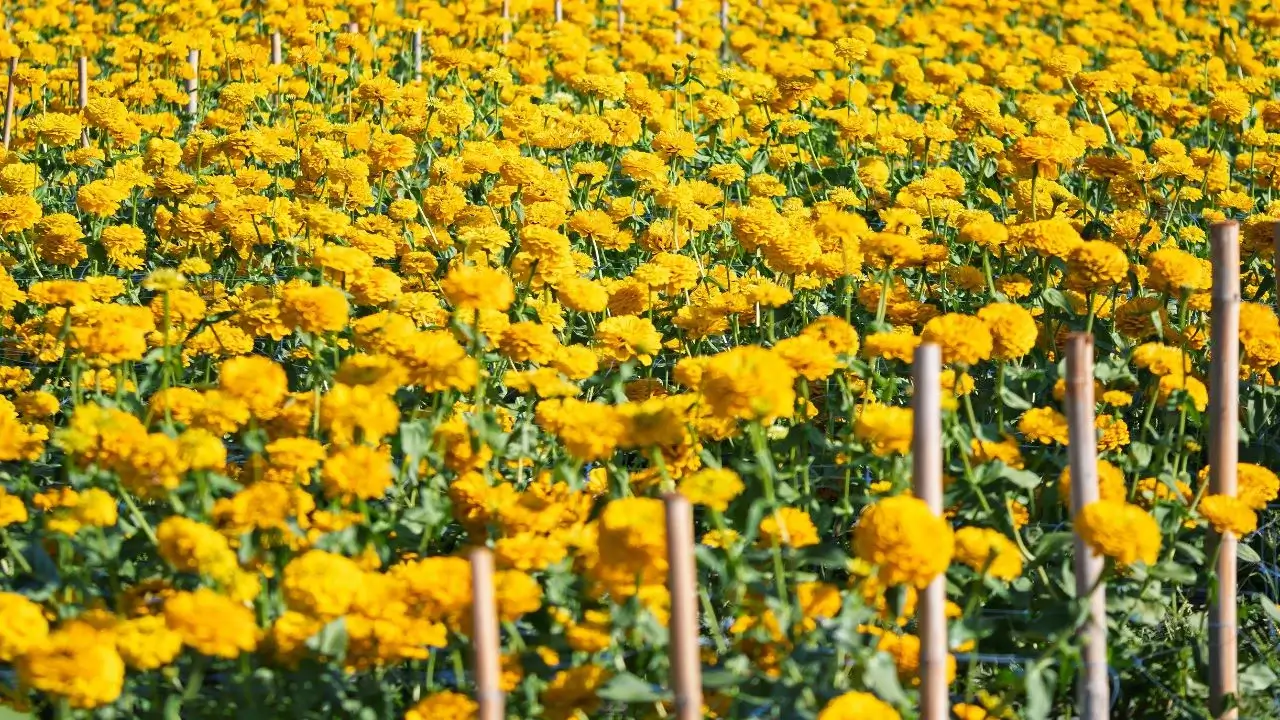
As the frost begins to retreat across the North American landscape, April emerges as the most critical month for the agricultural calendar. For market farmers and home gardeners alike, this transition period dictates the success of the entire growing season. Whether a farm’s objective is maximizing market revenue or ensuring food security for a family, the strategy employed in April serves as the foundation for the harvest to come.
The core challenge for any grower during this month is twofold: identifying the physiological needs of specific crops and accurately gauging the microclimate of the local region. A successful April regimen is not merely about planting; it is a calculated decision-making process involving soil temperature, the date of the last frost, and the specific growth habits of individual varieties.
The Strategic Framework: Timing and Climate
The fundamental principle of April seed starting is rooted in the "last frost date." This date—the average day in spring when the risk of a killing frost passes—acts as the anchor for all planting schedules.
In warmer regions, the agricultural rhythm is already advanced; tomatoes and peppers may already be established in the field, with the first sets of fruit forming. Conversely, in northern latitudes or high-elevation zones, the focus remains on cool-season crops and frost-tolerant varieties. Understanding where a specific region sits on this spectrum is the difference between a thriving crop and one lost to an unexpected cold snap.
The Science of Direct Sowing
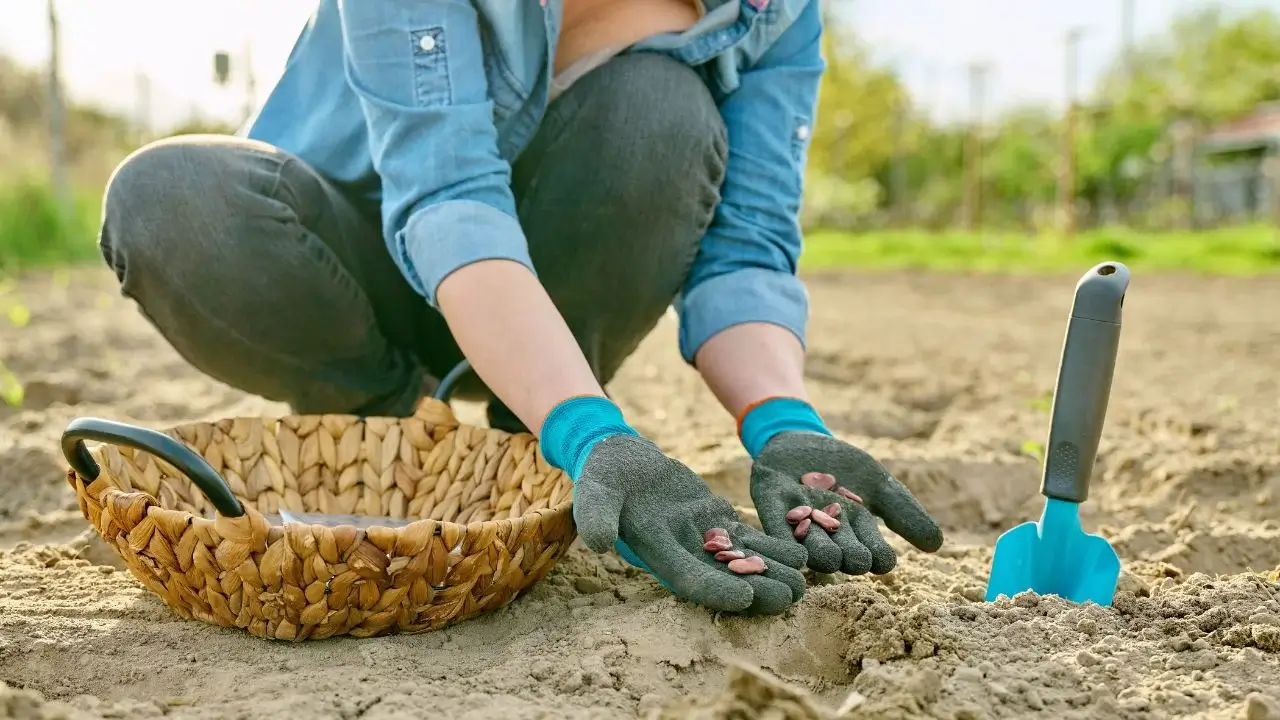
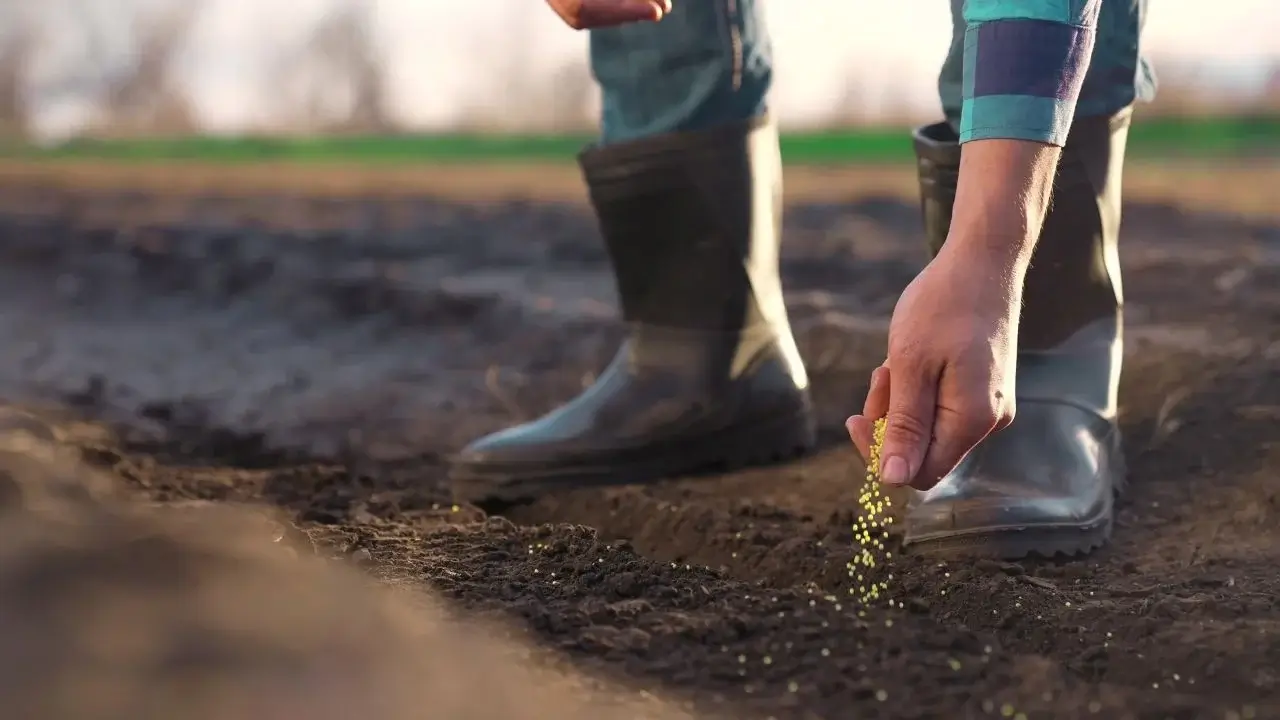
Direct sowing—placing seeds directly into the permanent growing space—is the preferred method for plants that possess fragile root systems. Many legumes and root vegetables are notoriously sensitive to transplant shock. When these plants are started in trays and moved, the disturbance to the delicate root hairs can cause stunted growth, delayed maturation, or outright failure to thrive. By sowing directly into the soil, the root system develops in situ, creating a stronger, more resilient plant from the outset.
The Benefits of Indoor Starting
Indoor starting is a tactical advantage for the modern grower. It allows for precise control over germination conditions, including soil temperature, humidity, and light exposure. By starting seeds indoors, farmers can extend the growing season, effectively "banking" time. When the weather outside finally reaches the optimal threshold for growth, the transplant is already a robust, established seedling, ready to hit the ground running.
What to Direct Sow: A Field Guide for April
The following crops are prime candidates for direct sowing during the April window, provided the soil has reached the minimum required temperature.
1. The Legume Family: Peas
Peas are the quintessential April crop. They thrive in the cooling soil of early spring and possess a hardiness that allows them to withstand the occasional late-season frost.
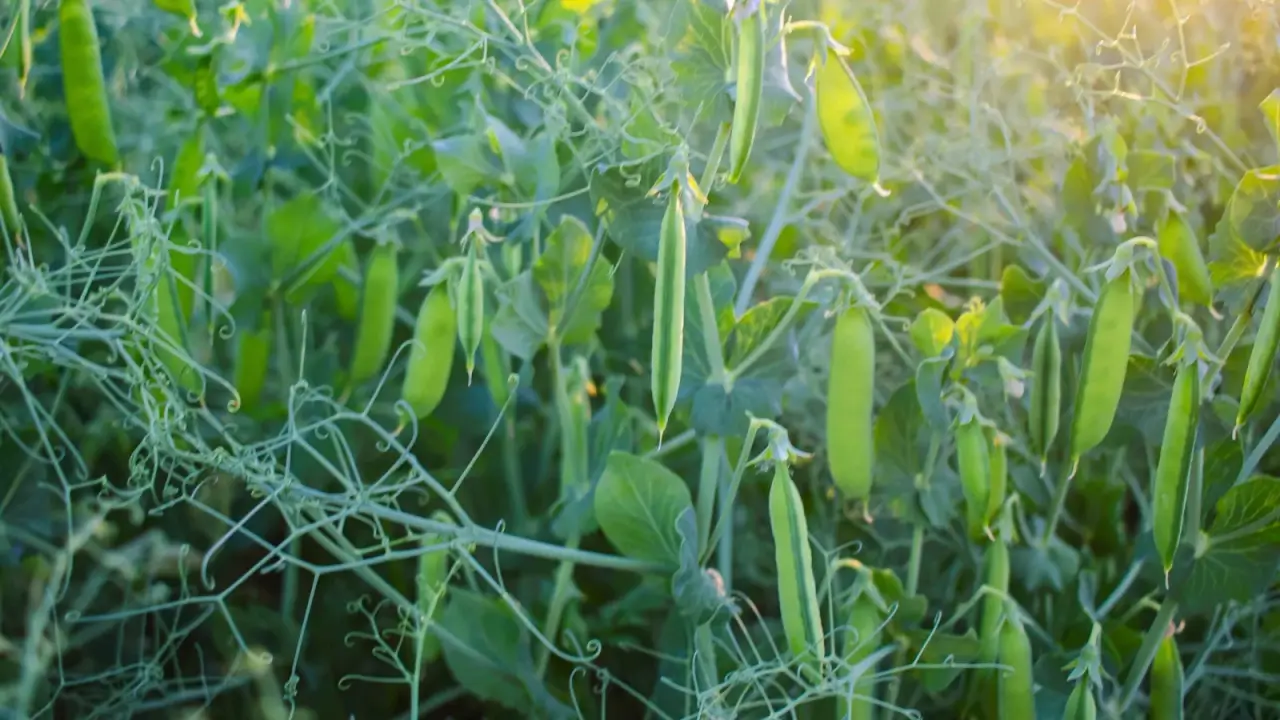
- Best Practices: For optimal germination, soak pea seeds in water overnight. This softens the outer coat and signals to the seed that moisture is abundant.
- Spacing: Sow seeds one to two inches apart.
- Varieties: While snow peas are highly cold-tolerant and can be sown as soon as the soil hits 40°F (4°C), snap peas also perform exceptionally well during this period. Regardless of the type, most require trellising or netting for vertical support.
2. Root Vegetables: Radishes
Radishes are the "sprinters" of the garden. They are ideal for direct sowing because they require minimal space and can be harvested in as little as 30 days.
- Cold Tolerance: Radishes are remarkably resilient to soil that is still cold from the winter thaw.
- Succession Planting: Because they mature so quickly, many farmers use radishes to fill space between larger, slower-growing crops.
- Selection: In regions where the heat of summer arrives early, opt for fast-maturing varieties like ‘French Breakfast’ or ‘Cherry Belle.’ If you are in a climate where cold lingers, ‘Black Spanish’ or long daikon varieties are superior choices.
3. Leafy Greens: Spinach
Spinach is a cool-weather champion. The leaves of this nutrient-dense green actually benefit from a light frost, which can convert starches into sugars, resulting in a sweeter, more flavorful harvest.
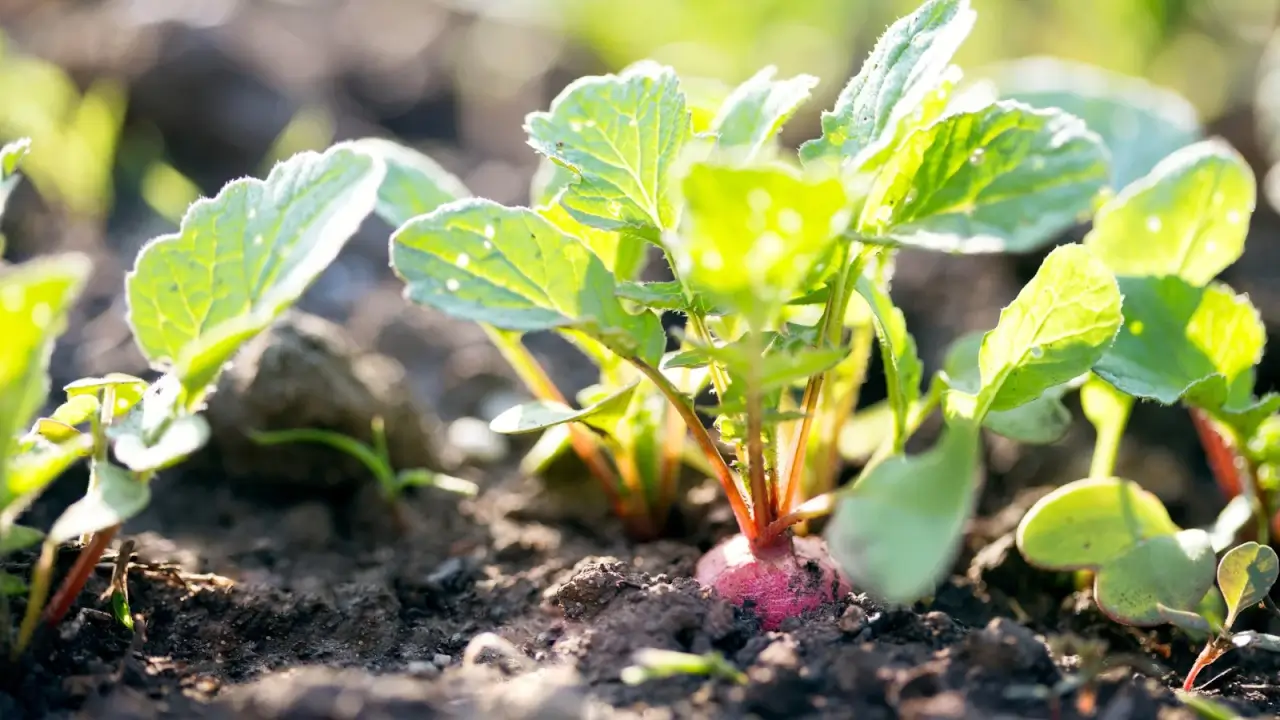
- Planting Density: Densely scatter seeds in rows or beds. This creates a canopy that protects the soil and inhibits weed growth.
- Variety Selection: For colder regions, the ‘Matador’ variety offers broad, hardy leaves. For those seeking a classic texture, Savoy types like ‘Bloomsdale’ are legendary for their ability to withstand erratic spring weather.
4. Beans (Post-Frost)
While many beans are sensitive to cold, they are excellent candidates for direct sowing once the threat of frost has completely vanished.
- The Growth Factor: Standard shelling and climbing beans require roughly two months to reach maturity. If your region has a short window of frost-free days, these should be prioritized.
- Heat Tolerance: Cowpeas and hull peas can take up to three months to mature but thrive in the heat of summer. They are a reliable safety net for farmers in warmer climates.
Indoor Starting: Strategic Advantages for Growth
When outdoor conditions remain hostile, indoor starting is not just a preference—it is a necessity for achieving a full-season harvest.
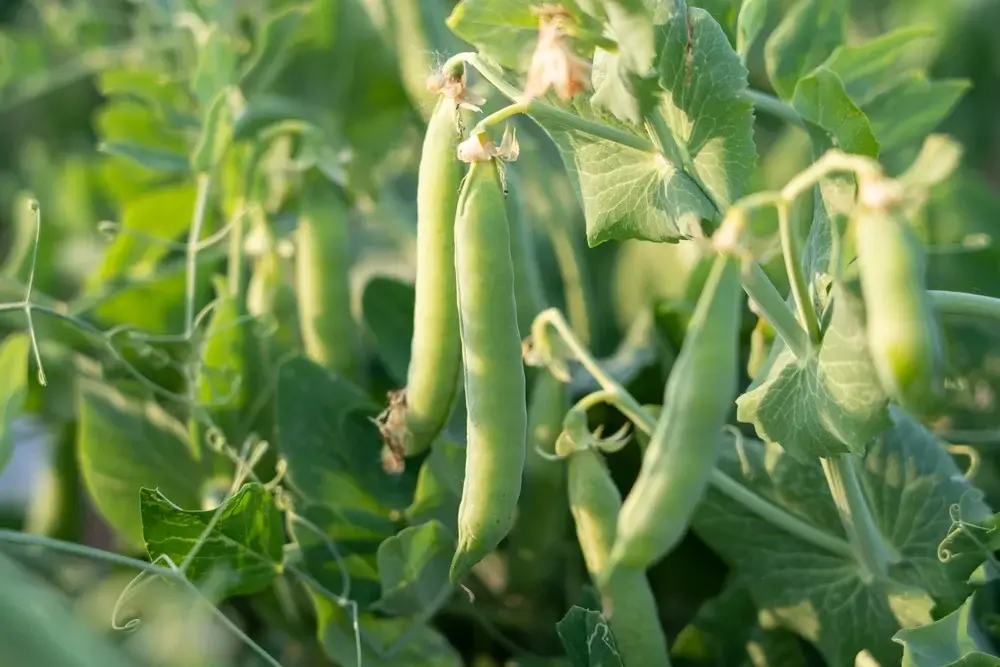
Melons: The Long-Game Approach
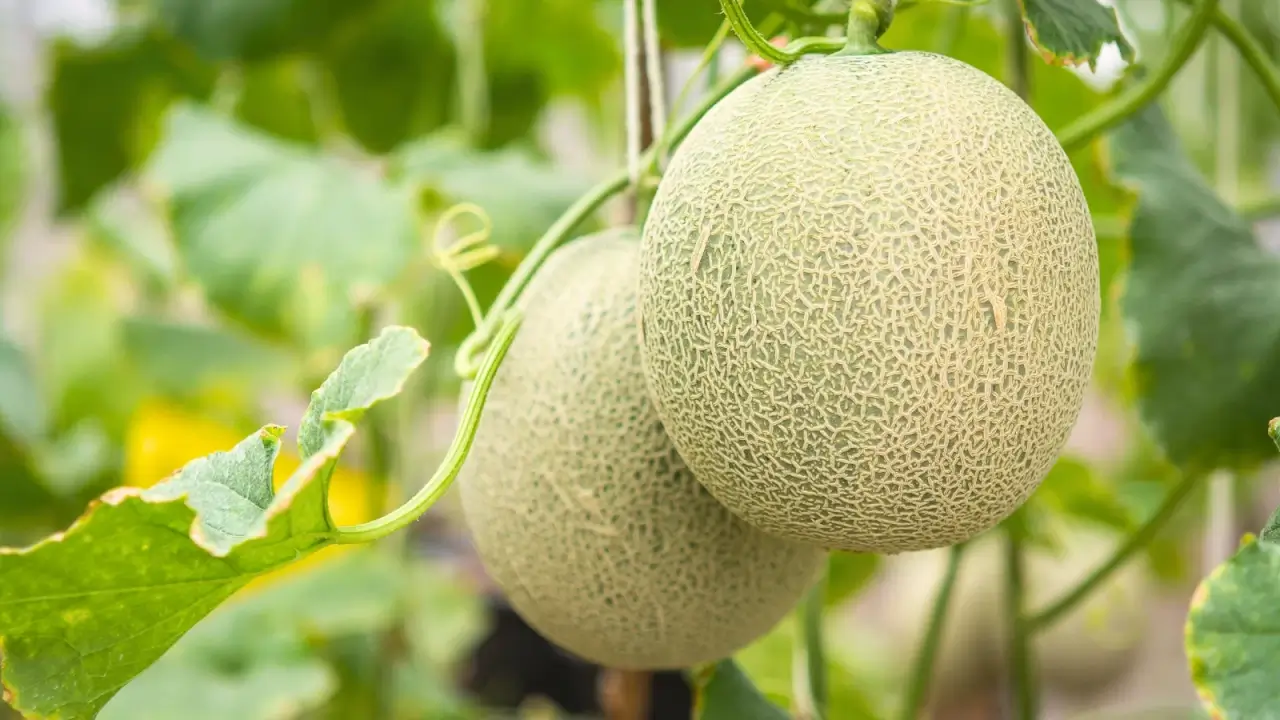
Melons, particularly large watermelons, require a long, warm season—often four to five months—to reach peak sugar content and size. In many parts of North America, the natural growing season is simply too short.
- Starting Technique: By starting melons indoors in April, you gain a critical four-to-six-week head start.
- Transplant Caution: Melons do not like root disturbance. Use biodegradable pots that can be planted directly into the ground to minimize stress on the plant during the transition.
Corn: The High-Density Strategy
While tradition dictates that corn must be sown directly in rows, indoor starting is becoming increasingly popular for small-scale growers with limited space.
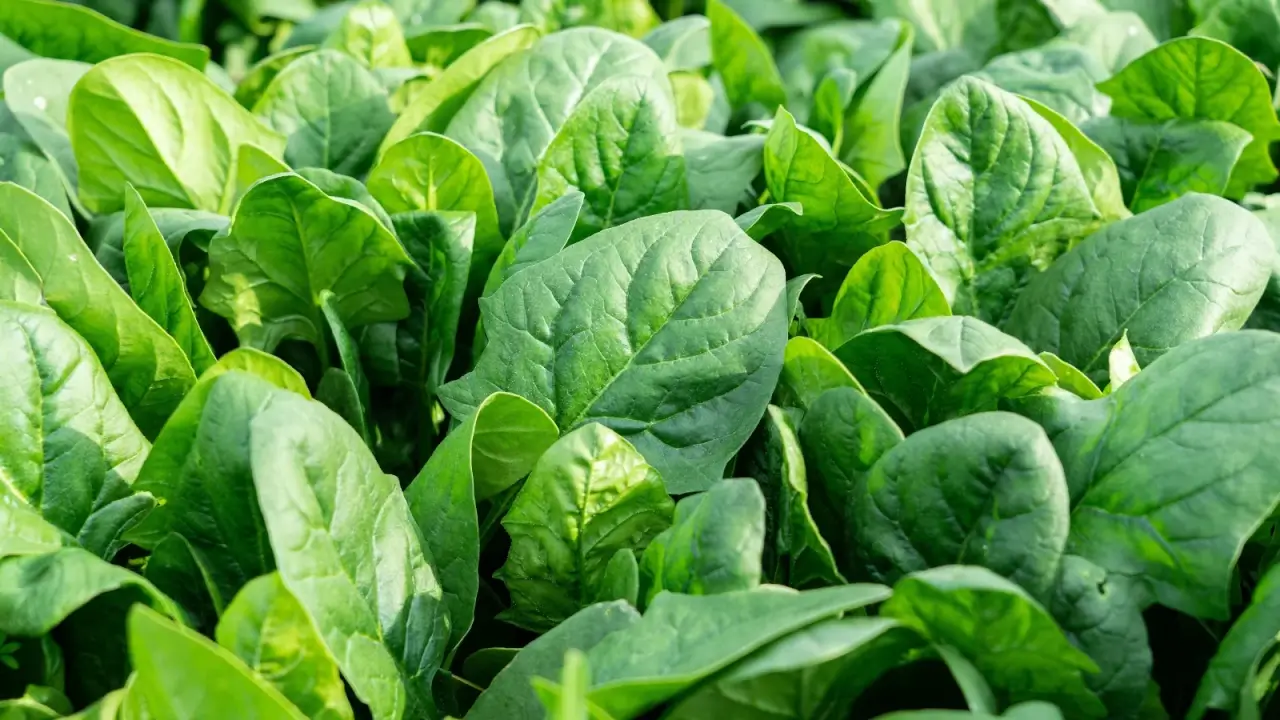
- Space Management: Starting corn in trays allows for a higher success rate per square foot.
- Handling: When transplanting, ensure the root ball remains intact. The key is to avoid "root circling" within the tray, which can permanently stunt the corn’s growth.
Flowers and Herbs
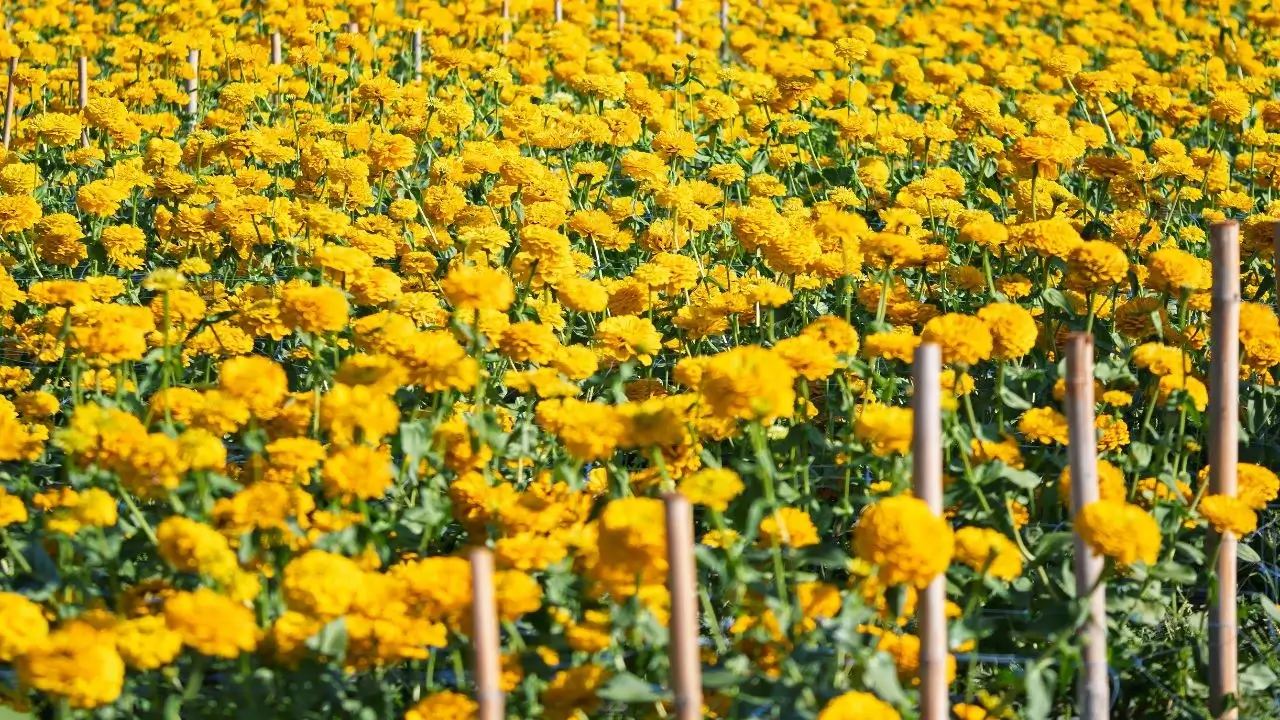
Flowers like zinnias, marigolds, and snapdragons serve a dual purpose: they provide aesthetic value and act as vital pollinators for the farm ecosystem.
- Pollinator Support: By starting these indoors, you ensure they are ready to bloom as soon as the weather permits, attracting beneficial insects early in the season.
- Herbs: While woody perennials like rosemary and lavender are notoriously slow to germinate—often taking over a month—tender herbs like cilantro, parsley, and chervil are perfect for the indoor starting bench.
Implications for Modern Farming
The decision-making process in April has significant economic and ecological implications. For the market farmer, the "Direct vs. Indoor" debate is an exercise in resource allocation. Every hour spent tending to indoor seedlings is an hour taken away from field preparation, but the potential for higher yields and earlier market entry often justifies the labor.
Furthermore, there is a growing emphasis on "resilient systems." By choosing varieties that are suited to local microclimates and using methods that minimize root disturbance, farmers are building a more robust agricultural base. As climate patterns become more unpredictable, the ability to pivot between direct sowing and indoor protection becomes a vital skill for the modern agriculturalist.
Expert Insight: The Importance of Soil Health
While the focus of this guide has been on seed placement, experts in the agricultural sector emphasize that no amount of planning can compensate for poor soil structure.

"The best seed-starting regimen is only as good as the soil it meets," notes the Extension Office of the University of Nebraska-Lincoln. They suggest that before any seed hits the dirt—whether via direct sow or transplant—farmers should perform a soil test to ensure that pH levels and nutrient density are optimized for the specific crops being introduced.
Conclusion: A Path Toward Efficiency
As April progresses, the window for these decisions will inevitably close. The most successful farms are those that view the month not as a singular event, but as a series of calculated steps.
- Assess: Know your last frost date.
- Plan: Categorize crops based on their sensitivity to root disturbance.
- Execute: Utilize direct sowing for root crops and legumes, and prioritize indoor space for long-season or heat-loving varieties.
- Monitor: Adjust for local microclimates—a garden in a valley will have a different schedule than one on a hillside.
By adhering to this structured approach, farmers can ensure that their efforts in April translate into a bountiful and profitable harvest, securing both the financial health of the farm and the food supply of the community. Whether you are a small-scale market gardener or managing a larger plot, the principles remain the same: respect the climate, understand the crop, and plan with precision.



 Siti Muinah
