 Pevita Pearce

 Lina Hope

 Evan Lee Salim
 Lina Irawan

 Asep Darmawan
Introduction: More Than Just a Table
The dining room has long been considered the heart of the home, a sanctuary where nourishment transcends the physical and enters the realm of the social, the political, and the artistic. It is a stage upon which the dramas of domestic life are performed—from intimate family dinners to the high-stakes negotiations that have shaped modern history.
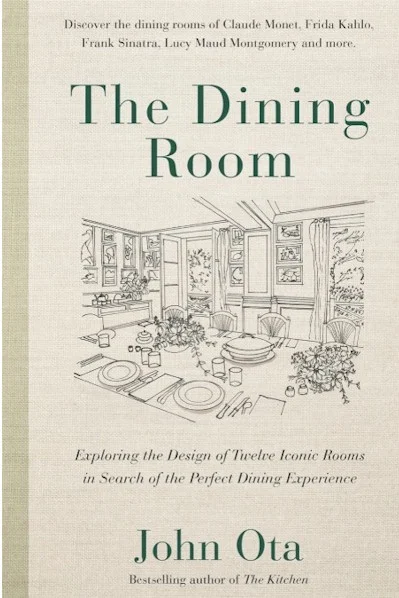
On Wednesday, May 13, 2026, the Culinary Historians will host a special virtual presentation featuring acclaimed architectural writer John Ota. The event marks a deep dive into the findings of his latest literary endeavor, The Dining Room, published by Penguin Random House. Through a blend of architectural analysis, biographical inquiry, and culinary exploration, Ota invites his audience to reconsider the spaces where we break bread, elevating the dining room from a mere functional necessity to a profound artifact of human experience.
The Architectural Chronicle: A Journey Through Twelve Spaces
John Ota’s research for The Dining Room is not merely a collection of aesthetic observations; it is an investigation into the intersections of design and biography. Over the course of his career, Ota has developed a keen eye for how built environments shape human interaction. His upcoming presentation will feature video documentation of twelve iconic dining rooms, each serving as a lens through which we can view the lives of their inhabitants.
The Artists and the Icons
Ota’s selection of subjects spans a diverse array of cultural, political, and artistic legends. Among those featured are:
- Claude Monet: The Impressionist master’s Giverny dining room remains a masterclass in color theory and light, reflecting the same sensibilities he brought to his canvas.
- Frida Kahlo: The Blue House in Coyoacán offers a look into the vibrant, deeply personal, and nationalist aesthetics that defined the life of one of Mexico’s most resilient artists.
- Frank Sinatra: The mid-century modern glamour of Sinatra’s dining spaces serves as a testament to the lifestyle of a man who defined an era of American cool.
- Jackie Kennedy: A study in elegance and the art of state-level hospitality, the Kennedy dining rooms reflect the sophistication of a White House era that captured the world’s imagination.
- Dr. Martin Luther King Jr.: Perhaps the most poignant of the collection, the dining room of Dr. King stands as a symbol of domestic stability amidst the turbulence of the Civil Rights Movement, reminding us that even the most revolutionary figures required the grounding influence of the family table.
The Expert’s Perspective: Biography of John Ota
To understand the depth of this project, one must understand the architect behind it. John Ota’s journey has been defined by a lifelong engagement with the built environment. Since 1978, his professional trajectory has taken him through the corridors of some of the most prestigious institutions in North America, including Columbia University, the University of Toronto, and the University of British Columbia.
Ota’s previous work, The Kitchen, established him as a premier voice in the niche of architectural history. Recognized as a finalist for both the 2021 Taste Canada Awards and the 2021 Paris Gourmand Cookbook Awards (in the book design category), Ota proved that he could successfully bridge the gap between technical design and the warmth of culinary culture. Having practiced architecture in major metropolitan hubs such as Toronto, New York, and Vancouver, Ota has spent the latter part of his career traveling the globe. His method involves visiting historic homes, participating in regional cooking traditions, and engaging with people from all walks of life, ensuring that his writing remains grounded in human experience rather than mere academic theory.
Supporting Data: The Intersection of Design and Gastronomy
The core of Ota’s work in The Dining Room is the realization that architecture does not exist in a vacuum; it dictates the rhythm of the meal. Ota argues that the physical dimensions of a room—the height of the ceilings, the quality of natural light, and the arrangement of furniture—influence the conversation and the appetite.
Era-Accurate Recipes
A unique feature of Ota’s presentation will be the inclusion of "era-accurate recipes." By pairing the architectural profile of a room with the culinary habits of its famous inhabitants, Ota offers a multi-sensory experience. This approach provides a clearer picture of the domestic life of these figures. For example, understanding the formal, structured dining habits of the Kennedy White House helps contextualize the heavy, traditional menus of the era, while the vibrant, communal meals found in the Kahlo household provide a direct link to the textures and colors of the Blue House.

Official Responses and Implications
The upcoming program, hosted by the Culinary Historians, is expected to draw a wide audience of architects, historians, and home-cooking enthusiasts. The implications of this study are twofold:
1. Preserving Domestic Heritage
Ota’s project serves as a preservation effort. By documenting the physical states of these rooms, he provides a record of how influential figures interacted with their homes. In an era where many historic houses are subject to renovation or neglect, Ota’s work highlights the importance of protecting the "lived-in" spaces of history.
2. The Future of the Dining Room
In the modern era, the traditional, formal dining room is often disappearing in favor of open-concept living. Ota’s research asks us to consider what is lost when the dedicated space for communal, focused dining is removed. Does the decline of the formal dining room reflect a decline in the social fabric of the family unit? Through his presentation, Ota invites the audience to weigh in on the architectural evolution of the home and its impact on modern mental health and social cohesion.
Event Logistics and Participation
For those interested in joining this exploration, the Culinary Historians have provided the following details for the virtual presentation:
- Date: Wednesday, May 13, 2026
- Time: 7 PM Central Time
- Platform: Zoom
- Access: Participation is open to the public. For those wishing to receive the Zoom link or to submit questions in advance, please direct your correspondence to [email protected].
The organization has also confirmed that for those unable to attend the live session, the program will be recorded and made available via the Culinary Historians’ official YouTube channel within 24 hours of the conclusion of the event.
Conclusion: The Table as a Vessel of History
As we move further into the 21st century, the importance of grounding ourselves in the history of our daily rituals becomes ever more apparent. John Ota’s The Dining Room is not just a book about furniture or floor plans; it is a testament to the human need for gathering.
By looking back at the dining rooms of the past, we are reminded that these spaces were more than just boxes of wood and stone. They were the sites of our most human moments. Whether it is the quiet reflection of a poet, the strategic planning of a leader, or the chaotic joy of a family dinner, the dining room remains the primary theater of our lives. We invite all members of the community to join this conversation on May 13th, as we pull up a chair to history and learn what these iconic rooms have to teach us about the art of living well.
As Ota himself might suggest, the architecture of our homes is ultimately the architecture of our memories. By studying the spaces where the world’s most influential figures shared their meals, we gain a deeper appreciation for the role that the dining room plays in our own narratives, ensuring that the legacy of the table continues to influence generations to come.

 Sagoh
 Iffa Jayyana