

 Nana Wu

 Dwi Wanna

 Suro Senen

 Evan Lee Salim

 Sagoh
When the annual holiday party concludes, the post-festivity lull often leaves a void. For the modern host, this is the perfect opportunity for a New Year’s Day brunch—a tradition that, while commonplace today, carries a complex historical pedigree. As we look back at the origins of this mid-morning meal, we find that the 1920s were a pivotal era, characterized by a fascination with both culinary indulgence and the budding science of "health foods."
The Genesis of Brunch: From Aristocratic Excess to Progressive Simplicity
The term "brunch," a linguistic portmanteau of "breakfast" and "lunch," emerged in the late 19th century, but the practice of combining the two meals is rooted in the lifestyle of the British aristocracy. Early 19th-century noble households frequently hosted morning spreads—often commencing mid-morning and extending into the afternoon—to accommodate guests recovering from the excesses of late-night balls, operas, and theatrical performances.
In Gilded Age America, the wealthy elite sought to emulate these British customs. However, the American version was defined by opulent, calorie-dense foods: game meats, heavy creams, butter-laden sauces, and sugary desserts. For a generation that often rose well past noon, brunch served as the essential bridge between breakfast and the evening’s late dinner.

The Progressive Era Pivot
The onset of the Progressive Era signaled a societal rejection of Gilded Age indulgence. Food culture began to tilt toward austerity and health-consciousness. Brunch, however, remained an entrenched fixture. For some, it was a tactical tool to consolidate meals, effectively limiting daily intake to two substantial sittings. For others, particularly those in the burgeoning white-collar workforce, a nutrient-dense breakfast was viewed as a mandatory foundation to sustain the rigors of modern labor.
Technological Transformation: The Electrified Kitchen
The most significant catalyst for the transformation of breakfast culture in the 1910s and 1920s was the rapid adoption of electric home appliances. The domestic landscape was fundamentally altered by the introduction of the electric refrigerator, which permitted the safe storage of eggs, milk, and perishable salads.
The Rise of the Appliance
- Electric Percolators: Enabled the luxury of fresh, hot coffee served tableside.
- Electric Toasters: Dramatically reduced the labor of preparing breakfast breads.
- Chafing Dishes: Allowed for the preparation of complex dishes like omelets, creamed meats, and hash directly in the dining room, mirroring the service of elite hotels.
- Juicers: Introduced the concept of fresh, home-squeezed citrus juice as a morning staple.
These advancements were not merely for convenience; they were a necessary response to the diminishing availability of household servants. As domestic labor became scarce, the middle-class American home turned to industrial production and electricity to maintain a high standard of living. Canned fruits, vegetables, and commercially produced gelatin became accessible to the common household, democratizing culinary experiences that were once the exclusive domain of the wealthy.

Agricultural and Logistical Shifts
Parallel to kitchen innovation were monumental shifts in food distribution. The development of refrigerated railroad cars allowed fresh, perishable produce from California, Florida, and Arizona to reach the northern states during winter. Simultaneously, the commercialization of poultry production increased egg availability, while the spread of pasteurization ensured a steady, safe supply of milk. Post-WWI, the surge in pork production cemented bacon’s status as the definitive American breakfast meat.
The Health Movement: Vitamins and Digestive Vitality
By the 1920s, American health consciousness was being steered by a confluence of religious influence and new scientific discovery. Vegetarianism, long championed by the Seventh Day Adventists, gained broader traction. John Harvey Kellogg, director of the legendary Battle Creek Sanitarium in Michigan, emerged as a prominent figure, promoting whole grains and fiber-rich diets to combat the national epidemic of digestive issues like dyspepsia and constipation.
The Science of "Pep"
The discovery of Vitamin C in 1912–1913 fundamentally changed the way Americans viewed their plates. Tomatoes and citrus became nutritional heroes. Salads also underwent a transformation; while creamy, mayonnaise-heavy salads (chicken, ham, potato) remained popular, the "salad bowl" movement encouraged the inclusion of fresh lettuce, radishes, and cucumbers.

The 1920s also witnessed the birth of the "gelatin craze." Commercially available gelatin allowed for the creation of intricate, molded aspics and salads that provided a visually stunning addition to the table. With the advent of electric refrigeration, these dishes were no longer labor-intensive feats; they became standard, affordable, and fashionable centerpieces for the home cook.
Curating the 1920s-Inspired Brunch: A Modern Application
Attempting to recreate a 1920s-style brunch requires a balance between historical fidelity and modern sensibilities. In planning a recent event, the focus was placed on a vegetarian menu that honored the period’s health trends while providing a diverse range of flavors and textures.
The Menu and Aesthetic
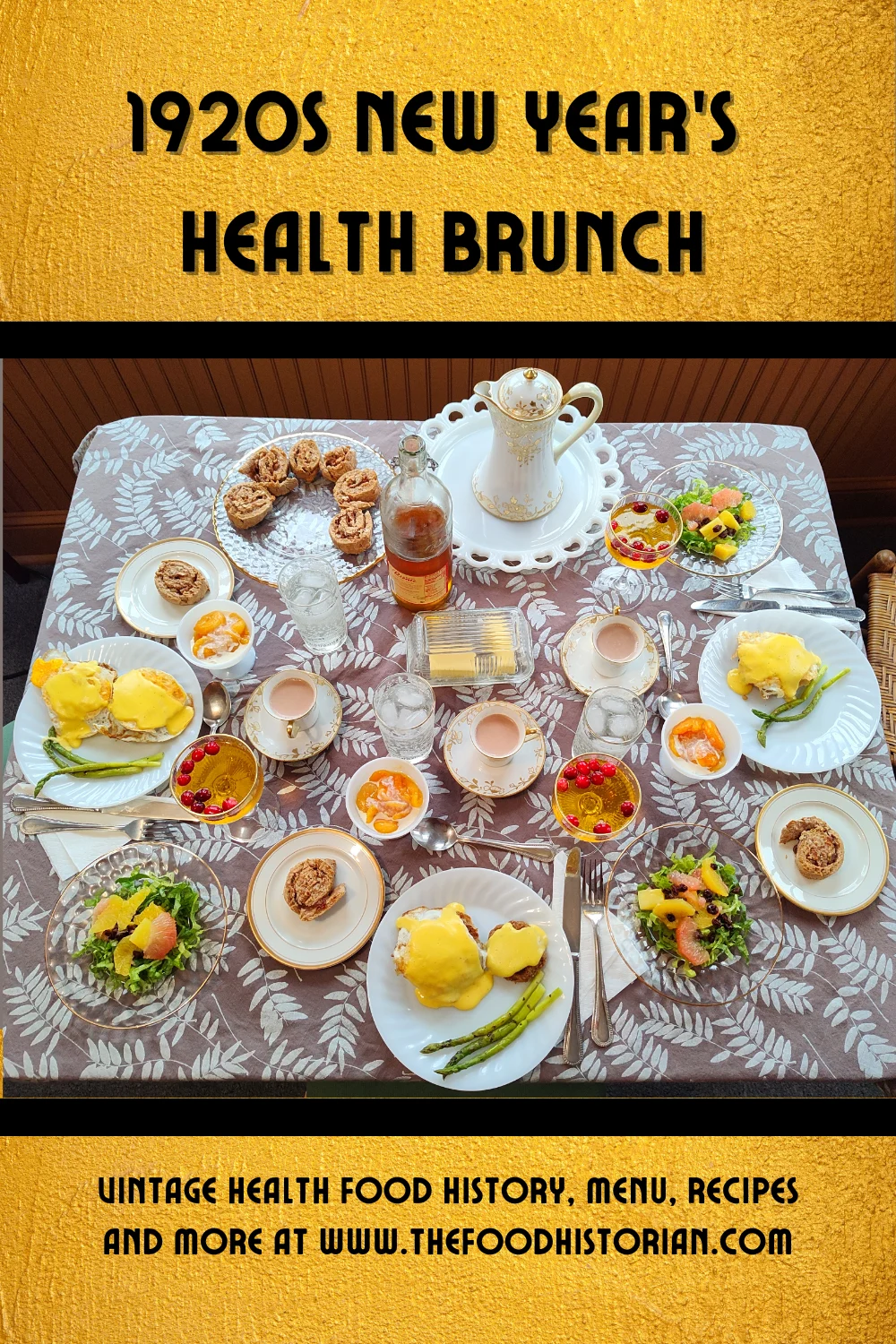
The table setting for such an event is as crucial as the food. Combining vintage finds—such as early 20th-century porcelain—with modern, metallic accents creates a bridge between the eras. For this specific brunch, the highlights included:

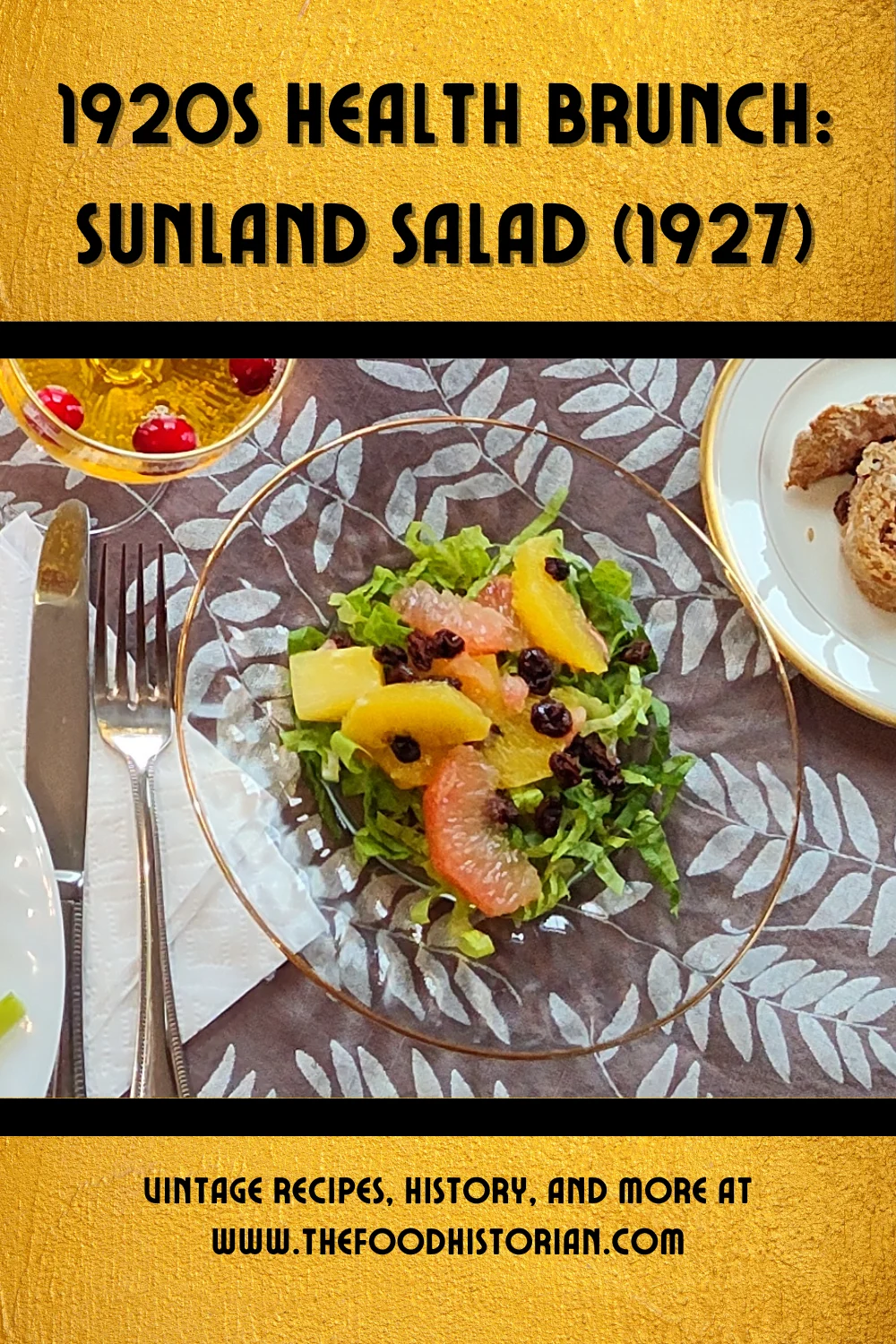
- Sunland Salad: A refreshing nod to the era’s newfound access to fresh produce.
- Walnut Sausage: A vegetarian protein substitute that aligns with 1920s meat-alternative experiments.
- Eggs Benedict with Homemade Hollandaise: A classic technique that, while labor-intensive, rewards the cook with superior flavor.
- Spiced Apple Sparkler: A festive drink using high-quality bottled infusions, garnished with sugared cranberries for a touch of seasonal color.
Implications of Historical Culinary Research
The effort to reproduce these recipes serves as more than just a thematic party; it provides a window into the evolution of the American home. By looking at what our predecessors ate—and why they ate it—we gain a deeper understanding of our own relationship with food.
The rejection of recipes like the 1927 "Boston Roast" or the notoriously complex "Ginger Ale Salad" in favor of more balanced, vegetable-forward dishes demonstrates how modern cooks curate history. We adopt the ingenuity of the 1920s—the desire for efficiency, the appreciation for fresh produce, and the love of a well-set table—while discarding the fads that did not stand the test of time.
Conclusion: Lessons from the Past
The brunch of the 1920s was a byproduct of a society in transition. It reflected a move toward industrialization, a newfound reliance on technology, and a burgeoning interest in the scientific components of nutrition. Whether one is a food historian or a home cook looking for a creative theme, this era offers a wealth of inspiration.

For those interested in exploring the darker, more complex side of this history—specifically the "Vitamin-Enriched America" movement—further research into the 1920s reveals a nation obsessed with "pep" and physical vitality, a precursor to today’s multi-billion dollar wellness industry.
As we continue to iterate on the brunch tradition, it is worth remembering that our Sunday morning ritual is a living history—a collection of habits, technologies, and health philosophies that have been simmering for over a century. By understanding these origins, we transform a simple meal into an act of historical appreciation.

 Asep Darmawan
 Iffa Jayyana

