 Laily UPN
 Suro Senen
 Muslim

 Raul Delapena Setiawan

 Layla Zulfa
 Basiran
By Danielle O’Kane
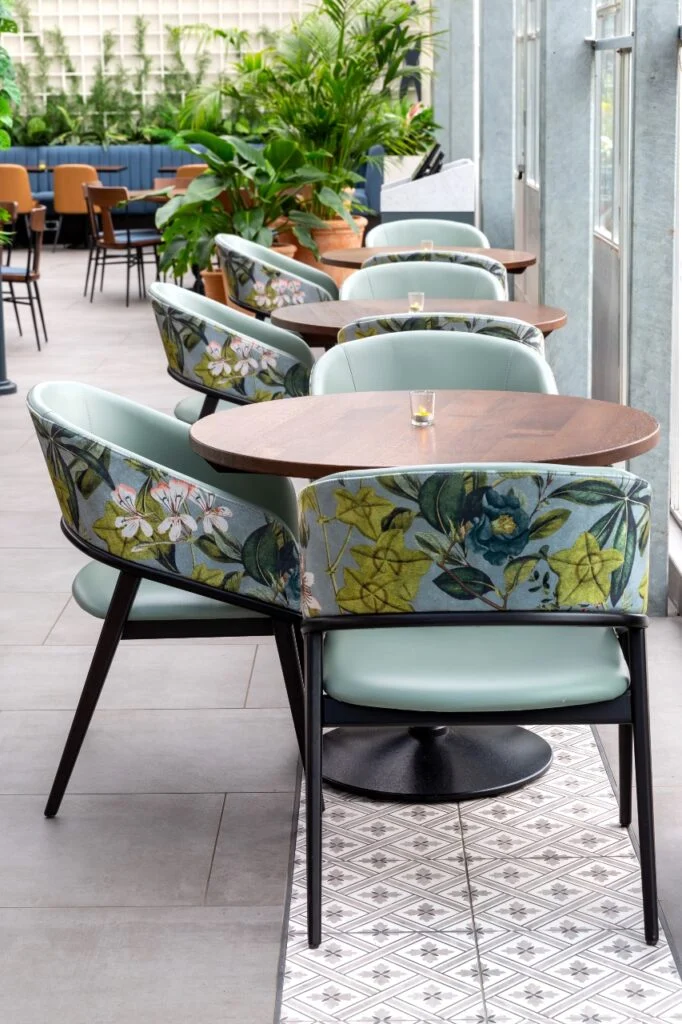
In the high-stakes world of hospitality, restaurant seating serves as a silent, hard-working partner to the culinary experience. It is subjected to a relentless cycle of spills, high-frequency turnover, aggressive sanitation protocols, and the constant friction of human activity. Yet, these pieces of furniture must simultaneously project an image of luxury, comfort, and brand identity. For restaurant operators and interior designers, the selection of upholstery is not merely an aesthetic choice; it is a critical operational decision that dictates the long-term success of the dining room’s physical environment.
When upholstery fails, guests notice immediately. A frayed seam, a stubborn stain, or a cracked surface can dismantle the carefully crafted ambiance of a restaurant before a guest even reviews the menu. Conversely, the right performance textile works invisibly, ensuring that the first impression remains pristine for years. Achieving this requires a sophisticated balance between technical durability and the tactile comfort that invites diners to stay longer.
The Operational Anatomy of Seating
Why Cleanability is the Non-Negotiable Baseline
For any restaurant manager, the "turnover" metric is vital. In a fast-paced environment, the time allotted for cleaning between parties is minimal. Consequently, upholstery that demands specialized care or delicate handling is a liability.
Cleanability is not a surface-level feature; it is an engineering requirement. Operators must look beyond the initial visual appeal and demand textiles that can withstand the "triple threat" of commercial maintenance: bleach-based sanitizers, aggressive food acids, and mechanical wear.
A textile that performs well under lab conditions during the first week may succumb to degradation after six months of daily exposure to heavy-duty cleaning agents. Operators should prioritize materials tested for long-term colorfastness and chemical resistance. Does the fabric crack when exposed to high-alcohol wipes? Does the texture flatten or discolor under the heat of steam cleaning? These are the questions that define the lifespan of the investment. If a material requires a proprietary cleaning kit or excessive downtime, it is likely the wrong choice for a high-traffic hospitality space.
The New Standard: Sustainability as a Core Performance Metric
Historically, the industry operated under a misconception: that to get "tough" materials—such as those with high abrasion resistance or easy-clean coatings—one had to sacrifice environmental integrity. Sustainability was often viewed as a "nice-to-have" add-on that would inevitably falter under the heavy usage of a commercial restaurant.
Innovation has rendered that narrative obsolete. Today’s high-performance textiles are increasingly incorporating recycled, rapidly renewable, and bio-based content. However, the onus remains on the operator to verify these claims.
Navigating the "Green" Labyrinth
In an era of greenwashing, industry professionals must look for verifiable evidence. Key areas for scrutiny include:
- Chemical Transparency: Does the material avoid hazardous substances, such as intentionally added PFAS (per- and polyfluoroalkyl substances)?
- Indoor Air Quality (IAQ): Has the textile been tested for volatile organic compound (VOC) emissions?
- Third-Party Certification: Labels such as GREENGUARD or OEKO-TEX provide an objective baseline. Relying solely on manufacturer marketing materials is no longer sufficient; operators should demand documentation that traces the life cycle of the product from raw material sourcing to end-of-life disposal.
Where Hospitality Meets Tactility: The "Soft-Touch" Revolution
While durability is the operational backbone, comfort is the soul of hospitality. In zones where guests are expected to linger—such as lounge areas, cocktail bars, and plush banquettes—the tactile experience is paramount.

Modern design trends have moved away from the cold, clinical feel of early-generation commercial vinyls. Today, we are seeing a "residential-inspired" shift. Textiles now offer the soft, supple hand of high-end leather or fine woven fabrics while retaining the robust performance characteristics required for commercial use. This allows designers to bridge the gap between a high-traffic functional piece and a luxury furniture item. By utilizing materials that offer breathability, flexibility, and a nuanced grain, operators can enhance the guest experience, making the seating feel like an intentional design choice rather than an afterthought.
Chronology of a Specification Decision
The process of selecting upholstery should follow a disciplined timeline to ensure the final result aligns with both the budget and the brand’s operational reality:
- Requirement Mapping (Pre-Design): Define the seating zones. A bar stool has different needs than a VIP dining banquette.
- Performance Auditing: Review the maintenance protocol of the restaurant. If your staff uses a specific bleach concentration, test the textile against that specific chemical.
- Sample Stress Testing: Request samples and subject them to the realities of your space. Spill wine, wipe it down, and observe the results over a week.
- Certification Review: Cross-reference the manufacturer’s technical data sheets with independent, third-party reports.
- Long-Term Projection: Estimate the cost of replacement versus the initial investment. A slightly higher-priced, high-durability fabric often results in a lower "total cost of ownership" over a five-year period.
Supporting Data: Understanding the Metrics
When reviewing technical specifications, operators are often inundated with acronyms and data points. Understanding these is key to making an informed choice:
- Double Rubs: This measures abrasion resistance. While high numbers are good, they should not be the only metric. A textile with 100,000 double rubs is useless if it traps stains or cannot be sanitized.
- Colorfastness to Light: Crucial for restaurants with large windows or outdoor exposure to prevent fading.
- Hydrolysis Resistance: Especially important for polyurethane-based faux leathers. This measures the material’s ability to resist "peeling" or cracking over time due to moisture and cleaning cycles.
- Bleach Cleanability: Look for the ratio (e.g., 10:1 water to bleach). This tells you exactly how aggressive your cleaning team can be.
Industry Implications: The Shift Toward Transparency
The broader hospitality industry is currently undergoing a structural shift. Designers and operators are becoming more sophisticated, moving away from "off-the-shelf" selections and toward bespoke, performance-verified solutions.
This shift has profound implications for manufacturers. To stay competitive, suppliers are now investing heavily in R&D to create materials that are not only durable but also circular in nature. The industry is moving toward a future where "performance" is redefined to include the entire environmental footprint of the product.
Furthermore, as guest expectations for sustainability increase, a restaurant’s commitment to ethical sourcing—down to the very fabric on the chairs—becomes part of the brand story. Guests are increasingly savvy; they notice when a brand takes care of its environment, and that attention to detail contributes to a positive, cohesive brand identity.
Strategic Questions for Future-Proofing
Before finalizing a specification, operators should convene with their interior designers and address the following "Future-Proofing" checklist:
- Usage Intensity: Does this seat see three turns a night or is it a lounge space with long dwell times?
- Maintenance Reality: Does the cleaning staff have the training and time to follow complex maintenance instructions, or do they need a "wipe-and-go" solution?
- Environmental Integrity: Can the manufacturer provide clear, audited data on chemical content?
- Aesthetic Longevity: Will the color and texture hold up to sunlight and the oils from clothing, or will it show wear within eighteen months?
- The "Aging" Factor: How will the material look after three years? A material that develops a "patina" might be desirable, but a material that cracks or peels is a failure.
Conclusion: The Holistic Approach to Seating
The most successful restaurant specifications are those that do not prioritize one characteristic at the expense of others. There is no "perfect" material; there is only the right material for the specific seat in the specific space.
By treating upholstery as a critical component of the guest experience rather than a line item on a budget spreadsheet, operators can ensure that their dining rooms remain both beautiful and functional. The marriage of durability, sustainability, and comfort is the new gold standard. It is a commitment to quality that speaks volumes to the guest, even if they never consciously notice the fabric beneath them. When the upholstery works as hard as the kitchen staff, the restaurant is well-positioned for long-term operational success and enduring brand loyalty.
Danielle O’Kane is the Senior Director of Sales at Ultrafabrics, where she has spent over two decades at the intersection of design, performance, and commercial innovation. Her work continues to set the standard for how we think about the tactile environment of modern hospitality.


 Nana Wu

 Asro