

 Suro Senen
 Evan Lee Salim
 Layla Zulfa
 Lina Irawan
 Ali Ikhwan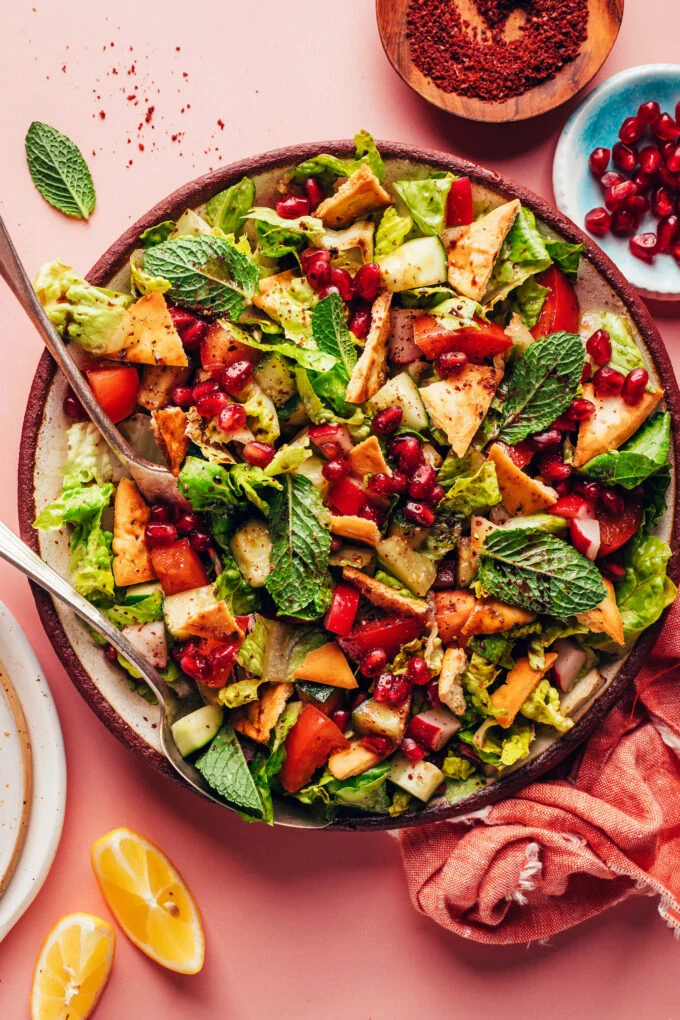
In the fast-paced landscape of modern home cooking, the challenge for the culinary enthusiast is to marry traditional depth of flavor with the constraints of a busy schedule. The Fattoush salad—a cornerstone of Levantine cuisine—has long been a symbol of resourcefulness, turning day-old flatbread and seasonal garden harvests into a vibrant, textural masterpiece. Recently, a simplified, single-bowl iteration of this classic dish has surged in popularity, proving that authentic Mediterranean-inspired nutrition does not require hours of preparation.
Main Facts: Deconstructing the Modern Fattoush
At its core, Fattoush is a bread salad that serves as a staple across the Eastern Mediterranean, including Lebanon, Syria, Jordan, and Palestine. Unlike many Western salads that rely heavily on heavy, creamy dressings, the authentic Fattoush experience is defined by "bright" acidity and crunch.
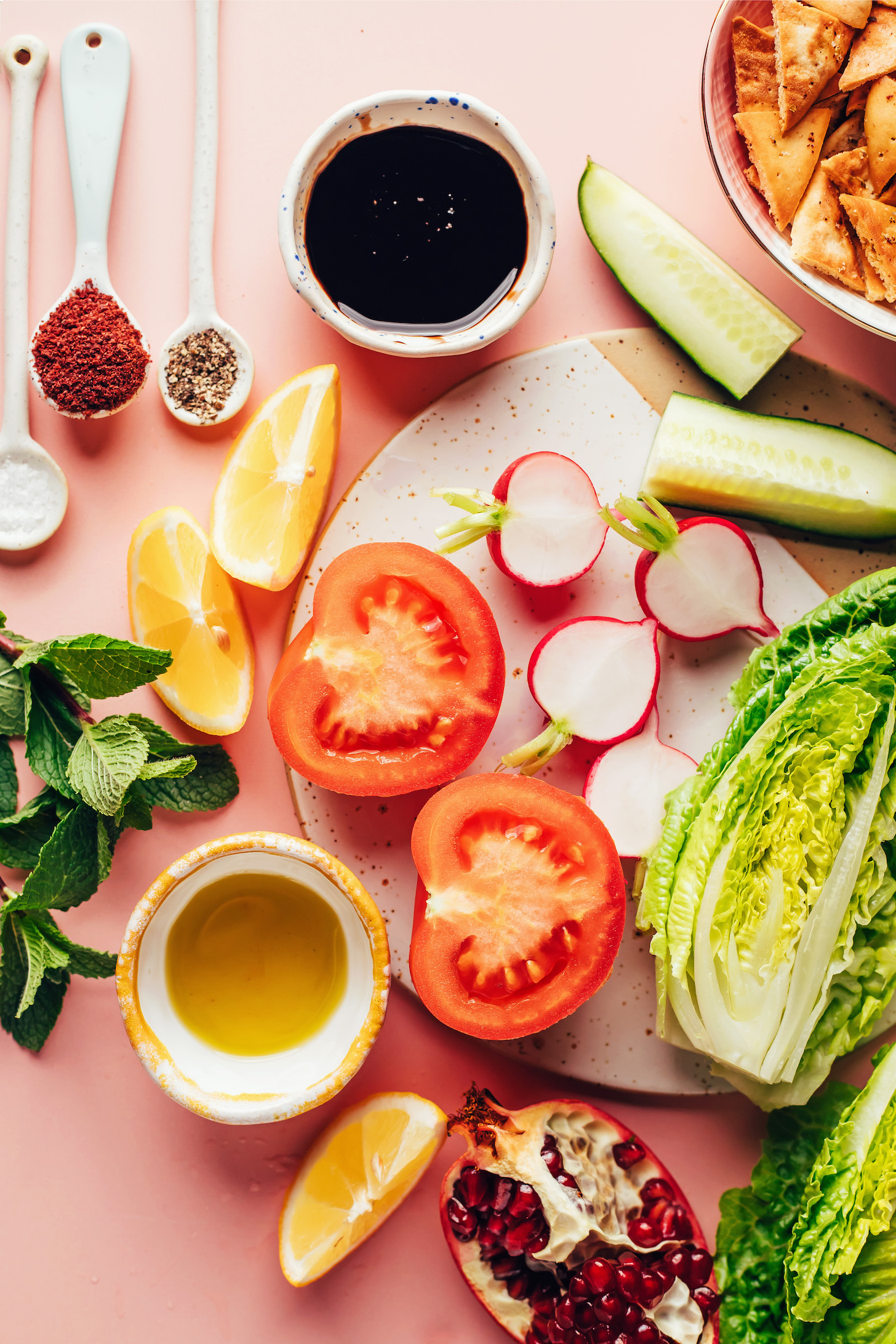
The primary components of this reimagined, 20-minute version include:
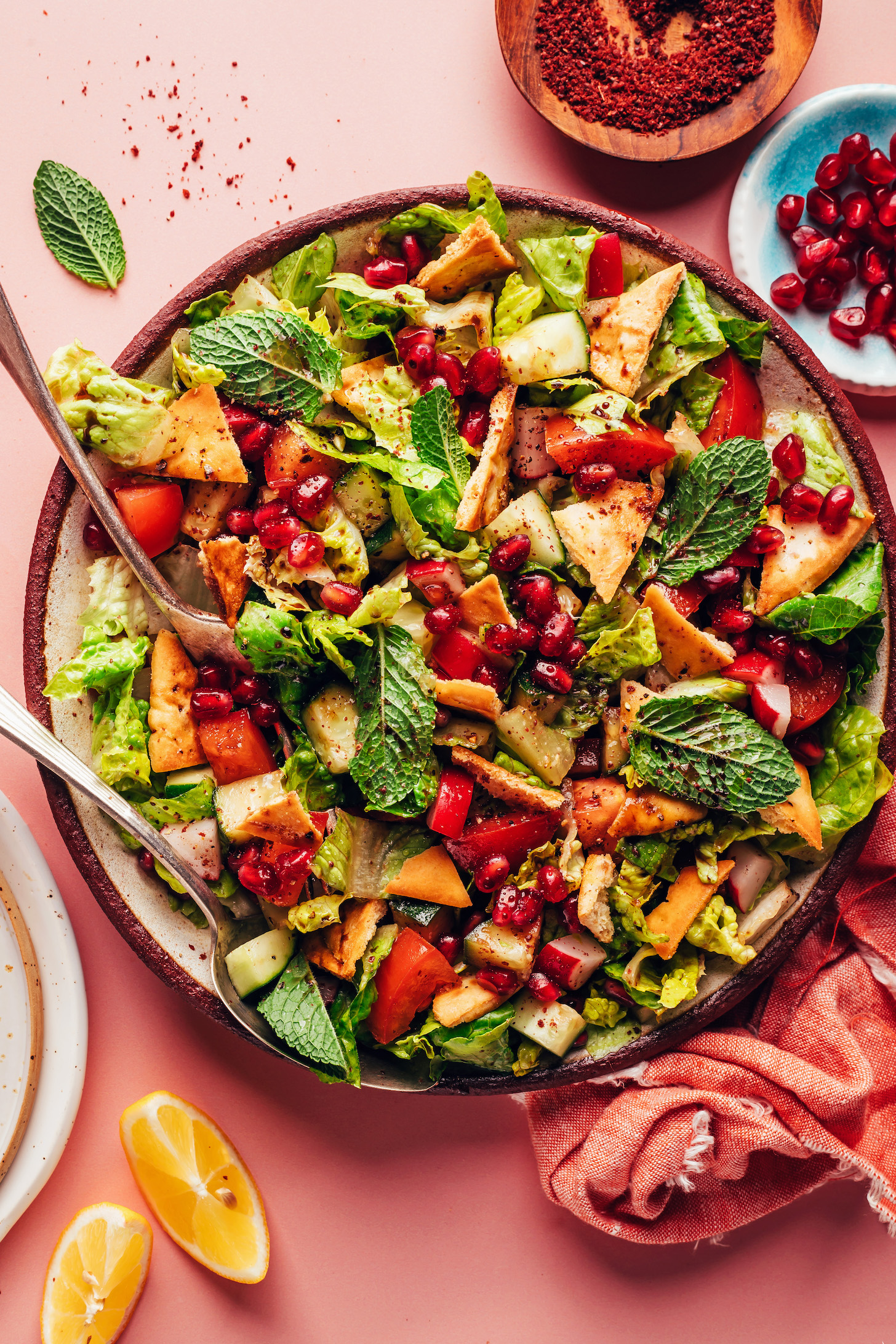
- The Foundation: Fresh, crisp romaine lettuce provides a clean, neutral canvas for the more complex flavors.
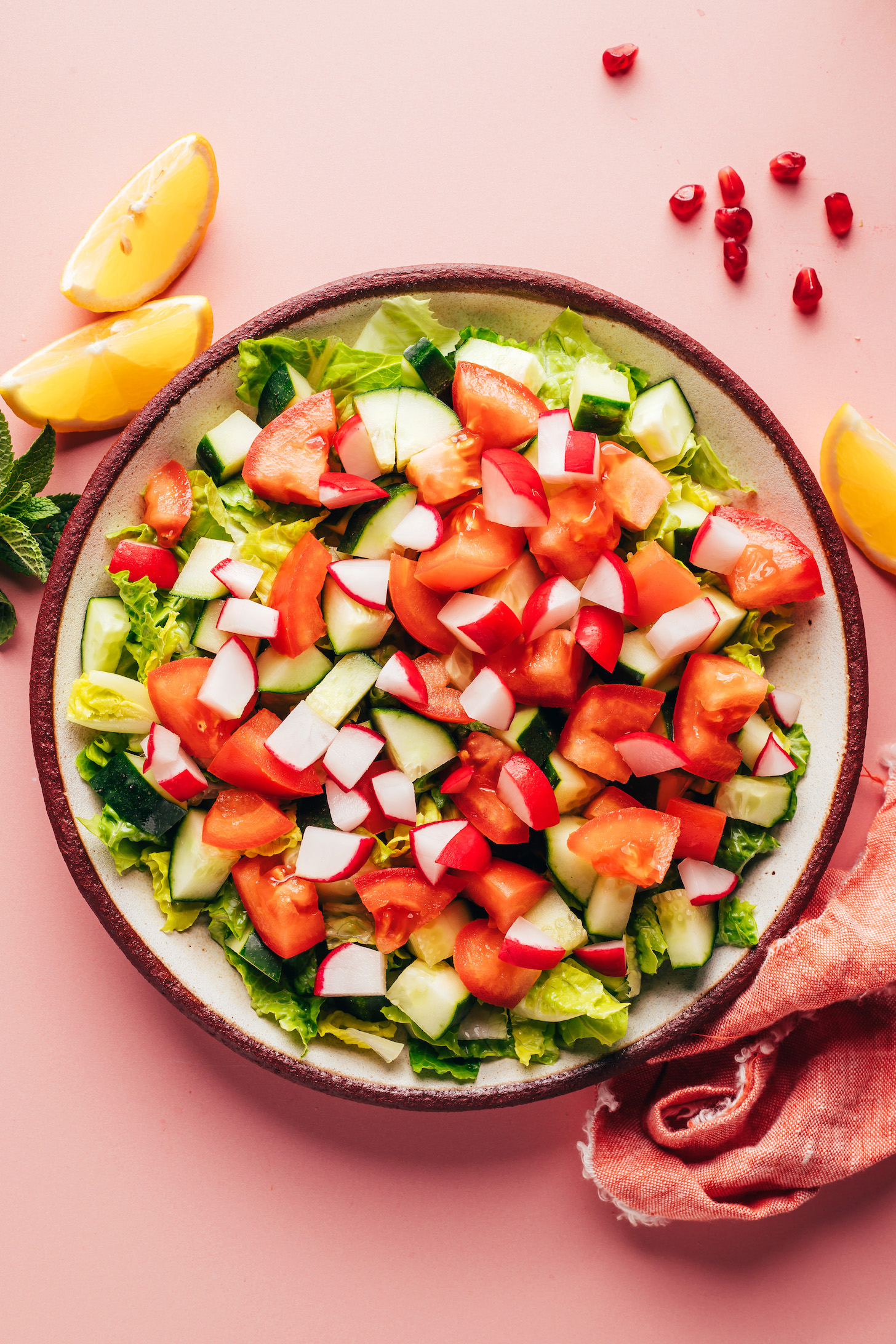
- The Garden Harvest: A medley of cucumbers, tomatoes, and radishes. These vegetables provide the essential water content and structural "snap" required to balance the toasted bread.
- The Dressing Profile: The hallmark of the dish is the inclusion of pomegranate molasses—a thick, syrupy reduction that offers a profound tartness—combined with sumac, a deep-red spice known for its lemony, astringent notes.
- The Finish: Fresh mint leaves provide an aromatic uplift, while pomegranate arils offer sudden, sweet bursts of juice. The pièce de résistance remains the pita chips, which act as the salad’s crunchy, golden-hued croutons.
This "one-bowl" method strips away the unnecessary complexity of traditional plating, focusing instead on efficiency without sacrificing the integrity of the dish’s signature flavor profile.
Chronology of a Classic: From Rural Resourcefulness to Modern Table
Historically, Fattoush emerged as a "peasant" dish, created to avoid food waste. In the rural Levant, flatbreads were baked in large batches. As the bread grew stale and hardened, it was not discarded but rather broken into pieces, fried or toasted, and tossed with whatever produce was currently in season.
Early Origins: Historically, the salad was known as fattoush (derived from the Arabic word fatteh, meaning "crumbs" or "to break into pieces"). It was an essential way to utilize leftover pita.
The Mid-20th Century Transition: As Levantine cuisine gained international recognition, the salad evolved from a purely utilitarian meal into a restaurant staple. It began to incorporate more specific ratios of herbs and the signature pomegranate molasses that defines the modern "urban" version.
The Current Era: In the last decade, the global shift toward plant-based, Mediterranean-inspired diets has placed Fattoush in the spotlight. The current "20-minute" evolution represents the latest iteration, where the recipe is optimized for the home cook who has access to high-quality store-bought pita chips, thereby reducing the "prep-to-plate" time significantly.
Supporting Data: Nutritional and Culinary Metrics
The appeal of this salad extends beyond its flavor; it is a highly functional meal. When analyzing the nutritional density, the Fattoush provides a compelling profile for those seeking a light, high-fiber, and low-cholesterol meal.
- Caloric Efficiency: A standard side-serving of this salad sits at approximately 127 calories, making it an excellent accompaniment to heavier proteins like grilled lamb or halloumi.
- Micronutrient Density: By utilizing fresh radish, tomato, and romaine, the dish is high in Vitamin C and Vitamin A. The inclusion of sumac—a spice derived from the Rhus shrub—also provides antioxidant benefits, a factor often overlooked in contemporary salad discourse.
- Prep-Time Optimization: The 20-minute window is achieved through a streamlined sequence:
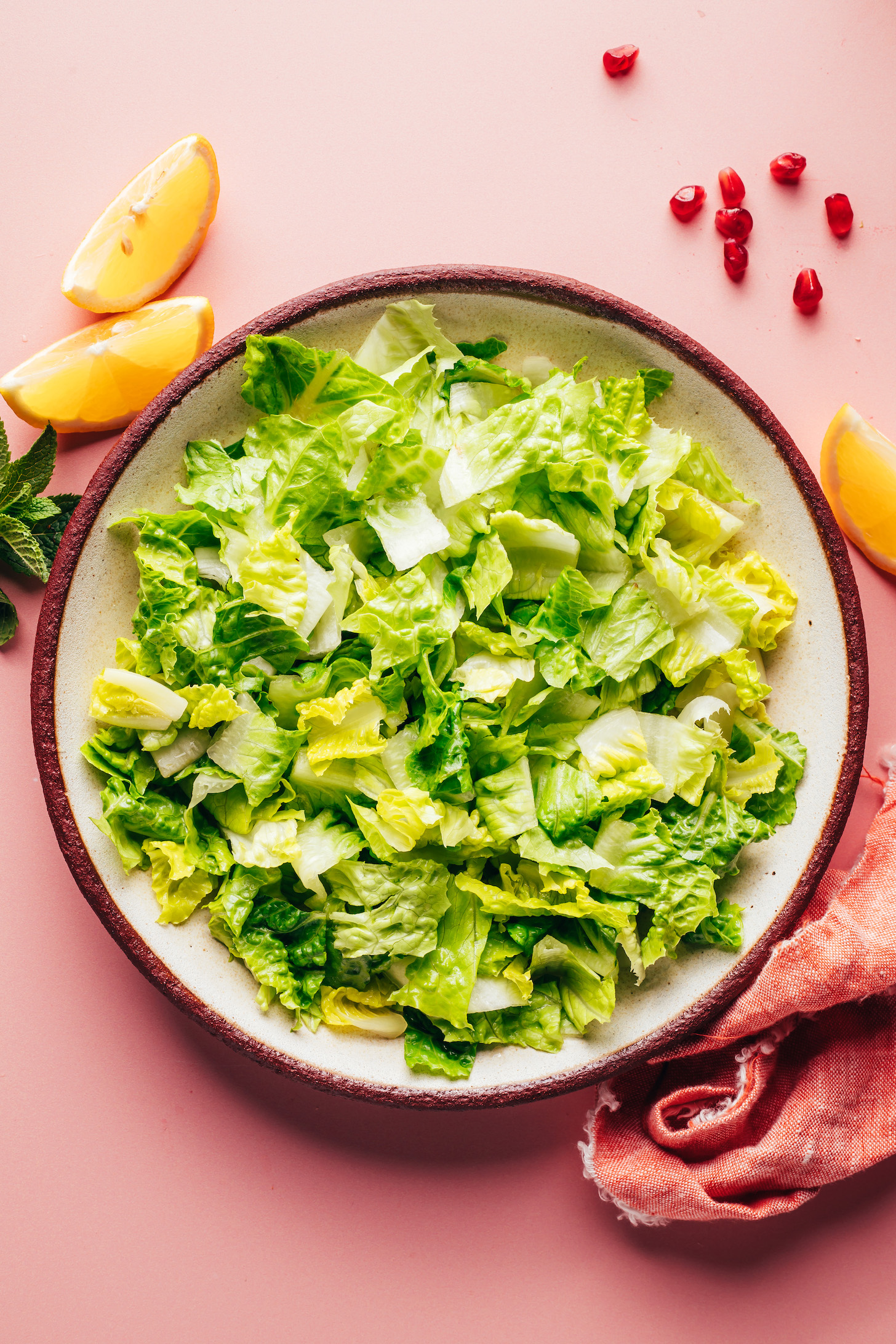
- 0–5 Minutes: Washing and chopping of the romaine and vegetables.
- 5–10 Minutes: Assembly of the "no-mix" dressing, which involves direct application of lemon, sumac, and molasses to the bowl.
- 10–20 Minutes: Final toss and the strategic placement of fresh mint and pita to ensure maximum textural retention.
Official Perspectives: The Chef’s Approach to Texture
Culinary experts often emphasize that the success of a Fattoush is not in the recipe, but in the timing. The most common critique of modern Fattoush is "sogginess." When the dressing interacts with the pita for too long, the crunch is lost.
"The key," says one industry observer, "is the separation of the dry and wet components until the very last second." The professional consensus is that the pita should be the final ingredient added to the bowl. Furthermore, the use of Persian or Lebanese cucumbers is highly encouraged; their lower water content compared to English or hothouse cucumbers prevents the salad from turning into a soup in the bottom of the serving dish.
Regarding the dressing, the debate between adding maple syrup versus relying solely on the natural sweetness of the pomegranate molasses remains a point of contention. Most chefs now agree that a "balanced tartness" is the goal, and adding a touch of maple syrup can help bridge the gap if the pomegranate molasses is particularly acidic.
Implications for the Modern Kitchen
The rise of the 20-minute Fattoush reflects a broader trend in home cooking: the "democratization of the complex." Recipes that were once thought to require specialized knowledge—such as the balance of sumac and molasses—are now becoming standard in the average kitchen.
The Sustainability Factor:
This dish serves as a blueprint for sustainable eating. By highlighting a recipe that encourages the use of "day-old" bread, the culinary community is effectively promoting a zero-waste philosophy. It encourages cooks to view stale bread not as waste, but as a textural ingredient.
Dietary Flexibility:
The versatility of the recipe is perhaps its greatest implication for the future of home dining. By substituting traditional pita with gluten-free flatbreads or even grain-free crackers, the dish remains accessible to a wider demographic. The addition of chickpeas, as noted in many modern iterations, effectively transforms a "side" into a complete "entree," catering to the growing demand for plant-forward, protein-rich lunches.
Community and Connection:
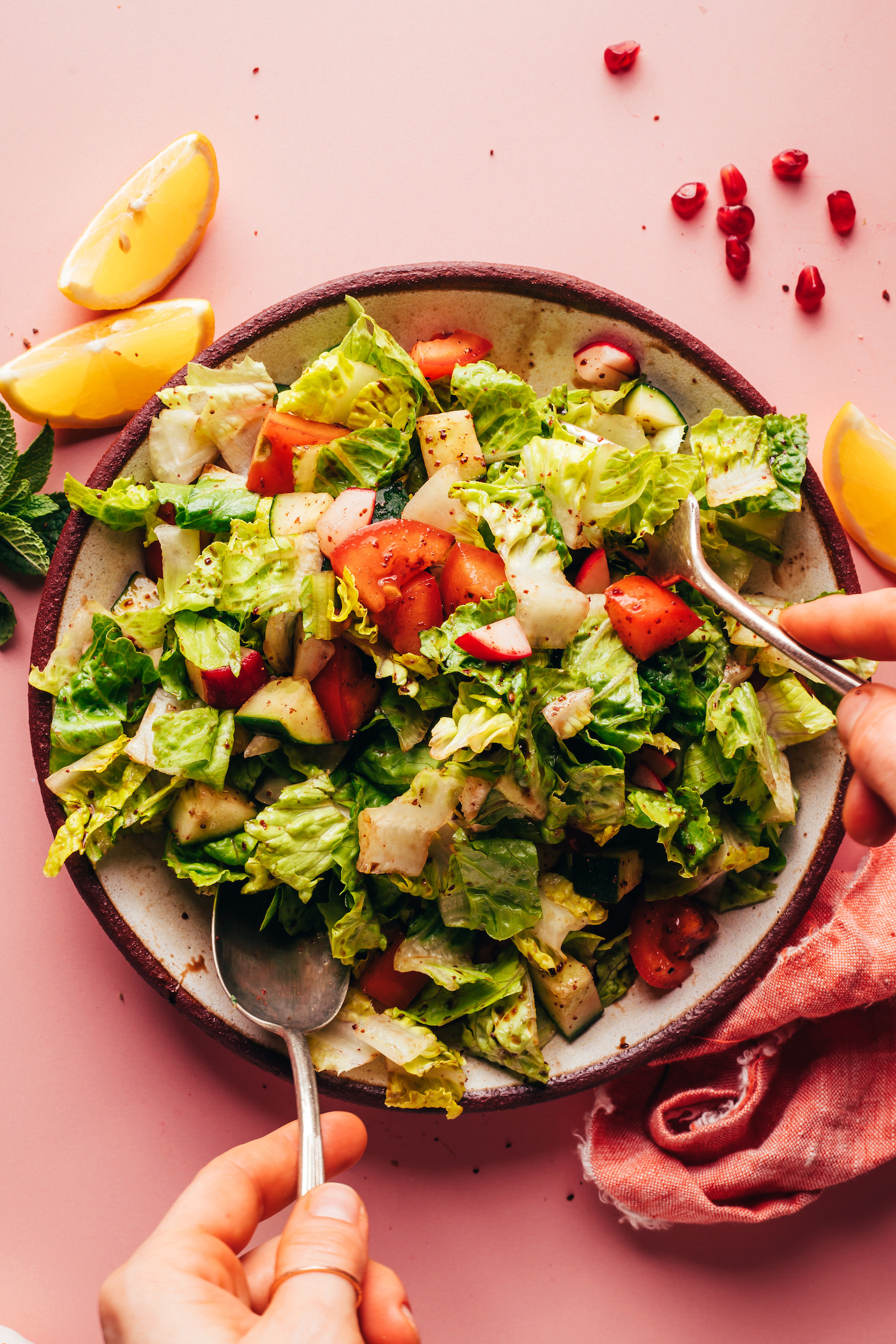
As noted by food bloggers and recipe developers, the social aspect of the dish remains vital. The act of tearing the bread and tossing the salad by hand is a sensory experience. Sharing a bowl of Fattoush, especially during the warmer months, has become a way to signal a shift toward slow, intentional eating, even when the preparation itself is rapid.
Conclusion: A Timeless Classic, Modernized
The Fattoush salad is more than just a collection of vegetables and bread; it is a testament to the endurance of Levantine culinary tradition. Its ability to adapt to the 20-minute requirements of the modern, time-strapped home cook without losing its soul is why it remains one of the most beloved dishes in the Mediterranean repertoire.
Whether you are looking for a quick, nutrient-dense meal for a hot summer evening or a crisp, refreshing side for a more elaborate dinner party, this 1-bowl version proves that efficiency and tradition are not mutually exclusive. By mastering the balance of acid, crunch, and fresh aromatics, any home cook can recreate the vibrant essence of the Levant in their own kitchen. The next time you find yourself with half a loaf of bread and a few wilting vegetables, consider the Fattoush—a dish that reminds us that the best meals are often those born from simplicity.


 Azzam Bilal Chamdy